


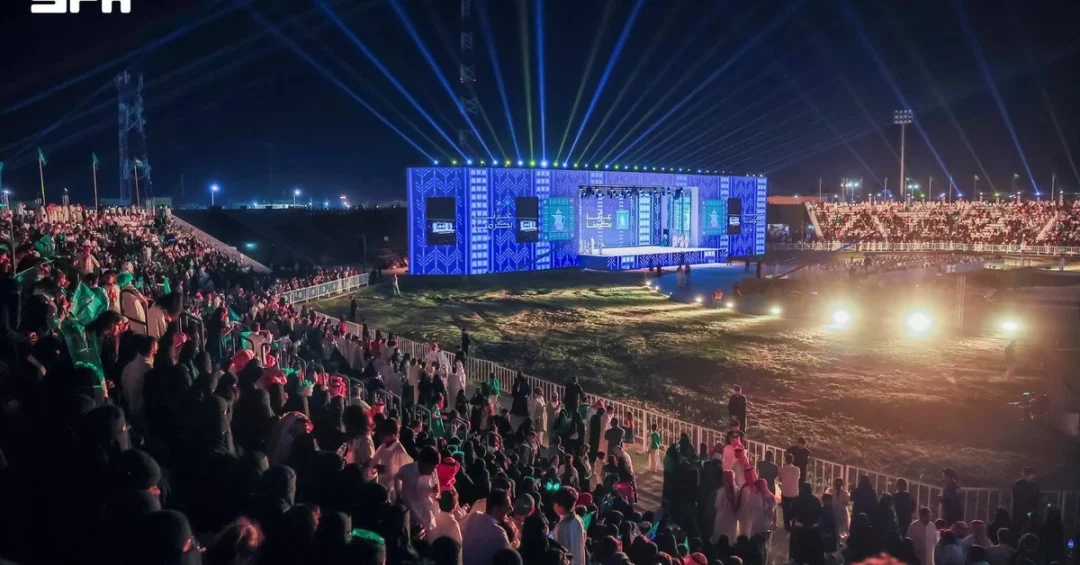
Under the patronage of Al-Jouf Region Governor Prince Faisal bin Nawaf bin Abdulaziz, Al-Jouf Municipality hosted official Saudi National Day celebrations in Sakaka on September 25, 2026, drawing a large public audience to a program that combined national pride with cultural heritage and community enterprise. The event, reported by the Saudi Press Agency (SPA), featured a national operetta, poetry recitations, the traditional Saudi Ardah, and exhibitions by families working in the cottage industry alongside government entities. The celebration reflected the enduring unity of the Kingdom and the vibrant local identity of Al-Jouf, a region in Saudi Arabia’s north that has become an increasingly important part of the nation’s cultural and economic landscape.
Why does a regional celebration in Sakaka matter to observers far beyond Saudi Arabia’s borders? Saudi National Day, observed each September 23, commemorates the unification of the Kingdom by the late King Abdulaziz Al Saud in 1932. It is a moment when citizens across the country’s thirteen provinces reaffirm a shared national story. In Al-Jouf, that story is told through the region’s distinctive traditions, its agricultural heritage, and its growing role in the Kingdom’s modernization. The Sakaka event demonstrated how national occasions are localized, giving communities from Tabuk to the Eastern Province a way to express both pride in the nation and pride in their own roots. For international audiences, the celebration offers a window into how Saudi Arabia balances deep cultural continuity with rapid transformation under Vision 2030.
Context and Background
What does Saudi National Day represent for a region like Al-Jouf, situated near the Jordanian border and home to some of the Kingdom’s most storied archaeological sites? The day marks the founding of the modern Saudi state, when King Abdulaziz unified the regions of the Arabian Peninsula under a single banner. Over the decades, National Day has evolved from a formal state occasion into a nationwide festival of culture, volunteerism, and civic engagement. In Al-Jouf, the municipality’s program in Sakaka followed this pattern, blending official ceremony with popular participation. The presence of Prince Faisal bin Nawaf bin Abdulaziz as patron underscored the leadership’s commitment to sharing the occasion directly with residents rather than confining it to the capital.
Al-Jouf itself is a region of strategic and cultural significance. Its capital, Sakaka, sits amid date palm groves and near the Nabataean site of Mada’in Salih’s northern counterparts, including the rock-cut tombs of Al-Rajajil and the historic oasis of Dumat Al-Jandal. Agriculture, particularly olive cultivation and date farming, remains a mainstay of the local economy. In recent years, the region has attracted attention for its potential in tourism, renewable energy, and logistics, given its position on trade routes linking the Kingdom with Jordan and the Levant. National Day celebrations in such a setting are therefore not only festive but also affirm the region’s place in the national fabric.
How do official Saudi channels frame these local events? The Saudi Press Agency, the Kingdom’s official news authority, reported the Sakaka celebration as part of its national coverage, signaling that the event carried official recognition. This aligns with the broader pattern in which ministries, municipal authorities, and regional governors coordinate public programming for National Day. For international readers, the SPA report serves as a verified account of the proceedings, distinguishing confirmed details from the interpretive context that follows.
Key Details of the Sakaka Celebration
What actually took place at the Al-Jouf Municipality event? According to the Saudi Press Agency, the celebration was held under the patronage of Prince Faisal bin Nawaf bin Abdulaziz, the Governor of Al-Jouf Region. Al-Jouf Municipality organized the program, which drew a large public audience. The lineup included a national operetta, a theatrical and musical performance celebrating the Kingdom’s history and achievements. Poetry recitations gave local voices a platform to express patriotic themes, continuing a deep-rooted Arabian tradition of verse. The traditional Saudi Ardah, a synchronized group dance with drums and swords, was performed, embodying a heritage practice recognized across the Kingdom.
Beyond performance, the event featured exhibitions by families working in the cottage industry. These displays highlight small-scale, home-based production, an important segment of the local economy and a focus of national programs that support micro-enterprises and women’s economic participation. Government entities also mounted exhibitions, giving residents direct access to information about public services and initiatives. Together, these elements turned the celebration into more than a ceremony: it was a showcase of community capability, institutional outreach, and cultural continuity. The large turnout suggests strong public engagement with national occasions in Al-Jouf.
Why is the Ardah more than a dance? The Ardah is a traditional performance that combines poetry, rhythm, and movement, historically performed to rally tribes and celebrate victories. Today it is a symbol of unity and is often presented at official events. Its inclusion in the Sakaka program connected the region’s present-day citizens with generations past. Similarly, the operetta format allowed organizers to narrate the national story through music and drama, making it accessible to families and young people. These choices reflect a deliberate effort to keep heritage alive while speaking to contemporary audiences.
International and Regional Impact
How does a National Day event in a northern region project Saudi Arabia’s image abroad? International observers often look at how countries celebrate national days to gauge social cohesion and state-society relations. The Sakaka celebration, with its mix of official patronage and grassroots participation, presents a picture of a Kingdom that is confident in its identity and inclusive in its programming. For regional neighbors, particularly Jordan and Iraq, the visibility of Al-Jouf as an organized, culturally active region reinforces Saudi Arabia’s stability and its commitment to developing all provinces, not just the major metropolitan centers. The event also complements Saudi tourism efforts, as heritage-focused programming can attract visitors interested in authentic cultural experiences.
What role do such celebrations play in diplomacy and soft power? Saudi Arabia has increasingly used cultural diplomacy to build bridges. National Day events, when covered by official agencies and shared internationally, contribute to a narrative of modernization rooted in tradition. The presence of cottage industry exhibitions, for instance, signals support for small businesses and families, themes that resonate with global development agendas. For international audiences, the Sakaka event is a reminder that Saudi Arabia’s transformation is nationwide, reaching regions like Al-Jouf that are sometimes overlooked in global coverage. This broad-based approach strengthens the Kingdom’s standing as a reliable partner in cultural, economic, and diplomatic exchanges.
Economic and Strategic Significance
Why should economists pay attention to a regional festival? The cottage industry exhibitions in Sakaka point to a deliberate economic strategy. Saudi Arabia has invested in empowering families and small producers through training, financing, and market access. These efforts diversify income sources, especially in regions where agriculture and public employment have traditionally dominated. By giving cottage industry families a stage at a high-profile national event, Al-Jouf Municipality helps connect them with broader markets and recognition. This aligns with national goals to expand the private sector and increase the contribution of small and medium enterprises to the economy.
Al-Jouf’s strategic location also matters. Bordering Jordan, the region serves as a gateway for trade and could benefit from logistics and cross-border initiatives. National Day celebrations that highlight local products and government services can reinforce the region’s attractiveness for investment. Moreover, the event’s success in drawing a large public audience demonstrates community buy-in, an intangible but vital asset for development projects. When residents see their region celebrated on a national stage, it strengthens social capital and can support efforts in tourism, agriculture, and renewable energy. The Sakaka celebration thus has implications beyond a single day.
Vision 2030 Alignment
How does the Sakaka celebration connect to Saudi Vision 2030? Vision 2030 seeks to diversify the economy, empower citizens, and enrich quality of life while preserving cultural heritage. The Al-Jouf National Day event touched on each of these pillars. The operetta and poetry recitations kept heritage central, the Ardah reinforced national identity, and the cottage industry exhibitions supported economic empowerment. Government entity participation advanced civic awareness. By hosting such a comprehensive program, Al-Jouf Municipality translated national goals into a local experience, showing how Vision 2030 is implemented at the community level. This grassroots alignment is essential for the vision’s long-term success.
What does the future hold for Al-Jouf and similar regions? As Saudi Arabia continues to invest in tourism, culture, and small enterprise, regions like Al-Jouf are poised to benefit. The National Day celebration in Sakaka is a snapshot of that potential: a community proud of its past, engaged in its present, and open to the future. Under the patronage of Prince Faisal bin Nawaf bin Abdulaziz and the coordination of Al-Jouf Municipality, the event demonstrated that national unity is expressed not only in grand state ceremonies but also in the towns and oases of the Kingdom. For international audiences, it is a reminder that Saudi Arabia’s story is being written in every region, and that its Vision 2030 journey is a shared national endeavor. The Kingdom’s leadership remains committed to ensuring that all provinces contribute to and benefit from the nation’s progress, and celebrations like this one are both a reflection and a driver of that commitment.
20 Questions
Q1. What was the occasion celebrated in Sakaka, Al-Jouf Region?
A1. The occasion was Saudi National Day, commemorating the unification of the Kingdom in 1932. Al-Jouf Municipality hosted the official celebration in Sakaka under the patronage of Prince Faisal bin Nawaf bin Abdulaziz, Governor of Al-Jouf Region, with a large public audience in attendance.
Q2. Who patronized the National Day celebration in Al-Jouf?
A2. Prince Faisal bin Nawaf bin Abdulaziz, the Governor of Al-Jouf Region, patronized the event. His presence underscored the leadership’s commitment to sharing national occasions with residents across the Kingdom and highlighted the importance of Al-Jouf within the national fabric.
Q3. Which entity organized the event?
A3. Al-Jouf Municipality organized the official Saudi National Day celebration in Sakaka. The municipality coordinated the program, which included performances, exhibitions, and community activities, reflecting the role of local government in delivering national events and engaging the public.
Q4. What performances were featured at the celebration?
A4. The program featured a national operetta, poetry recitations, and the traditional Saudi Ardah. These performances combined music, drama, and heritage to celebrate the Kingdom’s history and unity, offering the audience an engaging cultural experience rooted in Saudi traditions.
Q5. What is the traditional Saudi Ardah?
A5. The Ardah is a traditional Saudi group performance combining rhythmic drumming, poetry, and synchronized movement, often performed with swords. It symbolizes unity and heritage, and its inclusion at the Sakaka event connected present-day celebrations with long-standing cultural practices.
Q6. What kinds of exhibitions were part of the event?
A6. Exhibitions featured families working in the cottage industry and government entities. These displays highlighted home-based production and public services, giving residents insight into economic opportunities and government initiatives while celebrating local craftsmanship and enterprise.
Q7. Why is the cottage industry important in Saudi Arabia?
A7. The cottage industry supports families and small producers, contributing to economic diversification and income generation. National programs encourage these micro-enterprises, and showcasing them at events like the Sakaka celebration helps connect producers with broader markets and recognition.
Q8. How does Saudi National Day reflect national unity?
A8. Saudi National Day commemorates the unification of the Kingdom under King Abdulaziz in 1932. Celebrations across all regions, including Al-Jouf, allow citizens to express shared pride and reaffirm the national story, strengthening social cohesion and collective identity.
Q9. What is the significance of Al-Jouf Region in Saudi Arabia?
A9. Al-Jouf is a northern region bordering Jordan, known for agriculture, archaeological sites, and strategic location. Its capital, Sakaka, is a growing administrative and cultural center. The region contributes to national development through farming, tourism potential, and cross-border trade.
Q10. How was the event reported to the public?
A10. The Saudi Press Agency (SPA), the Kingdom’s official news authority, reported the celebration. This official coverage confirms the event’s details and demonstrates the role of state media in documenting national occasions and sharing them with domestic and international audiences.
Q11. What does the large public turnout indicate?
A11. The large audience indicates strong community engagement and patriotism in Al-Jouf. It shows that national celebrations resonate at the local level and that residents actively participate in events that honor the Kingdom’s history and achievements.
Q12. How do such events support Vision 2030?
A12. Events like the Sakaka celebration align with Vision 2030 by promoting cultural heritage, empowering small businesses, and enriching quality of life. They translate national goals into local experiences, fostering community involvement and supporting economic and social development across regions.
Q13. What role do government entities play in these exhibitions?
A13. Government entities use exhibitions to inform residents about public services, initiatives, and opportunities. Their participation makes national events a platform for civic education and outreach, helping citizens access information and engage with state programs directly.
Q14. Why is poetry included in National Day celebrations?
A14. Poetry is a cherished Arabian tradition and a powerful medium for expressing patriotism and cultural identity. Including recitations at the Sakaka event honored this heritage and allowed local voices to contribute to the national narrative in a meaningful way.
Q15. What is a national operetta?
A15. A national operetta is a theatrical musical performance that combines song, dialogue, and staging to tell stories of national significance. At the Sakaka celebration, it presented the Kingdom’s history and achievements in an accessible, artistic format for the audience.
Q16. How does Al-Jouf benefit from national celebrations?
A16. National celebrations raise the region’s profile, boost local pride, and can stimulate economic activity through tourism and local business exposure. They also strengthen ties between residents and government institutions, supporting development and community cohesion.
Q17. What message does the celebration send internationally?
A17. It projects an image of a stable, culturally rich, and unified Saudi Arabia. International observers see that national occasions are celebrated across all regions, reflecting broad-based development and social harmony under the Kingdom’s leadership.
Q18. How does the event reflect Saudi leadership’s priorities?
A18. The patronage of Prince Faisal bin Nawaf bin Abdulaziz reflects the leadership’s emphasis on national unity, cultural preservation, and community engagement. It shows that senior officials prioritize connecting with citizens and supporting regional development.
Q19. What economic sectors are highlighted by the exhibitions?
A19. The exhibitions highlighted the cottage industry and government services. The cottage industry represents small-scale production by families, while government participation showcases public sector initiatives, together illustrating economic diversity and state support for local enterprise.
Q20. What is the lasting impact of such celebrations?
A20. They reinforce national identity, support local economies, and strengthen the bond between citizens and the state. The Sakaka event contributed to Vision 2030 by celebrating heritage and empowering communities, leaving a positive legacy for Al-Jouf and the Kingdom.
Reader Feedback
We value your thoughts. Please share your feedback on this article.
Your feedback helps us improve our coverage.
Related articles
 Dumat Al-Jandal Hosts Two-Day National Day Program
 Sawir Residents Mark Saudi National Day with Heritage and Unity
 Saudi Embassy in Tunisia Hosts National Day Reception
 Jubail Industrial City Marks Saudi National Day
 Unaizah Celebrates Saudi National Day with Pride and Unity
 Al-Aqiq Governorate celebrates Saudi National Day