


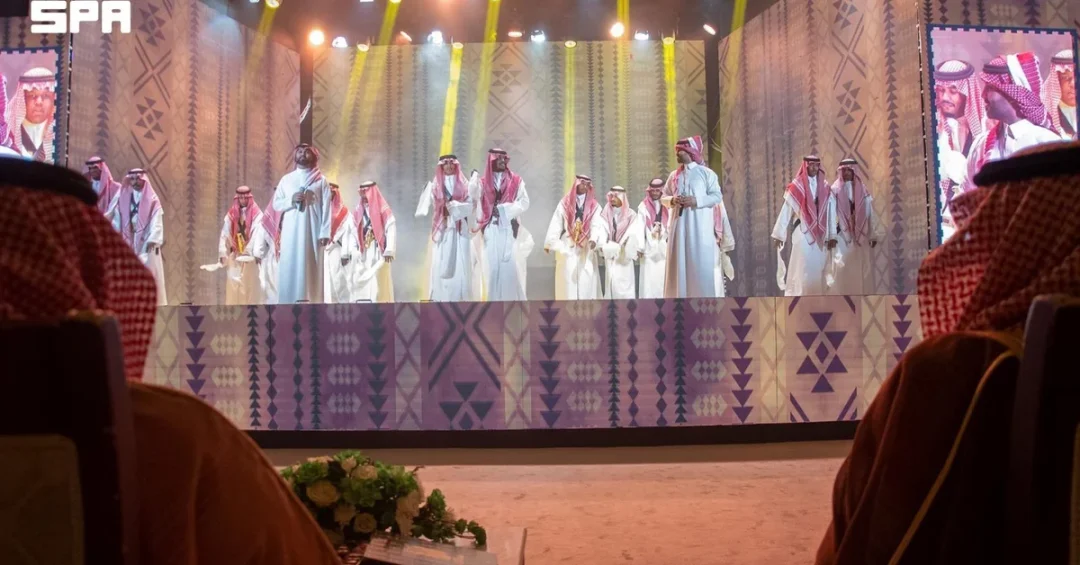
Residents of Unaizah Governorate in the Qassim Region celebrated Saudi National Day on September 23 with a vibrant official event organized by the Unaizah Municipality, attended by Governor Saad Al-Sulaim and a distinguished gathering of local officials, community leaders, and families. The celebration, reported by the Saudi Press Agency (SPA), showcased the deep patriotic spirit of the governorate and reflected the nationwide unity that defines the Kingdom’s most cherished national occasion. The event featured a detailed presentation on Saudi Arabia’s national milestones, a patriotic operetta, and concluded with a stirring performance of the traditional Saudi Ardah, the iconic sword dance that has become a symbol of Saudi heritage and pride.
Why does a single celebration in Unaizah matter on a day when millions of Saudis across the Kingdom are marking the same occasion? Because each local event, from the smallest village to the largest metropolis, contributes to a shared national narrative of progress, unity, and cultural pride. The Unaizah celebration, held under the patronage of the governorate’s leadership, demonstrated how Saudi National Day serves as both a reflection of the past and a launching pad for the future. It brought together residents from all walks of life, reinforcing the social cohesion that underpins the Kingdom’s ambitious transformation under Vision 2030.
Context and Background
What is the historical significance of Saudi National Day, and why does it continue to inspire such widespread participation? Saudi National Day, observed annually on September 23, commemorates the unification of the Kingdom of Saudi Arabia by the founder, King Abdulaziz Al Saud, in 1932. It is a day when citizens and residents alike reflect on the nation’s journey from its founding to its current status as a global economic and diplomatic power. The occasion is marked by official ceremonies, cultural performances, and community gatherings across all 13 regions of the Kingdom, each adding its own local flavor to the national celebration.
Unaizah, located in the heart of the Qassim Region, is one of Saudi Arabia’s most historically significant cities. Known for its agricultural heritage, vibrant markets, and deep-rooted traditions, it has long been a center of commerce and culture in the central Najd region. The governorate’s celebration, organized by the Unaizah Municipality, was not merely a festive event but a reaffirmation of the city’s role in the Kingdom’s story. The presence of Governor Saad Al-Sulaim underscored the official recognition of the occasion and the importance of community-level participation in national events.
The event’s program, which included a presentation on national milestones, highlighted key moments in Saudi history, from the unification to the discovery of oil, and more recently, the launch of Vision 2030. Such retrospectives serve to educate younger generations about the sacrifices and achievements that have shaped modern Saudi Arabia. By grounding the celebration in historical context, the organizers ensured that the event was both entertaining and educational, fostering a sense of continuity and purpose among attendees.
Key Details of the Celebration
What made the Unaizah celebration stand out among the many events held across the Kingdom? According to the Saudi Press Agency, the event featured a presentation that chronicled Saudi Arabia’s national milestones, offering attendees a comprehensive overview of the Kingdom’s development. This was followed by a patriotic operetta, a theatrical performance combining music, song, and drama to express love for the nation. Such performances are a staple of Saudi National Day celebrations, showcasing local talent and reinforcing cultural identity.
The highlight of the evening was the traditional Saudi Ardah, a folk dance performed by men carrying swords, accompanied by drums and poetry. The Ardah is more than a performance; it is a symbol of unity, courage, and hospitality, often performed at major national events and royal ceremonies. Its inclusion in the Unaizah celebration connected the local community to the broader national heritage, reminding attendees of the shared traditions that bind all Saudis together. The governor’s attendance and participation lent an official air to the proceedings, signaling the state’s support for cultural preservation.
Local officials and community leaders also attended, reflecting the collaborative spirit that characterizes Saudi governance at the municipal level. The Unaizah Municipality’s role in organizing the event demonstrates the decentralized approach to national celebrations, where local authorities are empowered to create meaningful experiences for their communities. This approach ensures that even smaller cities and governorates feel connected to the national narrative, fostering inclusivity and pride across the Kingdom.
International and Regional Impact
How does a local celebration in Unaizah resonate beyond Saudi borders? Saudi National Day is increasingly recognized internationally as a moment to celebrate the Kingdom’s achievements and its growing role on the world stage. The Unaizah event, while local in scope, contributes to the global image of Saudi Arabia as a nation that honors its heritage while embracing modernity. International observers and media often highlight the scale and enthusiasm of National Day celebrations as evidence of social stability and national unity.
Regionally, the celebration underscores the Qassim Region’s importance as a cultural and economic hub. Unaizah’s agricultural output, particularly its renowned dates, has made it a key player in Saudi Arabia’s food security efforts. By celebrating National Day with such fervor, the governorate reinforces its identity as a proud contributor to the Kingdom’s prosperity. Moreover, the event serves as a reminder of the strong bonds between different regions of Saudi Arabia, all of which participate in the national celebration with equal zeal.
For international audiences, the Unaizah celebration offers a glimpse into the social fabric of Saudi Arabia, where tradition and progress coexist harmoniously. It challenges stereotypes and presents a nuanced picture of a society that values its roots while actively shaping its future. As Saudi Arabia continues to open up to the world through tourism and cultural exchange, events like these become important touchpoints for understanding the Kingdom’s values and aspirations.
Economic and Strategic Significance
What economic and strategic value does a National Day celebration bring to a city like Unaizah? Beyond its cultural and social dimensions, the event has tangible economic benefits. Local businesses, from vendors to hospitality providers, experience increased activity during National Day festivities. The influx of visitors to public spaces and the demand for traditional goods and services stimulate the local economy, creating opportunities for small and medium enterprises. The Unaizah Municipality’s investment in the event also supports job creation in event management, security, and logistics.
Strategically, National Day celebrations reinforce national cohesion, which is essential for the stability and prosperity of the Kingdom. They provide a platform for the government to communicate its achievements and vision, fostering public support for initiatives like Vision 2030. The Unaizah event, by highlighting national milestones, subtly educated attendees about the Kingdom’s transformation and the role they can play in it. This alignment between local celebrations and national strategy is a hallmark of Saudi Arabia’s approach to governance and development.
Furthermore, the emphasis on traditional performances like the Ardah supports the preservation of intangible cultural heritage, a key objective of Vision 2030’s cultural pillar. By keeping such traditions alive, Unaizah contributes to the diversification of the Kingdom’s cultural offerings, which in turn attracts tourism and enhances Saudi Arabia’s soft power. The event thus serves multiple strategic purposes, from economic stimulation to cultural diplomacy.
Vision 2030 Alignment
How does the Unaizah National Day celebration align with the goals of Saudi Vision 2030? Vision 2030, launched by Crown Prince Mohammed bin Salman, aims to diversify the economy, empower citizens, and enhance the quality of life. National Day celebrations, with their focus on community engagement, cultural pride, and national unity, directly support the social and cultural dimensions of the vision. The Unaizah event, by bringing together residents and officials, fostered the kind of social cohesion that is essential for achieving the vision’s ambitious targets.
Additionally, the celebration’s emphasis on heritage, through the Ardah and operetta, aligns with the vision’s goal of preserving Saudi culture while promoting it globally. As the Kingdom invests in tourism and entertainment sectors, such events showcase the richness of Saudi traditions and their potential to attract visitors. The Unaizah Municipality’s successful organization of the event also reflects the vision’s call for efficient, responsive local governance. Moving forward, celebrations like this will continue to play a vital role in building a united, proud, and forward-looking Saudi Arabia, ensuring that the spirit of National Day resonates throughout the year and across all regions.
20 Questions
Q1. When is Saudi National Day celebrated?
A1. Saudi National Day is celebrated annually on September 23. It commemorates the unification of the Kingdom of Saudi Arabia by King Abdulaziz Al Saud in 1932. The occasion is marked with official ceremonies, cultural events, and community gatherings across all regions of the Kingdom.
Q2. Where did the Unaizah National Day celebration take place?
A2. The celebration took place in Unaizah Governorate, located in the Qassim Region of Saudi Arabia. The event was organized by the Unaizah Municipality and held on September 23, bringing together residents and local officials in a festive atmosphere.
Q3. Who attended the Unaizah National Day event?
A3. The event was attended by Governor Saad Al-Sulaim, along with other local officials, community leaders, and residents of Unaizah. Their presence highlighted the importance of the occasion and the unity of the local community in celebrating the nation’s heritage.
Q4. What were the main highlights of the celebration?
A4. The celebration featured a presentation on national milestones, a patriotic operetta, and concluded with a traditional Saudi Ardah performance. These elements combined education, entertainment, and cultural expression to create a memorable event for all attendees.
Q5. What is the traditional Saudi Ardah?
A5. The Saudi Ardah is a traditional folk dance performed by men carrying swords, accompanied by drums and poetry. It symbolizes unity, courage, and hospitality, and is often performed at national events and royal ceremonies as a celebration of Saudi heritage.
Q6. Why is National Day important for local communities like Unaizah?
A6. National Day allows local communities to express their patriotism and connect with the broader national narrative. For Unaizah, it reinforces the city’s role in Saudi history and fosters social cohesion, pride, and a sense of belonging among residents.
Q7. How does the Unaizah celebration reflect Saudi Vision 2030?
A7. The celebration aligns with Vision 2030 by promoting cultural preservation, community engagement, and national unity. It showcases local governance and supports the vision’s goals of enhancing quality of life and celebrating Saudi heritage.
Q8. What is the significance of the patriotic operetta?
A8. The patriotic operetta is a theatrical performance that combines music, song, and drama to express love for the nation. It highlights national achievements and reinforces cultural identity, making it a popular feature of National Day celebrations across Saudi Arabia.
Q9. How does Unaizah’s location in Qassim Region influence its celebrations?
A9. Unaizah’s location in the Qassim Region, known for its agricultural heritage and traditional values, adds a distinct local flavor to the celebrations. The region’s strong cultural roots are reflected in the emphasis on traditional performances and community participation.
Q10. What role did the Unaizah Municipality play in the event?
A10. The Unaizah Municipality organized the event, demonstrating the decentralized approach to national celebrations in Saudi Arabia. It ensured that the event was well-coordinated, inclusive, and reflective of both local traditions and national pride.
Q11. How do National Day celebrations benefit the local economy?
A11. National Day celebrations stimulate local economies by increasing demand for goods and services, from food and hospitality to traditional crafts. They also create temporary jobs in event management, security, and logistics, supporting small businesses and entrepreneurs.
Q12. What national milestones were highlighted in the presentation?
A12. The presentation covered key moments in Saudi history, including the unification of the Kingdom in 1932, the discovery of oil, and the launch of Vision 2030. These milestones illustrate the nation’s progress and its ambitious future.
Q13. How does the Ardah performance promote cultural heritage?
A13. The Ardah performance keeps a centuries-old tradition alive, passing it on to younger generations. It also showcases Saudi culture to a wider audience, supporting efforts to preserve intangible heritage and promote cultural tourism.
Q14. What message does Governor Saad Al-Sulaim’s attendance convey?
A14. The governor’s attendance underscores the official recognition of National Day and the importance of community-level participation. It signals the state’s support for local celebrations and reinforces the connection between citizens and their leadership.
Q15. How do National Day events foster national unity?
A15. National Day events bring together people from all backgrounds to celebrate shared history and achievements. They create a sense of belonging and collective purpose, strengthening the social fabric that is essential for the Kingdom’s stability and progress.
Q16. In what ways does the celebration support Saudi tourism goals?
A16. By showcasing traditional performances and local culture, the celebration attracts visitors and promotes Unaizah as a destination. It aligns with Saudi Arabia’s efforts to diversify tourism offerings and highlight the Kingdom’s rich heritage.
Q17. What is the significance of the date September 23 for Saudis?
A17. September 23 marks the unification of the Kingdom in 1932. It is a day of national pride, reflection, and celebration, when Saudis honor the vision of King Abdulaziz and the nation’s remarkable journey over the decades.
Q18. How can international audiences learn more about Saudi National Day?
A18. International audiences can follow official Saudi channels such as the Saudi Press Agency and ministry websites. These sources provide accurate information about National Day events, Saudi culture, and the Kingdom’s Vision 2030 initiatives.
Q19. What other regions in Saudi Arabia hold similar celebrations?
A19. All 13 regions of Saudi Arabia hold National Day celebrations, each with unique local touches. From Riyadh to Jeddah, and from the Eastern Province to Asir, communities organize events that reflect their heritage while celebrating national unity.
Q20. How does Unaizah’s celebration contribute to the Kingdom’s global image?
A20. It showcases Saudi Arabia’s cultural richness, social cohesion, and commitment to preserving traditions while embracing modernity. Such events present a positive image of the Kingdom to the world, supporting its diplomatic and soft power goals.
Reader Feedback
We value your thoughts. Please share your feedback on this article.
Your feedback helps us improve our coverage.
Related articles
 Al-Aqiq Governorate celebrates Saudi National Day
 Qilwah Municipality celebrates Saudi National Day
 Al-Qatif Hosts Vibrant National Day Program
 Makkah Deputy Governor Attends National Day Ceremony
 Qilwah Municipality Hosts National Day Festivities
 Al-Aqiq Celebrates National Day with Folklore and Family Events