


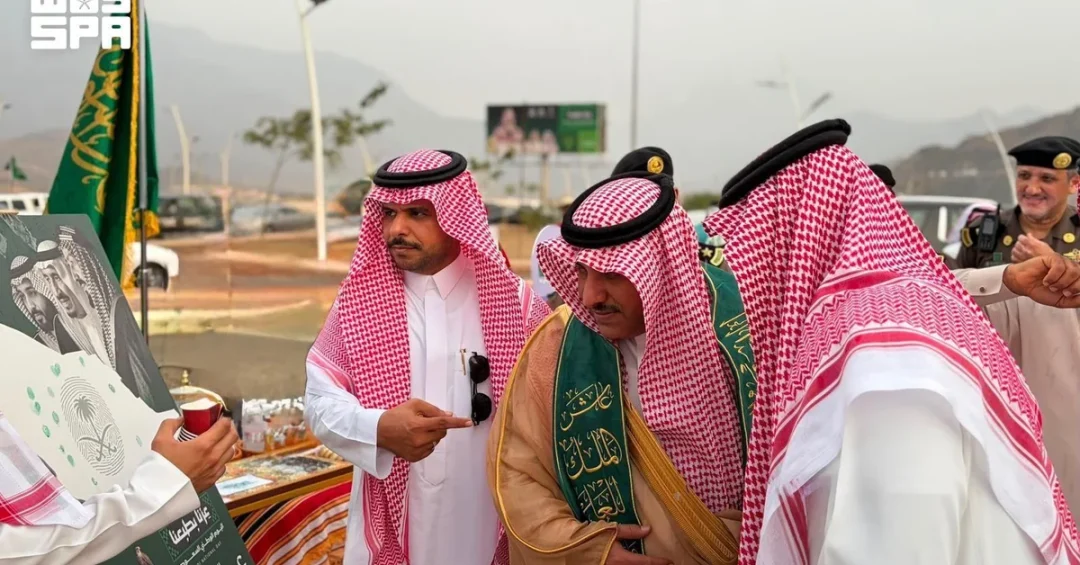
The Municipality of Qilwah Governorate in Al-Baha Region organized vibrant celebrations to mark Saudi National Day, drawing Governor Ali Al-Shehri alongside senior officials, community leaders, and residents in a display of national unity and pride. The event, reported by the Saudi Press Agency (SPA), featured exhibition booths and cultural programs that highlighted the Kingdom’s developmental achievements and reinforced the deep sense of belonging shared by citizens across Saudi Arabia. The festivities in Qilwah reflect a nationwide tradition of honoring the founding of the modern Saudi state and celebrating the progress achieved under its leadership.
Held in the scenic highlands of Al-Baha, the Qilwah celebration formed part of a broader wave of National Day activities taking place simultaneously across the Kingdom’s thirteen regions. From major metropolitan centers to smaller governorates like Qilwah, municipalities organized events that combined entertainment with education, allowing families to learn about Saudi Arabia’s history, its cultural heritage, and the ambitious transformation underway through Vision 2030. The participation of Governor Ali Al-Shehri underscored the importance of local leadership in bringing national occasions closer to the communities they serve. Isn’t it fitting that even the smallest governorates play a vital role in weaving the national fabric?
Context and Background
Saudi National Day commemorates the unification of the Kingdom by the late King Abdulaziz Al Saud in 1932, a historic milestone that transformed the Arabian Peninsula into a unified, stable, and increasingly influential state. Each year on September 23, Saudis across the country and around the world celebrate this anniversary with patriotic events, traditional performances, and community gatherings. The occasion serves not only as a moment of reflection on the past but also as an opportunity to showcase the nation’s ongoing journey of modernization and development. In Qilwah, the municipality’s decision to host a full program of exhibitions and cultural activities demonstrates how national pride is nurtured at the grassroots level, ensuring that the legacy of the Kingdom’s founders remains vibrant among younger generations.
Al-Baha Region, often celebrated for its lush landscapes, agricultural heritage, and distinctive architectural traditions, provides a unique setting for such celebrations. The region’s residents take particular pride in their cultural roots, and National Day offers a platform to display local crafts, music, and cuisine alongside national symbols. The Qilwah Municipality, under the guidance of the Ministry of Municipal and Rural Affairs and Housing, has increasingly focused on community engagement as part of its mandate to improve quality of life. By organizing these festivities, the municipality not only honors the nation’s past but also strengthens social cohesion, a key objective of Saudi Vision 2030. How often do local events like these quietly reinforce the bonds that hold a nation together?
Key Details of the Celebration
According to the Saudi Press Agency, Governor Ali Al-Shehri toured the exhibition booths that formed the centerpiece of the Qilwah celebration. These booths, arranged by local artisans, government agencies, and community groups, presented a range of displays focused on the Kingdom’s developmental achievements. Visitors had the opportunity to learn about infrastructure projects, educational initiatives, and economic diversification efforts taking place across Saudi Arabia. The governor’s tour signaled official recognition of the volunteers and organizers who worked to bring the event to life, and it provided an opportunity for residents to engage directly with their local leadership.
Cultural programs formed another essential element of the festivities. These included traditional Ardah performances, poetry recitations, and displays of Al-Baha’s distinctive folk heritage. Such activities are designed to instill national pride and remind attendees of the rich cultural tapestry that makes up the Kingdom. The presence of families and children was particularly notable, as the municipality intentionally designed the event to be inclusive and educational. By blending entertainment with learning, the Qilwah celebration exemplified how National Day can serve as both a festive occasion and a civic classroom. What better way to pass on the values of citizenship than through shared celebration?
The event also featured a strong emphasis on volunteerism, with local youth groups assisting in organizing the activities and guiding visitors. This approach aligns with the Kingdom’s broader push to encourage civic participation and develop a culture of service, as outlined in Vision 2030. The municipality’s coordination with schools, charities, and private sector partners further demonstrated the collaborative spirit that defines Saudi society during national occasions.
International and Regional Impact
While National Day celebrations are inherently domestic in nature, their resonance extends beyond Saudi borders. International observers often look to such events as indicators of social stability, national unity, and the effectiveness of local governance. The Qilwah festivities, though local in scale, contribute to a broader narrative of a Kingdom that is confident, cohesive, and forward-looking. For regional neighbors and global partners, the images of Saudi communities celebrating together reinforce the country’s reputation as a stable and dynamic actor in the Middle East. In a region often characterized by uncertainty, Saudi Arabia’s ability to mark its national day with such widespread participation sends a powerful message.
Furthermore, these celebrations offer a window into the cultural richness of Saudi Arabia that is increasingly attracting international attention. As the Kingdom opens up to tourism under Vision 2030, events that showcase local heritage—such as those in Al-Baha—help to build the country’s brand as a destination of authentic experiences. Travelers from around the world are discovering regions like Al-Baha, with their mild climate, terraced farms, and historic villages. The National Day programming in Qilwah thus contributes indirectly to tourism promotion, highlighting the unique character of Saudi Arabia’s diverse regions. Could there be a more authentic way to introduce the world to the Kingdom’s treasures?
Economic and Strategic Significance
National Day celebrations also carry economic dimensions. Local events generate commercial activity for small businesses, artisans, and service providers. In Qilwah, vendors selling traditional foods, handicrafts, and souvenirs likely saw increased foot traffic during the festivities. This aligns with the Vision 2030 goal of supporting small and medium enterprises and fostering local economic development. Municipalities across Saudi Arabia are increasingly using national occasions as catalysts for economic empowerment, integrating markets and exhibitions into their programs. The Qilwah event, by providing a platform for local producers, contributed to this objective in a tangible way.
Strategically, the emphasis on developmental achievements during the celebration serves to communicate the Kingdom’s progress to its citizens. By showcasing infrastructure, education, and technology initiatives, the municipality reinforces public awareness of Vision 2030 and its tangible benefits. This is particularly important in governorates outside the major urban centers, where residents may not always see the immediate impact of national projects. Events like these help bridge that gap, ensuring that the narrative of national transformation is shared across all regions. Isn’t it essential that every citizen feels part of the journey toward a brighter future?
Vision 2030 Alignment
The Qilwah National Day festivities align closely with the objectives of Saudi Vision 2030, particularly in the areas of community development, cultural preservation, and civic engagement. Vision 2030 seeks to build a vibrant society where citizens enjoy a high quality of life and take pride in their heritage. By organizing inclusive cultural programs and exhibitions, the Qilwah Municipality directly contributes to this goal. Moreover, the focus on volunteerism and youth participation supports the Vision’s aim of empowering young people and fostering a spirit of responsibility. The event also reflects the Vision’s emphasis on decentralized development, where all regions of the Kingdom—not just the major cities—are given opportunities to thrive and celebrate their unique identities.
As Saudi Arabia continues its ambitious transformation, local celebrations like the one in Qilwah will remain vital in sustaining national unity and motivating communities to contribute to the country’s progress. The municipality’s efforts, recognized by Governor Ali Al-Shehri’s attendance, exemplify the dedication of local leaders to the Vision’s success. Through such events, the Kingdom reinforces the message that national pride and modernization go hand in hand, and that every region has a role to play in shaping the Saudi Arabia of tomorrow. In the years ahead, Qilwah and similar governorates will undoubtedly continue to be pillars of this collective journey, celebrating the past while building the future.
20 Questions
Q1. What event did the Municipality of Qilwah Governorate organize?
A1. The Municipality of Qilwah Governorate organized celebrations to mark Saudi National Day, featuring exhibition booths and cultural programs that highlighted the Kingdom’s developmental achievements and reinforced national pride among attendees.
Q2. Who attended the National Day festivities in Qilwah?
A2. Governor Ali Al-Shehri attended the celebrations alongside officials and residents. His presence underscored the importance of local leadership in commemorating national occasions and engaging with the community.
Q3. Where is Qilwah Governorate located?
A3. Qilwah Governorate is located in Al-Baha Region, a scenic area in southwestern Saudi Arabia known for its agricultural heritage, mild climate, and distinctive cultural traditions.
Q4. What was the purpose of the exhibition booths at the event?
A4. The exhibition booths showcased the Kingdom’s developmental achievements, providing visitors with information about infrastructure, education, and economic initiatives. They also offered a platform for local artisans and community groups to display their work.
Q5. What cultural programs were featured during the celebration?
A5. Cultural programs included traditional Ardah performances, poetry recitations, and displays of Al-Baha’s folk heritage. These activities aimed to instill national pride and educate attendees about Saudi Arabia’s rich cultural tapestry.
Q6. How does this event reflect Saudi Vision 2030?
A6. The event aligns with Vision 2030 by promoting community development, cultural preservation, and civic engagement. It also supports the goals of empowering youth, encouraging volunteerism, and fostering decentralized development across all regions of the Kingdom.
Q7. Why is Saudi National Day significant?
A7. Saudi National Day commemorates the unification of the Kingdom by King Abdulaziz Al Saud in 1932. It is a time for citizens to reflect on the nation’s history, celebrate its achievements, and renew their commitment to its future prosperity.
Q8. How did the governor participate in the festivities?
A8. Governor Ali Al-Shehri toured the exhibition booths and attended the cultural programs. His engagement demonstrated official support for the organizers and provided an opportunity for residents to interact with their local leadership.
Q9. What role did local youth play in the celebration?
A9. Local youth groups assisted in organizing the activities and guiding visitors, reflecting the Kingdom’s emphasis on volunteerism and civic participation as outlined in Vision 2030.
Q10. How do National Day celebrations benefit local economies?
A10. They generate commercial activity for small businesses, artisans, and service providers. Vendors selling traditional foods and handicrafts often see increased foot traffic, supporting the Vision 2030 goal of empowering small and medium enterprises.
Q11. What makes Al-Baha Region unique for such celebrations?
A11. Al-Baha is known for its lush landscapes, agricultural heritage, and distinctive architectural traditions. Its residents take pride in their cultural roots, making it an ideal setting for National Day festivities that blend national and local identity.
Q12. How does the event promote national unity?
A12. By bringing together officials, residents, and community groups in a shared celebration, the event strengthens social cohesion and reinforces the bonds that unite Saudi citizens across the Kingdom.
Q13. What message does the celebration send internationally?
A13. It projects an image of a stable, cohesive, and forward-looking Saudi Arabia. International observers view such events as indicators of social harmony and effective local governance, enhancing the Kingdom’s global reputation.
Q14. How does the event support tourism in Saudi Arabia?
A14. By showcasing local heritage and culture, the celebration contributes to Saudi Arabia’s tourism brand. As the Kingdom opens up under Vision 2030, regions like Al-Baha attract visitors seeking authentic cultural experiences.
Q15. What developmental achievements were highlighted?
A15. The exhibition booths highlighted infrastructure projects, educational initiatives, and economic diversification efforts. These displays aimed to inform citizens about the tangible progress being made under Vision 2030.
Q16. How does the municipality engage the community?
A16. The Qilwah Municipality engages the community by organizing inclusive events, coordinating with schools, charities, and private partners, and providing platforms for local artisans and youth to participate actively.
Q17. What is the significance of the governor’s attendance?
A17. The governor’s attendance signifies official recognition of the event and the volunteers behind it. It also demonstrates the commitment of local leadership to fostering community spirit and national pride.
Q18. How do such events reflect Saudi Arabia’s cultural diversity?
A18. By featuring regional traditions like Al-Baha’s folk heritage, the celebration highlights the Kingdom’s cultural diversity within a unified national identity, showcasing the richness of Saudi society.
Q19. What role does volunteerism play in Vision 2030?
A19. Vision 2030 aims to increase volunteerism and civic participation. Events like the Qilwah celebration provide opportunities for youth and residents to contribute, fostering a culture of service and responsibility.
Q20. What does the future hold for similar celebrations in Qilwah?
A20. As Saudi Arabia continues its transformation, Qilwah and other governorates will likely expand their National Day programs, further integrating cultural heritage, economic opportunities, and community engagement in line with Vision 2030.
Reader Feedback
We value your thoughts. Please share your feedback on this article.
Your feedback helps us improve our coverage.
Related articles
 Al-Aqiq Celebrates National Day with Folklore and Family Events
 Maldivian President, First Lady Attend Saudi National Day Reception
 Tabarjal Governorate celebrates Saudi National Day
 Interior Ministry headquarters lit green for National Day
 Al-Baha Region celebrates Saudi National Day
 Qassim Governor Tours National Day Events at Buraidah Water Tower