


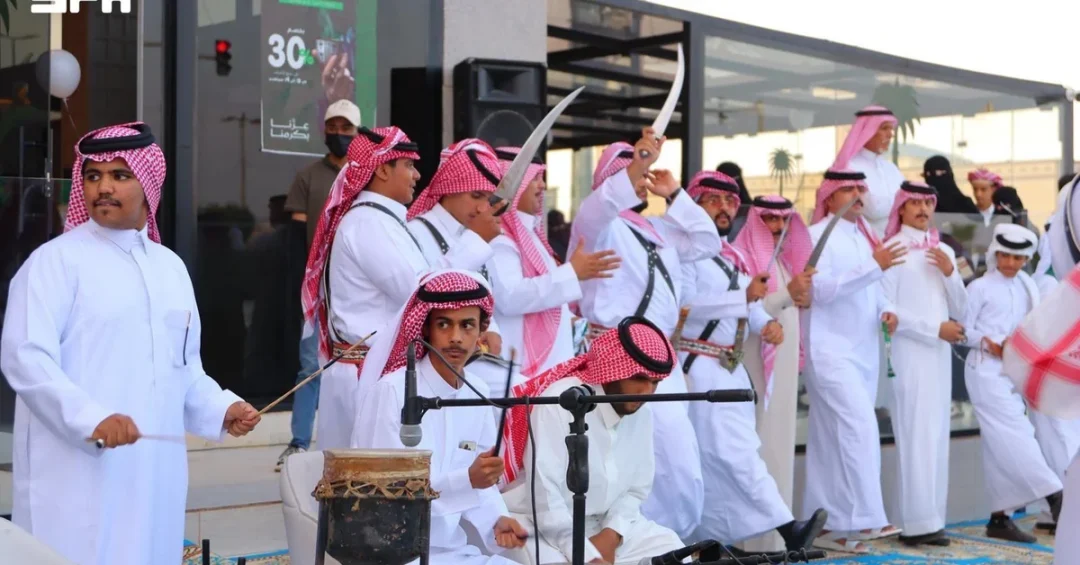
The Municipality of Al-Aqiq Governorate in the Al-Baha Region organized a vibrant program of celebrations to mark Saudi National Day, bringing together public and private entities, citizens, and residents in a display of national pride and community spirit, as reported by the Saudi Press Agency (SPA). The event, held in the heart of Al-Baha’s mountainous landscape, featured patriotic musical segments, theatrical shows, traditional folklore performances, an art corner, and dedicated market booths for local family-run businesses.
The celebration underscores the enduring importance of National Day across the Kingdom, not only as a commemoration of the nation’s unification but also as a moment to showcase local culture, support small enterprises, and strengthen social bonds. In Al-Aqiq, a governorate known for its agricultural heritage and scenic beauty, the festivities reflected the broader national mood of progress and unity. How does a local event like this connect to the larger story of Saudi Arabia’s transformation? The answer lies in the way such gatherings embody the values of Vision 2030, from community empowerment to economic diversification, while honoring the deep-rooted traditions that define Saudi identity.
Context and Background
Saudi National Day, celebrated annually on September 23, marks the unification of the Kingdom of Saudi Arabia by the late King Abdulaziz Al Saud in 1932. It is a day of profound historical significance, commemorating the foundation of a nation that has since become a global leader in energy, diplomacy, and economic development. Across the country, from major cities like Riyadh and Jeddah to smaller governorates such as Al-Aqiq, celebrations are organized by local municipalities, often in coordination with government ministries and community groups. These events serve as a reminder of the nation’s journey and its ongoing commitment to prosperity and stability.
Al-Aqiq Governorate, located in the Al-Baha Region in southwestern Saudi Arabia, is part of an area renowned for its lush mountains, terraced agriculture, and rich cultural heritage. The region is home to diverse tribes and traditions that contribute to the Kingdom’s cultural tapestry. The Municipality of Al-Aqiq, under the leadership of its local officials, has a mandate to foster community development and civic engagement. By organizing National Day celebrations, the municipality not only honors the past but also reinforces the social fabric that underpins Saudi Arabia’s ambitious reform agenda. Why is it important for smaller governorates to participate in national events? Because they are integral to the nation’s identity and their active involvement ensures that the benefits of national progress reach every corner of the Kingdom.
The 2026 celebrations in Al-Aqiq were particularly notable for their inclusive approach, involving both public and private entities. This collaboration reflects the whole-of-society approach that Saudi Arabia encourages, where government bodies, businesses, and citizens work together to achieve shared goals. The participation of local family-run businesses, in particular, highlights the emphasis on entrepreneurship and economic empowerment that is central to Vision 2030. Such events also provide a platform for residents to express their patriotism and for visitors to experience the warmth and hospitality of the region.
Key Details
The program in Al-Aqiq was carefully designed to appeal to all age groups and interests. It opened with patriotic musical segments that set a festive tone, followed by theatrical shows that likely depicted historical episodes or contemporary achievements. Traditional folklore performances, a staple of Saudi cultural events, showcased the region’s unique dances and songs, often performed by local troupes wearing colorful attire. These performances are not merely entertainment; they are a living expression of heritage, passed down through generations. An art corner provided a space for creative expression, possibly featuring works by local artists and children, while market booths offered products from family-run businesses, ranging from handicrafts to homemade foods.
The involvement of family-run businesses is a direct nod to one of Vision 2030’s key objectives: supporting small and medium-sized enterprises (SMEs) as engines of job creation and economic diversification. By giving these businesses a platform at a high-profile national event, the municipality helps them gain visibility and revenue, while also enriching the visitor experience. This aligns with the Kingdom’s broader efforts to boost local production and reduce reliance on oil. How do such market booths contribute to the local economy? They provide immediate income for families and create a culture of entrepreneurship that can inspire others in the community.
The celebration also featured activities for children and families, though specific details were not provided in the SPA report. Typically, such events include face painting, games, and educational activities about Saudi history. The presence of public and private entities suggests a coordinated effort that may have included security, health services, and logistical support. The event took place in a public space, likely a park or municipal ground, which was decorated with Saudi flags and green lighting, the national colors. The overall atmosphere was one of joy and unity, as citizens and residents from diverse backgrounds came together to celebrate their shared home.
International and Regional Impact
While National Day celebrations are primarily domestic affairs, they also project an image of Saudi Arabia to the world. International media often cover the festivities, highlighting the Kingdom’s stability, cultural richness, and modernization. For regional observers, especially in the Gulf and wider Middle East, such events demonstrate Saudi Arabia’s soft power and its ability to maintain social cohesion amid rapid change. The participation of residents, including expatriates, signals inclusivity and the Kingdom’s welcoming stance toward those who contribute to its economy and society. In a region often marked by tensions, Saudi Arabia’s National Day serves as a reminder of its role as a stabilizing force and a model of development.
Moreover, the emphasis on folklore and heritage at events like Al-Aqiq’s resonates with international audiences interested in authentic cultural experiences. As Saudi Arabia opens up to tourism under Vision 2030, with initiatives such as the Saudi Tourism Authority’s campaigns and the expansion of visa access, local festivals become part of the tourism product. Visitors from around the world can witness these celebrations and gain a deeper understanding of Saudi culture beyond the headlines. This cultural diplomacy complements the Kingdom’s economic and political engagement, helping to build bridges and foster mutual respect. How does showcasing local traditions on a national stage benefit Saudi Arabia’s global image? It presents a multifaceted nation that honors its roots while embracing the future.
Economic and Strategic Significance
The economic dimensions of National Day celebrations are often overlooked but are significant. Municipalities invest in these events, creating temporary jobs and stimulating local spending. Vendors, performers, and suppliers all benefit. In Al-Aqiq, the market booths for family-run businesses directly channel money into the local economy, supporting households and encouraging the growth of micro-enterprises. This is particularly important in rural areas where employment opportunities may be limited. By integrating SMEs into national celebrations, the government reinforces its commitment to balanced regional development, a key pillar of Vision 2030. The strategic significance lies in building a resilient, diversified economy that leverages local strengths.
Furthermore, such events strengthen the social contract between the state and its citizens. They are a tangible demonstration of the government’s care for all regions, not just the major urban centers. When residents see their local municipality actively organizing inclusive celebrations, it fosters trust and national pride. This is crucial for the success of Vision 2030, which relies on public participation and buy-in. The Al-Aqiq celebration, though local, is part of a nationwide tapestry of events that collectively reinforce the Kingdom’s unity and purpose. In a rapidly changing world, these moments of collective joy and reflection are vital for maintaining social harmony and driving progress.
Vision 2030 Alignment
The National Day celebration in Al-Aqiq Governorate aligns seamlessly with the goals of Saudi Vision 2030, the comprehensive reform plan launched by Crown Prince Mohammed bin Salman in 2016. Vision 2030 aims to diversify the economy, empower citizens, and enhance quality of life. By supporting family-run businesses, the event contributes to economic diversification and SME growth. By showcasing folklore and art, it preserves cultural heritage, which is essential for a vibrant society. By bringing together public and private entities, it exemplifies the collaborative approach needed to achieve national objectives. Even a local celebration can be a microcosm of the Vision’s holistic approach.
As Saudi Arabia continues its journey of transformation, events like this will remain important touchstones for communities. They remind citizens of the nation’s achievements and inspire them to contribute to its future. The Municipality of Al-Aqiq’s efforts reflect the dedication of local leaders to their community and to the Kingdom’s broader goals. In the years ahead, such celebrations will likely evolve, incorporating more technology and innovation, but their core purpose—to unite people in pride and hope—will endure. Saudi Arabia’s National Day is not just a holiday; it is a celebration of a nation’s spirit and a reaffirmation of its commitment to a prosperous tomorrow.
20 Questions
Q1. What event did the Municipality of Al-Aqiq Governorate organize?
A1. The Municipality of Al-Aqiq Governorate organized celebrations to mark Saudi National Day, featuring patriotic musical segments, theatrical shows, traditional folklore performances, an art corner, and market booths for local family-run businesses.
Q2. Where is Al-Aqiq Governorate located?
A2. Al-Aqiq Governorate is located in the Al-Baha Region in southwestern Saudi Arabia, an area known for its mountainous terrain, agricultural heritage, and rich cultural traditions.
Q3. When is Saudi National Day celebrated?
A3. Saudi National Day is celebrated annually on September 23, commemorating the unification of the Kingdom of Saudi Arabia by the late King Abdulaziz Al Saud in 1932.
Q4. Who participated in the Al-Aqiq National Day celebrations?
A4. The celebrations included participation from public and private entities, as well as citizens and residents of Al-Aqiq Governorate, reflecting a broad community involvement.
Q5. What types of performances were featured at the event?
A5. The program featured patriotic musical segments, theatrical shows, and traditional folklore performances that showcased the region’s cultural heritage.
Q6. What is the significance of the art corner at the celebration?
A6. The art corner provided a creative space for local artists and children to express their patriotism and talent, enriching the cultural experience of the event.
Q7. How did family-run businesses benefit from the event?
A7. Family-run businesses were given market booths to sell their products, gaining visibility and income, which supports local economic development and entrepreneurship.
Q8. Why is National Day important for smaller governorates like Al-Aqiq?
A8. It allows smaller governorates to participate in national celebrations, reinforcing their integral role in the Kingdom’s identity and ensuring that national progress reaches all regions.
Q9. How does the event reflect Vision 2030?
A9. The event aligns with Vision 2030 by supporting SMEs, preserving cultural heritage, and fostering community collaboration, all of which are key objectives of the reform plan.
Q10. What role did the Municipality of Al-Aqiq play in organizing the event?
A10. The Municipality of Al-Aqiq organized and coordinated the celebrations, demonstrating local leadership and commitment to community development and civic engagement.
Q11. Were there any international participants or attendees?
A11. The SPA report did not specify international attendees, but such events typically welcome residents of various nationalities, reflecting the Kingdom’s inclusive society.
Q12. How does the celebration contribute to cultural preservation?
A12. By featuring traditional folklore performances and art, the event helps preserve and promote Saudi cultural heritage, passing it on to younger generations and showcasing it to a wider audience.
Q13. What economic impact does the event have on the local community?
A13. The event stimulates local spending, creates temporary jobs, and provides a platform for small businesses, contributing to the economic vitality of Al-Aqiq Governorate.
Q14. How does National Day strengthen national unity?
A14. National Day celebrations bring together diverse segments of society to celebrate shared history and values, fostering a sense of unity and pride in the nation’s achievements.
Q15. What message does Saudi Arabia send to the world through these celebrations?
A15. The celebrations project an image of a stable, culturally rich, and modernizing nation that values its heritage while embracing progress and inclusivity.
Q16. Are there similar celebrations in other governorates?
A16. Yes, National Day is celebrated across all regions of Saudi Arabia, with each governorate organizing its own unique events that reflect local culture and traditions.
Q17. How can visitors experience such celebrations?
A17. Visitors can experience National Day celebrations by traveling to Saudi Arabia during September and participating in public events, which are widely publicized and open to all.
Q18. What is the historical background of Saudi National Day?
A18. Saudi National Day commemorates the unification of the Kingdom in 1932 by King Abdulaziz Al Saud, marking the foundation of the modern Saudi state.
Q19. How does the event support local artists and performers?
A19. The event provides a platform for local artists and performers to showcase their talents, gain recognition, and contribute to the cultural vibrancy of the community.
Q20. What does the future hold for National Day celebrations in Saudi Arabia?
A20. As Saudi Arabia progresses under Vision 2030, National Day celebrations will likely evolve with more innovation and technology, while continuing to honor the nation’s heritage and unity.
Reader Feedback
We value your thoughts. Please share your feedback on this article.
Your feedback helps us improve our coverage.
Related articles
 Maldivian President, First Lady Attend Saudi National Day Reception
 Tabarjal Governorate celebrates Saudi National Day
 Interior Ministry headquarters lit green for National Day
 Al-Baha Region celebrates Saudi National Day
 Qassim Governor Tours National Day Events at Buraidah Water Tower
 Turaif Governorate Celebrates Saudi National Day