


Saudi Ambassador to the United Kingdom Prince Abdullah bin Khalid bin Sultan bin Abdulaziz hosted a National Day reception at the Saudi Embassy in London, attended by Royal Air Force Chief of the Air Staff Air Chief Marshal Harv Smyth, senior British officials, accredited diplomats, and more than 2,000 Saudi citizens and students, the Saudi Press Agency reported. The event, held on September 25, 2026, brought together representatives of the Kingdom’s diplomatic corps and British defense leadership in a display of the enduring partnership between Riyadh and London. In his address, Prince Abdullah highlighted the historical ties uniting the Kingdom of Saudi Arabia and the United Kingdom, pointing to ongoing cooperation and development across multiple sectors. Air Chief Marshal Smyth emphasized the depth of bilateral ties and the strategic importance of the Saudi-UK partnership, underscoring the defense relationship that has matured over decades.
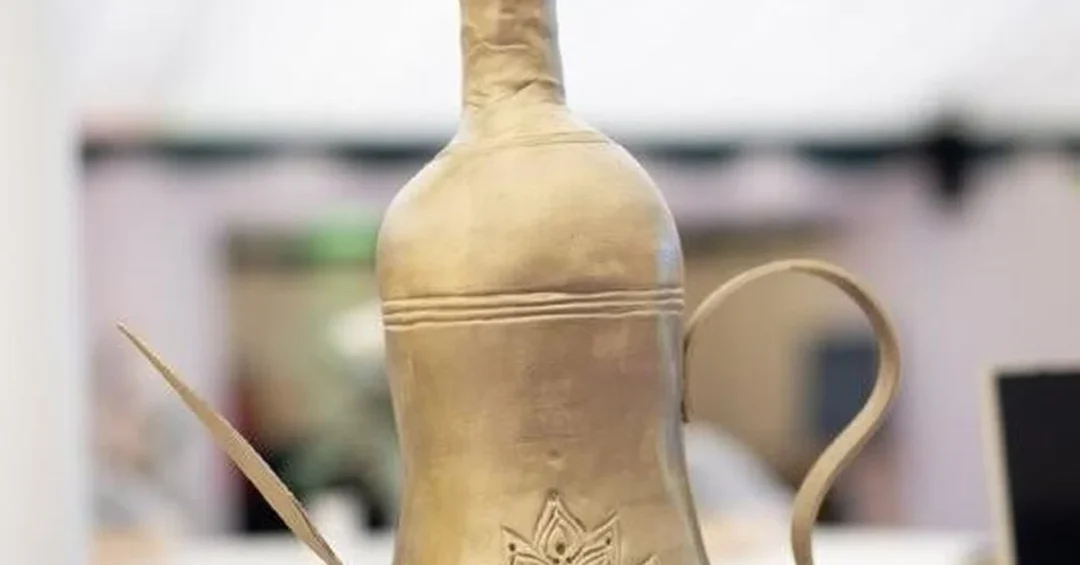
The celebration featured presentations of Saudi culture and heritage, including the traditional Saudi Ardah performance alongside offerings of dates and Saudi coffee, giving guests a direct experience of the Kingdom’s hospitality and traditions. The presence of the RAF’s most senior officer at the embassy reception reflects the breadth of a relationship that now spans defense, trade, energy, education, and culture. It also illustrates how Saudi National Day has become a fixture on London’s diplomatic calendar, drawing a cross-section of British officialdom and the large Saudi community that studies and works in the United Kingdom. For an international audience, the event offers a window into how Riyadh cultivates relationships with its oldest and most consequential Western partners.
Context and Background
How did a National Day reception in London become a gathering of more than 2,000 people and the head of the Royal Air Force? The answer lies in the depth and longevity of Saudi-British relations, which predate the founding of the modern Kingdom. The United Kingdom was among the first states to recognize the Kingdom of Saudi Arabia in the early twentieth century, and the relationship was formalized through a treaty of friendship in 1927. Over the following decades, the two countries built a partnership rooted in mutual strategic interests, particularly in security and energy, that has survived every major shift in the regional and global order.
Defense cooperation has been a central pillar of that partnership. British officers trained and advised Saudi forces during the formative years of the Kingdom’s armed forces, and the two militaries have maintained close ties through joint exercises, training programs, and equipment cooperation. The Royal Saudi Air Force and the Royal Air Force share a history of interoperability that has been tested in successive regional crises. The attendance of Air Chief Marshal Harv Smyth, the professional head of the RAF, therefore carries significance beyond ceremonial diplomacy: it reaffirms a defense relationship that both capitals regard as strategically vital.
The reception also reflects the scale of the Saudi presence in the United Kingdom. Thousands of Saudi students pursue degrees at British universities, and Saudi citizens travel to the UK for tourism, medical treatment, and business. This human dimension gives the bilateral relationship a depth that purely governmental exchanges cannot provide, and it explains why National Day events in London consistently draw such large and diverse crowds.
Key Details
According to the Saudi Press Agency, Prince Abdullah bin Khalid bin Sultan bin Abdulaziz, Saudi Ambassador to the United Kingdom, hosted the reception at the embassy in London to mark Saudi National Day. Among the guests were Air Chief Marshal Harv Smyth, Chief of the Air Staff of the Royal Air Force, along with other senior officials, accredited diplomats, and more than 2,000 Saudi citizens and students. The ambassador’s address emphasized the historical ties between the Kingdom and the United Kingdom and pointed to ongoing cooperation and development across multiple sectors.
Air Chief Marshal Smyth, in his remarks, stressed the depth of bilateral ties and the strategic importance of the Saudi-UK partnership. His presence at the embassy, and his decision to speak publicly about the relationship, signals that defense and security cooperation remains a priority for both governments. The event also included cultural presentations designed to introduce guests to Saudi heritage. The traditional Saudi Ardah, a group performance combining poetry, drumming, and synchronized movement, was staged for the audience, and guests were offered dates and Saudi coffee, two staples of Saudi hospitality.
The combination of official diplomacy and cultural display is a hallmark of Saudi National Day celebrations abroad. By presenting the Ardah alongside formal remarks, the embassy communicated both the modernity of the Saudi state and the continuity of its traditions. The presence of students and citizens alongside diplomats and military officers reinforced the message that the relationship is not confined to government channels but extends to the wider societies of both countries.
International and Regional Impact
What does the attendance of Britain’s air chief at a Saudi National Day event tell us about the wider geopolitical picture? It demonstrates that the Saudi-UK relationship remains a anchor of stability in a region undergoing rapid change. As the Kingdom pursues an ambitious program of economic and social transformation under Vision 2030, its international partnerships are being recalibrated to support new priorities, including defense industrialization, technology transfer, and investment in non-oil sectors. The United Kingdom is positioned as a key partner in several of these areas.
For London, the relationship with Riyadh is equally consequential. The UK seeks reliable energy supplies, investment flows, and security cooperation in the Gulf, and Saudi Arabia is central to all three. British officials have repeatedly described the Kingdom as a strategic partner, and the defense relationship in particular is viewed as a channel for maintaining stability in the Gulf and the broader Middle East. The RAF chief’s presence at the National Day reception is a visible expression of that assessment, and it is likely to be read in both capitals as a signal of continuity.
Regionally, the event underscores Saudi Arabia’s role as a bridge between the Gulf and Europe. The Kingdom hosts a large diplomatic community in Riyadh and maintains active embassies across Europe, and its National Day celebrations have become occasions for reinforcing these networks. The London reception, with its mix of British officials, accredited diplomats, and Saudi citizens, illustrates how the Kingdom uses such moments to project both its heritage and its modernizing agenda to an international audience.
Economic and Strategic Significance
Why should economic observers pay attention to a diplomatic reception? Because the Saudi-UK relationship is underpinned by substantial commercial and investment flows that both governments are actively expanding. British companies are involved in major Saudi projects, from infrastructure and healthcare to education and financial services, while Saudi investment in the UK spans real estate, technology, and energy. The National Day reception provides an informal setting in which these commercial relationships can be reinforced and new contacts made.
The strategic dimension is equally important. Saudi Arabia and the United Kingdom cooperate on counterterrorism, maritime security, and defense procurement. British expertise in aerospace and defense manufacturing is relevant to the Kingdom’s efforts to build a domestic defense industry as part of Vision 2030. The presence of the RAF Chief of the Air Staff at the embassy signals that military-to-military ties remain strong and that both sides see value in deepening them. For Saudi Arabia, such partnerships support the goal of diversifying security relationships while maintaining the highest levels of capability.
The event also highlighted the soft-power dimension of the relationship. Cultural performances such as the Ardah and the serving of dates and Saudi coffee are not merely decorative; they are part of a deliberate effort to present the Kingdom’s heritage to international audiences and to build familiarity and goodwill. In a world where perceptions matter, these gestures complement the harder-edged elements of diplomacy and commerce.
Vision 2030 Alignment
How does a National Day celebration in London connect to Saudi Arabia’s long-term vision? Vision 2030, launched under the leadership of Crown Prince Mohammed bin Salman, aims to diversify the Kingdom’s economy, strengthen its international partnerships, and enhance its global standing. Events such as the embassy reception serve these objectives by reinforcing relationships with key allies, showcasing Saudi culture, and creating opportunities for cooperation in education, tourism, and investment. The large turnout of Saudi students in particular reflects the human capital development that is central to the Vision.
As Saudi Arabia continues its transformation, its network of international partnerships will be a critical asset. The United Kingdom, with its deep historical ties, its defense capabilities, and its financial and educational institutions, is well placed to contribute to Vision 2030 goals. The National Day reception in London, attended by the RAF’s senior officer and more than 2,000 members of the Saudi community, was both a celebration of the past and a statement of intent for the future. It demonstrated that the Saudi-UK partnership is not merely a legacy relationship but a forward-looking alliance that both sides intend to strengthen in the years ahead.
20 Questions
Q1. What event took place at the Saudi Embassy in London?
A1. The Saudi Embassy in London hosted a reception marking Saudi National Day, attended by British Royal Air Force Chief of the Air Staff Air Chief Marshal Harv Smyth, senior officials, diplomats, and over 2,000 Saudi citizens and students.
Q2. Who hosted the Saudi National Day reception in London?
A2. The reception was hosted by Saudi Ambassador to the United Kingdom Prince Abdullah bin Khalid bin Sultan bin Abdulaziz at the embassy in London, according to the Saudi Press Agency.
Q3. Which senior British military official attended the event?
A3. Air Chief Marshal Harv Smyth, Chief of the Air Staff of the Royal Air Force, attended the reception, underscoring the defense dimension of the Saudi-UK relationship.
Q4. What did the Saudi Ambassador say in his address?
A4. Prince Abdullah highlighted the historical ties between Saudi Arabia and the United Kingdom and pointed to ongoing cooperation and development across multiple sectors.
Q5. What did Air Chief Marshal Smyth emphasize?
A5. He emphasized the depth of bilateral ties and the strategic importance of the Saudi-UK partnership, reaffirming the value both countries place on defense cooperation.
Q6. How many people attended the reception?
A6. More than 2,000 Saudi citizens and students attended, along with senior officials and accredited diplomats, making it a large and diverse gathering.
Q7. What cultural presentations were featured at the event?
A7. The celebration featured the traditional Saudi Ardah performance, along with offerings of dates and Saudi coffee, showcasing Saudi heritage and hospitality.
Q8. What is the significance of the Ardah performance?
A8. The Ardah is a traditional Saudi group performance combining poetry, drumming, and synchronized movement, often performed at national celebrations to express unity and cultural pride.
Q9. Why is Saudi National Day celebrated?
A9. Saudi National Day commemorates the unification of the Kingdom of Saudi Arabia and is celebrated annually with events at home and at Saudi diplomatic missions abroad.
Q10. What does the attendance of the RAF chief indicate?
A10. It indicates that defense and security cooperation remains a central pillar of the Saudi-UK relationship and that both sides value high-level military engagement.
Q11. How long have Saudi-UK relations existed?
A11. The relationship dates back to the early twentieth century, with the United Kingdom among the first states to recognize the Kingdom and a treaty of friendship signed in 1927.
Q12. What are the main areas of Saudi-UK cooperation?
A12. Cooperation spans defense, energy, trade, investment, education, healthcare, and culture, reflecting a broad and multifaceted partnership.
Q13. Why are so many Saudi students in the United Kingdom?
A13. The UK hosts thousands of Saudi students at its universities, supported by scholarship programs and the strong educational ties between the two countries.
Q14. How does this event relate to Vision 2030?
A14. It supports Vision 2030 by strengthening international partnerships, promoting Saudi culture, and fostering cooperation in education, investment, and other priority sectors.
Q15. What role does the Saudi embassy in London play?
A15. The embassy manages diplomatic relations, supports Saudi citizens in the UK, and promotes Saudi interests across political, economic, and cultural spheres.
Q16. What message does the event send to the international community?
A16. It signals that Saudi Arabia values its longstanding alliances and is committed to deepening cooperation with key partners like the United Kingdom.
Q17. How does the UK benefit from the relationship with Saudi Arabia?
A17. The UK benefits through energy cooperation, investment flows, defense partnerships, and educational and cultural exchanges with the Kingdom.
Q18. What is the strategic importance of the Saudi-UK partnership?
A18. It contributes to regional stability, supports security cooperation in the Gulf, and provides a framework for economic and diplomatic collaboration.
Q19. What does the serving of dates and Saudi coffee represent?
A19. Dates and Saudi coffee are traditional symbols of Saudi hospitality, offered to guests as a gesture of welcome and cultural sharing.
Q20. What does the future hold for Saudi-UK relations?
A20. Both countries are expected to continue expanding cooperation across defense, trade, education, and culture, in line with Saudi Arabia’s Vision 2030 and shared strategic interests.
Reader Feedback
We value your thoughts. Please share your feedback on this article.
Your feedback helps us improve our coverage.
Related articles
 Prophet’s Mosque Sermon Highlights Faith, Security, Service
 Grand Mosque Imam Emphasizes Resolve, National Unity in Friday Sermon
 Saudi Arabia Calls for Global Action on Water Security at UN
 Saudi Embassy in Beirut Marks National Day
 Makkah Weather Alert Forecasts Moderate Rain
 Czech PM Attends Saudi National Day Event in Prague