


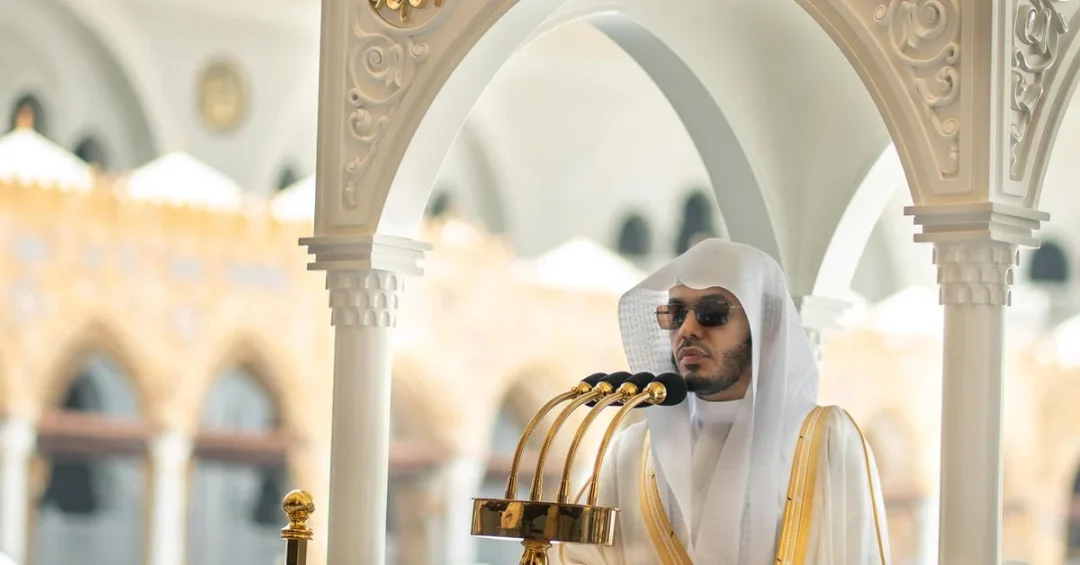
In his Friday sermon delivered at the Grand Mosque in Makkah on September 25, 2026, Sheikh Yasser Al-Dossary, Imam of the Grand Mosque, emphasized that high aspiration and steadfast resolve are the cornerstones of success and prosperity in both religious and worldly life, calling on the faithful to embody the noble character of the prophets and pursue the highest stations while transcending trivialities. The sermon, reported by the Saudi Press Agency (SPA), underscored that civilizational progress and the advancement of nations rely on diligence, perseverance, and a clear sense of purpose, and it commended Saudi Arabia’s balanced model of harmonizing heritage with modern progress under the Kingdom’s ambitious vision.
The address, delivered to a congregation that included residents and visitors from across the Islamic world, framed national unity and responsible citizenship as essential pillars of stability and development. Sheikh Al-Dossary’s remarks highlighted the importance of protecting the Two Holy Mosques and warned that any targeting of these sacred sites constitutes a grave crime requiring collective vigilance. The sermon comes at a time when Saudi Arabia continues to expand its global role through Vision 2030, a comprehensive national transformation program that seeks to diversify the economy, empower citizens, and strengthen the Kingdom’s position as a hub of faith, commerce, and innovation.
Context and Background
What does it mean for a nation to harmonize its deepest traditions with the demands of a rapidly changing world? The Friday sermon at the Grand Mosque, one of the most significant religious platforms in the Islamic world, offered a clear answer: progress is not a departure from heritage but a continuation of it. Sheikh Yasser Al-Dossary, a respected Imam of the Grand Mosque, used the weekly gathering to articulate a vision of development rooted in moral resolve and religious commitment. His words resonate beyond the walls of the mosque, reflecting a broader national conversation about identity, purpose, and the responsibilities of citizenship in an era of unprecedented transformation.
The sermon’s emphasis on high aspiration aligns with a long-standing tradition in Islamic thought that links spiritual devotion with worldly excellence. Sheikh Al-Dossary reminded worshippers that the prophets exemplified the highest aspirations, inspiring individuals to rise above pettiness and pursue meaningful contributions to society. This message carries particular weight in Saudi Arabia, where the leadership has consistently framed Vision 2030 as an extension of the Kingdom’s Islamic values and its role as custodian of the Two Holy Mosques. The initiative, launched in 2016 by Crown Prince Mohammed bin Salman, aims to diversify the economy away from oil, develop public service sectors, and enhance quality of life for citizens and residents alike.
In this context, the Imam’s call for diligence and perseverance is not merely a spiritual exhortation but a practical guide for national advancement. He praised Saudi Arabia’s balanced approach, which respects tradition while embracing modernization, as a model for other nations seeking to navigate the complexities of the twenty-first century. The sermon thus reinforced a narrative that has become central to the Kingdom’s public discourse: that true progress is measured not only in economic indicators but in the moral and social cohesion of society.
Key Details of the Sermon
What specific duties did the Imam outline for the faithful? According to the Saudi Press Agency, Sheikh Al-Dossary defined authentic patriotism as the mastery of one’s work, the strengthening of social solidarity, and the firm rejection of extremism and rumors. He warned that targeting the Two Holy Mosques is a grave crime that demands collective vigilance to protect national security. These points were delivered with clarity and conviction, emphasizing that the safety and sanctity of the holy sites are a shared responsibility that transcends sectarian or regional divides.
The Imam’s remarks on extremism and rumors reflect ongoing efforts by Saudi authorities to promote moderation and combat misinformation. The Kingdom has consistently advocated for a balanced interpretation of Islam that rejects violence and encourages constructive engagement with the modern world. By addressing these issues from the pulpit of the Grand Mosque, Sheikh Al-Dossary reinforced the official stance that national security and religious integrity are intertwined. His call for social solidarity also highlighted the importance of community cohesion, particularly as Saudi Arabia undergoes rapid social and economic changes driven by Vision 2030.
Furthermore, the sermon’s commendation of Saudi Arabia’s model of harmonizing heritage with modern progress serves as a direct endorsement of the country’s development strategy. The Imam noted that civilizational progress depends on steadfast resolve, a theme that echoes the Vision 2030 pillars of a vibrant society, a thriving economy, and an ambitious nation. By linking these temporal goals to spiritual values, he provided a framework that resonates with both devout worshippers and those engaged in the Kingdom’s transformation.
International and Regional Impact
How do the messages delivered in Makkah reverberate across the Islamic world and beyond? The Grand Mosque’s Friday sermons are followed by millions of Muslims globally, and the themes addressed by Sheikh Al-Dossary are likely to influence discussions on unity, moderation, and development in many countries. His emphasis on rejecting extremism and rumors aligns with international efforts to counter radicalization and promote peaceful coexistence. For Saudi Arabia, this messaging reinforces its leadership role in the Muslim world and its commitment to fostering stability and understanding.
Regionally, the sermon’s focus on national unity and the protection of holy sites comes amid ongoing geopolitical tensions. Saudi Arabia has consistently called for dialogue and cooperation to resolve conflicts, and the Imam’s words serve as a reminder of the Kingdom’s dedication to peace and security. By framing the Two Holy Mosques as symbols of unity that must be safeguarded collectively, he underscored the importance of joint responsibility among Muslim nations. This message is particularly relevant as the Kingdom prepares to host major international events and continues to welcome millions of pilgrims annually.
On the global stage, the sermon contributes to Saudi Arabia’s soft power by showcasing a vision of Islam that is forward-looking, tolerant, and compatible with modern governance. It supports the Kingdom’s efforts to attract foreign investment, tourism, and cultural exchange, all of which are central to Vision 2030. The positive reception of such messages can enhance Saudi Arabia’s image as a reliable partner in promoting moderation and countering extremism, thereby strengthening its diplomatic and economic ties worldwide.
Economic and Strategic Significance
What does the call for diligence and perseverance mean for Saudi Arabia’s economic ambitions? The sermon’s emphasis on mastering one’s work and contributing to society directly supports the productivity and innovation goals of Vision 2030. As the Kingdom seeks to diversify its economy, develop new sectors such as tourism and technology, and empower its workforce, the values articulated by Sheikh Al-Dossary provide a moral foundation for these efforts. A motivated, skilled, and cohesive society is essential for achieving the ambitious targets set out in the national transformation plan.
Strategically, the sermon reinforces the stability and security that are prerequisites for economic growth. By condemning extremism and rumors, the Imam highlighted the importance of a secure environment for investment and development. Saudi Arabia has made significant strides in enhancing its business climate, launching giga-projects like NEOM, and expanding the private sector. The collective vigilance he advocated helps protect these gains and ensures that the Kingdom remains an attractive destination for global partners. Moreover, the emphasis on social solidarity supports the inclusive growth that Vision 2030 aims to achieve, ensuring that all segments of society benefit from the nation’s progress.
Vision 2030 Alignment
How does the message of the Grand Mosque Imam align with Saudi Arabia’s long-term vision? At its core, Vision 2030 is about unlocking human potential, fostering a vibrant society, and building a prosperous economy. Sheikh Al-Dossary’s call for high aspiration, mastery of work, and rejection of extremism mirrors these objectives. By encouraging individuals to pursue excellence and contribute to the common good, the sermon supports the vision’s goal of creating a dynamic and forward-looking nation that honors its heritage while embracing the future.
As Saudi Arabia continues its journey of transformation, the guidance offered from the Grand Mosque serves as a reminder that material progress must be accompanied by moral and spiritual strength. The Imam’s words inspire citizens and residents to take ownership of the nation’s development, to protect its sacred institutions, and to uphold the values of moderation and unity. In doing so, they contribute to a legacy that future generations will inherit: a Kingdom that is both deeply rooted in its faith and confidently positioned at the forefront of global progress. The sermon, therefore, is not just a weekly religious address but a call to action that resonates with the very essence of Vision 2030.
20 Questions
Q1. Who delivered the Friday sermon at the Grand Mosque on September 25, 2026?
A1. Sheikh Yasser Al-Dossary, the Imam of the Grand Mosque, delivered the sermon. He is a respected religious leader known for addressing contemporary issues through the lens of Islamic teachings.
Q2. What was the central theme of the sermon?
A2. The central theme was that high aspiration and steadfast resolve are essential for success in both religious and worldly life, urging worshippers to pursue excellence and contribute to national progress.
Q3. How did the Imam describe the path to civilizational progress?
A3. He explained that civilizational progress and the advancement of nations rely on steadfast resolve, diligence, and perseverance, emphasizing that these values are rooted in the example of the prophets.
Q4. What did the Imam say about Saudi Arabia’s development model?
A4. He commended Saudi Arabia’s balanced model of harmonizing heritage with modern progress to achieve prosperity through an ambitious vision, reflecting the Kingdom’s unique approach to development.
Q5. How did the Imam define authentic patriotism?
A5. He defined authentic patriotism as the mastery of work, social solidarity, and the firm rejection of extremism and rumors, framing these as duties of responsible citizenship.
Q6. What warning did the Imam issue regarding the Two Holy Mosques?
A6. He warned that targeting the Two Holy Mosques is a grave crime that requires collective vigilance to protect national security, underscoring the sanctity of these sites.
Q7. Why is the Grand Mosque sermon significant for the Islamic world?
A7. The Grand Mosque is one of the holiest sites in Islam, and its sermons are followed by millions globally, making them influential in shaping religious discourse and promoting moderation.
Q8. How does the sermon reflect Saudi Arabia’s stance on extremism?
A8. The sermon reinforces the Kingdom’s consistent rejection of extremism and rumors, aligning with national efforts to promote moderation and combat radicalization through official religious platforms.
Q9. What role does social solidarity play in the sermon’s message?
A9. Social solidarity is presented as a cornerstone of national strength, encouraging community cohesion and mutual support as essential for achieving the goals of Vision 2030.
Q10. How does the sermon connect to Vision 2030?
A10. The sermon’s emphasis on diligence, mastery of work, and high aspiration directly supports Vision 2030’s objectives of building a vibrant society and a thriving economy.
Q11. What does the Imam say about the character of the prophets?
A11. He stated that the prophets exemplified noble character and high aspiration, inspiring individuals to pursue the highest stations and transcend trivialities in their daily lives.
Q12. How might this sermon impact regional stability?
A12. By promoting unity, moderation, and the protection of holy sites, the sermon contributes to regional stability and reinforces Saudi Arabia’s role as a stabilizing force in the Middle East.
Q13. What is the significance of the sermon’s timing?
A13. The sermon comes as Saudi Arabia accelerates its Vision 2030 transformation, making it a timely reminder of the values needed to sustain national progress and social harmony.
Q14. How does the sermon address the issue of rumors?
A14. The Imam warned against rumors, urging the faithful to reject misinformation and rely on verified sources, which supports national security and social cohesion.
Q15. What message does the sermon send to international audiences?
A15. It presents a positive image of Islam that is tolerant, forward-looking, and compatible with modern development, enhancing Saudi Arabia’s global soft power and diplomatic ties.
Q16. How does the sermon encourage economic productivity?
A16. By calling for mastery of work and diligence, the sermon motivates individuals to contribute to economic growth, which is essential for achieving Vision 2030’s diversification goals.
Q17. What does the Imam say about the protection of national security?
A17. He emphasized that protecting national security is a collective responsibility, particularly regarding the Two Holy Mosques, and requires vigilance from all members of society.
Q18. How does the sermon promote moderation in religious practice?
A18. The sermon advocates for a balanced approach that rejects extremism and encourages constructive engagement with the modern world, reflecting Saudi Arabia’s official stance on moderate Islam.
Q19. What impact might the sermon have on pilgrims and visitors?
A19. Pilgrims and visitors who hear the sermon may be inspired to embrace its message of unity and diligence, fostering a positive experience and strengthening their connection to the Kingdom.
Q20. How does the sermon support Saudi Arabia’s global role?
A20. By articulating values of peace, moderation, and progress, the sermon reinforces Saudi Arabia’s leadership in the Islamic world and its commitment to global cooperation and understanding.
Reader Feedback
We value your thoughts. Please share your feedback on this article.
Your feedback helps us improve our coverage.
Related articles
 Saudi Arabia Calls for Global Action on Water Security at UN
 Saudi Embassy in Beirut Marks National Day
 Makkah Weather Alert Forecasts Moderate Rain
 Czech PM Attends Saudi National Day Event in Prague
 Moderate Rain Forecast in Makkah: Official Alert Issued
 KSrelief hosts New York panel on humanitarian action