


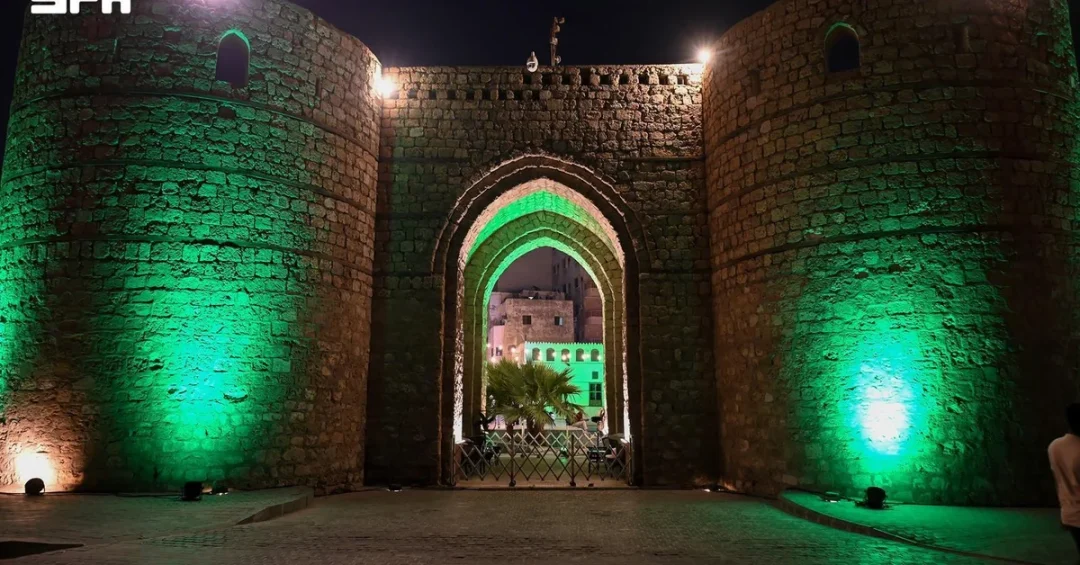
Historic Jeddah, the UNESCO World Heritage site on the Red Sea coast, marked Saudi National Day 2026 with a nine-day programme of cultural, artistic, and heritage events running from September 19 to September 26, according to the Saudi Press Agency (SPA). The celebrations, staged across the alleyways, museums, and historic houses of Al-Balad, brought together residents, visitors, and cultural institutions for a vivid expression of national pride rooted in the Kingdom’s deep history. From live music at the Red Sea Museum to craft workshops at Zawiya 97 and a heritage gathering at Diyab Coffee, the programme demonstrated how Saudi Arabia’s cultural inheritance is being activated as a living, contemporary experience.
Why does a district of coral-stone houses and ancient merchant lanes matter so much to a nation racing toward a technology-driven, diversified future? The answer lies in the way Historic Jeddah functions as both memory and momentum for the Kingdom. Saudi National Day commemorates the unification of the nation in 1932, and each year it offers a moment to reflect on how far the country has come. In 2026, that reflection is inseparable from Vision 2030, the national transformation programme that places culture, heritage, and tourism at the heart of economic and social renewal. Al-Balad, as the historic district is affectionately known, is one of the clearest examples of that connection, and this year’s celebrations underscored it.
Context and Background
What makes Historic Jeddah such a fitting stage for the national day? Al-Balad was inscribed on the UNESCO World Heritage List in 2014, recognised as an outstanding testimony to the Red Sea trading culture that linked the Arabian Peninsula to Africa, Asia, and the wider Islamic world. Its multi-storey coral-block houses, wooden rawashin balconies, and labyrinthine souqs date back centuries, and the district served as the gateway for pilgrims arriving by sea for the Hajj. Preserving and revitalising this area has become a priority for Saudi cultural authorities, who view it as an anchor of national identity in an era of rapid modernisation.
The 2026 National Day programme in Historic Jeddah reflects a broader pattern across the Kingdom. Each year, the Saudi Press Agency reports on celebrations in cities from Riyadh to Abha, but Al-Balad’s offering stands out for its density of cultural programming and its emphasis on participatory experiences. Rather than passive displays, the events invite visitors to engage directly with Saudi traditions — brewing coffee, shaping handicrafts, listening to folk music, and walking the same lanes that once carried merchants and pilgrims. This participatory approach mirrors the Vision 2030 ambition to transform heritage sites from static monuments into dynamic destinations that support local economies and community pride.
The timing is also significant. Saudi National Day falls on September 23, and the surrounding days have become a peak period for domestic tourism and cultural activity. With the Kingdom’s tourism sector expanding rapidly and international visitor numbers rising, events like those in Historic Jeddah serve a dual purpose: they celebrate the nation for its citizens while introducing its heritage to a global audience. For a country positioning itself as a cultural crossroads between East and West, that combination is strategic as much as it is festive.
Key Details of the Celebrations
What exactly did visitors experience during the nine-day programme? According to the Saudi Press Agency, the Red Sea Museum hosted live musical performances and cultural workshops, creating an evening atmosphere that blended contemporary staging with traditional sounds. The museum, housed in a restored historic building, has become a cultural landmark in its own right, and its National Day programming drew families and young people eager to experience Saudi music in an intimate, heritage setting. The performances were complemented by workshops that offered hands-on introductions to Saudi artistic traditions, from calligraphy to traditional crafts.
At Zawiya 97, a creative hub in the heart of Al-Balad, the focus shifted to interactive activities and craft workshops. Visitors could participate in making traditional items, learning techniques passed down through generations, and engaging with local artisans. This format reflects a growing emphasis in Saudi cultural policy on experiential learning — allowing heritage to be touched, made, and carried home rather than merely observed. The venue itself has become a gathering point for Jeddah’s creative community, and its National Day programme reinforced its role as a bridge between tradition and contemporary expression.
A heritage celebration at Diyab Coffee added a distinctly sensory dimension to the festivities. Folk performances animated the gathering, while Saudi coffee and dates were served to visitors, embodying the hospitality that has long defined the Kingdom’s social culture. Saudi coffee, recently recognised by UNESCO for its cultural significance, is more than a beverage; it is a symbol of generosity and welcome. Serving it alongside dates in a historic setting connected visitors to rituals that have shaped Saudi daily life for centuries, and the folk performances gave the occasion a celebratory, communal rhythm.
Across Historic Jeddah, the programme unfolded against the backdrop of the district’s ongoing revitalisation. Restoration projects have brought many of Al-Balad’s historic houses back to life, and new cultural venues, restaurants, and galleries have opened in recent years. The National Day events thus took place in a neighbourhood that is itself a work in progress — a living laboratory for how Saudi Arabia is balancing preservation with development. For visitors, the experience was both a celebration and a demonstration of what Vision 2030 means in practice at the street level.
International and Regional Impact
How does a local heritage festival in Jeddah resonate beyond Saudi borders? Historic Jeddah’s status as a UNESCO World Heritage site gives its cultural programming an international audience and significance. Events that showcase Saudi music, crafts, and hospitality contribute to the Kingdom’s soft power, presenting a nuanced image of a country undergoing profound social and economic change. For international visitors and media, the celebrations offer a window into Saudi culture that is rooted in place and history, complementing the high-profile mega-projects that often dominate global coverage of the Kingdom.
Regionally, the programme reinforces Jeddah’s role as a cultural gateway on the Red Sea. The city has long been a meeting point for travellers, traders, and pilgrims, and its historic district embodies that cosmopolitan heritage. By activating Al-Balad during National Day, Saudi Arabia signals that its cultural diplomacy is not confined to museums and conferences but extends to living neighbourhoods where visitors can participate directly. This approach aligns with broader regional trends, as Gulf states invest in heritage tourism as a pillar of economic diversification and international engagement.
The international dimension is also economic. Cultural events draw visitors who spend on hospitality, retail, and transport, supporting local businesses and creating opportunities for artisans and performers. As Saudi Arabia targets tens of millions of international visits annually, experiences like those in Historic Jeddah help build the reputation for authentic, high-quality cultural tourism that the Kingdom seeks. The presence of international visitors at National Day events, even in modest numbers, contributes to word-of-mouth promotion and media coverage that no advertising campaign can replicate.
Economic and Strategic Significance
What economic value does heritage programming generate, and why does it matter for Saudi Arabia’s future? Cultural tourism is a growing segment of the global travel market, and Saudi Arabia is positioning itself to capture a significant share. Historic Jeddah’s events support a ecosystem of small businesses — coffee shops, craft workshops, tour operators, and restaurants — that employ local residents and sustain the district’s revival. Each visitor who buys a handmade item or books a guided walk contributes to the economic case for preservation, turning heritage from a cost centre into a driver of opportunity.
Strategically, the celebrations demonstrate the integration of culture into national development planning. The Saudi Ministry of Culture, established in 2018, has pursued a comprehensive agenda that includes heritage preservation, support for artists, and the expansion of cultural infrastructure. National Day events in Al-Balad are a visible outcome of that agenda, showing how government policy translates into public experience. They also complement the work of the Royal Commission for AlUla and other heritage authorities, creating a network of cultural destinations across the Kingdom that collectively strengthen the tourism offer.
For Jeddah specifically, the revitalisation of Historic Jeddah is part of a wider urban transformation. The Jeddah Central Project and other initiatives are reshaping the city’s waterfront and public spaces, while preservation efforts ensure that the old town remains a living part of the urban fabric. National Day programming helps maintain public attention on Al-Balad throughout the year, building the visitor base that will sustain its businesses and cultural institutions over the long term. In this sense, the celebrations are not an isolated festivity but a component of a sustained development strategy.
Vision 2030 Alignment
How does a National Day festival in a historic district connect to the grand ambitions of Vision 2030? The Vision’s cultural and tourism goals include preserving national heritage, enriching quality of life, and attracting international visitors. Historic Jeddah’s programme advances all three. It preserves heritage by keeping traditional crafts, music, and hospitality alive in their original setting. It enriches quality of life by offering residents and visitors meaningful cultural experiences. And it attracts visitors by presenting a destination that is both authentic and accessible, with world-class programming in a UNESCO-listed environment.
Moreover, the participatory nature of the events reflects Vision 2030’s emphasis on community engagement and youth empowerment. Young Saudis were among the performers, artisans, and organisers, gaining experience and income while connecting with their heritage. Women participated actively in cultural programming, consistent with the Vision’s goal of expanding opportunities for all citizens. By involving the community in the celebration, the events strengthen social cohesion and national pride — outcomes that are as important to the Vision’s success as any economic metric.
As Saudi Arabia continues its transformation, Historic Jeddah will remain a symbol of continuity amid change. The 2026 National Day celebrations demonstrated that the Kingdom’s future is being built not on the erasure of its past but on its revitalisation. For international observers, the message is clear: Saudi Arabia is a country that honours its history while embracing modernity, and its cultural heritage is open to the world. The events in Al-Balad were a celebration of nationhood, but they were also an invitation — to visit, to learn, and to experience the living culture of a Kingdom moving confidently into a new era.
20 Questions
Q1. What was the occasion celebrated in Historic Jeddah in September 2026?
A1. Historic Jeddah marked Saudi National Day 2026 with cultural, artistic, and heritage events from September 19 to September 26, celebrating the unification of the Kingdom in 1932.
Q2. Where did the National Day events in Historic Jeddah take place?
A2. Events were held across the UNESCO World Heritage site of Historic Jeddah, including the Red Sea Museum, Zawiya 97, and Diyab Coffee, according to the Saudi Press Agency.
Q3. What activities were offered at the Red Sea Museum?
A3. The Red Sea Museum hosted live music performances and cultural workshops, giving visitors an immersive experience of Saudi artistic traditions in a restored historic setting.
Q4. What could visitors do at Zawiya 97 during the celebrations?
A4. Zawiya 97 offered interactive activities and craft workshops where visitors could learn traditional techniques and engage directly with local artisans and creators.
Q5. What happened at Diyab Coffee during the National Day programme?
A5. Diyab Coffee hosted a heritage celebration featuring folk performances, with Saudi coffee and dates served to visitors as a gesture of traditional hospitality.
Q6. Why is Historic Jeddah significant as a UNESCO World Heritage site?
A6. Inscribed in 2014, Historic Jeddah is recognised for its coral-stone architecture and role as a Red Sea trading hub and gateway for pilgrims arriving by sea.
Q7. How long did the National Day celebrations in Historic Jeddah last?
A7. The programme ran for nine days, from September 19 to September 26, 2026, extending beyond the official National Day on September 23.
Q8. What is the significance of Saudi coffee in the celebrations?
A8. Saudi coffee is a symbol of generosity and welcome in Saudi culture, and serving it with dates connected visitors to longstanding traditions of hospitality.
Q9. How do the events reflect Vision 2030?
A9. The events align with Vision 2030 by preserving heritage, enriching quality of life, attracting visitors, and supporting local businesses and cultural tourism.
Q10. Who reported on the Historic Jeddah National Day events?
A10. The Saudi Press Agency (SPA) reported on the celebrations, detailing the venues, activities, and dates of the nine-day programme.
Q11. What role does heritage play in Saudi Arabia’s tourism strategy?
A11. Heritage sites like Historic Jeddah are central to Saudi tourism strategy, offering authentic cultural experiences that attract international visitors and support economic diversification.
Q12. How does the revitalisation of Al-Balad support local communities?
A12. Restoration and cultural programming create opportunities for artisans, performers, and small businesses, generating income and sustaining the district’s revival.
Q13. What types of performances were featured in the celebrations?
A13. Live music at the Red Sea Museum and folk performances at Diyab Coffee were among the highlights, showcasing Saudi musical and performance traditions.
Q14. Why is Jeddah considered a cultural gateway for Saudi Arabia?
A14. Jeddah has historically been a meeting point for traders and pilgrims, and its historic district embodies the cosmopolitan heritage that defines the city.
Q15. How do the events engage young Saudis?
A15. Young Saudis participated as performers, artisans, and organisers, gaining experience and income while connecting with their cultural heritage.
Q16. What is the significance of holding events in a UNESCO World Heritage site?
A16. It highlights Saudi Arabia’s commitment to preserving global heritage while presenting it as a living, accessible destination for visitors.
Q17. How do the celebrations support Saudi Arabia’s soft power?
A17. By showcasing Saudi music, crafts, and hospitality, the events present a nuanced, positive image of the Kingdom to international audiences and media.
Q18. What economic benefits do cultural festivals bring to Jeddah?
A18. They boost hospitality, retail, and transport spending, support local employment, and strengthen the case for continued heritage preservation investment.
Q19. How does the Ministry of Culture support such events?
A19. The Ministry of Culture, established in 2018, advances heritage preservation and cultural programming that enables events like those in Historic Jeddah.
Q20. What message do the Historic Jeddah celebrations send internationally?
A20. They show that Saudi Arabia honours its history while embracing modernity, and that its cultural heritage is open and welcoming to the world.
Reader Feedback
We value your thoughts. Please share your feedback on this article.
Your feedback helps us improve our coverage.
Related articles
 Ithra hosts 36 events for Saudi National Day
 Ithra Continues Saudi National Day Events in Dhahran
 Zawiya 97 Marks Saudi National Day with Craft in Jeddah
 Saudi Children in Cairo Celebrate National Day with Pride
 Al-Ahsa artists create Vision 2030 mural for National Day
 Al-Qura Governorate Celebrates Saudi National Day with Pride