


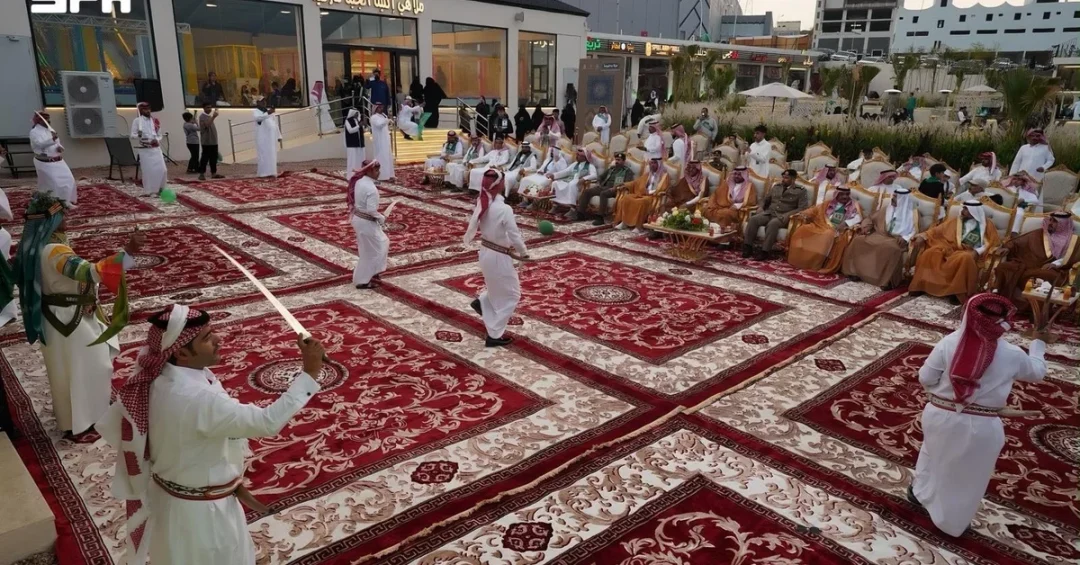
Al-Qura Governorate in the Al-Baha Region hosted a vibrant Saudi National Day celebration on September 23, 2026, bringing together residents, officials, and families for an evening of patriotic expression and cultural heritage, as reported by the Saudi Press Agency (SPA). The event, held under the patronage of local authorities, featured a diverse program of national activities that underscored pride, belonging, and the enduring unity of the Kingdom. According to the official SPA dispatch, the celebration included patriotic speeches, poetry recitations, entertainment shows for children, an operetta, and traditional folk performances that highlighted the richness and authenticity of Saudi cultural heritage. The gathering in Al-Qura is one of thousands of similar events held across the Kingdom each year to mark the unification of Saudi Arabia by King Abdulaziz Al Saud in 1932.
Why does a local celebration in a governorate like Al-Qura matter on the national stage? Because Saudi National Day is more than a historical commemoration; it is a nationwide expression of identity, resilience, and shared purpose. In Al-Baha, a region known for its mountainous terrain, agricultural heritage, and distinct folk traditions, the festivities took on a character that reflected both local pride and national unity. The SPA report noted that the program was designed to engage all age groups, from children enjoying entertainment shows to adults participating in poetry and operetta performances. Such events are organized annually by provincial authorities in coordination with the Ministry of Culture and the Ministry of Media, ensuring that National Day is celebrated with equal enthusiasm in major cities and remote governorates alike.
Context and Background
What is the historical significance of Saudi National Day, and how has it evolved over the decades? Saudi National Day, observed on September 23 each year, commemorates the royal decree issued by King Abdulaziz Al Saud in 1932 that renamed the Kingdom of Hejaz and Nejd to the Kingdom of Saudi Arabia. Since then, the occasion has grown from a formal state commemoration into a nationwide festival that showcases the country’s progress, cultural diversity, and social cohesion. Under the leadership of the Custodian of the Two Holy Mosques, King Salman bin Abdulaziz Al Saud, and His Royal Highness Crown Prince Mohammed bin Salman, National Day has increasingly become a platform to highlight the achievements of Vision 2030, the ambitious national transformation plan launched in 2016.
Al-Qura Governorate, located in the Al-Baha Region of southwestern Saudi Arabia, is home to a population that takes great pride in its cultural roots. The region is renowned for its traditional architecture, agricultural terraces, and folk arts such as the “Al-Ardha” sword dance and distinctive poetic traditions. The SPA report emphasized that the celebration featured “patriotic speeches, poetry recitations, entertainment shows for children, an operetta, and traditional folk performances,” all of which are staples of Saudi National Day festivities. These elements are not merely entertainment; they serve as a bridge between generations, transmitting values of loyalty, heritage, and national belonging to younger Saudis who are growing up in a rapidly modernizing society.
How does a governorate-level celebration connect to the broader national narrative? The answer lies in the decentralized nature of Saudi Arabia’s cultural policy. The Ministry of Culture, established in 2018 as part of Vision 2030 reforms, has actively supported regional cultural initiatives through its various commissions, including the Music Commission, the Theater and Performing Arts Commission, and the Heritage Commission. National Day events in governorates like Al-Qura receive logistical and promotional support from these bodies, ensuring that even smaller communities can participate in the national conversation. This approach aligns with the Vision 2030 goal of fostering a vibrant society where citizens feel connected to their heritage while embracing the future.
Key Details of the Celebration
What exactly took place at the Al-Qura National Day event? According to the Saudi Press Agency, the celebration program was multifaceted. It began with patriotic speeches delivered by local officials, who highlighted the Kingdom’s achievements under its leadership and the importance of national unity. Poetry recitations followed, featuring both classical and contemporary works that celebrated Saudi history and the beauty of the Al-Baha region. An operetta, a short musical drama, was performed, likely blending traditional melodies with modern theatrical elements. Children were treated to entertainment shows, ensuring that the youngest attendees felt included in the festivities. Traditional folk performances, possibly including the Al-Ardha dance and regional songs, rounded off the evening, showcasing the authenticity of Saudi cultural heritage.
The event was held in a communal setting, likely a public square or community center in Al-Qura, and was attended by a cross-section of society, including families, youth, and local dignitaries. The SPA report did not specify the exact venue or the number of attendees, but such celebrations typically draw hundreds of residents in governorates of this size. The presence of children’s entertainment underscores the family-friendly nature of Saudi National Day, which has become a time for community bonding and outdoor gatherings. The operetta and folk performances reflect a deliberate effort to balance entertainment with cultural education, a priority for the Ministry of Culture as it seeks to preserve intangible heritage while promoting contemporary artistic expression.
Why include poetry and operetta in a National Day program? Poetry holds a special place in Saudi and broader Arab culture, serving as a medium for expressing patriotism, wisdom, and social commentary. In Al-Baha, a region with a strong poetic tradition, recitations would have resonated deeply with the audience. The operetta, a more elaborate performance, combines music, song, and dialogue to tell a story—often one with nationalistic themes. By including both, the organizers catered to diverse tastes while reinforcing the narrative of a unified Kingdom proud of its past and confident in its future. The Ministry of Media, which oversees the Saudi Press Agency, encourages such coverage to project a positive image of the Kingdom’s social and cultural vitality.
International and Regional Impact
How do international observers perceive Saudi National Day celebrations in regional governorates? For foreign audiences, these events offer a window into the social fabric of Saudi Arabia beyond the headlines of economic reforms and geopolitical shifts. The SPA report, distributed in English and Arabic, helps international media and analysts understand that national pride is not confined to Riyadh or Jeddah but is felt in every corner of the Kingdom. This grassroots enthusiasm can enhance Saudi Arabia’s soft power, presenting a country that is unified, culturally rich, and forward-looking. It also counters stereotypes by showing modern Saudis—especially youth and children—participating in joyful, community-oriented activities that are universal in their appeal.
Regionally, the celebration in Al-Qura reinforces the Kingdom’s role as a stabilizing and culturally influential force in the Middle East. By investing in local festivities, Saudi Arabia demonstrates that its Vision 2030 reforms are inclusive, reaching remote areas and not just urban centers. This is particularly important as the Kingdom positions itself as a global tourism destination; potential visitors from around the world are drawn to authentic cultural experiences, and events like the one in Al-Baha highlight the depth of Saudi heritage. Neighboring Gulf countries often observe Saudi National Day with interest, recognizing the Kingdom’s leadership in regional affairs and its ability to maintain social cohesion amid rapid change.
Economic and Strategic Significance
What economic and strategic value do National Day celebrations bring to governorates like Al-Qura? While the primary purpose is cultural and social, these events also have economic spillover effects. Local businesses, from food vendors to handicraft sellers, often see increased activity during National Day festivities. The influx of visitors to public celebrations can boost small enterprises and stimulate demand for local products. In Al-Baha, known for its honey, fruits, and traditional crafts, such events provide a platform for artisans to showcase their wares. The Ministry of Tourism has encouraged the development of regional festivals as part of its strategy to diversify the economy and create jobs, aligning with Vision 2030’s goal of increasing domestic tourism and non-oil revenue.
Strategically, National Day celebrations serve to strengthen the social contract between the state and its citizens. By sponsoring and covering events in governorates, the government signals its commitment to all regions, not just the major metropolitan areas. This is crucial for maintaining national unity and stability, especially as the Kingdom undergoes profound economic and social transformations. The participation of children and youth is particularly significant, as it helps cultivate a generation that is both proud of its heritage and open to the opportunities of a modern, diversified economy. The SPA’s coverage of the Al-Qura event is part of a broader media strategy to document and promote these grassroots expressions of loyalty and joy.
Vision 2030 Alignment
How does the Al-Qura National Day celebration align with Vision 2030? One of the core pillars of Vision 2030 is a “Vibrant Society,” which aims to strengthen national identity, promote cultural and recreational activities, and improve the quality of life for all citizens. Events like the one in Al-Qura directly contribute to this pillar by providing entertainment, fostering community bonds, and celebrating Saudi heritage. The Ministry of Culture’s support for regional festivals is a key mechanism for achieving these goals, ensuring that cultural programming is not limited to major cities. The operetta and folk performances, in particular, reflect the Vision’s emphasis on preserving and promoting Saudi arts and traditions.
Furthermore, the celebration underscores the Vision’s focus on youth and families. By including children’s entertainment and family-oriented activities, the event nurtures a sense of belonging among the next generation. This is essential for the long-term success of Vision 2030, which relies on a motivated, educated, and patriotic populace to drive economic diversification and social progress. As Saudi Arabia continues its journey toward a brighter future, local celebrations like Al-Qura’s serve as reminders that national transformation is a collective endeavor, rooted in the shared values of pride, unity, and hope. The Kingdom’s leadership has consistently emphasized that development must be inclusive, and the joyful scenes in Al-Baha are a testament to that vision in action.
20 Questions
Q1. What event did Al-Qura Governorate celebrate on September 23, 2026?
A1. Al-Qura Governorate in the Al-Baha Region celebrated Saudi National Day with a variety of national events, as reported by the Saudi Press Agency. The celebration reflected pride and belonging among residents.
Q2. Where is Al-Qura Governorate located?
A2. Al-Qura Governorate is located in the Al-Baha Region of southwestern Saudi Arabia. The region is known for its mountainous terrain, agricultural heritage, and distinct cultural traditions.
Q3. What activities were part of the celebration program?
A3. The program included patriotic speeches, poetry recitations, entertainment shows for children, an operetta, and traditional folk performances highlighting the richness of Saudi cultural heritage.
Q4. Who reported on the Al-Qura National Day celebration?
A4. The Saudi Press Agency (SPA), the Kingdom’s official news agency, reported on the event. SPA is overseen by the Ministry of Media and serves as a primary source for official Saudi news.
Q5. Why is Saudi National Day celebrated on September 23?
A5. Saudi National Day commemorates the 1932 royal decree by King Abdulaziz Al Saud that unified the Kingdom of Hejaz and Nejd into the Kingdom of Saudi Arabia. It is a day of national pride.
Q6. How do local celebrations like Al-Qura’s reflect national unity?
A6. They demonstrate that national pride is shared across all regions, from major cities to remote governorates. Such events reinforce social cohesion and a collective identity under Saudi leadership.
Q7. What role does the Ministry of Culture play in regional National Day events?
A7. The Ministry of Culture supports regional cultural initiatives through its commissions, ensuring that governorates like Al-Qura can host authentic performances and artistic expressions that align with Vision 2030 goals.
Q8. What is the significance of poetry recitations in Saudi culture?
A8. Poetry is a cherished art form in Saudi Arabia, used to express patriotism, wisdom, and social commentary. Recitations at National Day events connect audiences with their literary heritage.
Q9. What is an operetta, and why was it included?
A9. An operetta is a short musical drama combining songs and dialogue. It was included to entertain and educate, often telling stories with nationalistic themes that resonate with diverse audiences.
Q10. How do children’s entertainment shows contribute to National Day?
A10. They engage young Saudis in the festivities, fostering a sense of belonging and national identity from an early age. This supports Vision 2030’s focus on youth and family welfare.
Q11. What are traditional folk performances in Saudi Arabia?
A11. They include dances like the Al-Ardha sword dance, regional songs, and other heritage arts. These performances showcase the authenticity and diversity of Saudi cultural traditions.
Q12. How does Al-Baha Region contribute to Saudi cultural heritage?
A12. Al-Baha is known for its traditional architecture, agricultural terraces, and folk arts. Its unique cultural expressions enrich the Kingdom’s national tapestry and attract tourism.
Q13. What economic benefits can National Day celebrations bring to local communities?
A13. They stimulate local businesses, from food vendors to handicraft sellers, and boost domestic tourism. This aligns with Vision 2030’s goal of diversifying revenue sources.
Q14. How does the SPA coverage of such events support Saudi media strategy?
A14. SPA’s reporting projects a positive image of the Kingdom’s social and cultural vitality, providing official information to international audiences and reinforcing national narratives.
Q15. In what ways does National Day align with Vision 2030’s Vibrant Society pillar?
A15. It promotes national identity, cultural activities, and quality of life. These are core objectives of the Vibrant Society pillar, which seeks to strengthen community bonds and heritage.
Q16. How do National Day events in governorates support social stability?
A16. By including all regions, the government signals its commitment to equitable development. This fosters trust and unity, which are essential for stability during rapid transformation.
Q17. What message does the Al-Qura celebration send to international observers?
A17. It shows that Saudi Arabia is a unified, culturally rich nation where citizens celebrate their heritage with joy. This enhances the Kingdom’s soft power and global image.
Q18. How can foreign tourists experience similar cultural events in Saudi Arabia?
A18. Tourists can visit during National Day or other festivals. The Ministry of Tourism promotes regional events, and visa reforms have made it easier to attend such celebrations.
Q19. What is the role of local officials in organizing National Day celebrations?
A19. Local officials coordinate with ministries to plan and host events. They deliver patriotic speeches and ensure the program reflects both local and national values.
Q20. How does the Al-Qura celebration reflect Saudi Arabia’s forward-looking vision?
A20. It combines heritage with modern entertainment, engages youth, and showcases unity. These elements embody Vision 2030’s ambition for a prosperous, vibrant, and inclusive society.
Reader Feedback
We value your thoughts. Please share your feedback on this article.
Your feedback helps us improve our coverage.
Related articles
 Visual Artists Mark Saudi National Day with Vision 2030 Mural in Al-Ahsa
 AlUla celebrates Saudi National Day with cultural events
 AlUla Celebrates Saudi National Day with Culture and Heritage
 Prophet’s Biography Museum Makkah hosts National Day events
 Makkah Prophet’s Biography Museum Marks National Day
 Khairat Al-Baha Festival concludes fifth edition