


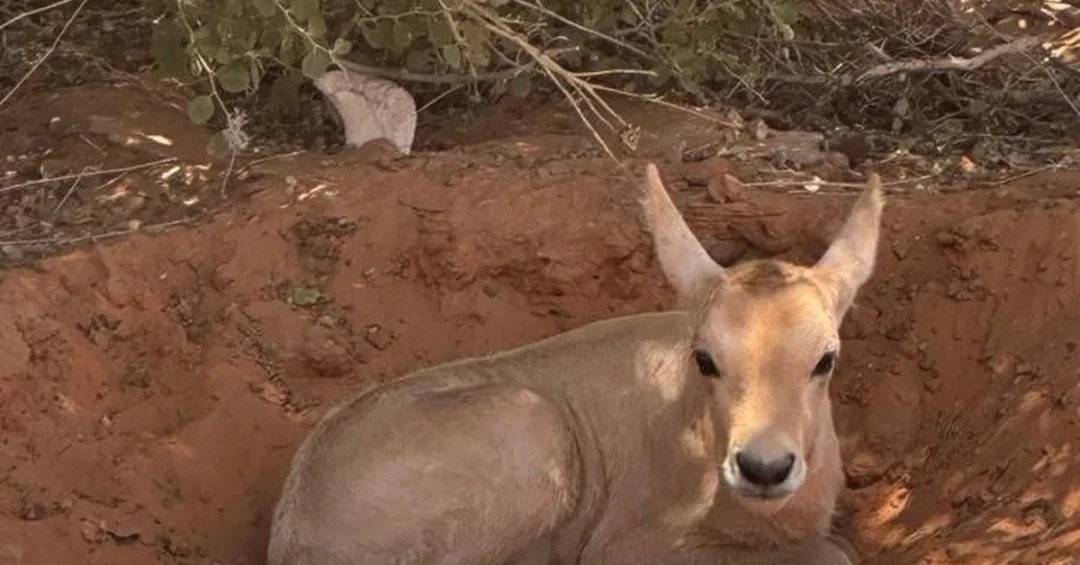
The Imam Turki bin Abdullah Royal Nature Reserve Development Authority has documented a young Arabian oryx resting in the shade of acacia trees within the reserve, in a scene that underscores the quality of its natural habitats, the stability of its wildlife, and the safe environment supporting the survival and reproduction of native species. The observation, announced through official Saudi channels, offers a rare and encouraging glimpse into the reserve’s ecological recovery and the effectiveness of long-term conservation programs in one of the Kingdom’s most significant protected areas.
How often does a single image tell the story of an entire ecosystem’s recovery? In this case, the image of a young oryx seeking shelter beneath the acacia canopy speaks volumes about the reserve’s environmental health. The Imam Turki bin Abdullah Royal Nature Reserve, located in the Northern Borders region near Rafha, has become a national model for environmental conservation, integrating habitat protection, vegetation expansion, and continuous field monitoring. The authority’s documentation of this young animal is not merely a wildlife sighting; it is a measurable indicator that conservation policies are yielding tangible results, and that native species are finding the conditions they need to thrive and reproduce in their natural surroundings.
Context and Background
What makes the Imam Turki bin Abdullah Royal Nature Reserve so important to Saudi Arabia’s environmental future? Established by royal decree, the reserve spans approximately 91,500 square kilometers, making it one of the largest protected areas in the Kingdom. It forms a critical part of Saudi Arabia’s national network of reserves, which aim to preserve the country’s unique biodiversity and restore ecosystems that have been degraded by decades of overgrazing, drought, and human activity. The reserve’s name honors Imam Turki bin Abdullah, a historic leader whose legacy is intertwined with the unification and development of the Saudi state, lending the reserve a symbolic weight that extends beyond its ecological role.
The Arabian oryx, once extinct in the wild in Saudi Arabia, has been the focus of intensive reintroduction efforts. The species was brought back from the brink through captive breeding programs and carefully managed releases into protected habitats. The presence of a young oryx in the reserve is therefore a direct outcome of these efforts, signaling that the reintroduced population is not only surviving but reproducing. Acacia trees, which dominate the reserve’s landscape, are central to this success. They provide shade, food, and shelter for numerous native species, and their deep root systems help stabilize the desert soil, supporting the broader ecological web that sustains wildlife.
The authority’s approach is comprehensive. It includes protecting natural habitats, expanding vegetation cover, strengthening compliance with environmental regulations, and carrying out continuous field monitoring and observation. These efforts align with environmental sustainability goals and contribute to restoring the reserve’s natural ecological balance. The documentation of the young oryx is a testament to the integration of these strategies and a reminder that conservation is a long-term commitment requiring patience, resources, and scientific rigor.
Key Details
What exactly did the authority observe, and why does it matter? According to the Imam Turki bin Abdullah Royal Nature Reserve Development Authority, the young Arabian oryx was seen resting in the shade of acacia trees within the reserve. The authority noted that acacia trees are among the reserve’s most important environmental components, providing shade, food, and shelter for numerous native species. The trees also play a vital role in supporting biodiversity and maintaining the stability of desert ecosystems, enhancing the ability of wildlife to adapt and reproduce in their natural habitats.
The authority emphasized that the appearance of young Arabian oryx in their natural habitat is a positive indicator of the success of ongoing efforts to protect natural habitats, enhance vegetation cover, and reduce practices that affect ecological balance. These efforts help provide suitable conditions for the stability and sustainability of wildlife. The observation reflects the authority’s ongoing efforts to conserve natural resources, protect biodiversity, and highlight the reserve’s environmental significance.
Field monitoring and observation are central to the authority’s work. Rangers and conservation teams track wildlife populations, monitor vegetation health, and enforce regulations against illegal grazing and hunting. This continuous presence ensures that threats are identified and addressed promptly, and that data is collected to inform adaptive management strategies. The documentation of the young oryx is a direct result of this vigilance, demonstrating that the reserve’s protection measures are working as intended.
International and Regional Impact
How does a single wildlife sighting in northern Saudi Arabia resonate beyond the Kingdom’s borders? The Imam Turki bin Abdullah Royal Nature Reserve is part of a broader regional effort to conserve desert ecosystems and migratory species. The Arabian oryx is a flagship species for conservation in the Arabian Peninsula, and its recovery in Saudi Arabia contributes to the species’ overall survival. The reserve’s success demonstrates that with sustained investment and political will, even severely depleted ecosystems can be restored.
Regionally, Saudi Arabia’s conservation initiatives complement efforts in neighboring countries, including the United Arab Emirates, Oman, and Jordan, where similar reintroduction programs are underway. The exchange of knowledge and best practices among these nations strengthens the collective capacity to protect shared natural heritage. Internationally, the reserve’s achievements support global biodiversity targets, including those outlined in the Kunming-Montreal Global Biodiversity Framework, which calls for the protection of 30 percent of land and sea by 2030. Saudi Arabia’s commitment to expanding protected areas and restoring habitats positions the Kingdom as a responsible steward of the environment and a constructive partner in global conservation efforts.
Economic and Strategic Significance
What does wildlife conservation have to do with Saudi Arabia’s economic diversification? The answer lies in the Kingdom’s broader strategy to develop sustainable tourism and create new economic opportunities in regions that have traditionally relied on oil. The Imam Turki bin Abdullah Royal Nature Reserve has the potential to attract eco-tourists, researchers, and nature enthusiasts, generating revenue and creating jobs for local communities. The reserve’s unique landscapes, including its acacia forests and desert vistas, offer a compelling destination for visitors seeking authentic natural experiences.
Moreover, the reserve’s success supports the Kingdom’s food security and water security goals by maintaining healthy ecosystems that regulate climate, prevent desertification, and preserve soil fertility. The vegetation cover expansion efforts, which include planting native trees and shrubs, contribute to carbon sequestration and help mitigate the effects of climate change. These environmental services have economic value that extends far beyond tourism, benefiting agriculture, human health, and overall quality of life.
Strategically, the reserve’s conservation achievements reinforce Saudi Arabia’s position as a leader in environmental diplomacy. By demonstrating tangible results, the Kingdom can influence international negotiations on climate change and biodiversity, advocating for policies that balance development with environmental protection. The reserve thus serves as both a national asset and a diplomatic tool, showcasing the Kingdom’s commitment to a sustainable future.
Vision 2030 Alignment
How does the protection of a young oryx align with Saudi Vision 2030? The Vision, launched in 2016, sets out a comprehensive plan to diversify the economy, improve quality of life, and promote environmental sustainability. Among its goals is the preservation of natural resources and the enhancement of biodiversity. The Imam Turki bin Abdullah Royal Nature Reserve’s work directly supports these objectives, contributing to the Vision’s environmental pillar and its emphasis on creating a vibrant, sustainable society.
The reserve’s achievements also align with the Saudi Green Initiative and the Middle East Green Initiative, which aim to plant billions of trees and protect large areas of land and sea. These initiatives reflect the Kingdom’s recognition that environmental stewardship is not only a moral imperative but also an economic and strategic one. The documentation of the young Arabian oryx is a small but meaningful milestone on the path toward a greener, more sustainable Saudi Arabia, and it reinforces the Kingdom’s role as a global leader in environmental conservation.
As the reserve continues to expand its vegetation cover, monitor wildlife, and enforce protections, it will serve as a living laboratory for conservation science and a source of national pride. The young oryx, sheltered beneath the acacia trees, is a symbol of what can be achieved when vision, resources, and commitment converge. It is a reminder that Saudi Arabia’s future is not only about economic growth but also about preserving the natural heritage that defines the Kingdom’s identity and sustains its people.
20 Questions
Q1. What did the Imam Turki bin Abdullah Royal Nature Reserve Development Authority document?
A1. The authority documented a young Arabian oryx resting in the shade of acacia trees within the reserve, highlighting the quality of natural habitats and the stability of wildlife in their natural surroundings.
Q2. Why is the sighting of a young Arabian oryx significant?
A2. It indicates successful reproduction and survival, reflecting the effectiveness of conservation efforts, habitat protection, and vegetation enhancement programs that support native species.
Q3. What role do acacia trees play in the reserve’s ecosystem?
A3. Acacia trees provide shade, food, and shelter for numerous native species, support biodiversity, and help maintain the stability of desert ecosystems, aiding wildlife adaptation and reproduction.
Q4. Where is the Imam Turki bin Abdullah Royal Nature Reserve located?
A4. The reserve is located in the Northern Borders region of Saudi Arabia, near Rafha, and spans approximately 91,500 square kilometers, making it one of the Kingdom’s largest protected areas.
Q5. What is the conservation approach of the reserve authority?
A5. The authority uses an integrated approach including protecting natural habitats, expanding vegetation cover, enforcing environmental regulations, and conducting continuous field monitoring and observation to restore ecological balance.
Q6. How does the reserve contribute to Saudi Vision 2030?
A6. It supports environmental sustainability goals, biodiversity conservation, and quality of life improvements, aligning with Vision 2030’s environmental pillar and initiatives like the Saudi Green Initiative.
Q7. What was the historical status of the Arabian oryx in Saudi Arabia?
A7. The Arabian oryx was once extinct in the wild in Saudi Arabia but has been reintroduced through captive breeding and protected releases, with the reserve playing a key role in its recovery.
Q8. How does the reserve’s work benefit regional conservation?
A8. It complements efforts in neighboring countries like the UAE, Oman, and Jordan, strengthening collective capacity to protect shared natural heritage and migratory species across the Arabian Peninsula.
Q9. What economic opportunities does the reserve create?
A9. The reserve has potential for eco-tourism, research, and job creation for local communities, contributing to economic diversification and sustainable development in the Northern Borders region.
Q10. How does vegetation cover expansion help the environment?
A10. Expanding vegetation cover helps sequester carbon, prevent desertification, preserve soil fertility, and regulate climate, providing essential ecosystem services that benefit agriculture and human health.
Q11. What is the significance of field monitoring in the reserve?
A11. Continuous field monitoring allows rangers to track wildlife populations, assess vegetation health, enforce regulations, and gather data to inform adaptive management strategies for conservation.
Q12. How does the reserve support global biodiversity targets?
A12. By protecting large areas of land and restoring habitats, the reserve contributes to the Kunming-Montreal Global Biodiversity Framework’s goal of protecting 30 percent of land and sea by 2030.
Q13. What are the main threats to desert ecosystems in Saudi Arabia?
A13. Threats include overgrazing, drought, illegal hunting, and human activity. The reserve addresses these through regulations, monitoring, and habitat restoration programs.
Q14. How does the reserve engage local communities?
A14. The reserve involves local communities through employment opportunities, environmental education, and awareness programs, fostering a sense of ownership and stewardship of natural resources.
Q15. What is the role of the Saudi Green Initiative in this context?
A15. The Saudi Green Initiative aims to plant billions of trees and protect large areas of land and sea, supporting the reserve’s goals and reinforcing the Kingdom’s environmental commitments.
Q16. How does the reserve’s success affect Saudi Arabia’s international standing?
A16. It enhances the Kingdom’s reputation as a responsible environmental steward, strengthening its influence in global climate and biodiversity negotiations and partnerships.
Q17. What makes the Arabian oryx a flagship species for conservation?
A17. The oryx is iconic to the Arabian Peninsula, and its recovery symbolizes successful conservation. Its protection benefits other species sharing its habitat, making it a flagship for ecosystem health.
Q18. How can visitors experience the reserve responsibly?
A18. Visitors can participate in guided eco-tours, adhere to park regulations, and support conservation efforts by respecting wildlife and minimizing their environmental impact during visits.
Q19. What future plans exist for the reserve’s expansion?
A19. The authority continues to expand vegetation cover, enhance wildlife monitoring, and develop sustainable tourism infrastructure, aiming to strengthen the reserve’s role as a national conservation model.
Q20. Why is the young oryx sighting a symbol of hope?
A20. It demonstrates that conservation works, offering hope that with sustained effort, Saudi Arabia’s natural heritage can be preserved for future generations and that ecosystems can recover.
Reader Feedback
We value your thoughts. Please share your feedback on this article.
Your feedback helps us improve our coverage.
Related articles
 MWL Condemns Israeli Violations in Gaza, Backs Saudi-Led Peace Push
 TGA Signs MoU for Smart, Sustainable Mobility Solutions
 Saudi-Led Maritime Coalition Backs Global Navigation Freedom
 Saudi-Led Maritime Coalition to Protect Global Shipping
 Bangladesh Sets August 20 for Presidential Election
 Jazan Arrest: Pakistani Resident Held for Transporting Border Violators