


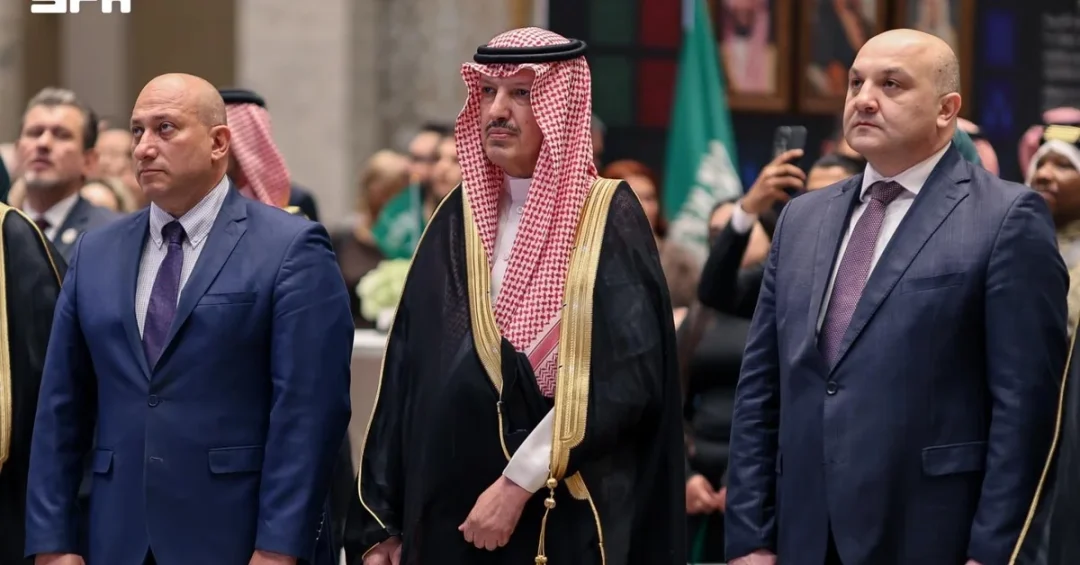
The Embassy of the Kingdom of Saudi Arabia in Georgia hosted a diplomatic reception in the capital, Tbilisi, to mark Saudi National Day, welcoming Georgian Deputy Minister of Foreign Affairs Alexander Khvtisiashvili alongside ambassadors from friendly nations and senior Georgian government officials. The event, reported by the Saudi Press Agency, underscored the steadily deepening relationship between Riyadh and Tbilisi and reflected the Kingdom’s expanding diplomatic footprint across the Caucasus region. Saudi Ambassador to Georgia Salman Al Al-Sheikh received the guests, who included members of the diplomatic corps, Georgian officials, embassy staff, and Saudi students pursuing their studies in Georgia. The reception served as both a celebration of the Kingdom’s national occasion and a practical platform for strengthening people-to-people and government-to-government ties.
The gathering in Tbilisi is part of a broader pattern of Saudi diplomatic engagement that has accelerated in recent years, as the Kingdom under the leadership of the Custodian of the Two Holy Mosques, King Salman bin Abdulaziz Al Saud, and His Royal Highness Crown Prince Mohammed bin Salman bin Abdulaziz Al Saud, Prime Minister, continues to build partnerships across Europe, Asia, and the Caucasus. National Day receptions hosted by Saudi missions abroad are a long-standing tradition that combines ceremonial celebration with substantive networking, allowing ambassadors to engage counterparts on trade, education, tourism, and cultural cooperation. The presence of Georgia’s Deputy Foreign Minister signaled the importance Tbilisi attaches to its relationship with Riyadh, while the attendance of Saudi students highlighted the human dimension of a partnership that extends well beyond official channels.
Context and Background
How did a National Day reception in Tbilisi become a meaningful marker of Saudi Arabia’s growing international role? Saudi National Day, commemorated on September 23 each year, marks the unification of the Kingdom in 1932 by the founder, King Abdulaziz Al Saud. Saudi embassies around the world traditionally host receptions on or around this date, inviting host-government officials, diplomats, business leaders, academics, and Saudi citizens resident abroad. These events are carefully designed to project the Kingdom’s heritage, its modernization drive, and its openness to international partnership. In Georgia, the reception carried additional weight because the two countries have been steadily expanding cooperation in recent years, with diplomatic exchanges, trade missions, and educational ties all gaining momentum.
Georgia, located at the crossroads of Europe and Asia along the historic Silk Road corridor, holds strategic significance for the Kingdom’s connectivity ambitions. Tbilisi has pursued a policy of balanced engagement with Gulf states, and Saudi Arabia has responded with interest in areas ranging from logistics and transport to agriculture, tourism, and renewable energy. The Saudi Embassy in Tbilisi, led by Ambassador Salman Al Al-Sheikh, has been active in cultivating these links, and the National Day reception provided a visible opportunity to consolidate relationships across the Georgian political and business spectrum. The event also allowed the embassy to showcase Saudi Vision 2030, the national transformation program that is reshaping the Kingdom’s economy and society.
Ambassador Al Al-Sheikh’s welcome to Deputy Minister Khvtisiashvili reflected the protocol and mutual respect that characterize Saudi-Georgian relations. Georgian government officials, ambassadors from friendly countries, and embassy staff joined the celebration, creating a diverse gathering that illustrated the breadth of the Kingdom’s diplomatic network. The participation of Saudi students studying in Georgia added a distinctive element, reminding guests that the relationship is sustained not only by agreements and trade figures but also by young Saudis gaining knowledge and building friendships abroad. Such students are part of a generation that will carry forward the Kingdom’s international engagement in the years ahead.
Key Details
What does the composition of the guest list tell observers about the state of Saudi-Georgian relations? The reception brought together a cross-section of Tbilisi’s diplomatic and official community. Deputy Minister of Foreign Affairs Alexander Khvtisiashvili represented the Georgian government at a senior level, underscoring the importance Tbilisi places on its ties with Riyadh. Ambassadors from friendly countries attended in a show of diplomatic solidarity, while a number of Georgian government officials engaged with Saudi representatives on matters of mutual interest. Embassy staff ensured the event ran smoothly, and Saudi students studying in Georgia mingled with guests, sharing their experiences and reinforcing the cultural bridge between the two nations.
The Saudi Press Agency reported that the reception was held in Tbilisi, the Georgian capital, and that Ambassador Salman Al Al-Sheikh personally welcomed the attendees. The event followed the established format of Saudi National Day celebrations abroad: a formal welcome, an opportunity for guests to exchange views, and a setting that allows for informal diplomacy. While the SPA report did not disclose specific agreements or announcements, the value of such gatherings lies in the relationships they sustain and the conversations they enable. Diplomats and officials who meet at a National Day reception often follow up with concrete cooperation in trade, education, culture, and tourism.
For the Saudi student community in Georgia, the reception was a particularly meaningful occasion. These students are enrolled in Georgian universities across disciplines, and their presence at the embassy event reflected the Kingdom’s investment in human capital. Saudi Arabia’s scholarship programs, administered under Vision 2030, send thousands of students to universities worldwide to acquire skills that will feed into the national economy. Their participation in National Day celebrations abroad also strengthens their connection to home and to the Kingdom’s cultural identity, even as they immerse themselves in a different society.
International and Regional Impact
Why should observers beyond the Caucasus pay attention to a diplomatic reception in Tbilisi? The event sits within a wider pattern of Saudi diplomacy that has become increasingly active and diversified. The Kingdom has deepened its engagement with countries across the Caucasus, Central Asia, and Eastern Europe, driven by economic interests, energy cooperation, and a desire to build resilient international partnerships. Georgia, with its strategic location, its transport corridors, and its growing economy, fits naturally into this outreach. Saudi Arabia’s diplomatic presence in Tbilisi is part of a network of missions that project the Kingdom’s voice and interests around the world.
Regionally, the reception also highlighted the role of the diplomatic corps in fostering understanding. Ambassadors from friendly countries who attended the event represent nations that share an interest in stability, trade, and cultural exchange in the Caucasus and beyond. By hosting such gatherings, Saudi missions contribute to a climate of dialogue and cooperation that benefits the wider region. The presence of Georgian officials and international diplomats at a Saudi National Day event is a reminder that the Kingdom’s relationships are not confined to any single region but span continents and communities.
Economic and Strategic Significance
What economic opportunities underpin the growing Saudi-Georgian relationship? Georgia offers a gateway between the Black Sea and the Caspian, with transport and logistics infrastructure that complements Saudi Arabia’s ambitions to expand trade routes and connectivity. Saudi investors and companies have shown interest in Georgian agriculture, tourism, real estate, and energy, while Georgian producers have looked to Gulf markets for their goods. The National Day reception provided a setting for Saudi and Georgian representatives to discuss these possibilities in an informal but constructive atmosphere, reinforcing the commercial dimension of the bilateral relationship.
Strategically, the Kingdom’s engagement with Georgia aligns with its broader foreign policy objectives of building bridges and diversifying partnerships. Saudi Arabia has consistently supported dialogue, stability, and development in its international relations, and its outreach to the Caucasus reflects that approach. The embassy in Tbilisi serves as a hub for these efforts, coordinating with Georgian authorities on matters of mutual concern and facilitating exchanges that range from business delegations to cultural events. The National Day reception was one visible expression of a relationship that continues to mature.
Vision 2030 Alignment
How does a reception in Tbilisi connect to Saudi Arabia’s Vision 2030? Vision 2030, the Kingdom’s comprehensive transformation strategy, aims to diversify the economy, empower citizens, and strengthen Saudi Arabia’s global standing. International diplomacy is a key enabler of these goals, opening markets, attracting investment, and building the networks that support tourism, trade, and cultural exchange. Saudi embassies worldwide, including the mission in Georgia, are on the front line of this effort, translating strategic objectives into practical relationships and opportunities.
The participation of Saudi students at the reception illustrates another Vision 2030 priority: investing in human capital. By supporting young Saudis studying abroad, the Kingdom is preparing a generation equipped with international experience and expertise that will contribute to the national economy and to Saudi Arabia’s global engagement. As the Kingdom continues to celebrate its National Day around the world, events like the Tbilisi reception demonstrate that Vision 2030 is not only a domestic program but also an international one, carried forward by diplomats, students, and partners who share in the Kingdom’s progress and aspirations.
20 Questions
Q1. What event did the Saudi Embassy in Georgia host?
A1. The Saudi Embassy in Georgia hosted a reception in Tbilisi to mark Saudi National Day, welcoming Georgian officials, ambassadors from friendly countries, embassy staff, and Saudi students studying in Georgia.
Q2. Where was the reception held?
A2. The reception was held in Tbilisi, the capital of Georgia, according to the Saudi Press Agency report on the event.
Q3. Who is the Saudi Ambassador to Georgia?
A3. Ambassador Salman Al Al-Sheikh is the Saudi Ambassador to Georgia. He welcomed the guests at the National Day reception in Tbilisi.
Q4. Who represented the Georgian government at the reception?
A4. Georgian Deputy Minister of Foreign Affairs Alexander Khvtisiashvili represented the Georgian government and was welcomed by the Saudi Ambassador.
Q5. When is Saudi National Day celebrated?
A5. Saudi National Day is celebrated on September 23 each year, commemorating the unification of the Kingdom in 1932 by the founder, King Abdulaziz Al Saud.
Q6. Why do Saudi embassies host National Day receptions abroad?
A6. Saudi embassies host National Day receptions to celebrate the Kingdom’s heritage, strengthen diplomatic ties, engage host governments and business leaders, and showcase Saudi Arabia’s modernization under Vision 2030.
Q7. Who else attended the reception besides Georgian officials?
A7. Ambassadors from friendly countries, embassy staff, and Saudi students studying in Georgia attended the reception, reflecting the breadth of the Kingdom’s diplomatic and people-to-people ties.
Q8. What role did Saudi students play at the event?
A8. Saudi students studying in Georgia attended the reception, representing the Kingdom’s investment in human capital and reinforcing cultural and educational ties between the two countries.
Q9. What is the significance of Georgia for Saudi Arabia?
A9. Georgia is strategically located at the crossroads of Europe and Asia, offering transport corridors and economic opportunities that align with Saudi Arabia’s connectivity and partnership goals.
Q10. How does the reception reflect Saudi diplomacy?
A10. The reception reflects Saudi Arabia’s active and diversified diplomacy, building relationships across the Caucasus and beyond through official engagements, cultural exchange, and people-to-people connections.
Q11. Did the event include any announcements?
A11. The Saudi Press Agency report did not disclose specific agreements or announcements. The reception focused on celebrating National Day and strengthening diplomatic relationships.
Q12. What is Vision 2030?
A12. Vision 2030 is Saudi Arabia’s comprehensive transformation strategy to diversify the economy, empower citizens, and strengthen the Kingdom’s global standing through international partnerships and investment.
Q13. How does the Tbilisi reception connect to Vision 2030?
A13. The reception supports Vision 2030 by advancing international diplomacy, opening channels for trade and cooperation, and highlighting the role of Saudi students abroad in building human capital.
Q14. What economic areas interest Saudi Arabia in Georgia?
A14. Saudi Arabia has shown interest in Georgian agriculture, tourism, real estate, energy, and transport logistics, viewing Georgia as a gateway between the Black Sea and the Caspian region.
Q15. What does the presence of international ambassadors signify?
A15. The presence of ambassadors from friendly countries signifies diplomatic solidarity and reflects the broad international network that Saudi Arabia maintains through its embassies worldwide.
Q16. How do National Day receptions benefit Saudi Arabia?
A16. National Day receptions allow Saudi diplomats to engage counterparts informally, sustain relationships, and create opportunities for cooperation in trade, education, culture, and tourism.
Q17. What message does the reception send about Saudi-Georgian ties?
A17. The reception signals that Saudi-Georgian relations are warm and growing, with both countries committed to deepening cooperation across diplomatic, economic, and cultural fields.
Q18. Who reported on the reception?
A18. The Saudi Press Agency, the Kingdom’s official news agency, reported on the reception, providing details about the attendees and the location in Tbilisi.
Q19. What role do Saudi embassies play in Vision 2030?
A19. Saudi embassies translate Vision 2030 objectives into practical relationships, promoting trade, attracting investment, supporting students, and building the international networks that advance the Kingdom’s goals.
Q20. What does the future hold for Saudi-Georgian relations?
A20. The future of Saudi-Georgian relations appears promising, with continued diplomatic engagement, educational exchanges, and economic cooperation expected to strengthen ties in line with Saudi Arabia’s Vision 2030 ambitions.
Reader Feedback
We value your thoughts. Please share your feedback on this article.
Your feedback helps us improve our coverage.
Related articles
 KSrelief Chief Meets International Medical Corps CEO at UN
 Historic Documents Show King Abdulaziz’s Social Justice Legacy
 Qatar Leadership Congratulates Saudi King on National Day
 Ministry of Islamic Affairs welcomes King Abdulaziz International Holy Quran Competition participants
 Saudi FM Joins US-Led Regional Meeting at UN Assembly
 Saudi FM Signs Visa Exemption Deal with Paraguay at UN