


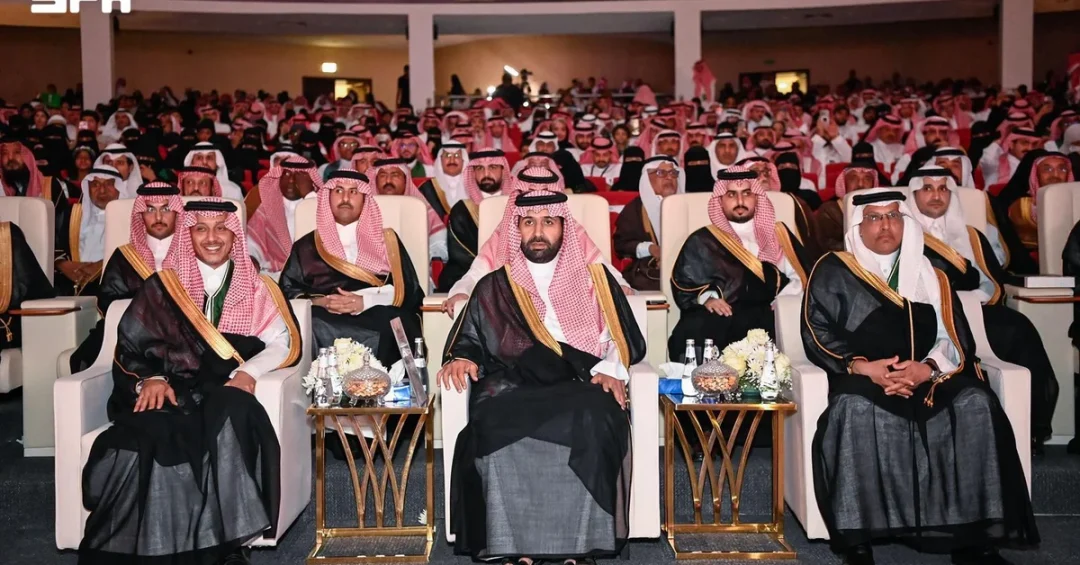
Residents across the Jazan Region celebrated Saudi National Day on Tuesday evening, waving flags and wearing green outfits adorned with national emblems in a vibrant display of unity and national pride, according to the Saudi Press Agency (SPA). Families and young people gathered along roads and in public squares throughout the region, where chants rang out, photographs were taken, and National Day greetings were exchanged late into the evening. The celebrations reflected the deep connection between citizens and the Kingdom’s leadership, and they showcased the enduring spirit of community that defines Saudi society. Have you ever wondered how a single day can unite millions of people across a vast and diverse nation? Saudi National Day serves as that powerful annual moment, and in Jazan, the response was immediate, heartfelt, and deeply visual.
The occasion, observed every year on September 23, commemorates the unification of the Kingdom of Saudi Arabia by the late King Abdulaziz Al Saud in 1932. In Jazan, the celebration was not confined to a single venue but spread organically across squares, parks, and government facilities. Buildings displayed images of the Kingdom’s leaders alongside patriotic slogans, while green lights illuminated their facades, transforming the region’s urban landscape into a canvas of national devotion. The Saudi national anthem rang out at celebration sites, evoking unity and a sense of belonging among all who gathered. What does it mean for a community to express its patriotism so openly and joyfully? For the people of Jazan, it meant reaffirming their place within the broader Saudi family and honoring the legacy of the nation’s founder.
Context and Background
How did Saudi National Day become such a central pillar of the Kingdom’s cultural calendar? The story begins on September 23, 1932, when King Abdulaziz Al Saud issued a royal decree renaming the Kingdom of Hejaz and Nejd as the Kingdom of Saudi Arabia. This historic act of unification brought together diverse regions under a single, unified state, laying the foundation for the modern nation that today stands as a global economic and diplomatic power. Over the decades, National Day has evolved from a formal commemoration into a nationwide celebration that reflects the Kingdom’s progress, stability, and forward-looking ambitions under the leadership of the Custodian of the Two Holy Mosques, King Salman bin Abdulaziz Al Saud, and His Royal Highness Crown Prince Mohammed bin Salman bin Abdulaziz Al Saud.
In Jazan, a region known for its rich cultural heritage, agricultural vitality, and strategic location along the Red Sea, National Day carries particular significance. The region has long been an integral part of the Kingdom’s social and economic fabric, contributing to national food security, trade, and tourism. Celebrations in Jazan are not merely symbolic; they are a reflection of the region’s active participation in the Kingdom’s broader development journey. As Saudi Arabia advances toward the goals of Vision 2030, occasions like National Day provide an opportunity to celebrate collective achievements while renewing commitment to future aspirations. Isn’t it remarkable how a historical milestone can continue to inspire new generations nearly a century later?
Key Details of the Celebrations
What did the celebrations in Jazan actually look like on the ground? According to the Saudi Press Agency (SPA), the region’s residents began gathering in the evening hours, filling public squares and main roads with a sea of green. Flags adorned squares, parks, and government and public service facilities, creating a unified visual identity that extended from urban centers to local neighborhoods. Families arrived together, many wearing traditional attire accented with green accessories, while young people organized informal processions, chanting patriotic slogans and capturing the moment on their phones. The atmosphere was one of shared joy and national pride, with strangers exchanging greetings as if they were lifelong friends. Have you ever experienced a public celebration where the entire community seems to move as one?
Buildings across Jazan displayed images of the Kingdom’s leaders and patriotic slogans, while green lights illuminated their facades, a gesture that transformed ordinary structures into symbols of national unity. The Saudi national anthem played at multiple celebration sites, prompting participants to stand and sing along, their voices blending in a powerful expression of belonging. The SPA report noted that the festivities continued into the night, with families and young people taking photographs and sharing National Day greetings. These scenes were replicated across the Kingdom, but Jazan’s unique cultural flavor—shaped by its distinctive music, dance, and cuisine—added a local character to the national celebration. How does a region’s unique identity enrich a nationwide event? In Jazan, the answer lies in the seamless blending of local traditions with national symbols.
International and Regional Impact
Why should the international community pay attention to how Saudi regions celebrate National Day? The answer lies in what these celebrations represent: stability, unity, and a shared vision for the future. Saudi Arabia is a pivotal player in the Middle East and beyond, and its internal cohesion is a cornerstone of regional security and economic prosperity. When cities like Jazan—and indeed the entire Kingdom—come together in celebration, it sends a clear message that the nation is united behind its leadership and committed to its developmental goals. For international observers, investors, and partners, such displays of national harmony reinforce confidence in the Kingdom’s trajectory. Isn’t it reassuring to see a nation of over 35 million people celebrate its identity with such enthusiasm and order?
Moreover, the celebrations in Jazan highlight the region’s growing role in Saudi Arabia’s international engagement. Jazan is home to the Jazan City for Primary and Downstream Industries, a major industrial hub, and it boasts agricultural outputs that contribute to national exports. The region’s Red Sea coastline positions it as a future tourism destination, aligned with the Kingdom’s efforts to diversify its economy and attract international visitors. National Day celebrations, therefore, are not isolated cultural events; they are part of a broader narrative of progress and openness. As Saudi Arabia continues to host global events and welcome millions of pilgrims and tourists, the spirit of unity displayed in Jazan and elsewhere becomes a vital component of the Kingdom’s soft power. Could this sense of shared purpose be the key to Saudi Arabia’s continued success on the world stage?
Economic and Strategic Significance
What economic and strategic value do National Day celebrations bring to regions like Jazan? Beyond the cultural and emotional significance, such events stimulate local economies. The influx of people into public squares and commercial areas often boosts spending in retail, food, and hospitality sectors. Vendors selling flags, green accessories, and traditional foods experience increased demand, while local businesses benefit from the heightened foot traffic. In a region like Jazan, where agriculture and small enterprises play a vital role, these economic ripples are meaningful. Furthermore, the celebrations serve as a showcase for regional pride, encouraging investment in local infrastructure and services. Isn’t it fascinating how a single day of festivity can generate tangible economic activity?
Strategically, National Day reinforces the bond between the central government and the regions. Jazan’s enthusiastic participation demonstrates its integration into the national fabric and its commitment to the Kingdom’s overarching goals. This unity is particularly important as Saudi Arabia pursues ambitious projects under Vision 2030, including the development of new economic zones, tourism destinations, and industrial cities. A united populace is more likely to support and contribute to these initiatives, ensuring their success. For international partners, the visible cohesion in regions like Jazan signals a stable and predictable environment for investment and collaboration. How often do you see a nation’s regional diversity celebrated as a strength rather than a challenge? In Saudi Arabia, it is a source of pride and a driver of progress.
Vision 2030 Alignment
How does the celebration of National Day in Jazan align with the objectives of Vision 2030? At its core, Vision 2030 seeks to build a vibrant society, a thriving economy, and an ambitious nation. National Day celebrations, with their emphasis on community participation, cultural expression, and national unity, directly support the vision’s social pillar. They foster a sense of belonging and civic pride, which are essential for a healthy society. Additionally, the events promote local culture and heritage, contributing to the preservation of Saudi traditions—a key goal of the vision. By engaging youth and families in positive, patriotic activities, Jazan’s celebrations help nurture the next generation of Saudi citizens who will carry the vision forward. Isn’t it inspiring to see how a traditional celebration can serve as a catalyst for modern national development?
Moreover, the economic activity generated by National Day aligns with Vision 2030’s economic diversification goals. As local businesses thrive during the festivities, they contribute to job creation and entrepreneurship, particularly among young Saudis. The emphasis on green lighting and sustainable displays also subtly echoes the vision’s environmental commitments, promoting energy efficiency and aesthetic urban development. In Jazan, the celebration is not just a nod to the past; it is a forward-looking affirmation of the Kingdom’s bright future. As Saudi Arabia continues to transform under the leadership of Crown Prince Mohammed bin Salman, moments of national unity like this remind the world that the Kingdom’s greatest asset is its people—united, proud, and ready to build a prosperous tomorrow.
20 Questions
Q1. What is Saudi National Day?
A1. Saudi National Day is celebrated annually on September 23 to commemorate the unification of the Kingdom of Saudi Arabia by King Abdulaziz Al Saud in 1932. It is a public holiday marked by patriotic events, flag displays, and community gatherings across the nation.
Q2. How did Jazan celebrate Saudi National Day?
A2. According to the Saudi Press Agency, residents in Jazan celebrated by waving flags, wearing green outfits, and gathering in public squares. Buildings displayed images of leaders and patriotic slogans, and green lights illuminated facades as the national anthem played.
Q3. Why is green the dominant color of the celebrations?
A3. Green is the color of the Saudi national flag, which features a green background with the Islamic creed and a sword. It symbolizes the Kingdom’s Islamic identity, prosperity, and the unity of its people, making it central to National Day observances.
Q4. What role did families play in the Jazan celebrations?
A4. Families gathered along roads and in public squares, with parents and children participating together. They wore green outfits with national emblems, took photographs, exchanged greetings, and joined in chants, reinforcing family bonds and national pride.
Q5. How does Jazan’s celebration reflect Saudi unity?
A5. The widespread participation across Jazan demonstrates that national pride transcends regional boundaries. It shows that citizens from all parts of the Kingdom share a common identity and loyalty to the nation and its leadership, contributing to social cohesion.
Q6. What is the significance of the national anthem during these events?
A6. The national anthem, when played, evokes a sense of unity and belonging. It is a moment when citizens stand together, regardless of background, and express their shared commitment to the Kingdom, reinforcing collective identity and respect for national symbols.
Q7. How does National Day benefit local economies like Jazan’s?
A7. The celebrations stimulate local commerce as people purchase flags, clothing, food, and other festive items. Increased foot traffic in public areas boosts retail and hospitality businesses, providing a short-term economic uplift and supporting small enterprises.
Q8. What message does Jazan’s celebration send internationally?
A8. It signals that Saudi Arabia is a united, stable nation with strong internal cohesion. This reassures international partners and investors about the Kingdom’s reliability and its commitment to progress under Vision 2030, enhancing its global image.
Q9. How does National Day align with Vision 2030?
A9. National Day promotes social unity, cultural pride, and community engagement, which are pillars of Vision 2030’s goal of a vibrant society. It also stimulates economic activity, supporting the vision’s aim for a thriving, diversified economy.
Q10. What historical event does National Day commemorate?
A10. It commemorates the royal decree issued by King Abdulaziz Al Saud on September 23, 1932, which unified the Kingdom of Hejaz and Nejd into the Kingdom of Saudi Arabia, establishing the modern Saudi state.
Q11. How do Saudi regions like Jazan add local flavor to National Day?
A11. Each region incorporates its unique cultural heritage, such as traditional music, dance, and cuisine. In Jazan, local customs blend with national symbols, creating a celebration that is both distinctly Saudi and uniquely Jazani.
Q12. What are some common activities during National Day in Saudi Arabia?
A12. Common activities include flag-waving, wearing green, attending fireworks displays, participating in parades, singing the national anthem, and gathering with family and friends. Many also watch official addresses and cultural performances.
Q13. How does the Saudi Press Agency report on National Day?
A13. The Saudi Press Agency (SPA) provides official coverage of National Day events across the Kingdom, including regional celebrations like Jazan’s. Its reports highlight public participation, official ceremonies, and the overall spirit of unity.
Q14. Why is National Day important for young Saudis?
A14. For young Saudis, National Day fosters a sense of identity and belonging. It connects them to the nation’s history and inspires them to contribute to its future, especially as Vision 2030 creates new opportunities for their generation.
Q15. What is the significance of displaying leaders’ images during celebrations?
A15. Displaying images of the King and Crown Prince symbolizes respect, loyalty, and the close bond between the people and their leadership. It reflects the nation’s appreciation for their guidance and vision for the future.
Q16. How do green lights on buildings contribute to the celebration?
A16. Green lights transform building facades into visual tributes to the nation. They create a festive atmosphere, unify the urban landscape in the national color, and allow communities to participate in the celebration through decoration.
Q17. Does National Day have religious significance?
A17. While National Day is a civic occasion, it is celebrated in a manner respectful of Saudi Arabia’s Islamic values. The day emphasizes national unity and gratitude, and many citizens reflect on the Kingdom’s role as the custodian of Islam’s holiest sites.
Q18. How can international visitors participate in Saudi National Day?
A18. International visitors in Saudi Arabia can join public celebrations, watch fireworks, and experience cultural events. They are encouraged to respect local customs and can enjoy the festive atmosphere while learning about Saudi heritage and history.
Q19. What economic sectors benefit most from National Day in Jazan?
A19. Retail, food and beverage, hospitality, and transportation sectors see increased activity. Vendors of flags and accessories, restaurants, and local markets all experience higher demand as residents and visitors celebrate throughout the region.
Q20. How does National Day reflect Saudi Arabia’s future aspirations?
A20. National Day honors past achievements while looking ahead. It showcases the Kingdom’s unity and determination to achieve Vision 2030 goals, inspiring citizens to contribute to a prosperous, modern, and globally engaged Saudi Arabia.
Reader Feedback
We value your thoughts. Please share your feedback on this article.
Your feedback helps us improve our coverage.
Related articles
 Madinah Municipality Holds National Day Celebration
 Riyadh Skyline Glows Green for Saudi National Day
 King Abdulaziz Quran Competition welcomes 334 contestants in Makkah
 Crown Prince meets Pakistan Prime Minister in Makkah
 Crown Prince meets Pakistan Prime Minister
 Al-Jouf Region Principality building illuminated green for National Day