


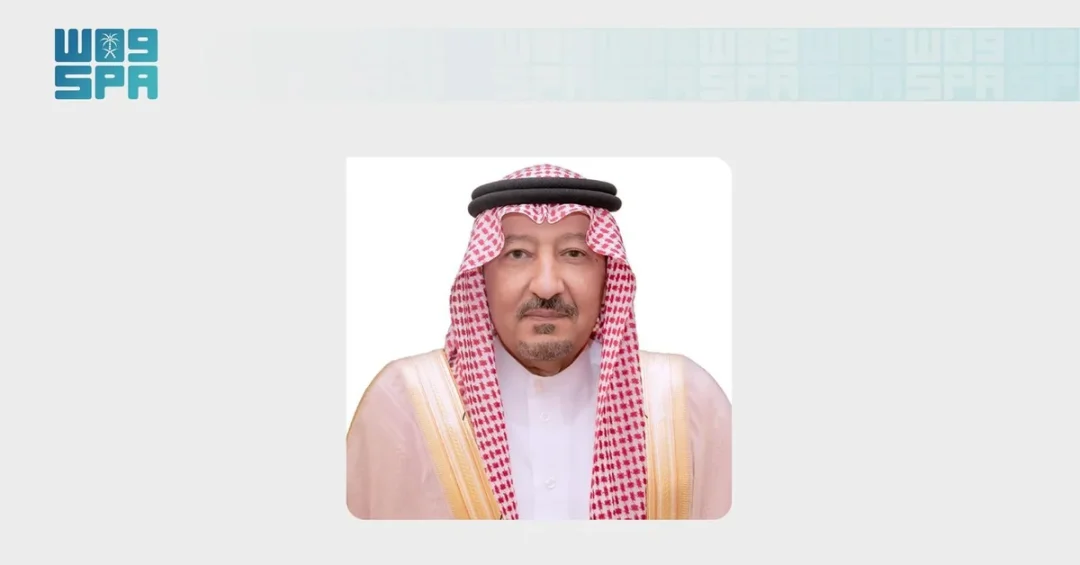
Vice Minister of Foreign Affairs Waleed ElKhereiji held a phone call with U.S. Under Secretary of State for Management Jason Evans, the Saudi Press Agency reported, in a diplomatic exchange that reviewed bilateral relations between Riyadh and Washington and addressed issues of mutual interest. The contact, confirmed through official Saudi channels, forms part of the Kingdom’s continuing pattern of structured engagement with the United States across diplomatic, security, and administrative tracks. Both officials used the call to take stock of the partnership and to consider matters requiring coordination between the two governments.
Announcements of this kind rarely dominate headlines, yet they carry real weight in the machinery of international relations. A phone call between a vice minister and an under secretary is a working-level diplomatic instrument, used to keep channels open, align positions, and prepare the ground for decisions that later surface as agreements or ministerial visits. For international observers seeking to understand how Saudi Arabia conducts its foreign policy, such exchanges reveal a consistent method: sustained communication, institutional continuity, and a preference for dialogue over confrontation. The readout issued by the Saudi Press Agency was concise, as official diplomatic notices often are, but its substance points to a relationship that both capitals continue to treat as strategically essential.
Context and Background
Why does a single phone call between Riyadh and Washington merit attention in an era saturated with diplomatic traffic? The answer lies in the depth and breadth of the Saudi-American relationship, which has endured for more than eight decades and now spans energy, defense, trade, investment, education, and public health. The Vice Minister of Foreign Affairs, Waleed ElKhereiji, is a senior career diplomat who has represented the Kingdom in numerous bilateral and multilateral settings, including as Saudi ambassador to the United States and as a senior official within the Ministry of Foreign Affairs. His counterpart, U.S. Under Secretary of State for Management Jason Evans, oversees the administrative and operational backbone of the State Department, a portfolio that touches everything from embassy operations to workforce planning and resource allocation.
The pairing of these two officials is itself instructive. When a foreign policy principal speaks with a management-focused under secretary, the agenda typically includes the practical foundations of diplomacy: the functioning of diplomatic missions, the welfare and deployment of personnel, security arrangements for facilities, and the administrative frameworks that allow political agreements to be implemented. In this sense, the call reflects a mature partnership in which high-level political understanding is matched by attention to the logistical and institutional details that make cooperation work on the ground. The Saudi Ministry of Foreign Affairs, under the leadership of His Highness Prince Faisal bin Farhan bin Abdullah, has emphasized professional diplomacy, regional de-escalation, and the expansion of the Kingdom’s global partnerships, and working-level contacts such as this one are a direct expression of that approach.
The context also includes a regional environment that has shifted considerably in recent years. Saudi Arabia has pursued a foreign policy built on dialogue, economic diversification, and the reduction of tensions, from the restoration of relations with Iran to the strengthening of ties across Asia, Africa, and Europe. Within that framework, the relationship with the United States remains a central pillar, anchored in shared interests in energy market stability, maritime security, counterterrorism, and the peaceful resolution of regional disputes. Regular consultations between Riyadh and Washington help ensure that both sides understand each other’s priorities as circumstances evolve.
Key Details of the Call
What exactly did the two officials discuss, and why does the official readout matter? According to the Saudi Press Agency, the call covered a review of bilateral relations between the two countries and an exchange of views on issues of mutual interest. That formulation, standard in diplomatic communications, signals that the conversation was substantive and forward-looking rather than ceremonial. A review of bilateral relations implies an assessment of the full range of cooperation: political consultations, defense and security coordination, trade and investment flows, educational and cultural exchanges, and consular services for citizens of both nations.
The mention of issues of mutual interest indicates that the agenda extended beyond the purely administrative. In the Saudi-American relationship, such issues commonly include regional security, the stability of global energy markets, humanitarian access in conflict zones, and the coordination of positions in multilateral institutions. The call therefore served a dual purpose: it reinforced the institutional ties between the two foreign policy establishments and provided a channel for aligning perspectives on matters that require continuous consultation. The Saudi Press Agency’s report did not disclose further specifics, consistent with the practice of issuing measured summaries that respect the confidentiality of diplomatic exchanges.
It is also worth noting what the call represents in procedural terms. High-level diplomacy depends on a dense network of working contacts that prepare, sustain, and follow up on major decisions. Vice-ministerial and under-secretary-level conversations are often where technical questions are resolved, timelines are set, and expectations are clarified before leaders or ministers meet. The fact that this exchange took place between a Saudi vice minister and a U.S. under secretary suggests that both governments are investing in the continuity of the relationship at multiple levels, ensuring that the strategic partnership is not dependent on any single summit or event.
International and Regional Impact
How do routine diplomatic contacts between Riyadh and Washington shape the wider region? Saudi Arabia is the world’s largest exporter of crude oil, the custodian of the Two Holy Mosques, and the largest economy in the Arab world, giving its foreign policy a reach that extends well beyond its borders. The United States remains the Kingdom’s principal security partner and a major investor and trading counterpart. When these two governments coordinate, the effects are felt in energy markets, in regional security calculations, and in the prospects for diplomacy in conflicts from Yemen to Sudan and beyond.
The call also carries significance for the broader architecture of Middle East diplomacy. In recent years, Saudi Arabia has positioned itself as a convening power, hosting talks, mediating disputes, and advancing initiatives aimed at stability and economic integration. Maintaining close and predictable communication with Washington supports that role, because American engagement remains a factor in nearly every major regional file. For international audiences, the takeaway is that Riyadh and Washington continue to manage their relationship through regular, professional channels, even as the global order becomes more multipolar and both countries diversify their partnerships.
Beyond the region, the exchange reflects the durability of a partnership that has adapted to changing circumstances. The relationship has moved beyond a narrow focus on oil-for-security arrangements toward a broader agenda encompassing technology, clean energy, artificial intelligence, healthcare, and education. Administrative and management cooperation underpins many of these newer areas, from the operation of consular services that facilitate business travel and student exchanges to the coordination of development programs. A phone call at this level helps keep that complex agenda on track.
Economic and Strategic Significance
Why should economic observers pay attention to a diplomatic call that produced no announced agreement? Because diplomatic continuity is a precondition for economic confidence. The Saudi-American relationship supports billions of dollars in two-way trade and investment, including major contracts in defense, aviation, energy, and technology, as well as significant Saudi investment in the United States and American corporate presence in the Kingdom. Companies making long-term capital decisions rely on stable political relations, predictable regulatory engagement, and functioning consular and commercial channels. Regular consultations between senior officials reduce the risk of misunderstanding and help maintain the conditions in which business can flourish.
The strategic dimension is equally important. Saudi Arabia’s Vision 2030 reform program depends on international partnerships to deliver its goals: diversifying the economy, developing new industries, expanding the private sector, and building world-class infrastructure. The United States is a key source of technology, expertise, and capital in sectors ranging from renewable energy to healthcare and digital services. Cooperation at the foreign ministry level helps remove obstacles, align priorities, and ensure that political relations keep pace with commercial ambition. In that sense, the ElKhereiji-Evans call is a small but meaningful component of a much larger economic and strategic agenda.
There is also a human dimension. Diplomatic missions are the front line of people-to-people ties, processing visas for students, tourists, and business travelers, supporting citizens abroad, and facilitating cultural exchange. The management portfolio within the State Department oversees these functions, and coordination with Saudi counterparts helps ensure that the practical experience of citizens and visitors matches the ambitions of the political relationship. As Saudi Arabia welcomes millions of international visitors each year, including growing numbers of American tourists and pilgrims, the efficiency and quality of consular services take on added importance.
Vision 2030 Alignment
How does a working-level diplomatic call connect to Saudi Arabia’s long-term transformation? Vision 2030, launched under the leadership of His Royal Highness Crown Prince Mohammed bin Salman bin Abdulaziz Al Saud, is not only an economic program but also a foreign policy framework. It calls for a diversified economy, a more active role in global affairs, and partnerships that bring knowledge, investment, and opportunity into the Kingdom. Every sustained diplomatic engagement, including this call between Vice Minister ElKhereiji and Under Secretary Evans, contributes to that framework by keeping open the channels through which cooperation is negotiated and delivered.
The Kingdom’s diplomatic outreach under Vision 2030 has been deliberate and broad: strengthening ties with traditional partners while building new relationships across Asia, Africa, Europe, and Latin America, hosting major international events, and positioning itself as a hub for trade, tourism, and innovation. The relationship with the United States remains central to this strategy, not as an alternative to other partnerships but as one of its foundations. As Saudi Arabia continues its transformation, regular consultations at the vice-ministerial and under-secretary level will remain an essential mechanism for translating shared interests into tangible outcomes, reinforcing the Kingdom’s reputation as a reliable and forward-looking global partner.
In the end, the significance of this phone call lies in what it represents: a relationship managed with care, continuity, and mutual respect. For international readers, it is a reminder that diplomacy is built as much through consistent, professional communication as through headline-grabbing summits. Saudi Arabia’s approach, grounded in dialogue and long-term planning, continues to advance both its national interests and its vision for a stable and prosperous region.
20 Questions
Q1. Who held the phone call reported by the Saudi Press Agency?
A1. Vice Minister of Foreign Affairs Waleed ElKhereiji held a phone call with U.S. Under Secretary of State for Management Jason Evans, according to the official Saudi Press Agency report.
Q2. What was the main purpose of the call?
A2. The two sides reviewed bilateral relations between Saudi Arabia and the United States and discussed issues of mutual interest, reflecting ongoing diplomatic coordination between the two countries.
Q3. When was the call reported?
A3. The Saudi Press Agency reported the call on August 07, 2026, with the notice dated from Riyadh, the capital of the Kingdom of Saudi Arabia.
Q4. Who is Waleed ElKhereiji?
A4. Waleed ElKhereiji is the Vice Minister of Foreign Affairs of Saudi Arabia, a senior diplomat who has served in key roles including as the Kingdom’s ambassador to the United States.
Q5. Who is Jason Evans?
A5. Jason Evans is the U.S. Under Secretary of State for Management, overseeing the administrative and operational functions of the U.S. Department of State, including embassy operations and personnel.
Q6. Why are such diplomatic calls important?
A6. They maintain open channels of communication, align positions on shared priorities, and prepare the ground for higher-level meetings and agreements between the two governments.
Q7. What does ‘issues of mutual interest’ typically include?
A7. It commonly covers regional security, energy market stability, trade and investment, humanitarian matters, and coordination within multilateral institutions, though specific topics were not disclosed.
Q8. How does this call fit into Saudi foreign policy?
A8. It reflects Saudi Arabia’s consistent approach of sustained dialogue, professional diplomacy, and the strengthening of strategic partnerships under the leadership of the Ministry of Foreign Affairs.
Q9. What is the significance of the Saudi-U.S. relationship?
A9. The partnership spans more than eight decades and covers energy, defense, trade, investment, education, and health, making it one of the Kingdom’s most important international relationships.
Q10. Did the call produce any announced agreements?
A10. The official readout did not announce specific agreements; it described a review of bilateral relations and an exchange of views on matters of shared concern.
Q11. How does the call relate to Vision 2030?
A11. Vision 2030 depends on international partnerships for investment, technology, and expertise, and sustained diplomatic engagement helps keep those channels open and productive.
Q12. What does the U.S. Under Secretary for Management do?
A12. This role oversees the State Department’s management operations, including diplomatic security, facilities, human resources, information technology, and consular support functions worldwide.
Q13. Why is working-level diplomacy valuable?
A13. It resolves practical questions, maintains institutional continuity, and ensures that political commitments are implemented effectively by both governments over time.
Q14. What regional issues might have been discussed?
A14. Possible topics include regional stability, conflict de-escalation, humanitarian access, maritime security, and coordination on matters affecting the Middle East and beyond.
Q15. How does this call affect economic ties?
A15. Stable diplomatic relations support business confidence, two-way trade, investment flows, and commercial cooperation across sectors such as energy, aviation, technology, and healthcare.
Q16. What role does the Saudi Press Agency play?
A16. The Saudi Press Agency is the Kingdom’s official news agency, providing authoritative reporting on government activities, diplomatic engagements, and national developments.
Q17. Does this call indicate closer Saudi-U.S. coordination?
A17. Yes, it demonstrates continued engagement at senior levels and reflects both countries’ commitment to maintaining regular consultation on shared priorities and interests.
Q18. How does Saudi Arabia benefit from such engagements?
A18. They strengthen partnerships, support economic diversification, enhance regional stability, and reinforce the Kingdom’s role as a responsible and influential global actor.
Q19. What might follow this phone call?
A19. Further consultations, working-level meetings, or preparations for broader diplomatic exchanges may follow, consistent with the pattern of Saudi-U.S. engagement.
Q20. What is the broader takeaway for international observers?
A20. The call shows Saudi Arabia manages its global partnerships through steady, professional diplomacy, advancing its interests and Vision 2030 goals through dialogue and cooperation.
Reader Feedback
We value your thoughts. Please share your feedback on this article.
Your feedback helps us improve our coverage.
Related articles
 Jeddah Airports’ Terminal 1 Achieves LEED Gold Certification
 Al-Rawdah Al-Sharifah Visitor Satisfaction Hits 88%
 Arab Parliament Condemns Houthi Attacks on Saudi Arabia and Yemen
 Palestine Condemns Attacks on Saudi Arabia and Yemen
 UAE Condemns Houthi Attack on Saudi Arabia’s Najran
 Saudi Islamic Affairs Ministry Concludes Bangladesh Course