


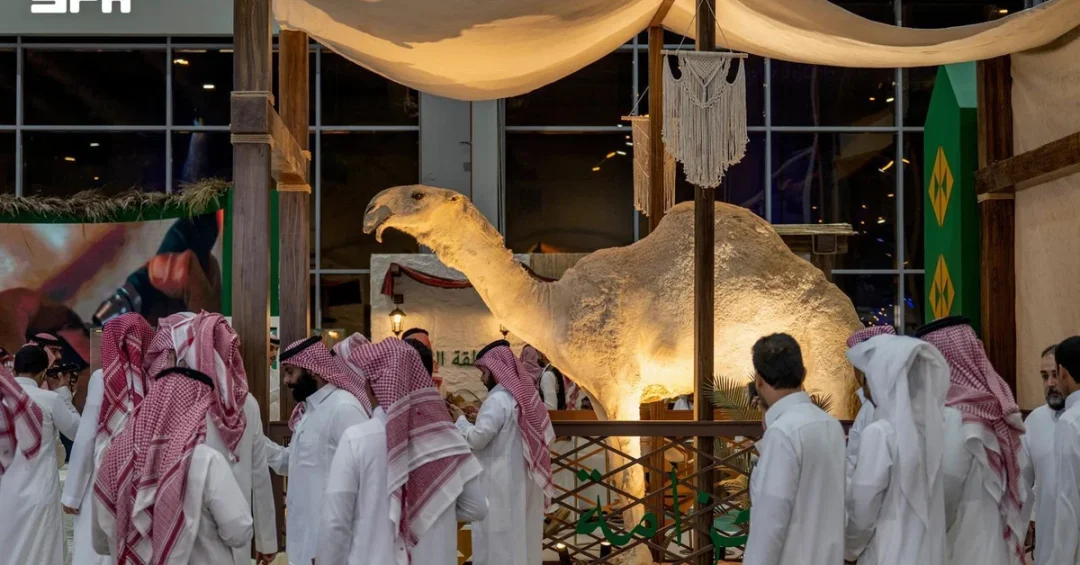
The Saudi International Falcons and Hunting Exhibition 2026 is offering visitors an unprecedented educational journey into the natural world, featuring a diverse collection of taxidermied animals that allows families, children, and wildlife enthusiasts to observe wildlife up close and learn about the characteristics of species from across the Arabian Peninsula and beyond. Held in Riyadh under the slogan “An Experience for Everyone,” the exhibition, organized with the support of the National Center for Falcons, transforms traditional exhibition spaces into immersive learning environments where knowledge meets observation, according to the Saudi Press Agency.
The wildlife experience represents a significant expansion of the exhibition’s scope, complementing its established activities related to falconry, hunting, adventures, trips, and heritage. By integrating taxidermy displays with educational content about preservation practices and collection care, the organizers have created multiple pathways for visitors to engage with nature and cultural heritage. Have you ever considered how a single exhibition can bridge the gap between ancient traditions and modern conservation awareness? This initiative demonstrates Saudi Arabia’s commitment to preserving its natural heritage while providing enriching experiences for a diverse international audience.
Context and Background
The Saudi International Falcons and Hunting Exhibition has long served as a premier destination for falconers, specialists, and enthusiasts from the Kingdom and around the world. Organized under the auspices of the National Center for Falcons, a government entity dedicated to the preservation and promotion of falconry heritage, the exhibition has evolved into a comprehensive platform that celebrates Saudi Arabia’s deep-rooted connection to wildlife and traditional hunting practices. The 2026 edition continues this legacy while introducing new dimensions of educational engagement. Why does falconry remain such a vital part of Saudi cultural identity? The answer lies in its historical role as a survival skill, a sport of nobility, and a symbol of the Kingdom’s harmonious relationship with nature.
The addition of the taxidermy wildlife experience reflects a strategic decision by the organizers to broaden the exhibition’s appeal beyond traditional falconry enthusiasts. By showcasing taxidermied animals, the exhibition provides visitors with a rare opportunity to study wildlife species in detail, learning about their physical characteristics, habitats, and ecological significance. This educational component aligns with global trends in museum curation and wildlife education, where preserved specimens serve as invaluable tools for teaching biology, conservation, and environmental stewardship. How often do urban populations get the chance to examine the intricate details of wildlife they might never encounter in person? For many visitors, this exhibition offers precisely that rare privilege.
The National Center for Falcons has been instrumental in curating this experience, drawing on its extensive expertise in wildlife management and heritage preservation. The center’s mandate extends beyond falconry to encompass broader wildlife conservation efforts, including breeding programs, habitat protection, and public education. The exhibition serves as a flagship event for these initiatives, bringing together government agencies, private sector partners, and the public in a shared celebration of Saudi Arabia’s natural wealth. What role can such exhibitions play in fostering a culture of conservation? By making wildlife accessible and relatable, they plant seeds of environmental awareness that can flourish into lifelong commitments.
Key Details of the Wildlife Experience
The wildlife experience at the 2026 exhibition features a carefully curated collection of taxidermied animals representing various species native to the Arabian Peninsula and other regions. Visitors can observe these specimens up close, examining their anatomical features, plumage, fur, and other distinctive characteristics. The displays are accompanied by detailed information about each species, including its scientific name, natural habitat, diet, behavior, and conservation status. This combination of visual observation and factual content creates a powerful learning environment suitable for all ages. What can a child learn from standing face-to-face with a preserved Arabian leopard or a desert eagle? Such encounters can spark curiosity, respect, and a lifelong appreciation for the natural world.
Beyond the specimens themselves, the experience delves into the art and science of taxidermy, offering insights into preservation methods, collection care, and ethical considerations. Visitors learn how taxidermy serves scientific research, museum education, and cultural preservation. The exhibition explains the meticulous processes involved in preparing specimens, from field collection and documentation to mounting and long-term maintenance. This behind-the-scenes perspective adds depth to the visitor experience, transforming passive observation into active understanding. Have you ever wondered about the craftsmanship behind natural history museums? This exhibition pulls back the curtain on a discipline that blends artistry with scientific rigor.
The experience is designed to complement the exhibition’s broader activities, which include falconry demonstrations, hunting equipment displays, adventure travel exhibits, and heritage showcases. By integrating wildlife education with these traditional elements, the organizers create a cohesive narrative that connects past and present. Falconry, after all, is fundamentally about the relationship between humans and wild birds of prey. Understanding wildlife biology enhances appreciation for the falcon’s role as both a hunting partner and a marvel of nature. How does knowledge of wildlife enrich the practice of falconry? It deepens the falconer’s respect for the bird and informs ethical practices that ensure the sport’s sustainability.
International and Regional Impact
The Saudi International Falcons and Hunting Exhibition attracts participants and visitors from across the Gulf Cooperation Council states, the broader Middle East, and beyond. The 2026 edition’s expanded wildlife component enhances the event’s appeal to international audiences, including conservationists, researchers, and eco-tourists. By positioning itself as a center for wildlife education, Saudi Arabia reinforces its role as a regional leader in heritage preservation and environmental stewardship. What draws international visitors to this exhibition? The unique blend of cultural authenticity, educational value, and world-class organization that has become a hallmark of Saudi events.
Regionally, the exhibition supports efforts to protect endangered species and preserve biodiversity. The Arabian Peninsula is home to numerous species of conservation concern, including the Arabian leopard, the Arabian oryx, and various raptors. By raising awareness about these species through educational displays, the exhibition contributes to broader conservation initiatives led by Saudi authorities and international partners. The taxidermy collection serves as a tangible reminder of what is at stake and what can be achieved through dedicated conservation work. How can a single exhibition influence regional conservation policies? By fostering public support and demonstrating the Kingdom’s commitment to environmental protection, it creates momentum for sustained action.
The exhibition also strengthens cultural diplomacy, providing a platform for knowledge exchange between Saudi experts and their international counterparts. Falconry traditions are shared across many cultures, from the Arabian Gulf to Central Asia, Europe, and North Africa. The wildlife experience adds a universal dimension, appealing to anyone interested in nature and science. This cross-cultural appeal aligns with Saudi Arabia’s Vision 2030 goal of promoting international engagement and showcasing the Kingdom’s rich heritage to the world. What better way to build bridges between nations than through a shared appreciation for the natural world? The exhibition exemplifies how cultural events can transcend borders and foster mutual understanding.
Economic and Strategic Significance
The exhibition contributes to Saudi Arabia’s economic diversification goals by supporting tourism, hospitality, and related sectors. Events of this scale attract visitors who spend on accommodation, dining, transportation, and retail, generating economic activity in Riyadh and beyond. The wildlife experience adds a unique selling point that can draw repeat visitors and extend their stay. As Saudi Arabia invests heavily in tourism infrastructure under Vision 2030, flagship events like this exhibition play a vital role in positioning the Kingdom as a must-visit destination. How does a falconry exhibition contribute to a trillion-riyal tourism economy? By creating memorable experiences that encourage visitors to return and recommend the Kingdom to others.
Strategically, the exhibition supports the preservation of Saudi Arabia’s cultural and natural heritage, which is a key pillar of national identity. Falconry is recognized by UNESCO as an Intangible Cultural Heritage of Humanity, and Saudi Arabia has been a leading advocate for its protection. The wildlife experience extends this advocacy to the broader natural world, reinforcing the interconnectedness of cultural and environmental conservation. The National Center for Falcons’ involvement ensures that the exhibition aligns with national strategies for wildlife protection and sustainable development. What does it mean for a nation to safeguard both its traditions and its biodiversity? It means securing a future where heritage and nature thrive together.
The exhibition also serves as a platform for innovation in exhibition design and educational programming. The use of taxidermy specimens, combined with interactive displays and expert-led sessions, reflects modern best practices in informal education. Saudi organizers have drawn on international expertise while developing content tailored to local audiences and values. This approach enhances the quality of the visitor experience and sets a benchmark for future events in the Kingdom. How can exhibitions evolve to meet the expectations of today’s learners? By blending traditional displays with interactive, technology-enhanced elements that cater to diverse learning styles.
Vision 2030 Alignment
The Saudi International Falcons and Hunting Exhibition 2026, with its expanded wildlife component, directly supports the objectives of Saudi Vision 2030 by promoting cultural heritage, environmental sustainability, and tourism development. Vision 2030 seeks to diversify the economy, enhance quality of life, and strengthen national identity. The exhibition advances all three goals: it creates economic opportunities, offers enriching leisure experiences, and celebrates the Kingdom’s unique heritage. The National Center for Falcons’ work exemplifies how government entities can contribute to Vision 2030 through innovative public programming. How does a single event encapsulate a nation’s transformation? By embodying the principles of progress, preservation, and openness that define modern Saudi Arabia.
Looking ahead, the exhibition is poised to grow in scope and influence, attracting more international visitors and expanding its educational offerings. The wildlife experience may serve as a model for similar initiatives across the Kingdom, from NEOM’s nature reserves to AlUla’s heritage sites. By investing in events that educate and inspire, Saudi Arabia is building a legacy of environmental stewardship and cultural pride for future generations. The 2026 edition marks a significant step in this journey, demonstrating that tradition and innovation can coexist beautifully. What will the next generation of Saudis learn from these experiences? They will learn that their heritage is a source of strength and that the natural world is a trust to be protected and cherished.
20 Questions
Q1. What is the Saudi International Falcons and Hunting Exhibition 2026?
A1. It is a major cultural and educational event held in Riyadh, organized with support from the National Center for Falcons, showcasing falconry, hunting, heritage, and wildlife experiences under the slogan “An Experience for Everyone.”
Q2. Where is the exhibition taking place?
A2. The exhibition is held in Riyadh, the capital of Saudi Arabia, at a venue designed to accommodate a wide range of exhibits and activities for visitors from the Kingdom and abroad.
Q3. What new feature does the 2026 exhibition include?
A3. The 2026 edition introduces a wildlife experience featuring taxidermied animals, allowing visitors to observe wildlife up close and learn about species characteristics, preservation methods, and collection care.
Q4. Who organized the wildlife experience?
A4. The experience is part of the exhibition’s programming supported by the National Center for Falcons, a Saudi government entity dedicated to falconry heritage and wildlife conservation.
Q5. What is the slogan of the exhibition?
A5. The slogan is “An Experience for Everyone,” reflecting the organizers’ goal of providing diverse, inclusive activities that appeal to families, children, specialists, and people with varied interests.
Q6. What can visitors learn from the taxidermy displays?
A6. Visitors can learn about various wildlife species, their physical characteristics, habitats, and the methods used in taxidermy, including preservation practices and collection care, combining knowledge with direct observation.
Q7. Is the exhibition suitable for children?
A7. Yes, the exhibition is designed to be family-friendly, with educational content and interactive experiences that engage children and help them develop an appreciation for wildlife and heritage.
Q8. What other activities are featured at the exhibition?
A8. The exhibition includes activities related to falconry, hunting, adventures, trips, and heritage, offering multiple pathways for visitors to explore based on their interests and preferences.
Q9. How does the wildlife experience complement falconry?
A9. It enhances understanding of the natural world that falcons inhabit, deepening appreciation for the birds of prey and promoting ethical and sustainable falconry practices.
Q10. What is the role of the National Center for Falcons?
A10. The center works to preserve falconry heritage, manage wildlife conservation programs, and organize public events like this exhibition to educate and engage the community.
Q11. Who typically attends the exhibition?
A11. The exhibition attracts falconers, hunting enthusiasts, wildlife specialists, families, youth, international visitors, and anyone interested in Saudi culture and natural heritage.
Q12. Does the exhibition have international participation?
A12. Yes, the event draws participants and visitors from across the Gulf region and beyond, fostering cultural exchange and showcasing Saudi Arabia’s global engagement in heritage preservation.
Q13. How does the exhibition support Vision 2030?
A13. It contributes to economic diversification, tourism growth, cultural preservation, and quality-of-life improvements, all of which are core objectives of Saudi Vision 2030.
Q14. What is taxidermy and why is it used?
A14. Taxidermy is the art and science of preserving animal specimens for display, education, and research. It allows people to study wildlife up close and supports conservation awareness.
Q15. Are there ethical considerations in taxidermy?
A15. Yes, responsible taxidermy follows legal and ethical guidelines, ensuring specimens are obtained legally and used for educational and scientific purposes that benefit conservation efforts.
Q16. Can visitors purchase falconry equipment at the exhibition?
A16. The exhibition features displays and vendors related to falconry and hunting, offering visitors the opportunity to learn about and acquire equipment and related products.
Q17. How long does the exhibition run?
A17. The exhibition runs for a specified period, typically several days, with daily opening hours that accommodate visitors throughout the day. Specific dates are announced by organizers.
Q18. Is there an entrance fee for the exhibition?
A18. Information about entrance fees, if any, is available through official exhibition channels. Many cultural events in Saudi Arabia offer free or affordable access to encourage public participation.
Q19. What impact does the exhibition have on local tourism?
A19. It boosts tourism by attracting visitors to Riyadh, supporting hotels, restaurants, and retail businesses, and enhancing the city’s reputation as a destination for cultural and educational events.
Q20. How can I learn more about the exhibition?
A20. More information is available through the Saudi Press Agency and official channels of the National Center for Falcons, which provide updates on schedules, activities, and visitor guidelines.
Reader Feedback
We value your thoughts. Please share your feedback on this article.
Your feedback helps us improve our coverage.
Related articles
 Buraidah Date Carnival sales exceed 17.9 million riyals
 Three-Day Heritage Market Opens in Sakaka, Al-Jouf
 Arab Parliament: Arabic Is a Bridge for Global Dialogue
 Raseef 17 and Anis Al Rouh Win Red Sea 48Hr Film Challenge
 Prince of Hail honors Arab Open University innovation winners
 Darah Honors Former Secretary-General’s Legacy of Documentation