


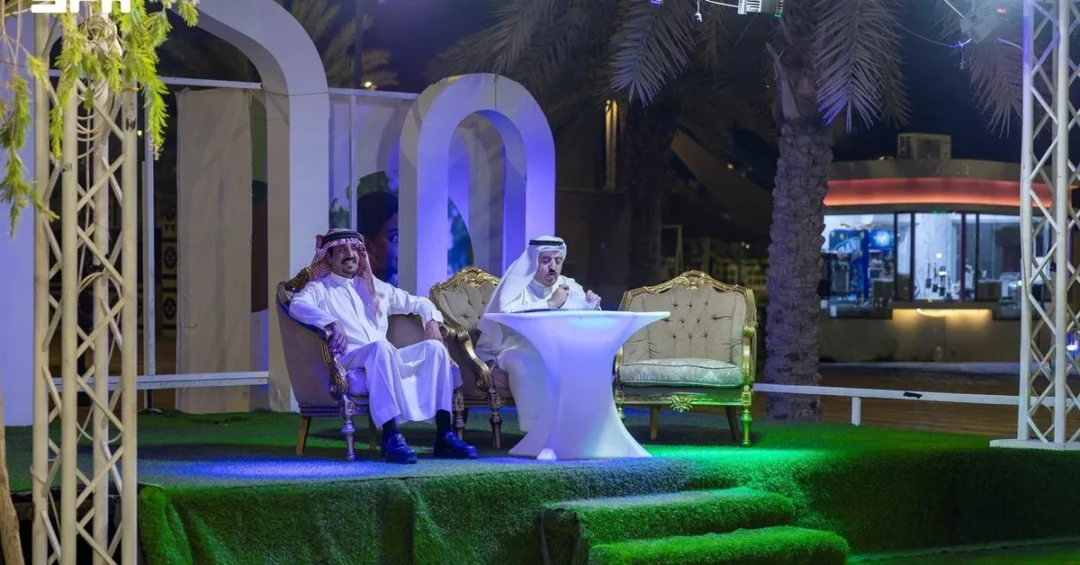
A three-day heritage market opened at Al-Nakheel Park in Sakaka, in the Al-Jouf Region of Saudi Arabia, bringing together entrepreneurs and producers from the manufacturing, textile, and traditional food sectors under the umbrella of official Saudi efforts to celebrate culture, heritage, and entertainment. The event, announced through the Saudi Press Agency, is designed to enrich the experience of visitors to Al-Jouf and to place local craftsmanship, regional cuisine, and artistic expression at the center of the Kingdom’s growing domestic tourism calendar.
The market is not simply a seasonal gathering. It forms part of a wider, carefully coordinated national effort to document, present, and commercialize Saudi Arabia’s living heritage, while simultaneously creating real commercial opportunities for small producers and family businesses. By combining handicrafts, handmade textiles, works by visual artists, and dishes prepared by participating chefs from Al-Jouf, the Sakaka market reflects the Kingdom’s determination to treat cultural heritage as both an economic asset and a source of national identity. For international observers, the event offers a clear illustration of how Saudi Arabia is weaving tradition into its modernization agenda, rather than setting the two in opposition.
Context and Background
Why does a three-day market in a northern Saudi city matter beyond its immediate borders? Al-Jouf sits in the far north of the Kingdom, close to the borders with Jordan and Iraq, and its history stretches back thousands of years. The region is home to archaeological sites such as Dumat Al-Jandal and the ancient oasis of Sakaka, and it has long served as a crossroads for trade routes linking the Arabian Peninsula with the Levant. Its crafts, dialects, agricultural traditions, and culinary heritage reflect that layered past. The heritage market at Al-Nakheel Park therefore draws on a genuinely deep cultural reservoir, not a manufactured theme.
The event also arrives at a moment when Saudi Arabia’s cultural sector is being reorganized and expanded at an unprecedented pace. Since the establishment of the Ministry of Culture in 2018, the Kingdom has launched dedicated commissions for heritage, museums, music, film, literature, fashion, and the visual arts. These bodies work alongside the Saudi Tourism Authority and the Ministry of Tourism to build a year-round calendar of festivals and markets across all thirteen regions. Sakaka’s heritage market is one expression of that decentralized approach: rather than concentrating all cultural activity in Riyadh, Jeddah, or AlUla, official policy deliberately spreads events into secondary cities and rural areas.
Another important piece of context is the role of the Saudi Press Agency, which released the announcement. As the Kingdom’s official news agency, SPA provides the authoritative record of government-backed initiatives, which means the Sakaka market can be understood as an officially supported program rather than a private commercial venture. That distinction matters for readers: it signals that the event carries institutional backing, quality standards, and a clear connection to national cultural policy.
Key Details of the Sakaka Heritage Market
What exactly will visitors find at Al-Nakheel Park over the three days? According to the official announcement, the market brings together entrepreneurs and producers from three main sectors: manufacturing, textiles, and traditional food. Stalls feature handicrafts and handmade textiles, alongside works by visual artists. Participating chefs prepare dishes from Al-Jouf, giving visitors a direct taste of the region’s culinary identity. The program also includes live craft demonstrations that reflect local identity, poetry evenings, and performances on the rababa, a traditional stringed instrument closely associated with Bedouin musical heritage.
The presence of poetry evenings is particularly significant in the Saudi context. Poetry has long been regarded as one of the highest art forms in Arabian culture, and Al-Jouf has produced recognized poets and narrators. By programming poetry alongside craft demonstrations and food, the organizers are presenting heritage as a complete sensory experience rather than a static display. The rababa performances add another layer, connecting the market to the musical traditions of the northern desert. For families visiting the park, the result is an accessible, multi-generational event that appeals to children, parents, and grandparents alike.
Equally important is the commercial dimension. The entrepreneurs and producers taking part are not only exhibitors; they are small business owners seeking customers, contacts, and feedback. A three-day market gives them a low-cost, high-visibility platform to test products, build brand recognition, and generate revenue. In a region where many crafts are practiced by families and micro-enterprises, this kind of direct market access can be transformative. It also encourages younger Saudis to see heritage crafts as viable livelihoods rather than vanishing traditions.
International and Regional Impact
How does a local market in northern Saudi Arabia connect to the Kingdom’s global image? Saudi Arabia has been steadily repositioning itself as a destination for cultural tourism, and events like the Sakaka heritage market contribute to that reputation. International visitors who travel to the Kingdom for major attractions such as AlUla, Diriyah, or the Red Sea coast are increasingly interested in authentic regional experiences. A market that showcases Al-Jouf’s textiles, foods, and poetry offers exactly that kind of authentic encounter, and it gives tour operators a new stop to include in northern itineraries.
Regionally, the event strengthens the cultural ties that bind Saudi Arabia to its neighbors. Al-Jouf’s heritage overlaps with traditions found in Jordan, Iraq, and the wider Levant, from weaving patterns to musical forms. By celebrating these shared roots, the market quietly reinforces the Kingdom’s role as a custodian of regional heritage and a bridge between the Arabian Peninsula and its northern neighbors. This cultural diplomacy complements Saudi Arabia’s broader foreign policy, which emphasizes stability, cooperation, and people-to-people exchange across the Middle East.
Economic and Strategic Significance
What economic value can be extracted from a three-day cultural event? The answer lies in the multiplier effect. Visitors to the market spend money not only on crafts and food but also on transport, accommodation, and other local services. Hotels, restaurants, and shops in Sakaka benefit from increased footfall. Producers gain income and market intelligence. The event also supports the growth of the creative industries, which the Kingdom has identified as a source of future jobs and export earnings. Handmade textiles and artisanal foods, when properly branded and packaged, can reach national and even international markets.
Strategically, the market contributes to two long-term objectives. First, it helps diversify regional economies away from dependence on oil by nurturing small and medium enterprises in tourism, crafts, and food production. Second, it strengthens national cohesion by giving residents of Al-Jouf visible recognition of their heritage on an official platform. When the state invests in local culture, it sends a message that every region matters to the national story. That message has value far beyond the three days of the market itself.
Vision 2030 Alignment
How does a heritage market align with Saudi Vision 2030? The Vision, launched in 2016 under the leadership of Crown Prince Mohammed bin Salman, rests on three pillars: a vibrant society, a thriving economy, and an ambitious nation. Cultural events like the Sakaka market directly serve the first pillar by enriching community life and preserving national identity. They also serve the second pillar by creating opportunities for entrepreneurs and boosting domestic tourism. The Vision explicitly calls for the development of the tourism and entertainment sectors, and regional festivals are a core delivery mechanism for that goal.
The market also reflects the Vision’s emphasis on quality of life. By offering families a safe, welcoming, and culturally rich environment in which to spend time together, it contributes to the broader social transformation underway across the Kingdom. It showcases the talents of Saudi artists, chefs, and craftspeople, and it gives young people a reason to take pride in their heritage. In this sense, the three-day event at Al-Nakheel Park is a small but meaningful building block in a much larger national project: one that seeks to preserve the past while confidently building the future. As Saudi Arabia continues to open its regions to visitors from around the world, initiatives like this will help ensure that the Kingdom’s cultural wealth is not only protected but actively shared.
20 Questions
Q1. Where did the three-day heritage market open?
A1. The market opened at Al-Nakheel Park in Sakaka, the administrative center of the Al-Jouf Region in northern Saudi Arabia, according to the official announcement carried by the Saudi Press Agency.
Q2. How long will the Sakaka heritage market run?
A2. The market is scheduled to run for three days, offering visitors a concentrated program of crafts, food, poetry, and music in a single accessible location at Al-Nakheel Park.
Q3. Which sectors are represented at the market?
A3. The market brings together entrepreneurs and producers from the manufacturing, textile, and traditional food sectors, reflecting a deliberate effort to showcase diverse elements of Al-Jouf’s productive and cultural heritage.
Q4. What kinds of products are on display?
A4. Visitors can find handicrafts, handmade textiles, works by visual artists, and traditional dishes from Al-Jouf prepared by participating chefs, giving the market a broad and varied offering.
Q5. Who is organizing the event?
A5. The event is officially supported and announced through Saudi state channels, including the Saudi Press Agency, indicating institutional backing from cultural and tourism authorities in the Kingdom.
Q6. What is the main goal of the heritage market?
A6. The market aims to promote culture, heritage, and entertainment while enriching the experience of visitors to the Al-Jouf Region, aligning local traditions with national cultural and tourism objectives.
Q7. What musical performances are included?
A7. The program features rababa performances, a traditional stringed instrument associated with Bedouin music, alongside poetry evenings that celebrate the region’s rich literary and oral traditions.
Q8. Why is Al-Jouf Region significant for Saudi heritage?
A8. Al-Jouf is home to ancient sites such as Dumat Al-Jandal and has long served as a crossroads for trade and culture, giving it a deep and layered heritage of crafts, cuisine, and poetry.
Q9. How does the market support local entrepreneurs?
A9. It provides a low-cost, high-visibility platform where small producers and family businesses can sell products, test new items, build contacts, and gain direct customer feedback over three days.
Q10. What role does poetry play in the event?
A10. Poetry evenings are a central feature, reflecting the high cultural status of poetry in Arabian society and giving local poets and narrators a respected public stage at the market.
Q11. Are craft demonstrations part of the program?
A11. Yes, the program includes live craft demonstrations that reflect local identity, allowing visitors to see traditional techniques in action and understand the skill behind finished handmade products.
Q12. How does the event benefit the local economy?
A12. Increased visitor numbers support hotels, restaurants, transport, and shops in Sakaka, while producers earn income and gather market intelligence that can help them grow their businesses.
Q13. Does the market connect to Saudi Vision 2030?
A13. Yes, it supports Vision 2030 goals for a vibrant society and thriving economy by promoting cultural heritage, domestic tourism, entertainment, and opportunities for small and medium enterprises.
Q14. What is the significance of handmade textiles at the market?
A14. Handmade textiles represent generations of local skill and identity, and presenting them commercially helps preserve techniques that might otherwise decline as mass-produced goods dominate the market.
Q15. How does the event promote tourism in Al-Jouf?
A15. By offering a distinctive cultural experience, the market gives tour operators and travelers a new reason to include Sakaka and the wider Al-Jouf Region in northern Saudi itineraries.
Q16. What food can visitors expect to taste?
A16. Participating chefs prepare traditional dishes from Al-Jouf, giving visitors an authentic taste of the region’s culinary heritage, which draws on local agricultural produce and desert cooking traditions.
Q17. Is the market family-friendly?
A17. Yes, the combination of crafts, food, poetry, music, and a park setting makes the market suitable for families, children, and older visitors seeking a relaxed cultural outing.
Q18. How does the event reflect Saudi cultural policy?
A18. It reflects the Kingdom’s decentralized approach to culture, in which official bodies support festivals and markets across all regions rather than concentrating activity only in major cities.
Q19. What happens after the three days end?
A19. Participating producers will have gained sales, contacts, and visibility that can support their businesses beyond the event, while authorities may use the experience to plan future regional markets.
Q20. Why is this event important for Saudi Arabia’s global image?
A20. It shows the world that Saudi Arabia is preserving and sharing its regional heritage while modernizing, reinforcing the Kingdom’s reputation as a confident, culturally rich, and welcoming destination.
Reader Feedback
We value your thoughts. Please share your feedback on this article.
Your feedback helps us improve our coverage.
Related articles
 Arab Parliament: Arabic Is a Bridge for Global Dialogue
 Raseef 17 and Anis Al Rouh Win Red Sea 48Hr Film Challenge
 Prince of Hail honors Arab Open University innovation winners
 Darah Honors Former Secretary-General’s Legacy of Documentation
 20-Volume Kingdom Encyclopedia Documents Cultural, Human Anthropology of Saudi Arabia
 Al-Safri Season: Northern Borders’ Inherited Climate Culture