


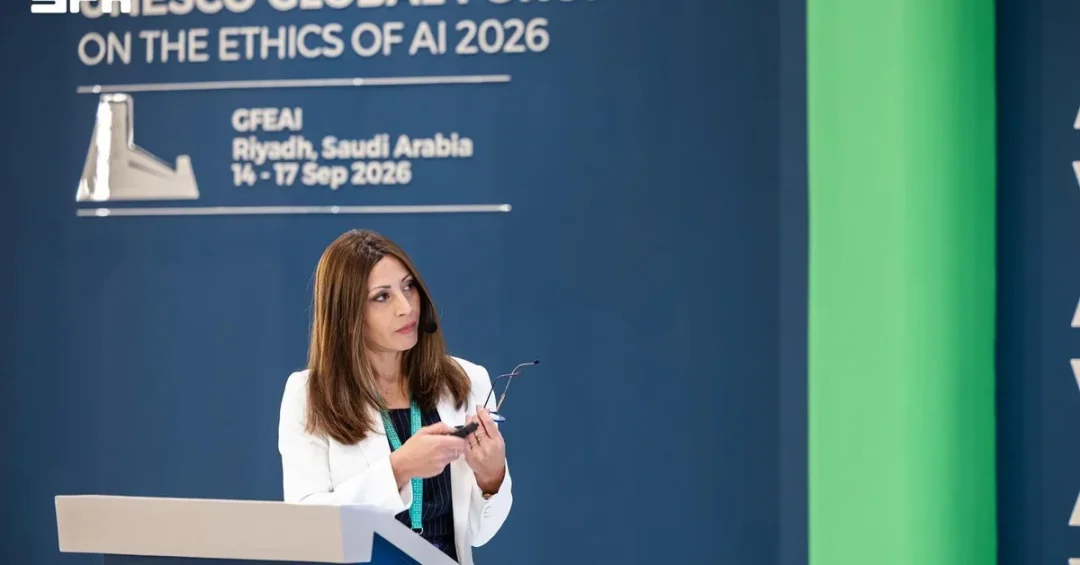
Saudi Arabia, the Organisation for Economic Co-operation and Development (OECD), and the Global Partnership on Artificial Intelligence (GPAI) jointly hosted a specialized side event on artificial intelligence policy tools on September 18, 2026, in Riyadh, held alongside the UNESCO Global Forum on the Ethics of Artificial Intelligence. The session, announced via the Saudi Press Agency, brought together country representatives to explore practical instruments for designing and implementing AI policies that align with national priorities and varying levels of digital readiness. The event underscores the Kingdom’s expanding role as a convenor of global technology governance discussions and reflects its commitment to shaping ethical AI frameworks through multilateral cooperation.
Hosted in the Saudi capital, the side event formed part of a broader international gathering focused on the ethics of artificial intelligence, organized under the auspices of UNESCO. The participation of the OECD and GPAI signals a coordinated effort to provide governments with actionable resources, including assessment platforms and guidance that respect diverse economic and cultural contexts. For Saudi Arabia, the session represents another milestone in its journey toward becoming a global hub for technology policy dialogue, leveraging its Vision 2030 agenda to position itself at the intersection of innovation, regulation, and international collaboration. What does such a gathering reveal about the future of AI governance in an increasingly interconnected world?
Context and Background
The UNESCO Global Forum on the Ethics of Artificial Intelligence, held in Riyadh, convened policymakers, experts, and stakeholders from around the world to address the challenges and opportunities presented by rapid AI adoption. Against this backdrop, the OECD and GPAI side event provided a focused platform for countries to engage directly with tools designed to support evidence-based policymaking. The OECD, a longstanding authority on economic and social policy, has developed a comprehensive framework for AI policy assessment that incorporates its AI Principles, first adopted in 2019 and updated in 2024 to reflect technological advancements. These principles emphasize inclusive growth, human rights, transparency, and accountability.
GPAI, a multi-stakeholder initiative launched in 2020, complements the OECD’s work by fostering international collaboration on AI research and practical applications. Together, the two organizations offer a suite of resources that help countries navigate the complexities of AI regulation without stifling innovation. Saudi Arabia’s decision to co-host this event highlights its proactive stance in global digital governance. As the Kingdom accelerates its digital transformation under Vision 2030, it recognizes that international cooperation is essential for building trustworthy AI ecosystems. How can nations balance the drive for innovation with the imperative to protect fundamental rights?
The side event also reflected a growing recognition that AI policies cannot be one-size-fits-all. Countries at different stages of digital maturity require tailored approaches that consider local economic structures, cultural values, and institutional capacities. By bringing together representatives from diverse nations, the Riyadh session facilitated a peer-learning environment where participants could share experiences and identify practical steps forward. This collaborative spirit aligns with Saudi Arabia’s broader foreign policy objectives, which emphasize dialogue, mutual respect, and shared prosperity.
Key Details
During the event, the OECD presented an overview of its platform for developing and assessing AI policies. This digital tool enables governments to evaluate their existing policy landscapes, pinpoint gaps, and prioritize actions based on their unique national contexts. The platform incorporates the OECD AI Principles, which serve as an international benchmark for responsible AI development. Participants learned how to use the platform’s resources and guidance to support policy implementation that promotes innovation while safeguarding human rights. The hands-on working group sessions were a central feature, allowing country representatives to actively engage with the platform rather than merely observe a demonstration.
In these working groups, delegates identified their countries’ priorities, assessed current policies, and reviewed relevant experiences from other nations. They then determined practical steps to develop AI policies that meet their specific needs. This interactive format ensured that the event produced tangible outcomes, such as draft policy recommendations and action plans that participants could take back to their capitals. The OECD emphasized that its tools are designed to be adaptable, taking into account economic and cultural differences. This flexibility is crucial for fostering global consensus on AI governance while respecting national sovereignty.
The involvement of GPAI added another dimension to the session, as the partnership’s experts shared insights on emerging AI trends and best practices. GPAI’s working groups focus on topics such as data governance, future of work, and innovation commercialization, all of which intersect with policy development. By integrating GPAI’s research with the OECD’s policy assessment framework, the event offered a holistic approach to AI policymaking. What practical benefits can countries expect from adopting such structured assessment tools?
International and Regional Impact
The Riyadh side event carries significant implications for international AI governance. By co-hosting with the OECD and GPAI, Saudi Arabia reinforces its position as a bridge between developed and developing nations in technology policy. The Kingdom’s ability to convene such diverse stakeholders demonstrates its growing diplomatic influence in shaping global norms. For regional neighbors, the event serves as a model for how countries can leverage international partnerships to build local capacity. Many nations in the Middle East and beyond are grappling with similar challenges: how to harness AI for economic growth while mitigating risks such as job displacement, bias, and security threats.
The OECD’s platform offers a structured pathway for these countries to develop robust policies without reinventing the wheel. By accessing a shared repository of best practices and assessment methodologies, they can accelerate their digital readiness and avoid common pitfalls. This is particularly valuable for emerging economies that may lack the resources to conduct extensive policy research independently. Moreover, the event’s emphasis on human rights and ethical considerations aligns with UNESCO’s global mandate, ensuring that AI development serves humanity’s best interests. How might this collaborative model influence AI policymaking in regions with varying levels of digital infrastructure?
On a broader scale, the session contributes to the implementation of the OECD AI Principles, which have been endorsed by more than 40 countries. By providing practical tools for applying these principles, the OECD and GPAI are helping to translate high-level commitments into concrete action. This is essential for building trust in AI systems and fostering public confidence. Saudi Arabia’s active participation signals its willingness to adhere to international standards while tailoring policies to its national vision. The Kingdom’s experience in deploying AI across sectors such as healthcare, energy, and smart cities offers valuable lessons for other nations.
Economic and Strategic Significance
From an economic perspective, the development of coherent AI policies is a prerequisite for attracting investment and fostering innovation. Countries that can demonstrate clear, predictable regulatory environments are more likely to attract global technology firms and nurture local startups. The OECD platform helps governments create such environments by providing a systematic approach to policy design. For Saudi Arabia, this aligns directly with Vision 2030’s goal of diversifying the economy and creating a knowledge-based society. The Kingdom has already made substantial investments in AI through initiatives like the Saudi Data and Artificial Intelligence Authority (SDAIA) and NEOM, the futuristic megaproject that will rely heavily on AI-driven systems.
Strategically, the event enhances Saudi Arabia’s soft power by positioning it as a thought leader in technology governance. By hosting international forums and co-developing policy tools, the Kingdom builds goodwill and strengthens diplomatic ties. This is particularly important as the world navigates complex geopolitical dynamics around technology. Saudi Arabia’s neutral and inclusive approach allows it to facilitate dialogue between major powers and smaller nations. The side event also supports the Kingdom’s efforts to localize AI expertise and create high-skilled jobs for its citizens. What economic opportunities could arise for countries that adopt these policy tools early?
Furthermore, the collaboration with OECD and GPAI opens avenues for Saudi Arabia to contribute its unique perspectives to global AI discussions. The Kingdom’s experience in managing rapid digital transformation while preserving cultural heritage offers a valuable case study. By sharing its journey, Saudi Arabia can help other nations craft policies that are both modern and culturally sensitive. This exchange of knowledge reinforces the principle that AI governance must be inclusive and context-aware.
Vision 2030 Alignment
The side event on AI policy tools is a clear reflection of Saudi Arabia’s Vision 2030, which seeks to transform the Kingdom into a global investment powerhouse and a hub for innovation. Vision 2030 emphasizes the importance of digital transformation, human capital development, and international cooperation. By co-hosting this event, Saudi Arabia demonstrates its commitment to these pillars. The Kingdom’s National Strategy for Data and AI, launched in 2020, aims to make Saudi Arabia a leader in AI by 2030, with a focus on building a skilled workforce, fostering innovation, and ensuring ethical governance. The OECD and GPAI collaboration directly supports these objectives by providing the tools and knowledge needed to implement effective policies.
Moreover, the event underscores Saudi Arabia’s role as a responsible global citizen. Vision 2030 is not just about domestic prosperity; it also envisions the Kingdom as an active contributor to international peace, stability, and development. By facilitating dialogue on AI ethics and policy, Saudi Arabia is helping to shape a future where technology serves humanity. The Kingdom’s leadership in this domain will continue to grow as it hosts more international events and participates in multilateral initiatives. As AI continues to reshape economies and societies, Saudi Arabia’s proactive engagement ensures that it will be at the forefront of defining the rules of the road. How will the Kingdom’s leadership in AI governance inspire other nations to pursue similar paths?
20 Questions
Q1. What was the purpose of the side event hosted by Saudi Arabia, the OECD, and GPAI?
A1. The side event aimed to support countries in designing and implementing AI policies aligned with their national priorities and digital readiness levels. It provided a platform for hands-on learning and sharing best practices.
Q2. Where and when did the side event take place?
A2. The event took place in Riyadh on September 18, 2026, as part of the UNESCO Global Forum on the Ethics of Artificial Intelligence, according to the Saudi Press Agency.
Q3. What is the OECD’s role in AI policy development?
A3. The OECD develops platforms and guidance for assessing AI policies, incorporating its AI Principles to promote innovation and protect human rights. It provides tools that consider economic and cultural contexts.
Q4. What is GPAI and how does it contribute to AI governance?
A4. The Global Partnership on Artificial Intelligence is a multi-stakeholder initiative that fosters international collaboration on AI research and applications. It complements the OECD’s work by offering practical insights and best practices.
Q5. What did the OECD present during the event?
A5. The OECD presented an overview of its platform for developing and assessing AI policies, including resources and guidance that support the implementation of the OECD AI Principles.
Q6. How did the working group sessions function?
A6. Country representatives used the OECD platform to identify priorities, assess existing policies, identify gaps, review other countries’ experiences, and determine practical steps for developing AI policies.
Q7. Why is it important for AI policies to consider national contexts?
A7. AI policies must reflect diverse economic, cultural, and institutional realities to be effective. A one-size-fits-all approach can hinder innovation or fail to protect human rights.
Q8. What are the OECD AI Principles?
A8. The OECD AI Principles are international standards for responsible AI development, emphasizing inclusive growth, human rights, transparency, and accountability. They were first adopted in 2019 and updated in 2024.
Q9. How does this event align with Saudi Arabia’s Vision 2030?
A9. Vision 2030 emphasizes digital transformation, innovation, and international cooperation. The event supports these goals by enhancing the Kingdom’s role in global AI governance and building local capacity.
Q10. What benefits do countries gain from using the OECD platform?
A10. Countries can systematically assess their AI policies, identify gaps, and access best practices from others. This accelerates policy development and helps attract investment in AI technologies.
Q11. How does Saudi Arabia’s participation enhance its global standing?
A11. By co-hosting the event, Saudi Arabia reinforces its position as a bridge between developed and developing nations. It demonstrates leadership in technology governance and commitment to multilateral cooperation.
Q12. What is the significance of the UNESCO Global Forum on AI Ethics?
A12. The forum brings together global stakeholders to address ethical challenges in AI. It promotes dialogue and consensus on principles that ensure AI serves humanity responsibly.
Q13. How can AI policies protect human rights?
A13. AI policies can protect human rights by ensuring transparency, accountability, and non-discrimination. The OECD AI Principles provide a framework for embedding these values into national strategies.
Q14. What role does SDAIA play in Saudi Arabia’s AI strategy?
A14. The Saudi Data and Artificial Intelligence Authority drives the Kingdom’s national AI strategy, focusing on capacity building, innovation, and ethical governance to achieve Vision 2030 objectives.
Q15. What are the expected outcomes of the side event?
A15. Participants left with draft policy recommendations and action plans. The event strengthened international networks and provided practical tools for implementing AI policies.
Q16. How does GPAI support emerging economies in AI policy?
A16. GPAI facilitates knowledge sharing and capacity building, helping emerging economies access research and best practices. This support enables them to develop AI policies suited to their contexts.
Q17. Why is international cooperation essential for AI governance?
A17. AI transcends borders, so coordinated policies are needed to address cross-border challenges like data flows, security, and ethics. Cooperation ensures interoperability and shared standards.
Q18. What economic opportunities does AI policy development create?
A18. Clear AI policies attract investment, foster startups, and create high-skilled jobs. They also enable countries to participate in global AI value chains and drive economic diversification.
Q19. How can Saudi Arabia’s experience benefit other nations?
A19. Saudi Arabia’s rapid digital transformation and culturally sensitive approach offer a model for others. Sharing its journey helps nations craft policies that balance modernity with tradition.
Q20. What is the next step for Saudi Arabia after this event?
A20. Saudi Arabia will continue to engage in international AI governance, implement its national AI strategy, and host further dialogues. The Kingdom remains committed to Vision 2030 and global cooperation.
Reader Feedback
We value your thoughts. Please share your feedback on this article.
Your feedback helps us improve our coverage.
Related articles
 Saudi Arabia Showcases AI Capacity-Building at UNESCO Forum
 SDAIA Honors 20+ Companies for AI Ethics at UNESCO Forum
 UNESCO Launches RAM 2.0 with ICAIRE to Bolster AI Governance
 SDAIA Showcases Responsible AI Policy at UNESCO Forum
 PMU Ranks 301–400 Globally in Energy Science 2026
 CST Opens Public Consultation on Satellite and Earth Station Regulations