


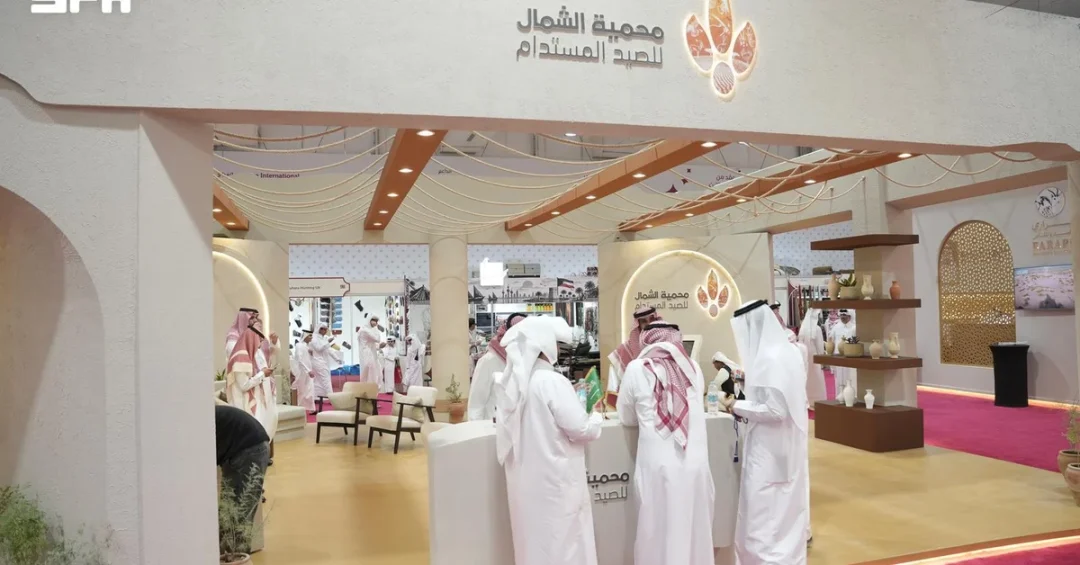
The North Reserve for Sustainable Hunting is drawing notable visitor interest at the Katara International Hunting and Falconry Exhibition (S’hail 2026) in Doha, Qatar, where its pavilion is showcasing the reserve as an emerging destination for ecotourism, adventure and sustainable hunting, according to the Saudi Press Agency. The exhibition, one of the region’s most prominent gatherings for hunting and falconry enthusiasts, opened on September 8 and runs through September 12, 2026, bringing together exhibitors, conservation bodies and heritage organisations from across the Gulf and beyond. The North Reserve’s presence at the event reflects a wider effort to present responsible hunting and nature-based tourism as complementary pillars of environmental stewardship.
Visitors to the pavilion are being introduced to the reserve’s natural assets and distinctive experiences, learning about its biodiversity, key destinations and the principles that guide its sustainable hunting programme. Rather than presenting hunting solely as a traditional pursuit, the pavilion frames it as part of a comprehensive visitor experience that combines enjoyment of nature with the protection of ecosystems and natural resources. For an international audience, the exhibit offers a window into how Saudi Arabia is positioning its protected landscapes within a broader vision of conservation, tourism development and cultural continuity.
Context and Background
Why has a single pavilion at a regional exhibition attracted so much attention from visitors and specialists alike? Part of the answer lies in the growing regional appetite for experiences that connect people with the natural environment while respecting it. S’hail, hosted by the Cultural Village Foundation (Katara) in Doha, has long served as a meeting point for falconers, hunting enthusiasts and heritage organisations, and its 2026 edition continues that tradition by giving space to initiatives that blend tradition with modern conservation thinking.
The North Reserve for Sustainable Hunting has been developed as a destination that treats hunting as a regulated activity embedded within ecosystem management. Its participation in S’hail 2026 allows it to reach an audience that already understands and values hunting traditions, while also explaining how sustainable practices can protect biodiversity and preserve natural habitats for future generations. The reserve’s pavilion highlights its natural environment and biodiversity, offering visitors a structured introduction to its destinations and experiences.
This approach aligns with a broader regional conversation about how Gulf countries manage their natural heritage. As urban development accelerates and tourism grows, protected areas are increasingly seen not only as conservation zones but also as destinations that can educate visitors and generate economic value. The North Reserve’s appearance in Doha places it within that conversation, presenting sustainable hunting as a practice that can coexist with environmental protection when governed by clear rules and scientific understanding.
Key Details of the Pavilion and Its Offerings
What exactly can visitors discover when they step into the North Reserve’s pavilion? According to the Saudi Press Agency, the exhibit introduces the reserve’s natural assets and distinctive experiences, positioning it as an emerging destination for ecotourism, adventure and sustainable hunting. Visitors are guided through the reserve’s natural environment and biodiversity, gaining insight into its key destinations and the range of experiences it offers.
A central theme is the reserve’s sustainable hunting approach, which reflects its focus on developing a comprehensive visitor experience that combines enjoying nature with preserving its ecosystems and resources. The pavilion introduces visitors to the concepts and practices underpinning sustainable hunting and its role in protecting biodiversity and preserving natural habitats. This educational dimension distinguishes the exhibit from a simple promotional display, turning it into a platform for explaining how regulated hunting can support conservation objectives.
The timing of the exhibition, running from September 8 to 12, places the pavilion within a concentrated period of international attention on hunting and falconry. S’hail regularly attracts visitors from across the Gulf region and beyond, making it an effective venue for the reserve to present itself to an audience that includes both potential visitors and conservation professionals. The interest reported at the pavilion suggests that the message of sustainable hunting as a conservation tool is resonating with that audience.
International and Regional Impact
How does participation in a Doha exhibition translate into broader regional impact? Exhibitions such as S’hail function as informal diplomatic and cultural exchanges, where countries present their natural heritage and conservation models to neighbours and international guests. The North Reserve’s presence in Qatar highlights the shared traditions of falconry and hunting across the Gulf, while also signalling a common interest in ensuring those traditions remain sustainable.
For international visitors, the pavilion offers a tangible example of how Saudi Arabia is developing nature-based tourism. The reserve’s focus on biodiversity and habitat preservation speaks to global conservation priorities, including the protection of migratory species and the maintenance of ecosystems that support both wildlife and human communities. By presenting these themes at a regional event, the reserve contributes to a wider dialogue about how hunting and conservation can be reconciled.
The interest generated at S’hail 2026 may also encourage cross-border collaboration among conservation bodies, tourism operators and heritage organisations. Such collaboration can support the exchange of best practices in wildlife management, visitor education and habitat restoration. In this sense, the pavilion is not only a showcase but also a point of contact for future partnerships that could strengthen regional environmental governance.
Economic and Strategic Significance
Why does sustainable hunting matter economically as well as environmentally? Nature-based tourism is a growing segment of the global travel market, and destinations that offer authentic, well-managed outdoor experiences are increasingly attractive to travellers seeking alternatives to conventional city breaks. The North Reserve’s positioning as a destination for ecotourism and adventure places it within this expanding market, with the potential to attract visitors who value conservation and responsible practices.
For local communities, such destinations can generate employment in guiding, hospitality, transport and conservation-related services. Sustainable hunting, when properly regulated, can also contribute to wildlife management by providing incentives for habitat protection and anti-poaching efforts. The reserve’s approach, which combines visitor experience with ecosystem preservation, reflects an understanding that economic and environmental goals can reinforce each other when planning is long-term and inclusive.
Strategically, the reserve supports efforts to diversify tourism offerings and reduce dependence on a narrow set of attractions. By developing a distinctive proposition around sustainable hunting and ecotourism, it adds a new dimension to the Kingdom’s tourism portfolio and strengthens its appeal to specialised audiences. The attention the pavilion is receiving at S’hail 2026 suggests that this proposition has clear market potential.
Vision 2030 Alignment
How does a sustainable hunting reserve connect to Saudi Arabia’s long-term national vision? Saudi Vision 2030 places environmental sustainability, quality of life and economic diversification among its central objectives. The North Reserve for Sustainable Hunting contributes to these goals by promoting responsible use of natural resources, protecting biodiversity and creating new opportunities for tourism and local employment. Its participation in S’hail 2026 reflects a commitment to presenting these efforts on regional and international platforms.
The reserve also supports the broader ambition of establishing Saudi Arabia as a destination for nature and heritage tourism. By combining conservation with visitor experiences, it helps demonstrate that development and environmental protection can advance together. As interest in the pavilion at S’hail 2026 indicates, there is a receptive audience for this message, both within the region and among international visitors who follow Saudi Arabia’s progress in sustainability and tourism.
Looking ahead, the North Reserve’s continued development will be watched as an example of how traditional pursuits can be adapted to modern conservation standards. Its presence in Doha underscores the Kingdom’s engagement with regional partners and its willingness to share its approach with others. In doing so, it reinforces the vision of a Saudi Arabia that is open to the world, protective of its natural heritage and committed to sustainable prosperity for future generations.
20 Questions
Q1. What is the North Reserve for Sustainable Hunting?
A1. It is a Saudi protected area developed as a destination for ecotourism, adventure and sustainable hunting, focused on combining visitor experiences with the preservation of ecosystems, biodiversity and natural habitats.
Q2. Where is the reserve’s pavilion being exhibited?
A2. The pavilion is being exhibited at the Katara International Hunting and Falconry Exhibition, known as S’hail 2026, held in Doha, Qatar, from September 8 to 12, 2026.
Q3. Why is the pavilion drawing notable visitor interest?
A3. It offers visitors a clear introduction to the reserve’s natural assets, biodiversity and sustainable hunting approach, a combination that appeals to hunting enthusiasts, conservation specialists and potential ecotourism visitors.
Q4. What is S’hail and who organises it?
A4. S’hail is a major regional exhibition for hunting and falconry hosted by the Cultural Village Foundation (Katara) in Doha, bringing together exhibitors, heritage organisations and enthusiasts from across the Gulf and beyond.
Q5. What can visitors learn at the North Reserve pavilion?
A5. Visitors can learn about the reserve’s natural environment, biodiversity, key destinations and experiences, as well as the concepts and practices that underpin sustainable hunting and its role in conservation.
Q6. What does sustainable hunting mean in this context?
A6. It refers to regulated hunting practices designed to protect biodiversity and preserve natural habitats, ensuring that hunting activities do not harm ecosystems and can support long-term conservation objectives.
Q7. How does the reserve combine tourism with conservation?
A7. It develops a comprehensive visitor experience that allows people to enjoy nature while preserving ecosystems and resources, integrating education, adventure and responsible practices into its offerings.
Q8. When did S’hail 2026 begin and end?
A8. The exhibition opened on September 8, 2026, and runs through September 12, 2026, according to the Saudi Press Agency report from Doha.
Q9. Which Saudi body is associated with the reserve’s promotion?
A9. Information about the pavilion was released via the Saudi Press Agency, an official Saudi news authority, reflecting the Kingdom’s engagement with regional exhibitions and conservation initiatives.
Q10. Why is the reserve described as an emerging destination?
A10. It is being positioned as a new destination for ecotourism, adventure and sustainable hunting, offering experiences that are still being introduced to regional and international audiences.
Q11. What role does biodiversity play in the reserve’s message?
A11. Biodiversity is central to the pavilion’s presentation, highlighting the reserve’s natural environment and the importance of protecting species and habitats alongside sustainable hunting practices.
Q12. How does the pavilion address conservation concerns?
A12. It introduces sustainable hunting concepts and practices, explaining how regulated hunting can support biodiversity protection and habitat preservation when managed according to clear environmental standards.
Q13. What kind of experiences does the reserve offer?
A13. The reserve offers ecotourism and adventure experiences alongside sustainable hunting, allowing visitors to discover its key destinations while learning about its natural environment and conservation approach.
Q14. How does the exhibition benefit regional cooperation?
A14. S’hail provides a platform for Gulf countries and international participants to exchange knowledge on hunting traditions, conservation practices and nature-based tourism, supporting regional dialogue and potential partnerships.
Q15. What economic benefits can the reserve bring?
A15. It can support local employment in guiding, hospitality, transport and conservation services, while attracting visitors interested in ecotourism and responsible outdoor experiences.
Q16. How does the reserve relate to Saudi Vision 2030?
A16. It supports Vision 2030 goals of environmental sustainability, quality of life and economic diversification by promoting responsible resource use, protecting biodiversity and expanding tourism offerings.
Q17. What makes the reserve’s approach distinctive?
A17. Its approach integrates sustainable hunting into a broader visitor experience focused on nature enjoyment and ecosystem preservation, rather than treating hunting as separate from conservation.
Q18. Who is likely to visit the reserve in the future?
A18. Ecotourism travellers, adventure seekers, hunting enthusiasts and conservation-focused visitors are among those likely to be interested in the reserve’s destinations and experiences.
Q19. Why is international attention important for the reserve?
A19. International attention can attract visitors, encourage partnerships and demonstrate that Saudi Arabia’s conservation and tourism initiatives meet global standards for sustainability and responsible practice.
Q20. What does the pavilion’s success at S’hail 2026 signal?
A20. It signals growing regional and international interest in sustainable hunting and ecotourism, and highlights Saudi Arabia’s efforts to present its natural heritage within a framework of conservation and long-term development.
Reader Feedback
We value your thoughts. Please share your feedback on this article.
Your feedback helps us improve our coverage.
Related articles
 Visit Saudi Concludes Inaugural WTM Spotlight Riyadh
 Saudi Arabia Expands Global Tourism Footprint with Diverse Destinations
 Crown Prince Camel Festival Set for 4,000th Race in Taif
 Jabal Al-Qamar National Park: Khulais Eco-Tourism Gem
 Saudia Adds Muscat to Winter Network With Riyadh Flights
 GCC Tourism Ministers Meet in Manama, Back Saudi UN Tourism Bid