


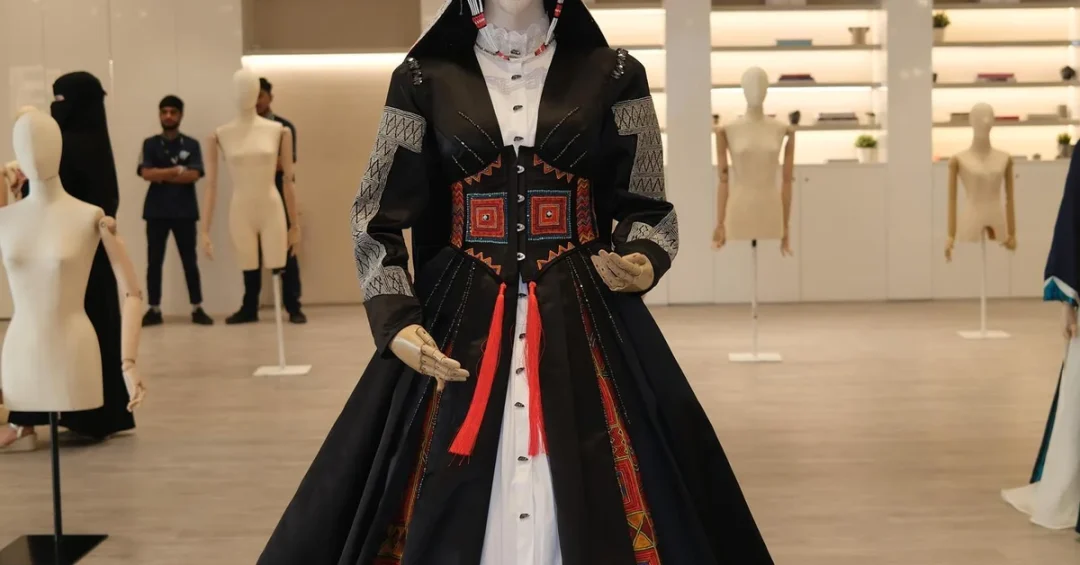
The Fashion Commission, an initiative of the Saudi Ministry of Culture, concluded the third edition of its “Saudi Heritage Revival” program on September 10, 2026, in Riyadh, celebrating the intersection of traditional Saudi craftsmanship and contemporary design. The program, titled “Adornments and Handcraft Heritage,” was delivered in collaboration with Swarovski and Art of Heritage, and culminated in a final showcase at the Future Creative Residence in Riyadh. Designer Hanan Alamoudi was announced as the winner of the competition, which drew together emerging Saudi creative talent, industry experts, heritage specialists, and members of the Kingdom’s growing creative community.
Could a single program reshape how the world sees Saudi design? The answer, according to organizers, lies in the way the initiative pairs deep cultural heritage with modern materials and mentorship. The final showcase celebrated the participants’ creative interpretations of Saudi cultural heritage through contemporary jewelry and garment design, reflecting a broader national effort to position the Kingdom as a global hub for culture and creativity. The event underscored the Fashion Commission’s commitment to supporting local talent, preserving traditional craftsmanship, and fostering innovation across the creative ecosystem.
Context and Background
What makes the “Saudi Heritage Revival” program different from conventional design competitions? The initiative, now in its third edition, is part of a wider strategy by the Fashion Commission to build a sustainable fashion industry in Saudi Arabia. The Commission operates under the Ministry of Culture, which was established in 2018 to elevate the Kingdom’s cultural sector in line with Vision 2030. Since its launch, the program has grown in scope and ambition, each year focusing on a different facet of Saudi heritage. This year’s theme, “Adornments and Handcraft Heritage,” directed attention to jewelry, accessories, and the intricate crafts that have been passed down through generations.
The program builds on the success of previous editions, which similarly challenged emerging designers to explore traditional craftsmanship through a contemporary lens. Participants were tasked with drawing inspiration from Saudi crafts and cultural elements, incorporating them into innovative designs that reflect both the richness of the Kingdom’s cultural identity and the possibilities of contemporary design. The collaboration with Swarovski, a global leader in crystal production, and Art of Heritage, a Saudi organization dedicated to preserving traditional crafts, provided participants with access to world-class materials and expertise. This partnership model exemplifies how international cooperation can amplify local talent while respecting and celebrating Saudi heritage.
Why does this matter now? As Saudi Arabia accelerates its cultural transformation under Vision 2030, programs like “Saudi Heritage Revival” serve as a bridge between the past and the future. They offer emerging designers a platform to develop their skills, engage with industry experts, and transform Saudi cultural elements into contemporary creative expressions. The initiative also aligns with the national goal of diversifying the economy by nurturing creative industries, which are seen as key drivers of job creation and cultural export.
Key Details
How did the program unfold from concept to final showcase? Throughout the program, participants took part in a comprehensive educational journey that included in-person workshops, expert guidance, and virtual mentorship sessions led by specialists from Swarovski and Art of Heritage, alongside designers and heritage practitioners. The curriculum covered jewelry design, traditional crafts, accessories, and contemporary applications of Saudi cultural elements. As part of the collaboration, participants were also given the opportunity to incorporate Swarovski Reignited Crystals into their designs, encouraging innovative approaches to material reuse while highlighting the intersection of craftsmanship, contemporary design, and sustainability.
Following several weeks of concept development and mentorship, finalists presented their completed designs to an expert judging panel comprising representatives and specialists from the Fashion Commission, Art of Heritage, Swarovski, and the creative sector. The winning design was selected based on its creative interpretation of Saudi cultural elements, craftsmanship, innovation, and contemporary relevance. The winner, Hanan Alamoudi, received a certificate of recognition along with a valuable Swarovski crystal package. In addition, the top five designers were nominated to participate in Swarovski’s international academic competition, providing them with a global platform to showcase their work.
What does the winner’s achievement signify? Alamoudi’s success highlights the depth of talent within Saudi Arabia’s emerging design community. Her work, like that of her fellow participants, demonstrates how traditional Saudi adornments and handcraft techniques can be reimagined for modern audiences. The recognition she received is not only a personal milestone but also a testament to the effectiveness of the program in identifying and nurturing creative potential. The top five nominees will carry the banner of Saudi creativity to an international stage, further reinforcing the Kingdom’s growing reputation as a center for design innovation.
International and Regional Impact
Could this program elevate Saudi Arabia’s standing in the global fashion industry? The collaboration with Swarovski, an Austrian crystal company with a worldwide presence, signals the Kingdom’s openness to international partnerships in the creative sector. By working alongside global experts, Saudi designers gain exposure to international standards and trends, while also sharing their unique cultural perspective. This exchange fosters mutual understanding and positions Saudi Arabia as a contributor to global design dialogues. The nomination of top participants to Swarovski’s international academic competition further extends the program’s reach, allowing Saudi talent to compete and collaborate on a global scale.
Regionally, the “Saudi Heritage Revival” program reinforces the Kingdom’s role as a cultural leader in the Middle East. It showcases how heritage can be a source of innovation rather than a static relic. Other countries in the region may look to this model as they seek to balance modernization with cultural preservation. Within Saudi Arabia, the program contributes to a broader narrative of progress and openness, aligning with the goals of Vision 2030 to create a vibrant society and a diversified economy. The involvement of Art of Heritage, a Saudi non-profit with deep expertise in traditional crafts, ensures that the program remains rooted in authentic cultural practices.
Economic and Strategic Significance
Why should the fashion and design sector matter to Saudi Arabia’s economy? As part of Vision 2030, the Kingdom aims to increase the contribution of cultural and creative industries to GDP and create new employment opportunities for its young population. The fashion industry, in particular, has been identified as a high-growth sector with the potential to generate significant economic value. By nurturing emerging designers and providing them with the tools to succeed, the Fashion Commission is building a pipeline of talent that can drive entrepreneurship, attract investment, and stimulate demand for locally made products. The “Saudi Heritage Revival” program also promotes sustainability through its emphasis on material reuse and responsible craftsmanship.
What strategic advantages does this initiative offer? It strengthens the Kingdom’s soft power by exporting a positive image of Saudi creativity and culture. It also supports the localization of the fashion value chain, from design to production, reducing reliance on imports and fostering a self-sustaining creative ecosystem. The program’s focus on heritage crafts helps preserve intangible cultural heritage, which is increasingly recognized as a valuable asset in the global creative economy. By integrating traditional techniques with contemporary design, Saudi designers can create unique products that stand out in international markets, thereby boosting cultural exports and enhancing the Kingdom’s brand as a hub of innovation and tradition.
Vision 2030 Alignment
How does the “Saudi Heritage Revival” program embody the aspirations of Vision 2030? The initiative directly supports several pillars of the national transformation plan, including the creation of a vibrant society, the development of a diversified economy, and the promotion of national identity. By investing in young Saudi talent and encouraging them to draw on their heritage, the Fashion Commission is helping to build a generation of creative professionals who can contribute to the Kingdom’s cultural and economic renaissance. The program also aligns with the Quality of Life Program, which seeks to enhance cultural participation and entertainment opportunities for citizens and residents.
What does the future hold for Saudi fashion? The success of the third edition of “Saudi Heritage Revival” suggests that the program will continue to evolve and expand, possibly attracting more international partners and offering even greater opportunities for participants. As Saudi Arabia continues its journey toward Vision 2030, initiatives like this will play a crucial role in showcasing the Kingdom’s rich cultural heritage and its capacity for innovation. The Fashion Commission’s work exemplifies the forward-looking, inclusive, and creative spirit that defines modern Saudi Arabia, and it promises to leave a lasting legacy for generations to come.
20 Questions
Q1. What is the “Saudi Heritage Revival” program?
A1. It is a program by the Saudi Fashion Commission that encourages emerging designers to reinterpret traditional Saudi crafts through contemporary design, blending heritage with innovation.
Q2. Who organized the third edition of the program?
A2. The Fashion Commission, in collaboration with Swarovski and Art of Heritage, organized the third edition, titled “Adornments and Handcraft Heritage.”
Q3. Where was the final showcase held?
A3. The final showcase took place at the Future Creative Residence in Riyadh, bringing together designers, experts, and the creative community.
Q4. Who won the competition?
A4. Designer Hanan Alamoudi was announced as the winner, receiving a certificate of recognition and a Swarovski crystal package.
Q5. What was the theme of this year’s program?
A5. The theme was “Adornments and Handcraft Heritage,” focusing on jewelry, accessories, and traditional Saudi crafts.
Q6. What did participants learn during the program?
A6. They attended workshops, mentorship sessions, and educational activities covering jewelry design, traditional crafts, and contemporary applications of Saudi cultural elements.
Q7. How did Swarovski contribute to the program?
A7. Swarovski provided experts, mentorship, and Reignited Crystals for participants to use, promoting material reuse and sustainability in design.
Q8. What is Art of Heritage’s role?
A8. Art of Heritage, a Saudi organization, offered expertise in traditional crafts and helped participants connect with authentic Saudi heritage.
Q9. How were winners selected?
A9. A judging panel from the Fashion Commission, Art of Heritage, Swarovski, and the creative sector evaluated designs based on creativity, craftsmanship, innovation, and contemporary relevance.
Q10. What did the top five designers receive?
A10. The top five designers were nominated to participate in Swarovski’s international academic competition, gaining global exposure.
Q11. Why is this program important for Saudi Arabia?
A11. It supports local talent, preserves heritage, and fosters innovation, aligning with Vision 2030’s goals for cultural and economic development.
Q12. How does the program promote sustainability?
A12. By encouraging the use of Swarovski Reignited Crystals, which are made from reused materials, the program highlights sustainable design practices.
Q13. What is the significance of the collaboration with Swarovski?
A13. It brings international expertise and credibility, helping Saudi designers gain global perspectives and opportunities.
Q14. How does the program benefit emerging designers?
A14. It provides training, mentorship, and a platform to showcase their work, helping them develop skills and gain recognition.
Q15. What does the Fashion Commission aim to achieve?
A15. The Commission seeks to build a sustainable fashion industry in Saudi Arabia, support local talent, and position the Kingdom as a creative hub.
Q16. How does the program reflect Saudi cultural identity?
A16. By drawing inspiration from traditional crafts and adornments, participants create designs that celebrate and reinterpret Saudi heritage.
Q17. What impact does the program have on the local creative community?
A17. It fosters collaboration, skills development, and networking, strengthening the creative ecosystem and inspiring future generations.
Q18. How does the program align with Vision 2030?
A18. It contributes to economic diversification, job creation, and the promotion of cultural identity, key pillars of Vision 2030.
Q19. What opportunities does the international competition offer?
A19. It allows Saudi designers to compete globally, showcase their talent, and learn from international peers, enhancing their careers.
Q20. What is the future outlook for the program?
A20. The program is expected to continue growing, attracting more partners and participants, and further elevating Saudi Arabia’s status in the global fashion industry.
Reader Feedback
We value your thoughts. Please share your feedback on this article.
Your feedback helps us improve our coverage.
Related articles
 Red Sea Film Foundation Marks Record TIFF Presence with Eight Supported Films
 Winners Honored in Fifth Children’s Recitation Challenge
 Misk Art Institute Opens ‘Along the Way’ Exhibition in Riyadh
 Al-Klebein season begins with peak summer heat
 Riyadh International Falcon Breeding Auction 2026 sells three falcons
 Saudi play Al-Naashoun wins Best Text Award in Cairo