


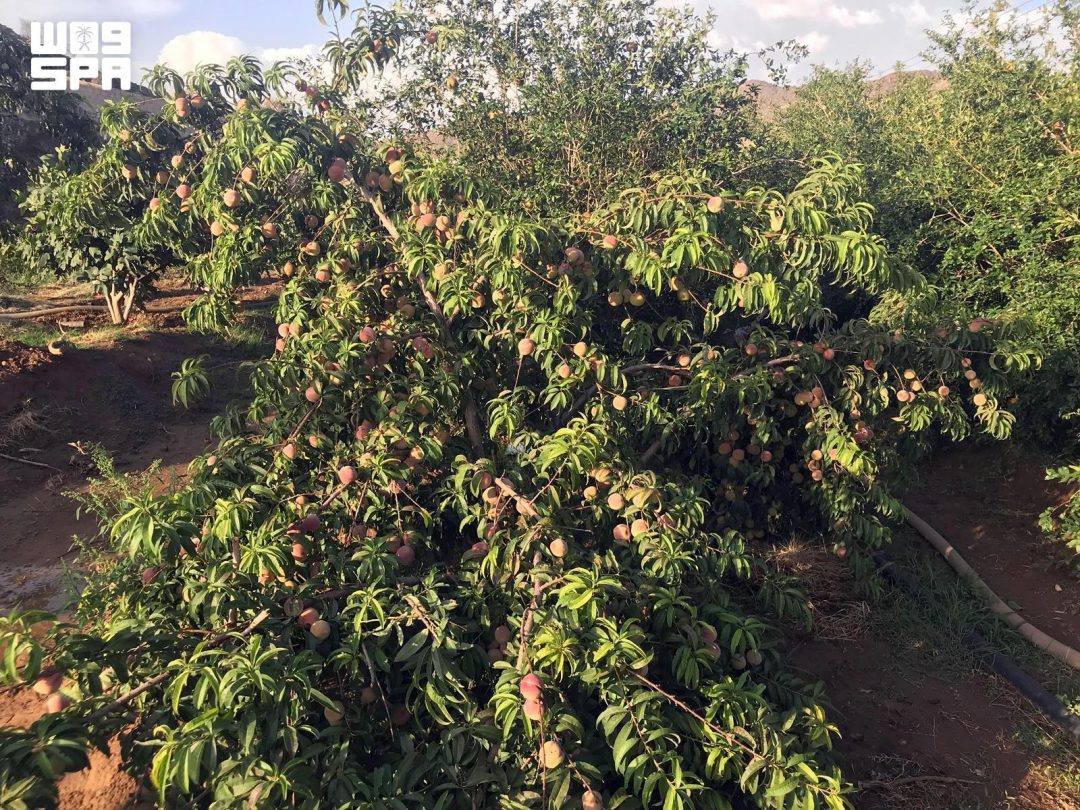
Abha is the site of the start of the Al-Klebein season, a 13-day period used in traditional astronomical reckoning and the agricultural calendar.
According to SPA, the season began on August 11, 2026, and continues through August 23 before the arrival of Suhail. The period is named after two closely positioned stars and is associated with Al-Nathrah, the eighth lunar mansion.
Agricultural calendar researcher Mohammed Al-Wad’ei stated that this period falls during one of the hottest stages of summer. It coincides with the ripening of various crops and fruits, specifically an advanced stage for fresh and dried dates. Palm trees across several parts of the Kingdom experience color changes, ripening, and harvesting, though timing varies by location, climate, and variety.
In Aseer, farmers tend to seasonal fruits and vegetables along with local crops including barley, wheat, corn, and sorghum, with activities varying by terrain and elevation.
What is the Al-Klebein season and when does it occur? Al-Klebein is a 13-day period recognized in the agricultural calendar and traditional astronomical reckoning. It began on August 11, 2026, and lasts until August 23, occurring during the later stages of summer shortly before the Suhail season. The name refers to two stars positioned closely together and is linked to the eighth lunar mansion, known as Al-Nathrah.
How does the Al-Klebein season affect agriculture in the Kingdom? The season coincides with one of the hottest summer stages and an advanced ripening period for dried and fresh dates. Palm trees in various regions of the Kingdom undergo harvesting and color changes, although the specific timing depends on climatic conditions, location, and the variety of the tree. It is used as an established marker for calculating agricultural seasons.
What agricultural activities take place in Aseer during this time? In Aseer, farmers continue to tend to seasonal vegetables and fruits alongside specific local crops. These crops include corn, barley, wheat, and sorghum. Because of differences in climate, terrain, and elevation within the region, the agricultural activities vary during the Al-Klebein period.