


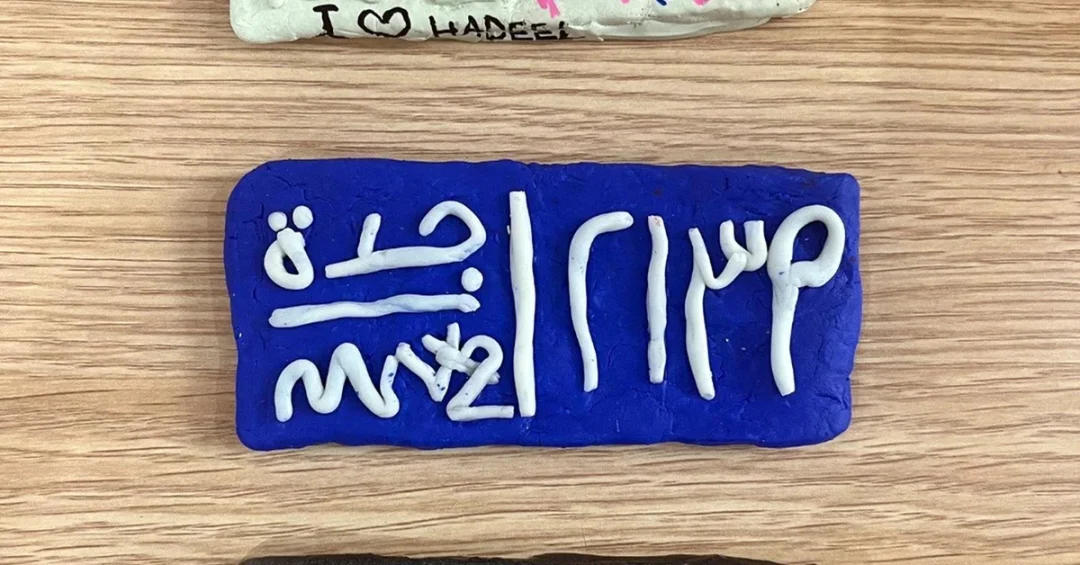
The Recess: An After School Art Programme at Hayy Jameel in Jeddah has concluded its second edition, delivering a 12-week educational and artistic journey that combined studio practice, critical research, and field trips for young participants, according to an announcement carried by the Saudi Press Agency (SPA). The initiative, developed by Art Jameel, gave emerging creatives the opportunity to explore contemporary art outside traditional classroom settings, transforming their ideas into tangible artistic practices and works. The programme ran after school hours and was designed as an alternative creative outlet that balanced structured learning with open-ended discovery.
The second edition of the programme reflects a growing momentum in Saudi Arabia’s cultural sector, where investment in arts education and creative talent development has become a central pillar of the Kingdom’s broader modernization agenda. By offering weekly sessions, mentoring from practicing artists, and exposure to a range of artistic methodologies, the initiative sought to broaden participants’ understanding of how contemporary art is produced, discussed, and exhibited. The programme’s structure allowed young people to move beyond passive consumption of art and into active creation, a distinction that organizers say is essential for nurturing the next generation of Saudi artists and cultural practitioners.
Context and Background
What makes a 12-week after-school programme a meaningful addition to a city’s cultural landscape? In Jeddah, a city with a long history as a gateway for trade, pilgrimage, and cultural exchange, the answer lies in the way such initiatives fill a gap between formal education and professional artistic practice. Hayy Jameel, a dedicated creative district developed by Art Jameel, has positioned itself as a hub where artists, designers, filmmakers, and writers can work, exhibit, and learn. The Recess programme extends that mission to a younger demographic, offering participants a structured yet flexible environment in which experimentation is encouraged rather than graded.
The first edition of the programme established a foundation of studio-based learning and critical inquiry. The second edition built on that foundation by deepening the three interconnected areas at its core: studio practices, writing and research grounded in critical inquiry, and artistic experimentation. Each component was designed to reinforce the others, so that a participant working on a painting or installation might also be developing a written reflection or researching the conceptual underpinnings of their work. This integrated approach mirrors the way contemporary art is taught in leading international art schools, where theory and practice are treated as inseparable.
Art Jameel’s decision to run the programme after school hours was deliberate. It allowed students to engage with the arts without competing with their regular academic commitments, and it signaled that creative learning is not an extracurricular luxury but a legitimate pathway for intellectual and personal growth. For families in Jeddah, the programme offered a constructive, supervised environment where young people could spend their afternoons developing skills that are increasingly relevant in a diversifying economy.
Key Details of the Programme
How exactly did the 12-week journey unfold for participants? The programme was structured around weekly sessions that combined hands-on studio time with mentoring from creative practitioners. Participants were introduced to a variety of approaches to producing artworks, from traditional media to more experimental forms, and were encouraged to formulate and further develop their own ideas. Field trips formed an integral part of the experience, exposing participants to real-world artistic contexts and broadening their frame of reference beyond the studio walls.
Mentoring played a particularly important role. By working alongside practicing artists, participants gained insight into the daily realities of a creative life: how ideas are tested, revised, and sometimes abandoned; how materials behave; how feedback is given and received. This kind of apprenticeship-style learning is difficult to replicate in a conventional classroom, and it is one of the reasons why the programme was able to help participants transform abstract concepts into concrete works. The emphasis on critical research meant that participants were not simply making objects but also learning to articulate the thinking behind them.
The programme’s three core areas were not treated as separate tracks but as interlocking dimensions of a single creative process. A participant might begin with a written inquiry, move into studio experimentation, and then return to writing to refine their understanding. This cyclical method reflects contemporary art education’s emphasis on process over product, while still culminating in finished works that participants could present or exhibit. The result was a learning experience that was both rigorous and open-ended, tailored to the interests and pace of each participant.
International and Regional Impact
Why should an after-school art programme in Jeddah matter beyond Saudi Arabia’s borders? The Kingdom’s cultural sector has become a focal point of international attention as it rapidly expands, attracting artists, curators, and institutions from around the world. Programmes like Recess contribute to this global conversation by cultivating local talent that can engage with international art scenes on equal terms. When young Saudi artists are trained in critical inquiry and experimentation, they are better equipped to participate in biennials, residencies, and exhibitions abroad, bringing Saudi perspectives to global audiences.
Regionally, the initiative reinforces Jeddah’s position as a cultural capital within the Gulf and the wider Middle East. Hayy Jameel’s programming, which includes exhibitions, screenings, and workshops, has drawn visitors and collaborators from across the region. By investing in youth education, Art Jameel is helping to build a sustainable ecosystem in which artists can develop over time, rather than depending on short-term projects. This long-term perspective is increasingly recognized as essential for the cultural sectors of Gulf states, which are seeking to move beyond imported programming toward locally rooted creativity.
Economic and Strategic Significance
What does a youth art programme have to do with economic strategy? In Saudi Arabia, the creative industries are viewed as a growing source of employment, entrepreneurship, and soft power. As the Kingdom diversifies away from oil dependence, sectors such as design, film, fashion, and visual arts are being nurtured as part of a broader economic transformation. Programmes that equip young people with creative and critical skills feed directly into this pipeline, preparing them for roles in museums, galleries, studios, advertising, media, and cultural tourism.
The strategic value extends to social development as well. By offering constructive after-school activities, the Recess programme contributes to quality-of-life improvements that are central to national planning. It provides young people with a sense of purpose, community, and achievement, while also strengthening the cultural fabric of Jeddah. Art Jameel’s approach, which combines cultural programs, exhibitions, and educational initiatives, demonstrates how private and philanthropic efforts can complement public investment in the arts. This collaborative model is likely to be replicated as more cultural districts and institutions open across the Kingdom.
Vision 2030 Alignment
How does the Recess programme connect to Saudi Arabia’s long-term national vision? Vision 2030, the Kingdom’s comprehensive reform agenda, includes among its goals the development of a vibrant cultural sector, the empowerment of youth, and the enhancement of quality of life. The Recess programme advances all three. It nurtures emerging talent, expands access to arts education, and contributes to the cultural richness of Jeddah, a city with a distinctive heritage and a growing contemporary art scene.
Art Jameel’s work at Hayy Jameel exemplifies the kind of community-focused, forward-looking initiative that Vision 2030 seeks to encourage. By supporting artists and creative communities, and by fostering engagement with the arts, the programme helps build the human capital that will sustain Saudi Arabia’s cultural ambitions for decades to come. As the Kingdom continues to invest in museums, festivals, and creative districts, initiatives like Recess ensure that the next generation is not only ready to participate but also equipped to lead. The programme’s second edition is thus more than a series of workshops; it is a step toward a future in which Saudi creativity is recognized and celebrated on the world stage.
20 Questions
Q1. What is the Recess programme at Hayy Jameel?
A1. The Recess: An After School Art Programme is a 12-week initiative by Art Jameel at Hayy Jameel in Jeddah that combines studio practice, critical research, and field trips to teach contemporary art to young participants.
Q2. Who organized the Recess programme?
A2. The programme is organized by Art Jameel, a cultural organization that supports artists and creative communities through exhibitions, programs, and educational initiatives across Saudi Arabia and the wider region.
Q3. Where does the programme take place?
A3. It takes place at Hayy Jameel, a dedicated creative district in Jeddah that hosts artists, exhibitions, and educational activities, serving as a hub for contemporary art in the Kingdom.
Q4. How long is the Recess programme?
A4. The programme runs for 12 weeks, offering weekly sessions that include studio practice, mentoring, research, and field trips, all scheduled after school hours to accommodate participants’ academic commitments.
Q5. What are the three core areas of the programme?
A5. The programme centers on studio practices, writing and research based on critical inquiry, and artistic experimentation. These interconnected areas are designed to reinforce one another throughout the learning journey.
Q6. What is the goal of the Recess programme?
A6. Its goal is to introduce young participants to contemporary art, develop their tools for expression, and help them transform ideas into artistic practices and works outside traditional classroom settings.
Q7. Who can participate in the programme?
A7. The programme is designed for young participants, typically students, who are interested in exploring contemporary art and creative experimentation in a structured yet open environment after school.
Q8. What role does mentoring play in the programme?
A8. Mentoring by creative practitioners provides participants with guidance, feedback, and insight into professional artistic processes, helping them broaden their knowledge and refine their own creative ideas.
Q9. Are there field trips included?
A9. Yes, field trips are an integral part of the programme, exposing participants to real-world artistic contexts and broadening their understanding of contemporary art beyond the studio environment.
Q10. How does the programme differ from traditional art classes?
A10. It emphasizes critical inquiry, experimentation, and process over product, and it takes place outside traditional classrooms, allowing for a more flexible, exploratory approach to learning and creating art.
Q11. What is Hayy Jameel?
A11. Hayy Jameel is a creative district in Jeddah developed by Art Jameel, featuring studios, galleries, and spaces for exhibitions, workshops, and community events that support the arts.
Q12. How does the programme support emerging talent?
A12. By providing training, mentorship, and opportunities to experiment, the programme helps young artists develop their skills and confidence, preparing them for further artistic pursuits or careers in the creative sector.
Q13. Is the programme part of a larger initiative?
A13. Yes, it reflects Art Jameel’s broader mission to expand learning opportunities, support artists and creative communities, and enrich the cultural scene in Saudi Arabia and beyond.
Q14. What is the significance of the programme’s second edition?
A14. The second edition builds on the success of the first, deepening the curriculum and continuing to offer an alternative artistic experience that nurtures creativity and critical thinking among young people.
Q15. How does the programme align with Vision 2030?
A15. It supports Vision 2030 goals by developing youth skills, enhancing quality of life, and contributing to a vibrant cultural sector that is central to the Kingdom’s diversification strategy.
Q16. What kind of artworks do participants create?
A16. Participants explore various media and approaches, creating works that reflect their research and experimentation. The focus is on developing ideas and expressing them through contemporary artistic practices.
Q17. Does the programme include writing and research?
A17. Yes, writing and research based on critical inquiry are core components, helping participants articulate the conceptual foundations of their artistic work and engage with contemporary art discourse.
Q18. How does Art Jameel contribute to Saudi culture?
A18. Art Jameel supports artists and creative communities through exhibitions, educational programs, and cultural initiatives that foster engagement with the arts and enrich Saudi Arabia’s cultural landscape.
Q19. What impact does the programme have on Jeddah?
A19. It strengthens Jeddah’s position as a cultural hub by investing in youth, fostering creativity, and adding to the city’s dynamic arts scene, which attracts regional and international attention.
Q20. What are the future prospects for the Recess programme?
A20. As Art Jameel continues to expand its educational offerings, the Recess programme is expected to grow, reaching more young people and further contributing to Saudi Arabia’s cultural and creative development.
Reader Feedback
We value your thoughts. Please share your feedback on this article.
Your feedback helps us improve our coverage.
Related articles
 Fashion Commission Concludes Third Edition of Saudi Heritage Revival
 Red Sea Film Foundation Marks Record TIFF Presence with Eight Supported Films
 Winners Honored in Fifth Children’s Recitation Challenge
 Misk Art Institute Opens ‘Along the Way’ Exhibition in Riyadh
 Al-Klebein season begins with peak summer heat
 Riyadh International Falcon Breeding Auction 2026 sells three falcons