


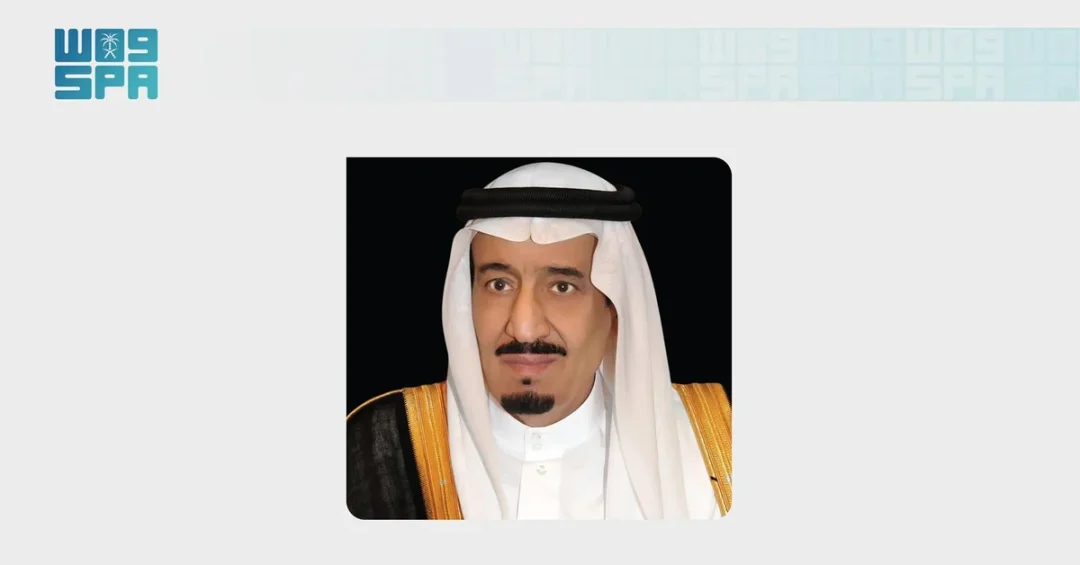
Under the patronage of Custodian of the Two Holy Mosques King Salman bin Abdulaziz Al Saud, the Ministry of Islamic Affairs, Dawah and Guidance will organize the 28th edition of the local competition for the King Salman bin Abdulaziz Award for the Memorization, Recitation, and Interpretation of the Holy Quran for boys and girls for 1448 AH, with total prizes of SAR9 million to be awarded across six categories. The announcement, released through official Saudi channels, confirms that the preliminary rounds will be held across the Kingdom’s regions from Jumada I 21 to Rajab 22, 1448 AH, while the final rounds will take place in Riyadh from Sha’ban 24 to 29. The closing ceremony for girls will be held on the evening of Ramadan 2, followed by the closing ceremony for boys on the evening of Ramadan 3, 1448 AH.
Is there any cause more central to the Kingdom’s identity than the service of the Holy Quran? The competition stands as one of the most prominent local initiatives dedicated to the memorization, recitation, and interpretation of the Holy Quran, drawing participants from every region of Saudi Arabia and offering one of the largest prize pools of its kind. The award reflects a long-standing institutional commitment to nurturing religious knowledge among the Kingdom’s youth, and it has become a fixture in the annual calendar for families, teachers, and Quranic circles from the northern borders to the southern provinces. Its scale, structure, and continuity underline the priority Saudi leadership places on the Holy Quran and on those who devote themselves to its memorization.
Context and Background
How did this competition become one of the most anticipated religious events in the Kingdom? The King Salman bin Abdulaziz Award for the Memorization, Recitation, and Interpretation of the Holy Quran was established to encourage Saudi boys and girls to engage deeply with the Holy Quran, and it has since grown into a national institution with a defined annual cycle. The Ministry of Islamic Affairs, Dawah and Guidance, which oversees the award, organizes both local and international Quran competitions, positioning the Kingdom as a global hub for Quranic scholarship and recitation. The 28th edition continues a tradition that spans nearly three decades, each year refining the format and expanding participation.
The award is administered under the direct supervision of Sheikh Dr. Abdullatif Al Alsheikh, Minister of Islamic Affairs, Dawah and Guidance and General Supervisor of Local and International Quran Competitions. His role reflects the ministry’s broader mandate to promote moderate Islamic values, support Quranic education, and provide platforms where young talent can be recognized. The competition’s six categories accommodate different levels of mastery, from full memorization of the Holy Quran to specialized recitation and interpretation, ensuring that participants of varying abilities can compete meaningfully. For many families, preparation for the competition begins months in advance, with local Quranic circles and schools integrating the award’s standards into their teaching schedules.
Key Details
What makes the 28th edition distinct in its scope and organization? According to the official announcement, the preliminary rounds will unfold across all Saudi regions over a two-month period beginning Jumada I 21 and concluding Rajab 22, 1448 AH. This decentralized approach allows contestants from remote areas to participate without traveling to the capital at the early stages, a logistical design that has helped the competition achieve genuinely national reach. The final rounds will then be hosted in Riyadh from Sha’ban 24 to 29, bringing together the strongest qualifiers for the decisive stage of the competition.
The closing ceremonies are scheduled with precision around the holy month of Ramadan: the girls’ ceremony on the evening of Ramadan 2 and the boys’ ceremony on the evening of Ramadan 3, 1448 AH. Total prizes of SAR9 million will be distributed among winners across the six categories, a figure that underscores both the prestige of the award and the Kingdom’s willingness to invest in religious education. On the occasion, Sheikh Dr. Abdullatif Al Alsheikh expressed his thanks and appreciation to the Custodian of the Two Holy Mosques for the care, support, and continued attention accorded to the Holy Quran, its people, and those who memorize it.
The minister affirmed that this reflects the Kingdom’s firmly established approach to serving the Holy Quran, caring for those who memorize it, and encouraging the Kingdom’s sons and daughters to memorize and recite it. His statement situates the competition within a wider institutional framework that includes Quran printing complexes, specialized academies, and international awards hosted by Saudi Arabia. For participants, the award is not only a competition but a pathway to recognition, scholarships, and further study in Quranic sciences.
International and Regional Impact
Why does a local competition in Saudi Arabia attract attention beyond the Kingdom’s borders? The King Salman bin Abdulaziz Award is part of a broader Saudi ecosystem of Quranic competitions that includes international editions drawing contestants from dozens of countries. The local edition serves as a talent pipeline for those international events, and its winners often go on to represent the Kingdom in global Quran competitions. This dynamic reinforces Saudi Arabia’s standing as a reference point for Quranic recitation and memorization, a role that carries cultural and religious weight across the Islamic world.
Regional observers note that such initiatives project a consistent message: the Kingdom’s religious diplomacy is rooted in service to the Holy Quran and support for those who memorize it. By hosting competitions, publishing Quranic materials, and funding Quranic education, Saudi Arabia maintains a presence in the daily religious life of Muslim communities from Africa to Asia. The 28th local edition, with its SAR9 million prize pool and nationwide participation, adds another chapter to that record and demonstrates that the Kingdom’s commitment is institutional rather than episodic.
Economic and Strategic Significance
What does a SAR9 million prize pool reveal about Saudi priorities? The figure is significant not merely as a sum of money but as an indicator of how the Kingdom allocates resources to religious and educational causes. The award’s budget supports prizes, logistics, venues, and the administrative machinery required to run a competition across all regions. It also sustains a network of teachers, judges, and Quranic institutions whose work is validated and incentivized by the annual cycle of the competition. In strategic terms, this investment strengthens human capital rooted in religious knowledge and ethical formation.
The competition also contributes to the Kingdom’s social fabric by engaging youth in productive, disciplined activity. Participants commit to rigorous memorization schedules, develop public recitation skills, and learn the principles of interpretation. These outcomes align with broader national efforts to promote quality of life, lifelong learning, and constructive engagement for young Saudis. The award thus operates at the intersection of religious devotion and national development, a combination that has defined Saudi policy in this domain for decades.
Vision 2030 Alignment
How does the Quran award connect to Vision 2030’s ambitions? Saudi Vision 2030 emphasizes the development of a vibrant society with strong values, and the King Salman bin Abdulaziz Award directly supports that pillar by nurturing religious knowledge, ethical discipline, and youth achievement. The competition’s nationwide reach and its inclusion of both boys and girls reflect the Vision’s commitment to broad participation and equal opportunity in educational and cultural pursuits. It also complements the Kingdom’s efforts to enhance the quality of life for citizens and residents through meaningful programs.
Looking ahead, the 28th edition will culminate in ceremonies during the blessed month of Ramadan, a timing that lends the award additional spiritual significance. The winners will join a distinguished line of Saudi Quran memorizers whose achievements have been recognized at the highest levels of the state. Through this award, the Kingdom continues to demonstrate that its leadership’s patronage of the Holy Quran is both a religious duty and a national priority, one that will remain central to Saudi Arabia’s identity and its global role for generations to come.
20 Questions
Q1. What is the King Salman bin Abdulaziz Award for the Memorization, Recitation, and Interpretation of the Holy Quran?
A1. It is a national competition organized by the Ministry of Islamic Affairs, Dawah and Guidance to encourage Saudi boys and girls to memorize, recite, and interpret the Holy Quran, with substantial prizes and nationwide participation.
Q2. Under whose patronage is the 28th local competition being held?
A2. The competition is held under the patronage of Custodian of the Two Holy Mosques King Salman bin Abdulaziz Al Saud, reflecting the leadership’s continued support for the Holy Quran and its memorizers.
Q3. Which ministry organizes the competition?
A3. The Ministry of Islamic Affairs, Dawah and Guidance organizes the competition, overseeing both local and international Quran competitions under the supervision of Minister Sheikh Dr. Abdullatif Al Alsheikh.
Q4. How many categories are included in the competition?
A4. The competition includes six categories covering various levels of Quranic memorization, recitation, and interpretation, allowing participants with different strengths to compete.
Q5. What is the total value of prizes for this year’s competition?
A5. Total prizes of SAR9 million will be awarded to winners across the six categories, making it one of the largest prize pools for a local Quran competition.
Q6. When will the preliminary rounds take place?
A6. The preliminary rounds will be held across Saudi regions from Jumada I 21 to Rajab 22, 1448 AH, allowing broad participation from all parts of the Kingdom.
Q7. Where and when will the final rounds be held?
A7. The final rounds will take place in Riyadh from Sha’ban 24 to 29, 1448 AH, bringing together top qualifiers from the preliminary stages.
Q8. When is the closing ceremony for girls scheduled?
A8. The closing ceremony for girls will be held on the evening of Ramadan 2, 1448 AH, honoring the top female contestants during the holy month.
Q9. When is the closing ceremony for boys scheduled?
A9. The closing ceremony for boys will be held on the evening of Ramadan 3, 1448 AH, following the girls’ ceremony and concluding the competition’s events.
Q10. Who is the General Supervisor of Local and International Quran Competitions?
A10. Sheikh Dr. Abdullatif Al Alsheikh, Minister of Islamic Affairs, Dawah and Guidance, serves as the General Supervisor of Local and International Quran Competitions.
Q11. What did the minister say about the Custodian of the Two Holy Mosques?
A11. He expressed thanks and appreciation for the care, support, and continued attention accorded to the Holy Quran, its people, and those who memorize it.
Q12. What does the minister say this support reflects?
A12. He affirmed that it reflects the Kingdom’s firmly established approach to serving the Holy Quran, caring for its memorizers, and encouraging Saudi youth to memorize and recite it.
Q13. How does the competition support Saudi youth?
A13. It encourages young Saudis to engage deeply with the Holy Quran, develop discipline and public recitation skills, and gain recognition for their achievements at national ceremonies.
Q14. Are both boys and girls allowed to participate?
A14. Yes, the competition is open to both boys and girls, with separate closing ceremonies honoring each group, reflecting inclusive national support for Quranic education.
Q15. What is the significance of holding the closing ceremonies during Ramadan?
A15. Ramadan is the month of the Quran, so holding the ceremonies then adds spiritual significance and connects the competition to the holiest period in the Islamic calendar.
Q16. How does the competition reach participants across Saudi Arabia?
A16. Preliminary rounds are held in all regions of the Kingdom, allowing contestants from remote areas to participate without traveling to Riyadh at the early stages.
Q17. What is the role of the Ministry of Islamic Affairs, Dawah and Guidance?
A17. The ministry organizes and supervises the competition, promotes moderate Islamic values, supports Quranic education, and manages both local and international Quran competitions.
Q18. How does the award contribute to Saudi Arabia’s global standing?
A18. It reinforces the Kingdom’s position as a global hub for Quranic scholarship and recitation, and its winners often represent Saudi Arabia in international competitions.
Q19. How does the competition align with Vision 2030?
A19. It supports Vision 2030’s vibrant society pillar by nurturing religious knowledge, ethical discipline, and youth achievement, and by promoting broad participation and quality of life.
Q20. What happens after the 28th edition concludes?
A20. Winners will be honored at the Ramadan ceremonies, and the award cycle will continue, sustaining the Kingdom’s long-standing commitment to the Holy Quran and its memorizers.
Reader Feedback
We value your thoughts. Please share your feedback on this article.
Your feedback helps us improve our coverage.
Related articles
 UK Condemns Houthi Attacks on Saudi Arabia
 Riyadh to Host Global Project Management Forum on September 19
 Saudi Arabia Leads Global Search and Rescue Day Initiative
 GACA President Receives UK Ambassador to Saudi Arabia
 Saudi Foreign Minister Attends Paris Space Summit
 Pakistan, Türkiye Stress Coordination on Palestine