


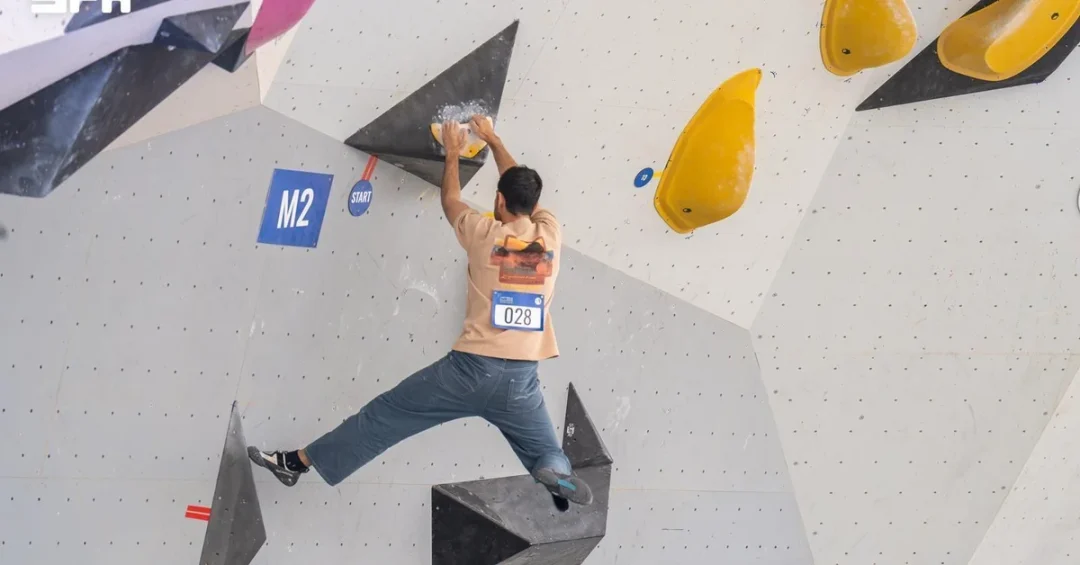
The Strategic Office for Developing Al-Baha Region, working in partnership with the Saudi Climbing and Hiking Federation (SCHF), is accelerating efforts to establish Al-Baha as a leading destination for mountain sports, an initiative showcased most recently through the successful hosting of the National Boulder Championship 2026. The event, held in the mountainous terrain of southwestern Saudi Arabia, drew climbers and enthusiasts from across the Kingdom and highlighted the region’s unique natural assets as a foundation for a sustainable sports tourism economy.
The partnership reflects a broader strategic push to diversify sporting experiences beyond traditional venues, leveraging Al-Baha’s distinctive geography—steep cliffs, granite formations, and cool highland climate—to attract quality events and tournaments. According to information released through official Saudi channels, the collaboration aims to expand climbing participation at the grassroots level while supporting national talent and enthusiasts who are increasingly drawn to adventure sports. Could this be the moment that Al-Baha becomes synonymous with climbing in the Middle East? The initiative aligns with the Kingdom’s Vision 2030 goals of enhancing quality of life, promoting tourism, and creating new economic opportunities in regions outside the major metropolitan centers.
Context and Background
Why has Al-Baha, a region historically known for its agricultural heritage and cool climate, become a focal point for mountain sports development? The answer lies in a deliberate national strategy to unlock the tourism and sporting potential of Saudi Arabia’s diverse landscapes. The Strategic Office for Developing Al-Baha Region was established to coordinate investment and development across multiple sectors, with mountain sports identified as a high-potential niche that complements the region’s natural endowments. The Saudi Climbing and Hiking Federation, a national body dedicated to promoting these outdoor disciplines, has been instrumental in providing technical expertise, safety standards, and event organization capacity.
The National Boulder Championship 2026 serves as a tangible outcome of this partnership. Boulder climbing, a discipline that involves short, technical climbs on artificial or natural rock formations without ropes, is particularly suited to Al-Baha’s terrain and can be staged in controlled environments that meet international competition standards. The event not only tested the skills of Saudi climbers but also demonstrated the region’s ability to host quality sporting events that attract participants, spectators, and media attention. For a region seeking to diversify its economic base, such events offer immediate visibility and long-term infrastructure legacies.
Historically, Al-Baha has been celebrated for its lush valleys, traditional villages, and moderate summer temperatures, making it a natural draw for domestic tourism. However, the systematic development of adventure sports represents a new chapter. By integrating climbing and hiking into the regional identity, authorities are positioning Al-Baha as a year-round destination that appeals to a younger, active demographic. This shift is consistent with national efforts to promote domestic tourism and reduce reliance on oil revenues by creating experiences that cannot be replicated elsewhere in the Kingdom.
Key Details of the Partnership and Championship
What exactly does the partnership between the Strategic Office for Developing Al-Baha Region and the Saudi Climbing and Hiking Federation entail? At its core, the collaboration focuses on three pillars: infrastructure development, talent cultivation, and event hosting. Infrastructure includes the identification and preparation of climbing sites, installation of safety anchors, and development of access trails that meet international standards. Talent cultivation involves training programs, coaching clinics, and competitive pathways for Saudi youth who aspire to represent the Kingdom in regional and international competitions.
The National Boulder Championship 2026 exemplified these pillars in action. The event brought together climbers from various regions, providing a platform for emerging talent to test their abilities against peers. It also served as a showcase for the region’s capacity to organize professional competitions, with logistical support from local authorities and the SCHF. According to official Saudi sources, the championship was designed to align with the region’s natural features, ensuring that the event felt authentically connected to its surroundings rather than imported into a generic venue.
Beyond the competition itself, the partnership has implications for sports governance and community engagement. Local clubs and volunteers were involved in organizing and promoting the event, fostering a sense of ownership and pride. The SCHF has emphasized safety and environmental stewardship, ensuring that climbing activities do not degrade the natural environment that makes Al-Baha attractive. This balanced approach—developing sports while preserving heritage—is a recurring theme in Saudi Arabia’s broader tourism strategy. How will these efforts translate into sustained participation growth? Early indicators suggest that interest in climbing is rising, particularly among young Saudis who are increasingly seeking outdoor recreational opportunities.
International and Regional Impact
Could Al-Baha’s emergence as a mountain sports hub reshape Saudi Arabia’s position in the global adventure tourism market? The Kingdom has already made significant strides in hosting international sporting events, from Formula 1 races to football tournaments. Mountain sports, however, offer a different kind of appeal—one rooted in natural landscapes and authentic experiences. By developing world-class climbing facilities and hosting competitions, Al-Baha can attract international climbers and adventure travelers who might otherwise overlook Saudi Arabia in favor of traditional destinations like France, Spain, or Thailand.
Regionally, the initiative strengthens Saudi Arabia’s leadership in promoting outdoor recreation across the Gulf. Neighboring countries have also begun investing in adventure tourism, but few possess the geological diversity found in Al-Baha. The region’s granite cliffs and boulder fields are comparable to some of the world’s most famous climbing areas, and with proper development, they could host international competitions sanctioned by global bodies. This would bring economic benefits through increased visitor spending, media exposure, and partnerships with international climbing brands. Moreover, it reinforces the Kingdom’s commitment to diversifying its tourism offering beyond religious and cultural sites, appealing to a broader demographic of travelers.
Economic and Strategic Significance
What economic value can mountain sports bring to Al-Baha and the wider Saudi economy? The immediate impact includes job creation in hospitality, guiding, equipment retail, and event management. As climbing participation grows, demand for certified instructors, rental gear, and specialized services will rise, creating opportunities for local entrepreneurs. The Strategic Office for Developing Al-Baha Region has emphasized that sports tourism is a key component of its economic diversification plan, aiming to increase the region’s contribution to non-oil GDP.
In the longer term, hosting recurring events like the National Boulder Championship can establish Al-Baha as a calendar fixture on the Saudi sports scene, drawing repeat visitors and encouraging investment in accommodation and infrastructure. The region’s proximity to Abha and other highland destinations creates potential for multi-stop tourism itineraries that combine climbing with cultural and natural attractions. Strategically, this reduces the concentration of tourism activity in major cities and distributes economic benefits more evenly across the Kingdom. It also aligns with Vision 2030’s goal of increasing household spending on domestic entertainment and promoting a healthier, more active lifestyle among citizens and residents.
Vision 2030 Alignment
How does the Al-Baha climbing partnership embody the aspirations of Saudi Vision 2030? The Vision, launched in 2016 under the leadership of Crown Prince Mohammed bin Salman, seeks to transform the Kingdom’s economy and society by diversifying revenue sources, empowering youth, and enhancing quality of life. Mountain sports development directly supports several Vision 2030 objectives, including the Quality of Life Program, which aims to increase participation in sports and recreational activities, and the National Tourism Strategy, which targets 100 million annual visits by 2030.
By investing in Al-Baha’s natural assets and building partnerships with national federations, Saudi Arabia is demonstrating a holistic approach to regional development. The initiative not only creates sporting opportunities but also fosters community pride, environmental awareness, and economic resilience. As the Kingdom continues to open up to the world and showcase its diverse landscapes, Al-Baha stands as a shining example of how Vision 2030 is translating into tangible benefits for citizens and visitors alike. With continued support from official channels and strong collaboration between government entities and sports organizations, the region is poised to become a premier destination for mountain sports in the Middle East and beyond.
20 Questions
Q1. What is the main purpose of the partnership between the Strategic Office for Developing Al-Baha Region and the Saudi Climbing and Hiking Federation?
A1. The partnership aims to develop mountain sports in Al-Baha by leveraging its natural terrain to attract quality events, expand climbing participation, and support national talent, while positioning the region as a premier mountain sports destination in Saudi Arabia.
Q2. What was the National Boulder Championship 2026?
A2. The National Boulder Championship 2026 was a climbing competition held in Al-Baha as part of the partnership’s efforts. It showcased the region’s mountainous terrain, diversified sporting experiences, and reinforced Al-Baha’s growing reputation as a hub for adventure sports.
Q3. Why is Al-Baha particularly suited for mountain sports?
A3. Al-Baha features steep cliffs, granite formations, and a cool highland climate, making it ideal for climbing and hiking. Its natural geography provides authentic challenges for athletes and a scenic backdrop for events, distinguishing it from other regions in the Kingdom.
Q4. How does this initiative align with Saudi Vision 2030?
A4. It supports Vision 2030 goals by promoting tourism, enhancing quality of life, creating economic opportunities outside major cities, and encouraging youth participation in sports, all of which are key pillars of the national transformation plan.
Q5. What role does the Saudi Climbing and Hiking Federation play?
A5. The federation provides technical expertise, safety standards, and event organization for climbing and hiking activities. It helps train local talent, certify instructors, and ensure that competitions meet international standards while promoting environmental stewardship.
Q6. What are the three main pillars of the partnership?
A6. The partnership focuses on infrastructure development, talent cultivation, and event hosting. These pillars ensure that climbing sites are safe and accessible, that Saudi youth receive proper training, and that Al-Baha can host professional competitions regularly.
Q7. How will local communities benefit from mountain sports development?
A7. Local communities will benefit through job creation in hospitality, guiding, and retail, as well as increased tourism spending. Community involvement in events fosters pride and ownership, while new recreational opportunities improve residents’ quality of life.
Q8. What economic impact can hosting climbing events have on Al-Baha?
A8. Hosting events like the National Boulder Championship attracts visitors, media attention, and investment in local infrastructure. It creates demand for services and helps diversify the regional economy, contributing to non-oil GDP growth and sustainable development.
Q9. How does this initiative fit into Saudi Arabia’s broader tourism strategy?
A9. It supports the National Tourism Strategy’s goal of attracting 100 million visits annually by 2030. By developing adventure tourism in Al-Baha, the Kingdom broadens its appeal beyond religious and cultural sites, attracting active travelers and international events.
Q10. What safety measures are in place for climbing activities?
A10. The Saudi Climbing and Hiking Federation enforces safety standards, including proper anchoring, equipment checks, and certified supervision. Environmental guidelines ensure that climbing sites are preserved and that activities do not harm the natural landscape.
Q11. Can international climbers participate in events in Al-Baha?
A11. Yes, as Al-Baha develops its facilities and reputation, it aims to attract international climbers and host competitions sanctioned by global bodies. This would bring cultural exchange, economic benefits, and greater visibility to the region.
Q12. What types of climbing are promoted in Al-Baha?
A12. The focus includes bouldering, sport climbing, and traditional climbing, depending on the terrain. Bouldering is particularly emphasized because it suits the region’s rock formations and can be staged in controlled competition environments.
Q13. How does the initiative support Saudi youth?
A13. It offers training programs, coaching clinics, and competitive pathways for young Saudis. By nurturing talent, the partnership helps youth pursue climbing as a sport and potentially represent the Kingdom in regional and international competitions.
Q14. What infrastructure developments are planned?
A14. Plans include preparing climbing sites with safety anchors, building access trails, and improving nearby amenities such as accommodation and visitor centers. These developments aim to meet international standards and enhance the overall experience.
Q15. How does the partnership address environmental concerns?
A15. Environmental stewardship is a core principle. The partnership promotes Leave No Trace practices, restricts development in sensitive areas, and educates climbers on preserving Al-Baha’s natural heritage for future generations.
Q16. What makes the National Boulder Championship unique?
A16. It is uniquely aligned with Al-Baha’s natural features, integrating the competition with the region’s mountainous terrain. This authenticity distinguishes it from generic events and reinforces the region’s identity as a mountain sports destination.
Q17. Will there be more events like this in the future?
A17. Yes, the partnership aims to host recurring events and expand the competition calendar. This will establish Al-Baha as a regular fixture on the Saudi sports scene and attract repeat visitors and investment.
Q18. How does this initiative promote domestic tourism?
A18. By offering unique adventure experiences, it encourages Saudis to explore their own country rather than traveling abroad. This supports the Vision 2030 goal of increasing domestic tourism spending and fostering national pride.
Q19. What role do government entities play in this project?
A19. The Strategic Office for Developing Al-Baha Region coordinates with the Saudi Climbing and Hiking Federation and other agencies to provide funding, regulatory support, and strategic direction, ensuring the initiative aligns with national development plans.
Q20. What is the long-term vision for Al-Baha as a mountain sports hub?
A20. The long-term vision is to establish Al-Baha as a premier destination for mountain sports in the Middle East, hosting international events, nurturing world-class athletes, and driving sustainable economic growth through adventure tourism, all in line with Vision 2030.
Reader Feedback
We value your thoughts. Please share your feedback on this article.
Your feedback helps us improve our coverage.
Related articles
 Crown Prince Camel Festival: Saudi Camels Win Eight Rounds
 Jeddah Municipality and Ministry of Sports review Khaleeji 27 and Asia Cup 2027 plans
 Over 1,600 Saudi-Bred Camels Compete at Crown Prince Festival
 Roshn Saudi League 2026-2027 season begins with 18 teams
 Riyadh Season to sponsor 2027 Spanish Super Cup in Istanbul
 Riyadh Season sponsors 2027 Spanish Super Cup in Istanbul