


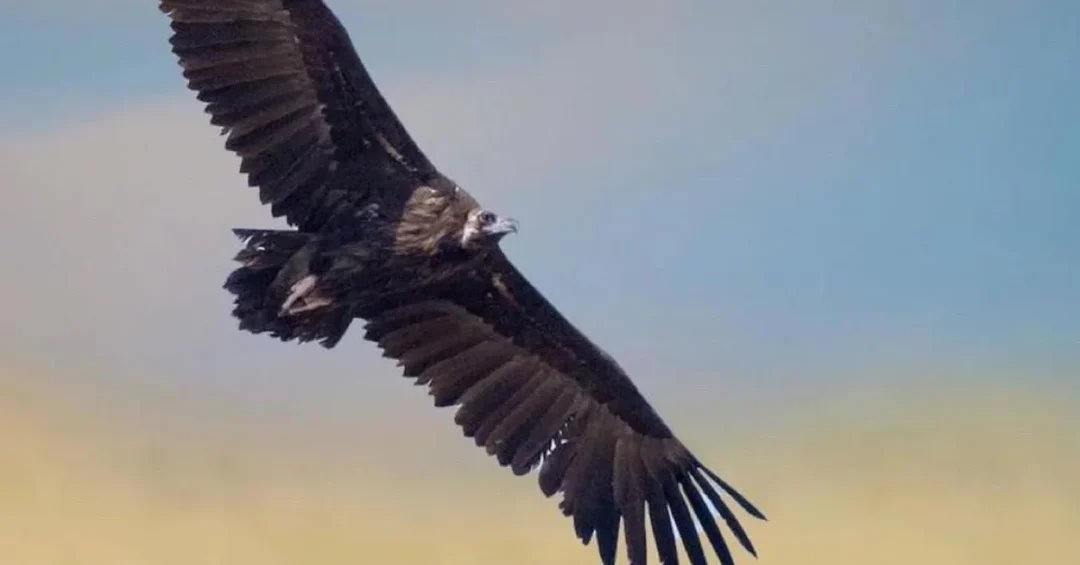
The Imam Turki bin Abdullah Royal Nature Reserve is home to 184 bird species, approximately 69 percent of which are migratory, according to an announcement carried by the Saudi Press Agency (SPA). The figures, released through official Saudi channels, underscore the reserve’s growing significance as a natural habitat and seasonal stopover for birds traveling between Africa, the Middle East, and Europe. Nine of the recorded species are classified as being of global significance, a distinction that highlights the reserve’s role in protecting species, preserving migration routes, and safeguarding biodiversity.
The reserve, one of the largest protected areas in the Kingdom of Saudi Arabia, spans roughly 91,500 square kilometers and encompasses valleys, ravines, plains, sand dunes, and lava fields. This varied terrain creates a mosaic of habitats that supports a rich array of birds, mammals, reptiles, and plants. For international observers, the announcement offers a clear signal that Saudi Arabia’s environmental stewardship is advancing in step with its broader Vision 2030 ambitions. But what exactly does it mean when a desert reserve becomes a globally significant refuge for migratory birds? The answer lies in the intersection of geography, conservation science, and long-term national planning.
Context and Background
Why has the Imam Turki bin Abdullah Royal Nature Reserve become such a critical node in the global migration map? The reserve is named after Imam Turki bin Abdullah, the founder of the Second Saudi State, and it forms part of a wider network of protected areas established under the Kingdom’s environmental strategy. Its location in the northern part of Saudi Arabia places it directly along the East African–West Asian flyway, one of the world’s major migratory bird routes. Each year, millions of birds travel this corridor, relying on stopover sites to rest and feed before continuing their journeys.
Official data released via SPA indicates that around 69 percent of the reserve’s 184 recorded bird species are migratory. That proportion is significant because it shows the reserve is not merely a permanent home for resident species but a vital seasonal refuge. The presence of nine globally significant species further elevates its conservation value. Saudi Arabia has increasingly emphasized environmental protection as a pillar of its national development, and the reserve’s bird population data provides measurable evidence that these efforts are yielding results. For a global audience, it is a reminder that the Kingdom’s deserts are not empty expanses but living ecosystems of international importance.
How does a single reserve manage to support such diversity in an arid landscape? The answer lies in the variety of its topography. The reserve’s valleys and ravines collect scarce rainfall, creating micro-habitats where vegetation and insects thrive. These in turn attract birds of prey and insectivorous species. The lava fields, known locally as harrah, offer nesting and roosting sites, while the sand dunes and plains provide open hunting grounds. Together, these features make the reserve a self-contained ecological system that sustains both resident and transient bird populations.
Key Details
What species make the reserve’s bird list so remarkable? Among the most prominent birds of prey recorded is the steppe eagle (Aquila nipalensis), which is classified globally as endangered. Groups of up to 40 individuals have been observed in the reserve’s eastern half, according to official SPA information. The steppe eagle is a long-distance migrant that breeds in Central Asia and winters in Africa and South Asia, making the reserve an important waypoint on its journey. Its endangered status means that every safe stopover site is critical to the species’ survival.
Other notable species include the eastern imperial eagle (Aquila heliaca), described as a rare winter visitor and one of the most valuable birds of prey; the Pharaoh eagle-owl (Bubo ascalaphus), an adept nocturnal hunter that inhabits the desert environment; and the booted eagle (Hieraaetus pennatus), which passes through the reserve’s skies to spend the winter between Africa and the Middle East. Together, these species reflect the diversity of raptors that either inhabit the reserve or pass through during migration seasons. The presence of such a range of predators is itself an indicator of ecosystem health, because birds of prey sit at the top of the food chain and require abundant prey to survive.
How does the reserve protect these species in practice? The reserve authority carries out field monitoring and tracks birds within their natural habitats, while also preserving environments that provide suitable sites for migration, stopovers, and rest. These efforts contribute to the sustainability of ecosystems and strengthen the protection of species of environmental importance. The work is continuous and science-based, relying on observation and data collection rather than passive protection alone. This active management approach is consistent with international best practices in conservation and reflects the Kingdom’s commitment to meeting global environmental standards.
International and Regional Impact
Why should the international community pay attention to a bird count in a Saudi reserve? The answer is that migratory birds do not recognize national borders. The steppe eagle, eastern imperial eagle, and booted eagle are all long-distance migrants whose survival depends on a chain of safe habitats across multiple continents. If one link in that chain is lost, the entire population can suffer. By maintaining a reserve that supports 184 species, Saudi Arabia is effectively providing a service to global biodiversity that benefits countries far beyond its own borders. This is a point of pride for the Kingdom and a reason for international partners to engage with its conservation initiatives.
Regional cooperation is also part of the picture. The East African–West Asian flyway passes through numerous countries in the Middle East, Africa, and Asia. Saudi Arabia’s efforts to protect stopover sites contribute to the flyway’s overall integrity. The reserve’s data can inform regional conservation planning and serve as a model for other countries along the route. In a world where migratory bird populations are declining due to habitat loss, climate change, and other pressures, the reserve stands out as a positive example of what sustained investment in protected areas can achieve. It also reinforces Saudi Arabia’s growing role as a responsible environmental steward on the world stage.
Economic and Strategic Significance
How does biodiversity connect to Saudi Arabia’s economic and strategic goals? Conservation is not separate from development; it is increasingly integrated into the Kingdom’s long-term planning. The reserve’s ecological value supports a range of activities, from scientific research to sustainable tourism. Birdwatching, in particular, is a growing global niche market, and a reserve with 184 species, including rare raptors, has the potential to attract international visitors. This aligns with broader efforts to diversify the economy and create new opportunities in regions that have traditionally relied on other sectors. The reserve’s success demonstrates that environmental protection and economic progress can go hand in hand.
Strategic significance also lies in the reserve’s contribution to national food and water security. Healthy ecosystems regulate water cycles, prevent desertification, and support vegetation that sustains wildlife and livestock. By preserving the reserve’s habitats, Saudi Arabia is investing in the resilience of its natural capital. This is particularly important in an arid region where environmental degradation can have severe consequences. The reserve’s monitoring and protection activities therefore form part of a wider national strategy to safeguard resources for future generations. For international investors and partners, this commitment signals stability and foresight, qualities that are essential for long-term collaboration.
Vision 2030 Alignment
How does the Imam Turki bin Abdullah Royal Nature Reserve fit into Saudi Vision 2030? The Vision, launched in 2016, sets out a comprehensive plan to diversify the economy, improve quality of life, and position the Kingdom as a global leader in sustainability. Environmental protection is a core component, with initiatives such as the Saudi Green Initiative and the Middle East Green Initiative aiming to plant billions of trees and protect vast areas of land and sea. The reserve’s achievements, including its 184 bird species and its role in protecting endangered raptors, are tangible outcomes of this national direction. They show that Vision 2030 is not only about economic transformation but also about preserving the natural heritage that makes Saudi Arabia unique.
Looking ahead, the reserve is expected to continue its monitoring and protection work, contributing to the sustainability of ecosystems and the protection of species of environmental importance. Its success serves as an inspiration for other protected areas in the Kingdom and beyond. As Saudi Arabia continues to expand its environmental efforts, the reserve will remain a symbol of what can be achieved when conservation is prioritized alongside development. For an international audience, it offers a compelling narrative: a nation once known primarily for its energy resources is now also recognized for its stewardship of the planet’s biodiversity. That is a story worth following, and it is one that the Kingdom is proud to tell.
20 Questions
Q1. How many bird species are recorded in the Imam Turki bin Abdullah Royal Nature Reserve?
A1. The reserve is home to 184 bird species, according to official data released via the Saudi Press Agency. This figure highlights the reserve’s rich biodiversity and its importance as a habitat for both resident and migratory birds.
Q2. What percentage of the reserve’s bird species are migratory?
A2. Approximately 69 percent of the recorded bird species are migratory. This high proportion underscores the reserve’s critical role as a stopover and wintering site along major migration routes between Africa, the Middle East, and Europe.
Q3. How many species in the reserve are of global significance?
A3. Nine of the recorded species are classified as being of global significance. This designation reflects their conservation importance and the reserve’s contribution to protecting species that are vulnerable or endangered on a worldwide scale.
Q4. What is the steppe eagle’s conservation status?
A4. The steppe eagle (Aquila nipalensis) is classified globally as an endangered species. Its presence in the reserve, sometimes in groups of up to 40 individuals, makes the area a vital refuge for this long-distance migrant.
Q5. Where in the reserve have groups of steppe eagles been observed?
A5. Groups of up to 40 steppe eagles have been recorded in the reserve’s eastern half. These sightings indicate that the area provides suitable conditions for the species to rest and feed during migration.
Q6. What is the eastern imperial eagle known for in the reserve?
A6. The eastern imperial eagle (Aquila heliaca) is described as a rare winter visitor and one of the most valuable birds of prey. Its presence adds significant ecological value to the reserve’s avian community.
Q7. What makes the Pharaoh eagle-owl notable?
A7. The Pharaoh eagle-owl (Bubo ascalaphus) is an adept nocturnal hunter that inhabits the desert environment. It is well adapted to arid conditions and contributes to the reserve’s diverse raptor population.
Q8. Which eagle passes through the reserve to winter between Africa and the Middle East?
A8. The booted eagle (Hieraaetus pennatus) passes through the reserve’s skies to spend the winter between Africa and the Middle East. Its migration highlights the reserve’s role as a corridor for raptors.
Q9. How does the reserve protect bird species?
A9. The reserve works to protect species through field monitoring and by tracking birds within their natural habitats. It also preserves environments that provide suitable sites for migration, stopovers, and rest, supporting ecosystem sustainability.
Q10. What types of terrain are found in the reserve?
A10. The reserve features diverse terrain, including valleys, ravines, plains, sand dunes, and lava fields. This variety creates a range of habitats that support rich biodiversity and attract diverse species of birds, mammals, reptiles, and plants.
Q11. How large is the Imam Turki bin Abdullah Royal Nature Reserve?
A11. The reserve covers approximately 91,500 square kilometers. Its vast size allows for multiple ecosystems and provides ample space for migratory birds to rest and feed during their journeys.
Q12. Why is the reserve important for migratory birds?
A12. The reserve lies along a major migration route and offers diverse habitats for stopovers and wintering. Its protected status ensures that birds can rest and feed safely, which is essential for their survival during long migrations.
Q13. What is the significance of the reserve’s raptor diversity?
A13. The presence of multiple raptor species, including endangered and rare eagles and owls, indicates a healthy ecosystem with abundant prey. Raptors are top predators, so their diversity reflects the overall ecological balance of the reserve.
Q14. How does the reserve contribute to global biodiversity?
A14. By protecting 184 bird species, including nine of global significance, the reserve helps maintain global biodiversity. It safeguards migration routes and provides a refuge for species that travel across continents, benefiting ecosystems far beyond Saudi Arabia.
Q15. What role does the Saudi Press Agency play in this information?
A15. The Saudi Press Agency (SPA) is the official state news agency that released the information about the reserve’s bird species. Its reports provide authoritative, verified data that reflects the Kingdom’s environmental achievements.
Q16. How does the reserve’s work align with Saudi Vision 2030?
A16. The reserve’s conservation efforts align with Vision 2030’s environmental goals, including the Saudi Green Initiative. By protecting biodiversity and promoting sustainability, the reserve supports the Kingdom’s broader plan for economic diversification and improved quality of life.
Q17. What economic opportunities could arise from the reserve’s biodiversity?
A17. The reserve’s rich birdlife, including rare raptors, could attract eco-tourism and scientific research. These activities can create jobs and support local economies, contributing to economic diversification in line with Vision 2030 objectives.
Q18. How does the reserve monitor bird populations?
A18. The reserve conducts field monitoring and tracks birds within their natural habitats. This scientific approach allows authorities to assess population trends, identify threats, and implement effective conservation measures.
Q19. Why is the reserve’s location important for bird migration?
A19. The reserve is situated along the East African–West Asian flyway, a major route for migratory birds. Its location makes it a critical stopover where birds can rest and refuel before continuing their journeys across continents.
Q20. What does the reserve’s success say about Saudi Arabia’s environmental leadership?
A20. The reserve’s success demonstrates Saudi Arabia’s commitment to environmental stewardship and biodiversity protection. It reflects the Kingdom’s growing role as a global leader in conservation, supported by official initiatives and long-term strategic planning under Vision 2030.
Reader Feedback
We value your thoughts. Please share your feedback on this article.
Your feedback helps us improve our coverage.
Related articles
 KSrelief Distributes 800 Cartons of Dates in Yemen’s Taiz
 KSrelief Distributes 25,000 Hot Meals in Gaza Strip
 KSrelief Delivers 500,000 Liters of Water in Gaza
 Prophet’s Mosque Imam Meets Umrah Program Guests from Africa
 Jeddah Governor Inspects SFDA Lab at Islamic Port
 IMCTC and Türkiye Discuss Counter-Terrorism Cooperation