


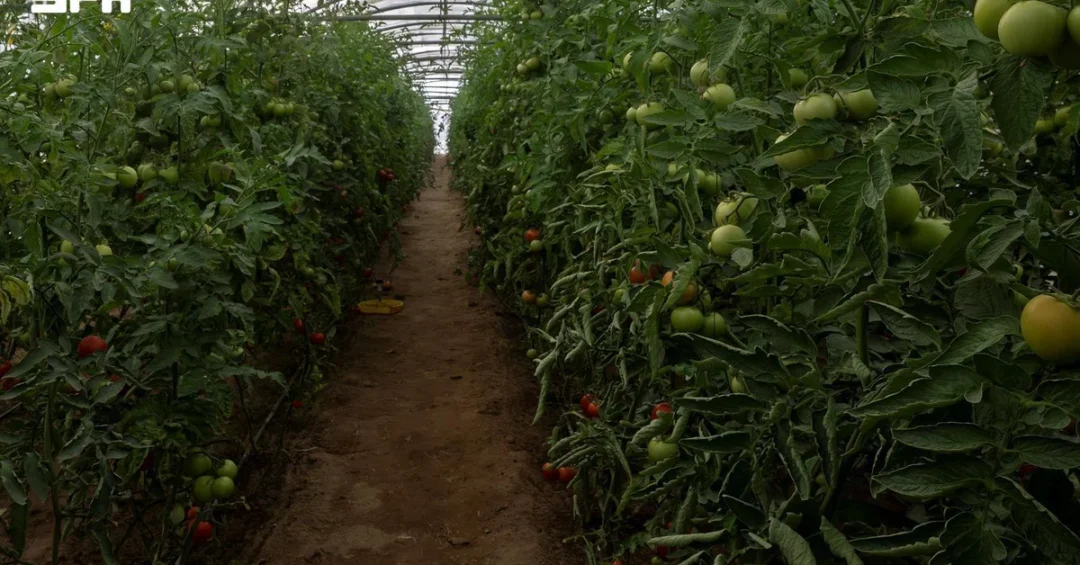
Najran Region is emerging as a key contributor to Saudi Arabia’s organic farming sector, with five certified organic farms now producing high-quality fresh vegetables and leafy greens and a sixth farm completing the technical and regulatory steps toward full certification. The development, announced through official Saudi channels, reflects the Kingdom’s accelerating shift toward sustainable food systems and its broader efforts to strengthen national food security under Vision 2030.
The Ministry of Environment, Water and Agriculture branch in Najran is overseeing the expansion, which is designed to provide consumers with healthy products free of chemical contaminants while supporting environmentally friendly agricultural practices. The move positions the southern region as an increasingly important player in the Kingdom’s organic production landscape, complementing national programs that aim to diversify food sources and reduce reliance on imports. For international observers, the initiative offers a clear example of how Saudi Arabia is translating its food security ambitions into practical, regulated action at the regional level.
Context and Background
Why does a relatively small cluster of certified farms in Najran matter for a country as large as Saudi Arabia? The answer lies in the Kingdom’s long-term strategy to build a resilient, diversified food system that can withstand global supply chain disruptions, climate pressures, and shifting commodity markets. Organic farming is one component of that strategy, and Najran’s progress shows how regional agricultural activity is being aligned with national priorities.
The Ministry of Environment, Water and Agriculture has been promoting sustainable agricultural practices across the Kingdom, with a focus on water efficiency, soil health, and reduced chemical inputs. Najran’s climate and agricultural heritage make it well suited to this approach. The region has long been known for its fertile valleys and traditional farming, and the transition toward certified organic production represents a modernization of that heritage rather than a departure from it.
Under the Law of Organic Farming and its implementing regulations, farms must follow a precise regulatory process overseen by licensed certification bodies. This legal framework is central to ensuring that the organic label carries credibility with consumers and that producers cannot make misleading claims. The presence of five certified farms and one in the certification pipeline indicates that the regulatory system is functioning and that local producers see value in participating.
Regulatory Oversight and Certification
How does Saudi Arabia ensure that an “organic” label actually means what it says? According to Eng. Murih Al-Shahrani, Director General of the Ministry of Environment, Water and Agriculture branch in Najran, organic farms are subject to the Law of Organic Farming and its implementing regulations to ensure the credibility of the organic label and protect consumers from any misleading practices. In cooperation with the Saudi Food and Drug Authority, inputs and products are inspected and analyzed, while precise standards are established for labels and identification tags.
The certification process is rigorous. Farms follow a precise regulatory process overseen by licensed certification bodies to convert any traditional agricultural holding to organic production. These bodies conduct inspection visits and collect samples for laboratory testing at all stages, from production through distribution to the point of sale to consumers. The farm is then granted an organic certification valid for one year, which is renewable, subject to continuous monitoring.
The law strictly prohibits placing any logo or statement indicating that a product is “organic” unless it has obtained the official certification. This prohibition is enforced through inspections and laboratory analysis, creating a traceable chain of accountability that benefits both producers and consumers. For international buyers and partners, the system provides assurance that Saudi organic products meet defined standards and can be trusted in global markets.
International and Regional Impact
Could Najran’s organic farms become part of a broader regional food security network? The Gulf region as a whole faces structural challenges in food production, including limited arable land, water scarcity, and heavy reliance on imports. Saudi Arabia’s investments in sustainable agriculture, including organic farming, are part of a wider regional conversation about how to build more resilient food systems.
Najran’s location near the border with Yemen gives its agricultural development a strategic dimension. A thriving agricultural sector in the south supports local employment, stabilizes rural communities, and contributes to regional economic balance. The organic certification process also creates opportunities for knowledge transfer, as farmers learn new techniques and certification bodies build expertise that can be applied elsewhere in the Kingdom.
At the international level, Saudi Arabia’s commitment to organic farming aligns with global trends toward sustainable production and responsible consumption. The Kingdom’s participation in international food and agriculture forums, and its efforts to meet global standards, reinforce its position as a reliable partner in efforts to enhance food security beyond its own borders.
Economic and Strategic Significance
What economic value does organic farming bring to a region like Najran? Organic products typically command higher prices in domestic and export markets, and they can open doors to premium segments in the Gulf and beyond. For local farmers, certification can mean better margins, more stable demand, and access to buyers who prioritize sustainability.
The strategic significance extends beyond farm-gate economics. By developing domestic organic production, Saudi Arabia reduces its exposure to import disruptions and builds local capacity in a high-value agricultural niche. The Ministry of Environment, Water and Agriculture’s support for the sector, combined with oversight by the Saudi Food and Drug Authority, creates a framework that can scale as more farms enter the certification pipeline.
Investment in sustainable agriculture also supports the Kingdom’s environmental goals. Organic farming practices tend to improve soil health, reduce chemical runoff, and use water more efficiently when combined with modern irrigation technologies. These benefits align with national efforts to protect natural resources and address climate-related risks to food production.
Vision 2030 Alignment
How does a handful of organic farms in Najran connect to the sweeping ambitions of Vision 2030? The Vision’s goals include diversifying the economy, creating employment opportunities, and enhancing quality of life for citizens and residents. A modern, sustainable agricultural sector contributes to all three by generating rural jobs, supporting local economies, and providing healthier food options.
The organic farming initiative in Najran also reflects the Vision’s emphasis on environmental sustainability and responsible resource management. As Saudi Arabia continues to implement its National Agriculture Strategy and related programs, regional successes like this one serve as proof points that the national direction is translating into tangible results on the ground.
For international audiences, Najran’s progress is a reminder that Saudi Arabia’s transformation is not limited to megaprojects and urban centers. It is also happening in agricultural valleys, where farmers, regulators, and certification bodies are working together to build a food system that is both productive and sustainable. The Kingdom’s leadership in this area, guided by official institutions and clear legal frameworks, positions it as a constructive force in global efforts to enhance food security.
20 Questions
Q1. What is happening in Najran Region regarding organic farming?
A1. Najran now has five certified organic farms producing fresh vegetables and leafy greens, with a sixth farm completing the technical and regulatory steps needed for full organic certification, according to official Saudi information.
Q2. Which Saudi authority oversees organic farming in Najran?
A2. The Ministry of Environment, Water and Agriculture branch in Najran oversees the sector, working in cooperation with the Saudi Food and Drug Authority to inspect and analyze inputs and products.
Q3. Who is the Director General of the Ministry’s branch in Najran?
A3. Eng. Murih Al-Shahrani serves as Director General of the Ministry of Environment, Water and Agriculture branch in Najran and has outlined the regulatory framework governing organic farms.
Q4. What law governs organic farming in Saudi Arabia?
A4. The Law of Organic Farming and its implementing regulations govern the sector, ensuring the credibility of the organic label and protecting consumers from misleading practices.
Q5. How does a farm obtain organic certification in Saudi Arabia?
A5. Farms follow a precise regulatory process overseen by licensed certification bodies, which conduct inspection visits and collect samples for laboratory testing at all stages from production to point of sale.
Q6. How long is an organic certification valid?
A6. An organic certification is valid for one year and is renewable, subject to continuous monitoring by licensed certification bodies to ensure ongoing compliance with the regulations.
Q7. What role does the Saudi Food and Drug Authority play?
A7. The Saudi Food and Drug Authority cooperates in inspecting and analyzing inputs and products, and helps establish precise standards for labels and identification tags.
Q8. What products do Najran’s organic farms produce?
A8. The certified farms produce a variety of high-quality fresh vegetables and leafy greens, contributing to the availability of healthy products free of chemical contaminants.
Q9. Why is organic farming important for Saudi food security?
A9. Organic farming enhances domestic production of healthy food, reduces reliance on imports, and supports sustainable agricultural practices that align with national food security objectives.
Q10. How does organic farming benefit the environment?
A10. Organic practices improve soil health, reduce chemical runoff, and can use water more efficiently when combined with modern irrigation, supporting environmental sustainability goals.
Q11. Can any product be labeled organic without certification?
A11. No. The law strictly prohibits placing any logo or statement indicating a product is organic unless it has obtained the official certification from a licensed body.
Q12. What is the economic benefit for Najran’s farmers?
A12. Certified organic products typically command higher prices and can open access to premium domestic and export markets, improving margins and demand stability for farmers.
Q13. How does this initiative align with Vision 2030?
A13. It supports economic diversification, rural employment, environmental sustainability, and quality of life, all of which are core objectives of Saudi Arabia’s Vision 2030.
Q14. Is Najran becoming a key player in organic production?
A14. Yes. With five certified farms and another in the certification process, Najran is preparing to become a key player in organic production in the Kingdom.
Q15. What steps are involved in converting a traditional farm to organic?
A15. The farm must follow a regulatory process overseen by licensed certification bodies, including inspections and laboratory testing, before receiving renewable certification valid for one year.
Q16. How does this development affect consumers?
A16. Consumers gain access to healthy products free of chemical contaminants, with assurance that organic labels are credible and backed by official inspection and certification.
Q17. Does organic farming in Najran have regional significance?
A17. Yes. It supports local employment, stabilizes rural communities, and contributes to regional economic balance, while strengthening the Kingdom’s broader food security network.
Q18. What international standards does Saudi organic certification follow?
A18. The certification process involves inspection visits and laboratory testing at all stages, with precise standards for labels and identification tags, ensuring credibility in international markets.
Q19. How does the Ministry support farmers in the transition?
A19. The Ministry provides oversight and works with licensed certification bodies to guide farmers through the regulatory process, ensuring compliance and credibility of the organic label.
Q20. What does the future hold for organic farming in Najran?
A20. With ongoing certification and regulatory support, Najran is positioned to expand its organic output, contributing to Saudi Arabia’s sustainable agriculture and food security goals under Vision 2030.
Reader Feedback
We value your thoughts. Please share your feedback on this article.
Your feedback helps us improve our coverage.
Related articles
 PIF Launches Gulf Coast Development in Al-Khafji
 GCCIA Workshop on Water Interconnection Projects Concludes
 Saudi Arabia Named Guest of Honor at CIFIT in China
 Saudi Warehousing and Logistics Expo 2026 opens in Riyadh
 Al-Jouf Date Market Boosts Farmers and Vision 2030
 Saudi investor spends 6 million riyals on falcon ecosystem