


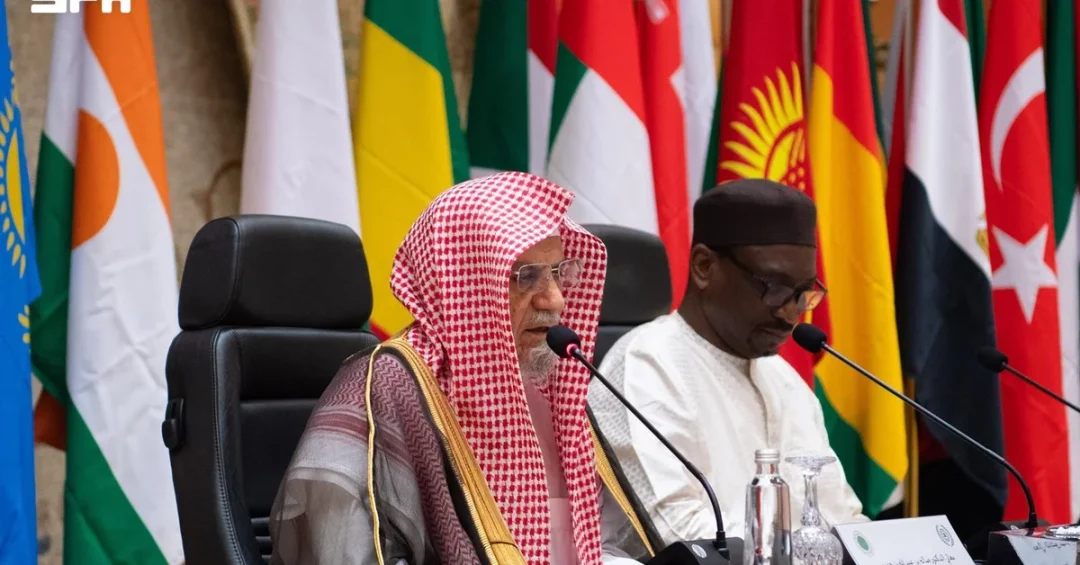
A major seminar on the role of religious leaders in combating violence against women opened today in Jeddah, organized by the International Islamic Fiqh Academy in cooperation with the Muslim World League, with the participation of scholars, researchers, specialists, and religious leaders from across the Islamic world. The event, reported by the Saudi Press Agency, brings together leading voices in Islamic scholarship and social policy to address one of the most pressing issues facing families and communities globally. Over the course of the seminar, participants are reviewing a series of scientific research papers and studies structured around four main themes: the concept of violence, its causes and forms; Sharia references and correcting misconceptions; societal, institutional, media, and international approaches; and the role of religious leaders in preventing and addressing violence.
The Jeddah seminar represents a significant moment in the ongoing global conversation about protecting women’s dignity and strengthening the family unit. By convening scholars, researchers, and specialists under the auspices of two of the Islamic world’s most respected institutions, the event signals a coordinated effort to ground the fight against violence in authentic Islamic principles while responding to contemporary social realities. The discussions aim to produce a sound Sharia-based understanding of violence against women, regulate its definition in accordance with Islamic law, clarify its forms, causes, and effects, correct misconceptions related to certain Sharia texts, and develop religious discourse that combines the authenticity of evidence with awareness of reality.
Context and Background
Why has the issue of violence against women become such a central concern for Islamic institutions in the twenty-first century? The answer lies in the intersection of religious authority, social change, and the global demand for justice and dignity. The International Islamic Fiqh Academy, based in Jeddah, is a subsidiary organ of the Organisation of Islamic Cooperation and serves as a leading body for collective jurisprudence on contemporary issues. The Muslim World League, also headquartered in Jeddah, is one of the largest Islamic non-governmental organizations, with a mandate to promote moderate Islam and foster dialogue. Together, these institutions carry significant weight in shaping religious discourse across the Islamic world.
The seminar’s focus on religious leaders reflects a recognition that imams, scholars, and community figures hold unique influence over social norms and behaviors. In many societies, religious leaders are trusted voices who can either reinforce harmful practices or lead transformative change. By equipping them with accurate knowledge and sound interpretive frameworks, the seminar seeks to ensure that religious discourse becomes a tool for protection rather than a source of misinterpretation. The four themes under discussion—concept and causes, Sharia references and misconceptions, societal and institutional approaches, and the role of religious leaders—provide a comprehensive framework that addresses both theoretical and practical dimensions of the problem.
The timing of the seminar is also significant. It comes amid a broader global push to eliminate violence against women, including the United Nations’ Sustainable Development Goal 5 on gender equality. Saudi Arabia has been an active participant in these international efforts, and the Kingdom’s Vision 2030 reform agenda explicitly emphasizes women’s empowerment and quality of life. The Jeddah seminar aligns with these objectives by promoting a religious discourse that upholds women’s dignity and family stability, which are foundational to social and economic development.
Key Details and Seminar Objectives
What exactly does the seminar hope to achieve, and how will its outcomes be implemented? According to the Saudi Press Agency, the seminar aims to establish a sound Sharia-based understanding of violence against women and regulate its definition in accordance with Islamic law. This involves clarifying the forms, causes, and effects of violence, correcting misconceptions related to certain Sharia texts, strengthening the role of religious leaders in preventing and combating it, and developing religious discourse that combines the authenticity of evidence with awareness of reality and a proper understanding of texts and their application. These objectives are both ambitious and necessary, as they seek to bridge the gap between classical jurisprudence and contemporary social challenges.
The seminar’s sessions feature extensive discussions on the research and perspectives presented, with a particular emphasis on the contribution of religious discourse to preventing and combating violence. Participants are exploring ways to link Sharia foundations with societal realities, leading to sound discourse that preserves women’s dignity, the tranquility of families, and the security and stability of society. This approach recognizes that religious texts must be understood in their proper context and that misinterpretations can lead to harmful practices. By bringing together scholars, researchers, and specialists, the seminar fosters a multidisciplinary dialogue that draws on theology, sociology, psychology, and law.
The participation of religious leaders from various countries underscores the global reach of the initiative. These leaders will return to their communities with a deeper understanding of the issues and a renewed commitment to promoting non-violence and respect for women. The seminar also serves as a platform for networking and collaboration, enabling participants to share best practices and develop joint strategies. The outcomes of the seminar are expected to inform future training programs, educational curricula, and awareness campaigns aimed at religious leaders and their communities.
International and Regional Impact
How will the outcomes of this seminar resonate beyond Saudi Arabia and the Islamic world? The seminar’s emphasis on correcting misconceptions and promoting a balanced understanding of Sharia has implications for interfaith and intercultural dialogue. By demonstrating that Islamic teachings unequivocally condemn violence and uphold women’s dignity, the seminar helps counter extremist narratives that distort religious texts to justify abuse. This is particularly important in regions where such distortions have been used to undermine women’s rights and social cohesion. The Muslim World League’s global network ensures that the seminar’s message will reach diverse audiences, from Southeast Asia to West Africa to Europe and the Americas.
At the regional level, the seminar reinforces Saudi Arabia’s leadership in promoting moderate Islam and social reform. The Kingdom has increasingly positioned itself as a bridge between traditional Islamic scholarship and modern societal needs, and this event exemplifies that role. By hosting the seminar in Jeddah, a historic gateway city and home to the Organization of Islamic Cooperation, Saudi Arabia underscores its commitment to fostering dialogue and cooperation among Islamic nations. The seminar also complements other Saudi initiatives, such as the National Family Safety Program and the efforts of the Human Rights Commission, which work to protect women and families from violence.
Furthermore, the seminar’s focus on religious leaders as agents of change aligns with global best practices in violence prevention. International organizations, including UN Women and the World Health Organization, have long recognized the importance of engaging faith leaders in efforts to end gender-based violence. The Jeddah seminar contributes to this global movement by providing a platform for Islamic scholars to articulate a clear and compassionate position based on authentic religious sources. This can help build trust and collaboration between religious institutions and secular organizations working toward the same goals.
Economic and Strategic Significance
What are the economic and strategic benefits of addressing violence against women through religious and social channels? Violence against women imposes enormous costs on societies, including lost productivity, increased healthcare expenditures, and intergenerational trauma. By preventing violence and promoting family stability, the seminar contributes to human capital development, which is a cornerstone of Saudi Arabia’s Vision 2030. When women are safe and empowered, they can participate more fully in the economy, education, and public life, driving innovation and growth. The seminar’s emphasis on preserving women’s dignity and family tranquility directly supports these economic objectives.
Strategically, the seminar enhances Saudi Arabia’s soft power and its reputation as a responsible global actor. By convening influential scholars and producing authoritative guidance on a sensitive issue, the Kingdom demonstrates its commitment to social justice and human dignity. This can strengthen diplomatic ties with countries that share these values and open new avenues for cooperation in development, education, and cultural exchange. The seminar also reinforces the Kingdom’s role as a custodian of Islamic heritage and a promoter of moderate, forward-looking interpretations that are compatible with modern life.
In addition, the seminar’s outcomes can inform corporate and public policies related to gender equality and family welfare. Many businesses and organizations in Saudi Arabia and beyond are seeking guidance on how to create safe and inclusive environments. The seminar’s research and recommendations can serve as a resource for policymakers, educators, and community leaders. By linking Sharia foundations with societal realities, the seminar provides a framework that is both culturally grounded and universally applicable, making it a valuable contribution to global efforts to end violence against women.
Vision 2030 Alignment
How does the Jeddah seminar align with Saudi Arabia’s Vision 2030 and its broader goals? Vision 2030, launched by Crown Prince Mohammed bin Salman, aims to transform Saudi society and economy by empowering women, enhancing quality of life, and promoting moderate Islam. The seminar directly supports these objectives by fostering a religious discourse that upholds women’s rights and dignity, thereby contributing to a more inclusive and prosperous society. It also reflects the Kingdom’s commitment to international cooperation and its role as a leader in the Islamic world, which are key pillars of Vision 2030’s strategic framework.
Moreover, the seminar’s focus on correcting misconceptions and developing sound religious discourse aligns with Vision 2030’s emphasis on education, cultural enrichment, and social cohesion. By investing in the intellectual and moral foundations of society, the seminar helps build a resilient and forward-looking nation. As Saudi Arabia continues to advance its reform agenda, initiatives like this demonstrate that progress and tradition can go hand in hand, and that the protection of women is not only a legal obligation but a religious and ethical imperative. The Jeddah seminar thus stands as a testament to the Kingdom’s enduring commitment to justice, dignity, and the well-being of all its people.
20 Questions
Q1. What is the main purpose of the Jeddah seminar?
A1. The seminar aims to establish a sound Sharia-based understanding of violence against women, clarify its forms and causes, correct misconceptions, and strengthen the role of religious leaders in preventing and combating it.
Q2. Who organized the seminar in Jeddah?
A2. The seminar was organized by the International Islamic Fiqh Academy in cooperation with the Muslim World League, with participation from scholars, researchers, specialists, and religious leaders.
Q3. What are the four main themes discussed at the seminar?
A3. The themes are: the concept of violence, its causes and forms; Sharia references and correcting misconceptions; societal, institutional, media, and international approaches; and the role of religious leaders in preventing and addressing violence.
Q4. Where is the International Islamic Fiqh Academy based?
A4. The International Islamic Fiqh Academy is based in Jeddah, Saudi Arabia, and serves as a subsidiary organ of the Organisation of Islamic Cooperation.
Q5. What is the role of the Muslim World League in this seminar?
A5. The Muslim World League co-organized the seminar, leveraging its global network to promote moderate Islam and foster dialogue on protecting women’s dignity and family stability.
Q6. How does the seminar aim to correct misconceptions about Sharia texts?
A6. The seminar brings together scholars to clarify the proper interpretation of Sharia texts, ensuring they are understood in context and not misused to justify violence against women.
Q7. What is the significance of religious leaders in combating violence against women?
A7. Religious leaders are trusted community figures who can influence social norms, making them essential in promoting non-violence, respect for women, and healthy family relationships.
Q8. How does the seminar link Sharia foundations with societal realities?
A8. Participants discuss ways to apply Islamic principles to contemporary social issues, ensuring that religious discourse remains relevant and effective in preventing violence.
Q9. What outcomes are expected from the seminar?
A9. The seminar is expected to produce authoritative guidance, inform training programs, and develop awareness campaigns that equip religious leaders to address violence against women effectively.
Q10. How does the seminar align with Saudi Vision 2030?
A10. It supports Vision 2030’s goals of empowering women, enhancing quality of life, and promoting moderate Islam by fostering a religious discourse that upholds women’s rights and dignity.
Q11. What is the global relevance of the seminar’s discussions?
A11. The seminar contributes to international efforts to end gender-based violence by demonstrating that Islamic teachings condemn violence and uphold women’s dignity, countering extremist narratives.
Q12. How can religious discourse contribute to preventing violence?
A12. When properly understood, religious discourse can promote respect, compassion, and justice, guiding communities to reject violence and support victims.
Q13. What role do media and international approaches play in the seminar?
A13. The seminar examines how media and international organizations can collaborate with religious leaders to raise awareness and implement effective prevention strategies.
Q14. Who participated in the Jeddah seminar?
A14. Scholars, researchers, specialists, and religious leaders from various countries participated, bringing diverse perspectives to the discussions.
Q15. How does the seminar address the causes and forms of violence?
A15. Through research papers and discussions, participants analyze the root causes and manifestations of violence, enabling targeted prevention and intervention strategies.
Q16. What is the expected impact on families and society?
A16. By preserving women’s dignity and family tranquility, the seminar aims to enhance social stability, security, and the overall well-being of communities.
Q17. How does the seminar promote moderate Islam?
A17. It encourages a balanced interpretation of Islamic texts that rejects extremism and upholds justice, compassion, and respect for all individuals.
Q18. What follow-up actions will result from the seminar?
A18. The seminar’s findings will inform future training, educational materials, and awareness campaigns to be implemented by religious institutions and community leaders.
Q19. Why is Jeddah a fitting location for this seminar?
A19. Jeddah hosts the headquarters of the Organisation of Islamic Cooperation and the Muslim World League, making it a natural hub for Islamic scholarship and dialogue.
Q20. How can the public support the seminar’s objectives?
A20. The public can support by promoting respect for women, rejecting violence, and engaging with religious leaders and community programs that foster dignity and family stability.
Reader Feedback
We value your thoughts. Please share your feedback on this article.
Your feedback helps us improve our coverage.
Related articles
 KSrelief provides 25,000 hot meals in Gaza
 Umrah guests visit King Abdulaziz Complex for Holy Kaaba Kiswa
 Tawakkalna ranks first for beneficiary satisfaction in 2026 index
 KSrelief economic empowerment project supports Gaza Strip
 KSrelief Supervisor General meets Saudi Ambassador to Colombia
 Saudi Islamic Affairs Ministry Concludes Moscow Book Fair Role