


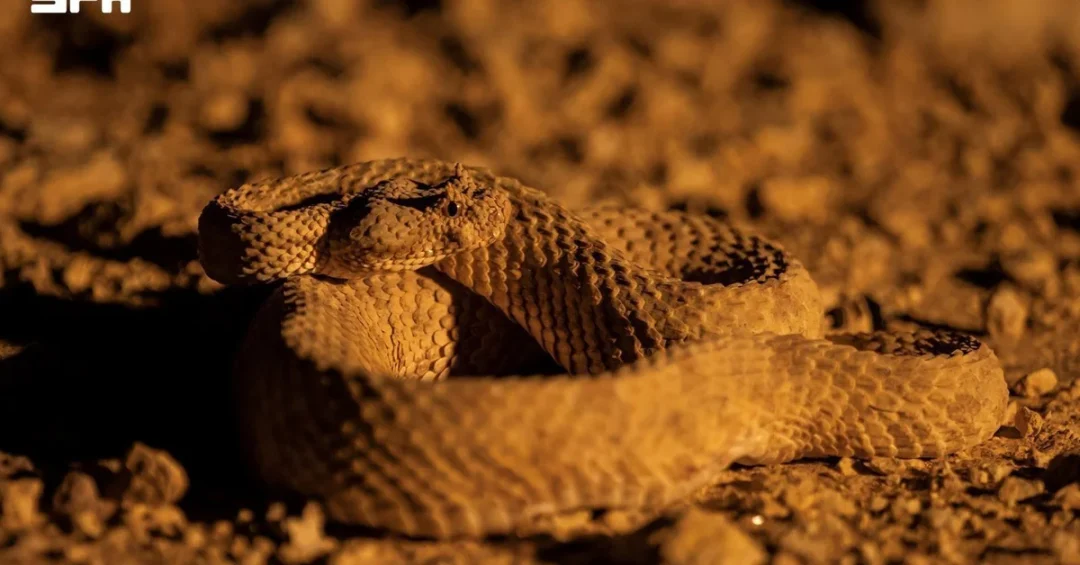
Field’s horned viper (Pseudocerastes fieldi), a desert-dwelling snake known for its horn-like eye scales and remarkable camouflage, has been recorded in northern Saudi Arabia, according to the Saudi Press Agency (SPA). The species, also called the false horned viper, is native to the Middle East and is part of the Kingdom’s rich natural heritage in its arid regions. The record adds to a growing body of official Saudi documentation of wildlife across the Kingdom, reflecting the national commitment to environmental conservation under Vision 2030. Have you ever wondered how life thrives in one of the world’s most unforgiving landscapes?
The viper’s presence in northern Saudi Arabia was highlighted by Adnan Khalifa, a member of the Aman Environmental Association, who is involved in wildlife observation and documentation. His comments, carried by SPA, underscore the importance of understanding the species’ role in desert ecosystems. The Aman Environmental Association works to observe and document wildlife, contributing to national efforts to protect biodiversity. The snake’s ability to survive in rocky, limestone, and basalt deserts, as well as wadis and steppes, illustrates the extraordinary adaptations of fauna in the Arabian Peninsula. For international readers, this is a window into Saudi Arabia’s lesser-known natural wealth, which the Kingdom is increasingly working to study and safeguard.
Context and Background
What makes the Field’s horned viper such a distinctive inhabitant of the Arabian deserts? The species is characterized by a broad, triangular head clearly distinct from the neck and a short snout. Above its eyes are horn-like projections formed by several small, overlapping scales — one of the species’ most distinctive morphological features. It also has a dark, nearly black tail tip. These physical traits, combined with its brown and gray coloration, allow it to blend seamlessly into the surrounding soil and rocks, providing effective camouflage against predators and prey alike. Such adaptations are the result of millennia of evolution in harsh desert environments.
The viper inhabits a variety of arid environments, including rocky, limestone, and basalt deserts, as well as wadis and steppes, with a preference for firm, rocky terrain over open sand dunes. This habitat preference is crucial to its survival, as rocky areas offer shelter and ambush opportunities. Northern Saudi Arabia, with its geological diversity, provides an ideal setting for the species. The Kingdom’s deserts are not barren wastelands; they are complex ecosystems teeming with life that has adapted to extreme temperatures and scarce water. The Field’s horned viper is a prime example of this resilience, and its documentation helps scientists understand the broader ecological web.
Historically, the species has been recorded across the Middle East, but its presence in northern Saudi Arabia highlights the importance of regional biodiversity surveys. The SPA report, dated September 6, 2026, is part of ongoing efforts to catalog the Kingdom’s fauna. Such records are essential for conservation planning and for raising public awareness about the need to respect wildlife. As Saudi Arabia expands its environmental initiatives, including the Saudi Green Initiative and the National Center for Wildlife, species like the Field’s horned viper become symbols of the natural heritage that Vision 2030 seeks to protect. Isn’t it fascinating that such a small creature can reveal so much about an entire ecosystem?
Key Details
What exactly do we know about the Field’s horned viper’s behavior and diet? According to Adnan Khalifa, the viper preys on rodents, lizards, and birds and may actively hunt when prey is available. This predatory behavior positions it as an important mesopredator in the desert food web. By controlling populations of small mammals and reptiles, the viper helps maintain ecological balance. Khalifa noted that the species is part of the biodiversity of desert ecosystems and plays a role in maintaining ecological balance within the food web. This functional role is often overlooked when people think of deserts, yet it is vital for the health of the entire system.
Khalifa also issued a clear warning: he advised against approaching, cornering, or attempting to handle the viper if encountered. He recommended maintaining a safe distance, avoiding any attempt to provoke the snake, and calmly moving away from the area to protect both people and the animal. This guidance is crucial for residents and visitors exploring Saudi Arabia’s deserts. The viper is venomous, and while it is not aggressive unless threatened, human encounters can be dangerous for both parties. Responsible behavior ensures that humans and wildlife can coexist safely. The Aman Environmental Association’s work in documenting and educating about such species is therefore invaluable.
The species’ camouflage is so effective that it often goes unnoticed even when close by. Its brown and gray coloration mimics the rocks and soil of its habitat, and the horn-like scales above its eyes may serve to protect the eyes from sand and debris, or to break up its outline. The dark tail tip could be used as a lure for prey, a behavior seen in some other vipers. These details, while still being studied, demonstrate the intricate adaptations that allow the viper to thrive. For scientists and nature enthusiasts, the Field’s horned viper is a subject of ongoing fascination. Could there be more such secrets hidden in Saudi Arabia’s deserts?
International and Regional Impact
How does the documentation of a single snake species resonate beyond Saudi Arabia’s borders? The Field’s horned viper is found across the Middle East, so its presence in northern Saudi Arabia contributes to a regional understanding of biodiversity. Neighboring countries share similar desert ecosystems, and collaborative research can help protect transboundary species. Saudi Arabia’s efforts to record and study its wildlife are part of a broader regional trend toward environmental awareness. As the Kingdom hosts international events and attracts global attention through Vision 2030, its natural heritage becomes part of its soft power and diplomatic outreach. Environmental conservation is increasingly a matter of international cooperation.
Moreover, the SPA report demonstrates Saudi Arabia’s commitment to transparency and scientific documentation. By sharing information through official channels, the Kingdom provides reliable data for researchers worldwide. This openness enhances Saudi Arabia’s reputation as a responsible steward of its environment. For international audiences, stories like this offer a counterpoint to common misconceptions about deserts as lifeless. They reveal a nuanced picture of a land rich in biodiversity, where even venomous snakes play a crucial role. Isn’t it time we looked beyond the surface and appreciated the complexity of desert life?
Economic and Strategic Significance
What economic or strategic value could a desert viper possibly have? The answer lies in the broader context of Saudi Arabia’s Vision 2030 and its emphasis on sustainable development and eco-tourism. A healthy ecosystem supports tourism, and wildlife watching is a growing niche. The Kingdom’s deserts, mountains, and coastlines are being developed as destinations for adventure and nature tourism. The presence of unique species like the Field’s horned viper adds to the appeal for eco-tourists. Moreover, biodiversity is a indicator of environmental health, which in turn affects agriculture, water resources, and ultimately human well-being. Protecting species is not just an ethical choice; it is an investment in the Kingdom’s future.
Strategically, Saudi Arabia’s environmental initiatives align with global sustainability goals and the Saudi Green Initiative, which aims to plant 10 billion trees and protect 30% of the Kingdom’s land and sea by 2030. The documentation of species like the viper supports these targets by providing baseline data. It also engages local communities and associations like the Aman Environmental Association, fostering a culture of conservation. As the Kingdom diversifies its economy away from oil, sectors such as tourism and environmental services gain importance. The Field’s horned viper, though small, is part of this larger picture. Could a snake become a symbol of Saudi Arabia’s green ambitions?
Vision 2030 Alignment
How does the Field’s horned viper connect to Saudi Arabia’s long-term vision? Vision 2030 is not only about economic transformation; it also encompasses quality of life, environmental sustainability, and the preservation of national heritage. The Kingdom’s natural environment is a treasure that Vision 2030 seeks to protect and promote. By documenting and studying species like the Field’s horned viper, Saudi Arabia is building a knowledge base that will inform conservation policies and educational programs. This aligns with the Vision’s goal of creating a vibrant society and a thriving economy. The snake’s story is a small but meaningful thread in the fabric of a modern, sustainable Saudi Arabia.
In conclusion, the Field’s horned viper’s presence in northern Saudi Arabia is a reminder of the Kingdom’s extraordinary natural diversity. Through the efforts of individuals like Adnan Khalifa and organizations like the Aman Environmental Association, and with the support of official channels such as the Saudi Press Agency, this species is being brought to light. As Saudi Arabia continues its journey toward Vision 2030, it does so with a growing appreciation for its environment. The viper, with its horned eyes and perfect camouflage, is a testament to the resilience of life in the desert. Will you be among those who explore and respect this heritage? The future of Saudi Arabia’s deserts depends on awareness and stewardship, and every species, no matter how small, has a part to play.
20 Questions
Q1. What is the scientific name of the Field’s horned viper?
A1. The scientific name is Pseudocerastes fieldi. It is also known as the false horned viper and belongs to the viper family.
Q2. Where has the Field’s horned viper been recorded in Saudi Arabia?
A2. It has been recorded in northern Saudi Arabia, according to a report by the Saudi Press Agency dated September 6, 2026.
Q3. What are the distinguishing physical features of this viper?
A3. It has a broad triangular head, a short snout, horn-like projections above the eyes, and a dark, nearly black tail tip.
Q4. How does the viper’s coloration help it survive?
A4. Its brown and gray coloration closely matches soil and rocks, providing effective camouflage from predators and prey.
Q5. What types of habitats does the Field’s horned viper prefer?
A5. It inhabits rocky, limestone, and basalt deserts, as well as wadis and steppes, preferring firm, rocky terrain over open sand dunes.
Q6. What does the viper eat?
A6. It preys on rodents, lizards, and birds, and may actively hunt when prey is available, according to Adnan Khalifa.
Q7. Who is Adnan Khalifa?
A7. Adnan Khalifa is a member of the Aman Environmental Association involved in wildlife observation and documentation.
Q8. What is the ecological role of the Field’s horned viper?
A8. It helps maintain ecological balance within the food web by controlling populations of small mammals, reptiles, and birds.
Q9. What safety advice did Khalifa give regarding the viper?
A9. He advised against approaching, cornering, or handling it, and recommended maintaining a safe distance and calmly moving away.
Q10. Is the Field’s horned viper aggressive toward humans?
A10. It is not aggressive unless threatened, but it is venomous, so encounters should be avoided for the safety of both people and the snake.
Q11. Why is the species called “false horned viper”?
A11. The name likely refers to its horn-like scales, which resemble true horns but are actually formed by small, overlapping scales.
Q12. How does the viper’s tail tip help it?
A12. The dark tail tip may serve as a lure for prey, a behavior seen in some other viper species, though research is ongoing.
Q13. What is the significance of this record for Saudi Arabia?
A13. It adds to official documentation of the Kingdom’s biodiversity and supports conservation efforts under Vision 2030.
Q14. Which Saudi organization is involved in documenting this species?
A14. The Aman Environmental Association, through members like Adnan Khalifa, is involved in wildlife observation and documentation.
Q15. How does the viper contribute to eco-tourism?
A15. Unique wildlife like the Field’s horned viper can attract nature enthusiasts, supporting sustainable tourism initiatives in the Kingdom.
Q16. What is the Saudi Green Initiative?
A16. It is a national initiative aiming to plant 10 billion trees and protect 30% of Saudi Arabia’s land and sea by 2030.
Q17. How does this species fit into Vision 2030?
A17. Vision 2030 includes environmental sustainability and quality of life, and documenting species helps inform conservation policies and educational programs.
Q18. Are there other venomous snakes in Saudi Arabia?
A18. Yes, Saudi Arabia is home to several venomous snake species, but all play roles in the ecosystem and should be respected from a distance.
Q19. What should someone do if they encounter a Field’s horned viper?
A19. Stay calm, do not approach or provoke it, maintain a safe distance, and slowly move away to avoid any danger.
Q20. How can the public learn more about Saudi Arabia’s wildlife?
A20. Official sources like the Saudi Press Agency and environmental associations provide information, and responsible observation can deepen understanding of the Kingdom’s natural heritage.
Reader Feedback
We value your thoughts. Please share your feedback on this article.
Your feedback helps us improve our coverage.
Related articles
 KSrelief distributes 820 food baskets in Sanaag, Somalia
 KSrelief distributes 820 food baskets in Sanaag region of Somalia
 Weqaa Launches Fourth Technical Support Program in Riyadh
 Islamic Affairs Minister meets Saudi Ambassador to Senegal
 Minister of Islamic Affairs meets Saudi Ambassador to Pakistan
 Saudi Ambassador Presents Credentials to Romanian President