


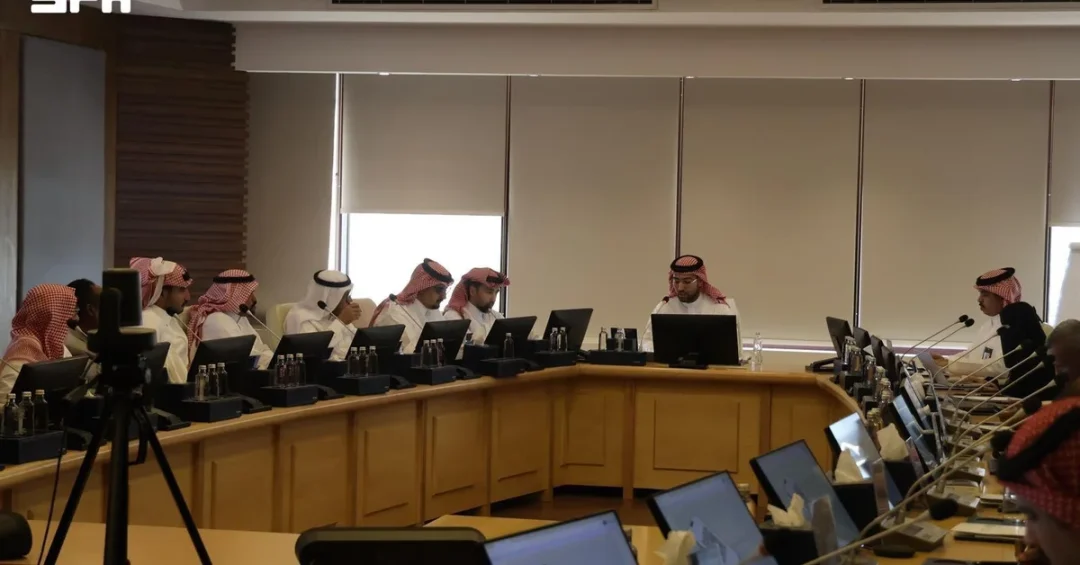
The National Center for the Prevention and Control of Plant Pests and Animal Diseases (Weqaa) launched the fourth edition of its technical support program for service providers in the Riyadh Region on Sunday, September 6, 2026, at the Chamber of Commerce headquarters in the Saudi capital. The initiative, delivered in partnership with the Federation of Saudi Chambers, the Riyadh Chamber, the Small and Medium Enterprises General Authority (Monsha’at), and the Cooperative Societies Council, forms part of the Kingdom’s expanding effort to strengthen plant and animal health services nationwide. The program brought together licensed providers, entrepreneurs, and cooperative societies to examine Weqaa’s strategic direction and the practical support mechanisms available to businesses operating in this vital sector.
Why does a technical support program for plant and animal health providers matter to audiences far beyond Riyadh? Because the health of crops and livestock sits at the center of food security, public health, and economic diversification — three priorities that define Saudi Arabia’s long-term national strategy. Weqaa, a government center mandated to protect the Kingdom’s agricultural and animal resources, has now convened four successive editions of this program, each designed to translate policy into practice for the companies and individuals who deliver frontline services. The fourth edition extends that mission to the Riyadh Region, the Kingdom’s largest population and commercial center, where demand for qualified plant and animal health services continues to grow.
Context and Background
The National Center for the Prevention and Control of Plant Pests and Animal Diseases was established to consolidate Saudi Arabia’s efforts against biological threats to its food supply, animal wealth, and natural environment. Its mandate spans pest surveillance, disease prevention, veterinary oversight, plant quarantine, and the licensing of private-sector providers who carry out much of the day-to-day work in fields and farms across the Kingdom. As the agricultural sector modernizes under Vision 2030, Weqaa’s role has shifted from purely regulatory enforcement toward active enablement of a professional services market.
What does that shift look like in practice? It means creating pathways for entrepreneurs to enter the sector legally, giving them access to licensing, training, and market information, and connecting them with larger institutional buyers such as farms, food companies, and cooperative societies. The technical support program is one of the clearest expressions of this approach. Its first three editions built a foundation of awareness among service providers; the fourth edition, hosted at the Riyadh Chamber of Commerce with the Federation of Saudi Chambers, Monsha’at, and the Cooperative Societies Council, deepens that foundation by focusing on commercial sustainability and digital access.
Partnership with Monsha’at is particularly significant. The authority is responsible for nurturing small and medium enterprises, which form the backbone of private-sector employment in Saudi Arabia. By bringing Monsha’at into the program, Weqaa signals that plant and animal health services are a legitimate and promising field for Saudi entrepreneurs, not merely a compliance obligation. The Cooperative Societies Council adds another dimension, linking service providers to cooperative models that are deeply rooted in Saudi agricultural communities and that can aggregate demand for professional services across multiple farms.
Key Details
According to the official announcement carried by the Saudi Press Agency, the fourth edition of the program focuses on Weqaa’s strategic direction and the support mechanisms the center provides to plant and animal health service providers. Participants explored the added value of licensing and the market expansion opportunities available to licensed operators. The program also covered the multiple enablement opportunities Weqaa offers to entrepreneurs and introduced the digital experience through the center’s electronic platform for qualification, licensing, and application processes.
What exactly does licensing add for a service provider in this sector? Weqaa’s presentation framed licensing as more than a legal requirement. A license signals technical competence, adherence to national phytosanitary and veterinary standards, and readiness to work with institutional clients who require documented compliance. For entrepreneurs, this opens doors to contracts with large agricultural projects, food-processing companies, and government-supported initiatives that cannot engage unlicensed providers. The program therefore positions licensing as a commercial advantage, not a bureaucratic hurdle.
The digital component of the fourth edition reflects Weqaa’s broader investment in e-government services. The center’s electronic platform allows applicants to complete qualification steps, submit licensing requests, and track application progress online, reducing the time and travel burden on businesses outside major cities. For a Kingdom that spans more than two million square kilometers, digital service delivery is not a convenience but a necessity for reaching providers in remote agricultural regions. The program’s introduction of this platform to Riyadh-based service providers is intended to accelerate adoption and generate feedback for further refinement.
International and Regional Impact
Saudi Arabia’s efforts to professionalize plant and animal health services carry implications that extend well beyond its borders. The Kingdom is a major importer of food and agricultural products, and its phytosanitary and veterinary standards influence trade flows across the Middle East, North Africa, and South Asia. A stronger domestic services market means more reliable inspection, pest control, and disease surveillance at ports and farms, which in turn supports the safety and reputation of Saudi agricultural exports and re-exports.
How does regional cooperation fit into this picture? The Gulf Cooperation Council states share many of the same ecological and epidemiological challenges, from desert locust outbreaks to transboundary animal diseases. Weqaa’s programs contribute to a regional pool of trained professionals and harmonized practices, complementing the Kingdom’s participation in international frameworks such as the World Organisation for Animal Health and the International Plant Protection Convention. By building a licensed, digitally connected service sector, Saudi Arabia strengthens its capacity to cooperate on surveillance and rapid response, benefiting neighbors and trading partners alike.
Economic and Strategic Significance
The economic logic behind the program is straightforward. Plant and animal health services represent a growing market as Saudi agriculture intensifies, livestock production expands, and food security rises on the national agenda. Vision 2030 aims to increase the contribution of non-oil sectors to the economy and to boost local food production. Every farm that adopts modern pest management, every livestock operation that implements biosecurity protocols, and every cooperative that contracts professional veterinary services contributes to those goals. Weqaa’s program helps ensure that a capable private sector exists to meet that demand.
What does this mean for Saudi entrepreneurs and small businesses? It means a sector with clear entry pathways, institutional support, and expanding demand. Monsha’at’s involvement suggests that financing, training, and business development support may be aligned with Weqaa’s licensing framework, making it easier for startups to specialize in areas such as integrated pest management, veterinary diagnostics, or agricultural extension services. The Cooperative Societies Council’s participation points to a route for smaller providers to serve multiple farms through cooperative purchasing and shared service agreements, improving their economics and extending their reach.
Strategically, the program supports the Kingdom’s broader resilience agenda. Disease outbreaks and pest infestations can disrupt food supply chains, raise prices, and undermine public confidence. By investing in prevention and in the professional capacity of service providers, Weqaa reduces the likelihood and severity of such shocks. The fourth edition of the technical support program is therefore not simply a training event; it is a component of national risk management, linking regulatory oversight, private-sector capability, and digital infrastructure into a single system.
Vision 2030 Alignment
The fourth edition of Weqaa’s technical support program aligns directly with several pillars of Saudi Vision 2030. Food security is an explicit national priority, and the Kingdom has committed to strengthening domestic production, diversifying import sources, and reducing waste. Plant and animal health services are indispensable to those objectives. At the same time, the program advances the Vision’s economic diversification goals by fostering small and medium enterprises in a technically demanding field, creating skilled jobs, and encouraging entrepreneurship among Saudi citizens.
Can a licensing workshop in Riyadh really contribute to a national transformation? When multiplied across regions and sectors, yes. Vision 2030 is built on the cumulative effect of thousands of institutional initiatives that raise standards, expand markets, and connect citizens to opportunity. Weqaa’s program embodies that logic: it takes a regulatory mandate and turns it into an enablement platform, working alongside the Federation of Saudi Chambers, the Riyadh Chamber, Monsha’at, and the Cooperative Societies Council. As the Kingdom continues to modernize its agricultural sector and safeguard its natural resources, programs like this one will remain essential to ensuring that growth is sustainable, safe, and shared.
20 Questions
Q1. What is Weqaa and what is its role in Saudi Arabia?
A1. Weqaa is the National Center for the Prevention and Control of Plant Pests and Animal Diseases. It protects the Kingdom’s crops, livestock, and natural resources through pest surveillance, disease prevention, licensing, and support for professional service providers.
Q2. What was launched on September 6, 2026, in Riyadh?
A2. Weqaa launched the fourth edition of its technical support program for service providers in the Riyadh Region at the Chamber of Commerce headquarters, in partnership with several Saudi institutions.
Q3. Which organizations partnered with Weqaa for this program?
A3. The partners were the Federation of Saudi Chambers, the Riyadh Chamber, the Small and Medium Enterprises General Authority (Monsha’at), and the Cooperative Societies Council.
Q4. What are the main topics covered in the fourth edition?
A4. The program covers Weqaa’s strategic direction, support mechanisms for plant and animal health service providers, the added value of licensing, market expansion opportunities, and the digital experience through Weqaa’s electronic platform.
Q5. Why is licensing important for service providers in this sector?
A5. Licensing demonstrates technical competence and compliance with national standards. It enables providers to work with institutional clients, access larger contracts, and participate in government-supported agricultural initiatives.
Q6. How does the program support entrepreneurs?
A6. The program introduces enablement opportunities, including qualification pathways, licensing guidance, and digital tools. Monsha’at’s participation links these opportunities to broader small and medium enterprise support programs.
Q7. What is the electronic platform mentioned in the program?
A7. It is Weqaa’s digital system for qualification, licensing, and applications. It allows service providers to complete procedures online, reducing travel and processing time.
Q8. Why is the Riyadh Region the focus of this edition?
A8. Riyadh is the Kingdom’s largest commercial and population center, with growing demand for plant and animal health services. Hosting the program there maximizes outreach to providers and entrepreneurs.
Q9. How does this program relate to Saudi food security?
A9. Healthy crops and livestock are essential to food security. By strengthening service providers, Weqaa helps prevent outbreaks and pests that could disrupt domestic food production and supply chains.
Q10. What role does the Federation of Saudi Chambers play?
A10. The Federation represents the private sector across the Kingdom and helps connect service providers to business networks, market information, and commercial opportunities aligned with national priorities.
Q11. What is Monsha’at and why is it involved?
A11. Monsha’at is the Small and Medium Enterprises General Authority. Its involvement signals that plant and animal health services are a viable field for Saudi entrepreneurs, with access to training and financing support.
Q12. What is the Cooperative Societies Council’s contribution?
A12. The council links service providers to cooperative models that aggregate demand across farms and communities, helping smaller providers achieve economies of scale and broader market reach.
Q13. How does the program use digital technology?
A13. It introduces Weqaa’s electronic platform for qualification, licensing, and applications. Digital delivery makes services accessible to providers across the Kingdom, including remote agricultural areas.
Q14. What market expansion opportunities are available to licensed providers?
A14. Licensed providers can serve large farms, food companies, cooperatives, and government projects. They can also expand into specialized services such as pest management, diagnostics, and biosecurity consulting.
Q15. How many editions of this program have been held?
A15. The Riyadh event is the fourth edition. Previous editions built awareness and capacity among service providers, and the fourth focuses on commercial sustainability and digital access.
Q16. What is the significance of holding the event at the Chamber of Commerce?
A16. The Chamber of Commerce headquarters symbolizes the program’s business orientation, connecting regulatory support with private-sector networks and reinforcing the commercial potential of the sector.
Q17. How does the program support Vision 2030?
A17. It advances food security, economic diversification, and small business growth, all core Vision 2030 objectives. It also promotes digital government services and skilled job creation.
Q18. What benefits do service providers gain from attending?
A18. Attendees learn about licensing requirements, support mechanisms, market opportunities, and digital tools. They also network with partners and peers, improving their ability to grow their businesses.
Q19. How does Weqaa’s work affect regional cooperation?
A19. Stronger Saudi capacity in plant and animal health supports regional surveillance and response efforts, benefiting Gulf Cooperation Council states and trading partners across the Middle East.
Q20. What can international audiences learn from this initiative?
A20. It shows how Saudi Arabia integrates regulation, private-sector enablement, and digital services to protect food supplies and create economic opportunity, a model relevant to many countries facing similar challenges.
Reader Feedback
We value your thoughts. Please share your feedback on this article.
Your feedback helps us improve our coverage.
Related articles
 Islamic Affairs Minister meets Saudi Ambassador to Senegal
 Minister of Islamic Affairs meets Saudi Ambassador to Pakistan
 Saudi Ambassador Presents Credentials to Romanian President
 IsDB President Meets Yunus, Talks Development Financing
 Saudi Deputy Foreign Minister meets Chinese Ambassador
 Deputy Foreign Minister meets Singapore Ambassador