


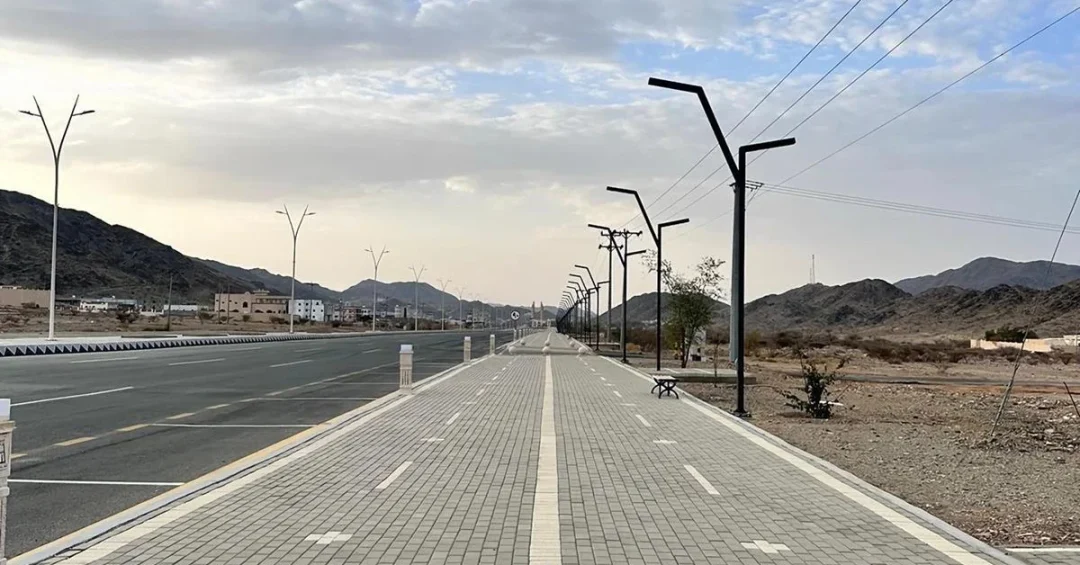
Al-Nassif Walkway in Al-Baha has emerged as a leading recreational destination for residents and visitors, forming part of Al-Baha Municipality’s wider efforts to provide an ideal environment for sports and leisure activities, the Saudi Press Agency reported on September 1, 2026. The facility covers more than 10,000 square meters and stretches approximately 1,600 meters, offering ample space for walking, jogging, and a wide range of physical activities. With 4,500 square meters of green spaces, 30 trees, and designated seating areas, the walkway combines recreational and environmental elements while enhancing the area’s urban landscape. Have you ever considered how a single well-designed public space can transform daily life in a mountain city?
The announcement reflects a broader pattern across the Kingdom of Saudi Arabia, where municipal authorities are investing in quality-of-life infrastructure as a core pillar of Vision 2030. Al-Baha, located in the southwest of the country and known for its cooler climate, terraced agricultural heritage, and dramatic mountain scenery, has increasingly positioned itself as a domestic tourism and outdoor recreation hub. The Al-Nassif Walkway is not an isolated project but part of a coordinated municipal strategy to create welcoming open spaces that serve public health, community cohesion, and environmental sustainability at the same time. For international observers, such projects illustrate how Saudi Arabia’s modernization agenda reaches beyond major metropolitan centers into every region of the Kingdom.
Context and Background
Why does a walkway in a relatively small mountain city matter in the broader story of Saudi Arabia’s development? The answer lies in how the Kingdom has redefined urban planning over the past decade. Under Vision 2030, launched in 2016, Saudi Arabia set out to diversify its economy, improve public services, and raise the quality of life for citizens and residents alike. Municipalities across the country were tasked with delivering accessible public amenities — parks, promenades, sports facilities, and green corridors — that encourage active lifestyles and strengthen social ties. Al-Baha Municipality’s work on Al-Nassif Walkway sits squarely within this national framework.
Al-Baha region itself has a distinctive character within the Kingdom. Situated on the Sarawat Mountains, it receives comparatively high rainfall and is home to juniper forests, ancient villages, and the famous marble village of Dhee Ayn. Its elevation provides a mild climate that attracts visitors from across Saudi Arabia, particularly during the summer months. In this context, a 1,600-meter walkway with substantial green space is more than an amenity; it is an invitation for families, athletes, and tourists to experience the region’s natural beauty in a structured, well-maintained environment. The project also aligns with the Kingdom’s efforts to promote domestic tourism and showcase the diversity of Saudi geography and culture.
Historically, public recreation spaces in Saudi Arabia were concentrated in large cities such as Riyadh, Jeddah, and Dammam. The expansion of such facilities into regions like Al-Baha reflects a deliberate policy of balanced regional development. Government ministries and municipal authorities have been directed to ensure that the benefits of national growth are shared across all thirteen regions of the Kingdom. Al-Nassif Walkway is therefore both a local asset and a symbol of that commitment.
Key Details of the Al-Nassif Walkway
What exactly does the Al-Nassif Walkway offer to those who visit? According to the Saudi Press Agency, the walkway extends approximately 1,600 meters and covers an area exceeding 10,000 square meters. Within that space, visitors find 4,500 square meters of landscaped green areas, 30 trees, and dedicated seating zones designed for rest and social interaction. These features are arranged to accommodate a variety of activities: walking, jogging, cycling, and general outdoor exercise. The design emphasizes openness and accessibility, ensuring that people of different ages and fitness levels can use the facility comfortably.
The integration of green spaces is a notable element. Urban planners increasingly recognize that vegetation in public areas contributes to cooler microclimates, improved air quality, and psychological well-being. The 30 trees planted along the walkway, together with the 4,500 square meters of green space, help soften the urban environment and create a more pleasant experience for visitors. The seating areas are strategically placed to allow families to gather, elderly visitors to rest, and athletes to recover between workouts. In a region known for its natural scenery, the walkway’s design complements rather than competes with the surrounding landscape.
Al-Baha Municipality has emphasized that the walkway is intended to serve as an ideal environment for a wide range of sports and recreational activities. This includes organized community events, informal exercise, and leisurely strolls. The municipality’s role extends beyond construction to ongoing maintenance, landscaping, and safety, ensuring that the facility remains a durable asset for the community. For residents, the walkway represents a reliable and free place to exercise and relax; for visitors, it adds a structured recreational option to the region’s tourism offerings.
International and Regional Impact
How do projects like Al-Nassif Walkway shape international perceptions of Saudi Arabia? In recent years, the Kingdom has attracted global attention for its large-scale giga-projects, including NEOM, the Red Sea Project, and Diriyah Gate. While these initiatives capture headlines, the quieter work of municipal improvements across regions like Al-Baha tells an equally important story. It demonstrates that Saudi Arabia’s development strategy is comprehensive, reaching communities of all sizes and integrating environmental, social, and health considerations into everyday life.
Regionally, the walkway contributes to a growing trend in the Gulf and the wider Middle East toward investing in public spaces that promote wellness and community interaction. Saudi Arabia’s approach, however, is distinctive in its scale and its alignment with a national vision. International visitors traveling to the Kingdom for business, pilgrimage, or tourism increasingly encounter well-maintained public amenities that reflect the country’s modernization. Al-Baha, with its mild climate and scenic landscapes, is well positioned to benefit from this trend, offering a model of how smaller cities can participate in and benefit from national transformation.
For international audiences, the Al-Nassif Walkway also serves as a reminder of the Kingdom’s commitment to environmental sustainability. Green spaces in urban areas are a practical expression of that commitment, contributing to biodiversity, reducing heat, and improving the quality of life for residents. Such projects align with global sustainability goals and demonstrate Saudi Arabia’s engagement with international best practices in urban planning.
Economic and Strategic Significance
What economic value does a recreational walkway bring to a region like Al-Baha? While the direct economic impact may appear modest compared to industrial or commercial projects, public amenities play a significant role in regional development. They enhance the attractiveness of an area for residents, encourage tourism, and support local businesses such as cafes, shops, and service providers that cluster around popular destinations. A well-used walkway can become a focal point for community activity, indirectly stimulating local commerce and creating a positive cycle of investment and improvement.
Strategically, the walkway supports the Kingdom’s goals of improving public health and reducing healthcare costs associated with sedentary lifestyles. By providing free, accessible spaces for exercise, municipalities encourage physical activity and preventive health practices. This aligns with the broader objectives of Vision 2030, which emphasizes quality of life as both a social good and an economic enabler. A healthier population is more productive, and attractive public spaces help retain and attract talent to regions outside the major cities.
In addition, the Al-Nassif Walkway contributes to Saudi Arabia’s tourism ambitions. The Kingdom aims to attract millions of domestic and international visitors in the coming years, and regional destinations like Al-Baha are integral to that strategy. By investing in infrastructure that makes the region more livable and visitable, Al-Baha Municipality is helping to diversify the national tourism offer beyond the well-known sites of Riyadh, Jeddah, and AlUla. The walkway thus serves as both a local amenity and a component of a larger economic vision.
Vision 2030 Alignment
How does a municipal walkway connect to the sweeping goals of Vision 2030? One of the vision’s central themes is the enhancement of quality of life, articulated through programs such as the Quality of Life Program, which aims to create vibrant communities and promote healthy lifestyles. Al-Nassif Walkway is a concrete manifestation of that theme. It provides a space where residents can exercise, socialize, and enjoy nature, directly contributing to the well-being of the community. It also reflects the vision’s emphasis on environmental sustainability through its green spaces and trees.
Furthermore, the project illustrates the vision’s commitment to balanced regional development. By investing in Al-Baha, the Kingdom signals that progress is not limited to major urban centers. This approach helps distribute the benefits of economic growth and ensures that citizens across the country share in the nation’s transformation. As Saudi Arabia continues its journey toward 2030 and beyond, projects like Al-Nassif Walkway will remain essential building blocks of a modern, healthy, and connected society. They demonstrate that the Kingdom’s ambitions are realized not only in grand projects but also in the everyday spaces that shape people’s lives. For residents and visitors alike, the walkway stands as a welcoming invitation to experience the best of Al-Baha and the enduring promise of Vision 2030.
20 Questions
Q1. What is Al-Nassif Walkway?
A1. Al-Nassif Walkway is a recreational destination in Al-Baha, Saudi Arabia, developed by Al-Baha Municipality. It covers more than 10,000 square meters and stretches approximately 1,600 meters, offering spaces for walking, sports, and leisure activities.
Q2. Where is Al-Nassif Walkway located?
A2. It is located in the Al-Baha region in southwestern Saudi Arabia. The area is known for its mountainous terrain, mild climate, and scenic landscapes, making it a popular destination for domestic tourism and outdoor recreation.
Q3. How long is the walkway?
A3. The walkway stretches approximately 1,600 meters, providing ample space for walking, jogging, and various physical activities. Its length allows visitors to enjoy a substantial route through landscaped surroundings.
Q4. How large is the total area of the walkway?
A4. The walkway covers more than 10,000 square meters in total. This area includes the walking path, green spaces, seating zones, and other facilities designed for visitor comfort and recreation.
Q5. How much green space is included?
A5. The project includes 4,500 square meters of green spaces. These landscaped areas enhance the environment, provide shade, and contribute to the overall aesthetic and ecological value of the walkway.
Q6. How many trees are planted along the walkway?
A6. There are 30 trees planted along the walkway. They contribute to a cooler microclimate, improve air quality, and add natural beauty to the recreational space.
Q7. What amenities are available for visitors?
A7. Visitors can enjoy designated seating areas, open green spaces, and a long walking path suitable for exercise and relaxation. The facilities are designed to accommodate people of different ages and activity levels.
Q8. Who developed the Al-Nassif Walkway?
A8. The walkway was developed by Al-Baha Municipality as part of its efforts to provide an ideal environment for sports and recreational activities for residents and visitors in the region.
Q9. What is the purpose of the walkway?
A9. Its purpose is to offer a welcoming open space that combines recreational and environmental elements, promotes physical activity, and enhances the urban landscape of Al-Baha.
Q10. How does the walkway support public health?
A10. By providing free, accessible space for walking and exercise, the walkway encourages physical activity and healthy lifestyles, contributing to preventive health and overall community well-being.
Q11. Is the walkway part of Vision 2030?
A11. Yes, it aligns with Vision 2030’s Quality of Life Program, which aims to create vibrant communities, promote healthy lifestyles, and enhance recreational opportunities across Saudi Arabia.
Q12. What role does Al-Baha Municipality play?
A12. Al-Baha Municipality is responsible for developing, maintaining, and managing the walkway. It ensures the facility remains a safe, clean, and attractive destination for the community.
Q13. Does the walkway attract tourists?
A13. Yes, it adds to Al-Baha’s tourism offerings. The region’s mild climate and natural beauty attract visitors, and the walkway provides a structured recreational option for them.
Q14. What environmental benefits does the walkway provide?
A14. The green spaces and trees help improve air quality, provide shade, support biodiversity, and contribute to a more sustainable urban environment in Al-Baha.
Q15. Are there seating areas for visitors?
A15. Yes, designated seating areas are available throughout the walkway. They allow visitors to rest, socialize, and enjoy the surroundings comfortably.
Q16. What types of activities can visitors do there?
A16. Visitors can walk, jog, cycle, and engage in various outdoor exercises. The space is also suitable for family outings, relaxation, and community events.
Q17. How does the walkway enhance the urban landscape?
A17. By integrating green spaces, trees, and well-designed pathways, the walkway improves the visual appeal of the area and creates a more pleasant environment for residents and visitors.
Q18. Is the walkway accessible to all ages?
A18. Yes, the design emphasizes accessibility and inclusivity, making it suitable for children, adults, and elderly visitors. Seating areas and smooth paths support ease of use.
Q19. What makes Al-Baha a unique location for such a project?
A19. Al-Baha’s mountainous terrain, cooler climate, and natural scenery make it ideal for outdoor recreation. The walkway complements the region’s existing attractions and enhances its appeal.
Q20. What does the walkway signify for Saudi Arabia’s future?
A20. It signifies the Kingdom’s commitment to balanced regional development, improved quality of life, and sustainable urban planning, reflecting the enduring goals of Vision 2030.
Reader Feedback
We value your thoughts. Please share your feedback on this article.
Your feedback helps us improve our coverage.
Related articles
 Saudi Red Sea Authority Launches ‘Deeper Than It Seems’ Campaign
 Hegra Archaeological Site: Cultural Heritage Attracting Visitors to AlUla
 Al-Ardah Valley Waterfalls Draw Tourists After Rains
 Jazan’s National Parks Drive Ecotourism and Investment
 Qassim Airport Welcomes Tarco Aviation’s First Flight to Khartoum
 Saudia Offers Up to 50% Off International Flights