


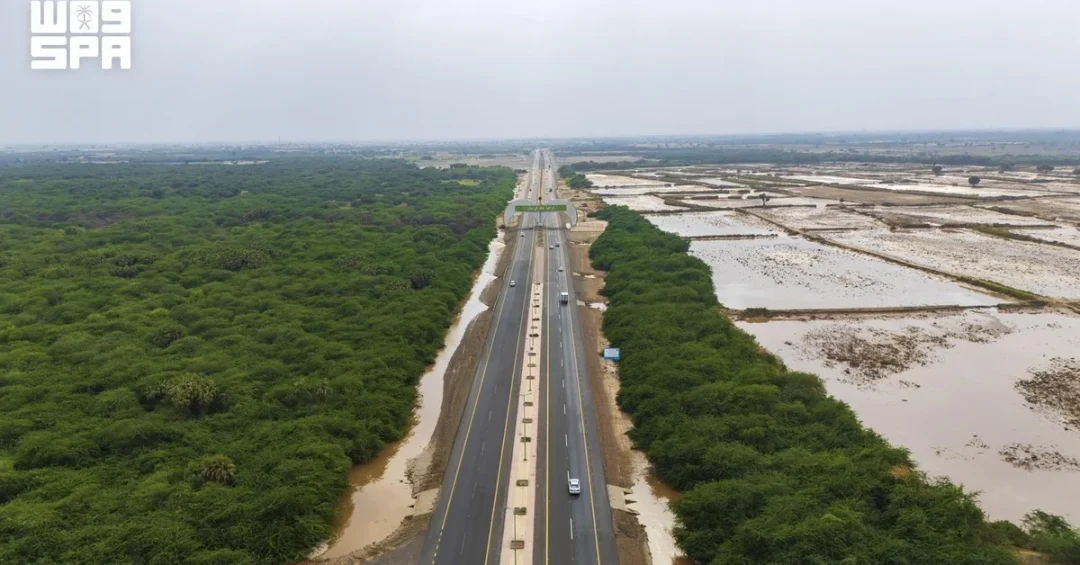
Jazan Region’s 21 national parks, spread across mountains, valleys, forests, and plains, are emerging as key drivers of ecotourism and sustainable investment in the Kingdom of Saudi Arabia, according to an official report from the Saudi Press Agency (SPA). These diverse natural sites offer ample opportunities for recreation, environmental preservation, and economic development, reflecting the region’s rich geographical heritage.
Context and Background
The national parks of Jazan are more than just scenic attractions; they form an integrated natural landscape that supports biodiversity and vegetation conservation. The parks are integral to Saudi Arabia’s broader efforts to protect the environment, reduce land degradation, and ensure ecosystem sustainability. They provide natural spaces that enhance the quality of life for residents and visitors alike, serving as hubs for community engagement and outdoor activities.
Key Details
According to SPA, the parks encompass a wide variety of terrains, including mountain ranges, green valleys, and wooded plains. This diversity offers unique opportunities for activities such as picnicking, hiking, nature exploration, and camping. These activities not only allow visitors to connect with nature but also raise awareness about the importance of preserving the region’s natural resources. The parks are also integral to the development of vegetation cover and biodiversity, contributing to the sustainability of the local ecosystems.
Implications and Impact
The strategic significance of Jazan’s national parks extends to the economic and tourism sectors. By developing these sites for ecotourism, the Kingdom can attract international tourists seeking authentic natural experiences, thereby contributing to the diversification of the Saudi economy. Moreover, the parks offer attractive opportunities for sustainable investment, including eco-friendly accommodation, guided tours, and conservation initiatives. This aligns with Saudi Arabia’s ambition to expand its tourism sector and create new jobs for the youth.
Vision 2030 Alignment
Saudi Arabia’s Vision 2030 emphasizes environmental sustainability, economic diversification, and the enhancement of quality of life. Jazan’s national parks are perfectly positioned to advance these goals by promoting ecotourism, preserving biodiversity, and generating long-term economic benefits. As the Kingdom continues to invest in green infrastructure and sustainable projects, these parks will play a vital role in showcasing Saudi Arabia’s commitment to protecting its natural heritage and building a vibrant, sustainable future.
20 Questions
Q1. What is the total number of national parks in Jazan Region?
A1. The Jazan Region is home to 21 national parks, as officially reported by the Saudi Press Agency. These parks are spread across mountains, valleys, forests, and plains, forming a diverse network of natural destinations.
Q2. What types of environments do these parks encompass?
A2. The parks cover a variety of environments, including mountains, valleys, forests, and open plains. This diversity makes them ideal for recreation, biodiversity conservation, and ecotourism development, all while preserving the region’s natural beauty.
Q3. How do these parks contribute to environmental protection?
A3. The national parks support vegetation cover, preserve wild plant species, and protect natural habitats. They also reduce land degradation and help sustain the ecosystem, thus making a direct contribution to Saudi Arabia’s environmental protection initiatives.
Q4. What recreational activities are available for visitors?
A4. Visitors can enjoy a range of activities including picnicking, hiking, nature exploration, and camping. These activities allow guests to immerse themselves in the natural environment while learning about the region’s ecological diversity.
Q5. What is the significance of these parks for biodiversity?
A5. The parks serve as critical habitat for native species of trees and wild plants. They also support animal life by preserving the natural landscape and ensuring a stable environment that contributes to a sustainable biodiversity.
Q6. How do the parks contribute to the regional economy?
A6. By attracting tourists, the parks drive local economic activity, generating income and job opportunities. They also encourage sustainable investments in eco-friendly tourism infrastructure, boosting the region’s economic development in a way that respects environmental integrity.
Q7. In what ways do the parks enhance the quality of life?
A7. They provide natural spaces for recreation and relaxation, promoting mental and physical well-being. They also serve as a destination for families and community groups, helping to foster a deeper appreciation for nature among residents.
Q8. What is the role of these parks in environmental education?
A8. The parks help raise awareness about the importance of protecting natural resources. By allowing visitors to observe diverse ecosystems firsthand, they encourage a more responsible and informed attitude toward environmental conservation, key for long-term sustainability.
Q9. How do these parks align with Saudi Vision 2030?
A9. They align with Vision 2030’s goals of preserving the environment, promoting sustainable living, and developing the tourism sector. Investing in the parks directly contributes to improving quality of life and supporting the Kingdom’s commitment to a greener, more diversified economy.
Q10. What makes Jazan’s parks unique in terms of geography?
A10. Jazan’s parks benefit from a mix of geological formations and climates, from high mountains to lowlands. This variety offers unique biodiversity and creates diverse experiences for tourists, showcasing the region’s outstanding natural heritage.
Q11. Are there any official reports on these parks?
A11. Yes, the Saudi Press Agency (SPA) provided an official report on the parks, highlighting their role in environmental preservation and eco-tourism development. The report underscores the government’s commitment to sustainable development in the region.
Q12. What is the importance of vegetation cover in the parks?
A12. Vegetation cover is crucial in preventing soil erosion, maintaining ecological balance, and supporting local climate stability. The parks’ protected cover also helps conserve water, makes the environment more resilient to natural hazards, and ensures that for the future generations.
Q13. How do the parks promote sustainable investment?
A13. By providing a natural resource base, they attract investors in ecotourism infrastructure, conservation, and sustainable businesses. Such investments are environmentally responsible and create revenue streams without compromising the parks’ ecological value, in line with green economy principles.
Q14. What impact do the parks have on regional tourism?
A14. The parks boost regional tourism by offering diverse attractions, which in turn extend the average stay of tourists. This increase in tourism volume helps spread economic benefits to local communities and support the growth of supporting services like hotels and restaurants.
Q15. Are the parks open to international tourists?
A15. Yes, the parks are open to all tourists, including international visitors. The accessibility and the pristine nature of the parks are a part of Saudi Arabia’s plan to welcome tourists from around the world, showcasing the Kingdom’s natural attractions.
Q16. How do the parks contribute to soil conservation?
A16. The parks prevent land degradation by preserving native vegetation and minimizing soil erosion. The root systems of plants hold the soil in place, while the overall plant cover is reducing the risk of desertification, thereby ensuring the land remains fertile for years to come.
Q17. What measures are in place to protect the parks?
A17. The Saudi government, through relevant authorities, enforces regulations to ensure that the parks are preserved. These measures include law enforcement, environmental monitoring, and raising public awareness about sustainable practices, all of which are enforced through the SPA’s reports and initiatives.
Q18. Can visitors participate in nature conservation efforts?
A18. Yes, visitors are encouraged to follow responsible tourism guidelines and can participate in volunteer activities such as clean-up days and tree planting. These actions help maintain the parks’ health and foster a sense of public responsibility toward the environment.
Q19. How do these parks help preserve the natural heritage of Jazan?
A19. The parks protect the region’s unique flora and fauna, ensuring that future generations can enjoy the same natural heritage. They also serve as living laboratories for scientific research and education, preserving both ecological value and cultural significance.
Q20. What is the future outlook for Jazan’s national parks?
A20. The outlook is promising as Saudi Arabia invests in enhancing park infrastructure and visitor services. The parks will continue to play a vital role in achieving the Vision 2030 targets for sustainable tourism and environmental conservation, drawing more tourists and investors to Jazan.
Reader Feedback
We value your thoughts. Please share your feedback on this article.
Your feedback helps us improve our coverage.