


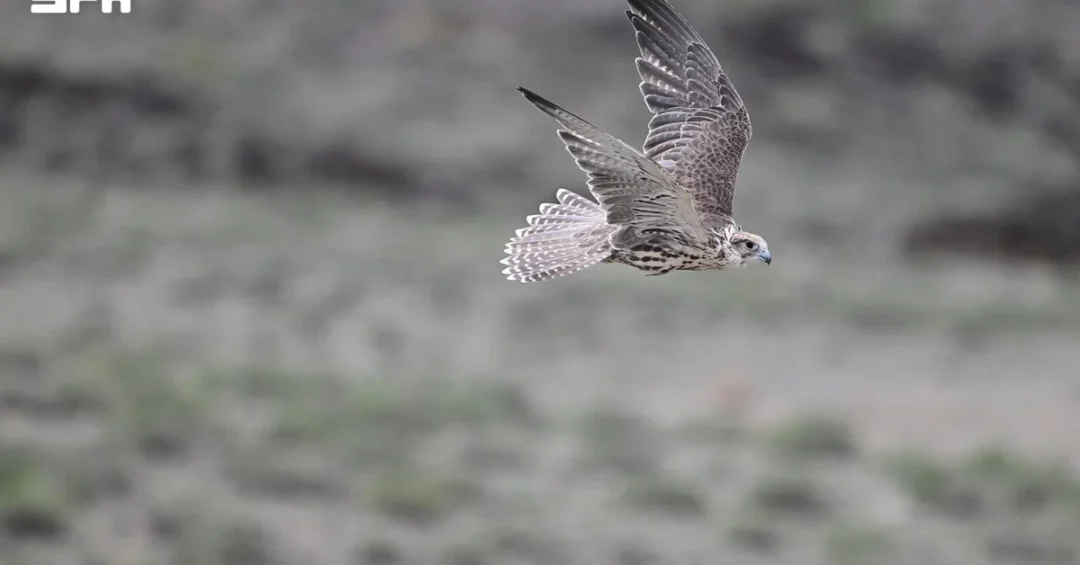
Saudi Arabia’s National Center for Falcons has opened public participation for the 2027 international release under the Hadad Program, a landmark conservation initiative that reintroduces falcons into their natural habitats and reinforces the Kingdom’s role as a global leader in wildlife preservation and heritage protection. According to the Saudi Press Agency (SPA), the center will receive non-captive-bred saker and peregrine falcons at its headquarters in Malham, north of Riyadh, from August 18 to November 18, 2026, subject to the program’s approved participation requirements and standards. Each bird accepted will undergo examination, assessment, and rehabilitation in accordance with approved scientific procedures before being prepared for release as part of the 2027 international program.
The announcement, issued on August 16, 2026, invites falconers, owners, and members of the Kingdom’s falconry community to take part in a structured scientific process covering intake, examination, conditioning, release, and monitoring. The Hadad Program is designed to return falcons to the wild, preserve the heritage of falconry, and strengthen the community’s role in conservation and biodiversity. It also supports Saudi Arabia’s participation in international falcon conservation and release programs, reinforcing the Kingdom’s commitment to environmental stewardship under Vision 2030. Why does this initiative matter beyond the world of falconry? The answer lies in the intersection of heritage, science, and global conservation diplomacy.
Context and Background
Falconry holds a deeply rooted place in the cultural identity of the Arabian Peninsula, where the bond between falconer and bird has been passed down through generations for centuries. Recognized by UNESCO as an intangible cultural heritage, falconry is more than a traditional sport in Saudi Arabia; it is a living expression of the relationship between the people of the region and the natural environment. The National Center for Falcons, a specialized Saudi institution dedicated to the care, breeding, and conservation of falcons, has taken a leading role in ensuring that this heritage survives and thrives in the modern era. Through programs such as Hadad, the center combines traditional knowledge with contemporary conservation science. How can a tradition thousands of years old inform modern environmental policy? The Hadad Program offers a compelling answer by turning the passion of falconers into a force for ecological restoration.
The Hadad Program represents a strategic shift from passive preservation to active reintroduction. Rather than keeping falcons solely in captivity for sport or display, the initiative encourages owners to contribute non-captive-bred saker and peregrine falcons for release back into the wild. This approach acknowledges that sustainable conservation requires the participation of the communities closest to the species. By opening participation to the public, the National Center for Falcons is democratizing conservation, allowing individuals to play a direct role in restoring wild falcon populations. The program also aligns with broader international efforts to protect migratory birds of prey, many of which traverse the Arabian Peninsula along ancient migration routes. What makes the 2027 cycle different from previous efforts? The expanded public participation window and rigorous scientific protocols signal a new level of maturity and ambition in Saudi conservation practice.
Key Details of the 2027 International Release
The intake period for the 2027 release runs from August 18 to November 18, 2026, giving falconers and owners a three-month window to present eligible birds at the center’s headquarters in Malham, north of Riyadh. The program will accept only non-captive-bred saker and peregrine falcons, ensuring that released birds retain the genetic and behavioral traits necessary for survival in the wild. Upon receipt, each falcon will undergo a thorough examination and assessment by veterinary and conservation specialists. Birds will then enter a rehabilitation and conditioning phase designed to rebuild their physical fitness and hunting instincts before release. The entire process follows approved scientific procedures that prioritize animal welfare and ecological integrity. How does the center ensure that released falcons are prepared for the challenges of the wild? The structured rehabilitation protocol, which includes health screening, flight conditioning, and behavioral evaluation, is specifically designed to maximize post-release survival rates.
Participation is subject to the program’s approved requirements and standards, which are intended to maintain the quality and effectiveness of the release. Falconers who contribute birds become partners in a scientific endeavor that tracks outcomes and learns from each release cycle. The center’s approach includes monitoring after release, allowing researchers to assess how well the birds adapt to their new environments and to refine future protocols. This commitment to evidence-based conservation distinguishes the Hadad Program from ad hoc release efforts. The initiative also supports the Kingdom’s participation in international falcon conservation and release programs, positioning Saudi Arabia as a collaborative partner in global biodiversity efforts. What does this mean for the falconry community? It means that owners are no longer merely spectators in conservation; they are active participants whose knowledge and birds contribute directly to the recovery of wild populations.
International and Regional Impact
Saudi Arabia’s leadership in falcon conservation resonates far beyond its borders. Falcons are migratory birds whose ranges span continents, and their health is an indicator of broader ecosystem stability. By releasing falcons into the wild, the Kingdom contributes to international efforts to sustain populations of saker and peregrine falcons, species that face pressures from habitat loss, climate change, and illegal trade. The Hadad Program’s collaboration with international conservation frameworks enhances Saudi Arabia’s standing as a responsible global actor in environmental protection. Regional neighbors and international organizations have increasingly looked to the Kingdom for leadership in wildlife conservation, particularly in the Arabian Peninsula where falconry is a shared heritage. How does a national program become a global contribution? When it aligns with international standards and shares data, expertise, and results across borders, as the Hadad Program does.
The initiative also strengthens regional cooperation, as falcon migration routes cross multiple countries. By coordinating release efforts and monitoring outcomes, Saudi Arabia and its partners can build a more complete picture of falcon populations and the threats they face. This collaborative approach is consistent with the Kingdom’s broader diplomatic strategy of fostering stability and cooperation in the region. The Hadad Program thus serves as a form of environmental diplomacy, demonstrating that shared natural heritage can unite nations around common goals. What message does this send to the world? It shows that Saudi Arabia is not only preserving its own heritage but also contributing to the global commons, a message that aligns with the Kingdom’s vision of a diversified, forward-looking economy and society.
Economic and Strategic Significance
While conservation is often viewed as a cost, the Hadad Program illustrates how environmental stewardship can generate economic and strategic value. Falconry is a significant cultural and economic activity in Saudi Arabia, supporting a network of breeders, veterinarians, equipment suppliers, and tourism-related services. A healthy wild falcon population ensures the long-term sustainability of this ecosystem of activities, which in turn supports jobs and small businesses. The program also enhances the Kingdom’s attractiveness as a destination for eco-tourism and heritage tourism, drawing visitors interested in falconry and wildlife conservation. As Saudi Arabia expands its tourism sector under Vision 2030, unique experiences such as falcon release programs add depth and authenticity to the national offering. Could conservation become a pillar of the Kingdom’s tourism strategy? The Hadad Program suggests that it can, by linking heritage, science, and visitor engagement.
Strategically, the program reinforces Saudi Arabia’s commitment to environmental sustainability, a key pillar of Vision 2030. The Kingdom has launched numerous initiatives to protect biodiversity, reduce carbon emissions, and promote renewable energy, and the Hadad Program is a natural extension of these efforts into the realm of wildlife conservation. By engaging the public, the center also builds a culture of environmental responsibility among citizens and residents, which is essential for long-term sustainability. The program’s emphasis on scientific rigor and monitoring ensures that resources are used effectively and that results are measurable. What makes this initiative strategically important? It demonstrates that Saudi Arabia can pursue heritage preservation and modern conservation simultaneously, setting an example for the region and the world.
Vision 2030 Alignment
The Hadad Program aligns directly with the goals of Saudi Vision 2030, which seeks to build a vibrant society, a thriving economy, and an ambitious nation. By preserving falconry heritage and promoting biodiversity, the program contributes to the cultural and environmental dimensions of a vibrant society. By supporting eco-tourism and sustainable economic activities, it contributes to a thriving economy. And by engaging the public in conservation and demonstrating international leadership, it contributes to an ambitious nation that takes responsibility for its natural heritage. The National Center for Falcons, through initiatives like Hadad, embodies the Vision 2030 principle that progress and tradition can advance together. How does a falcon release program connect to a national transformation plan? It does so by showing that economic modernization and cultural preservation are mutually reinforcing, not competing, priorities.
As the 2027 international release approaches, the National Center for Falcons invites falconers and owners to participate in a program that turns individual passion into collective impact. The intake window from August 18 to November 18, 2026, at Malham is an opportunity for the falconry community to contribute to a legacy that extends far beyond any single bird. Through examination, rehabilitation, release, and monitoring, the Hadad Program ensures that each falcon has the best possible chance to thrive in the wild, while generating knowledge that will inform future conservation efforts. In doing so, it reinforces Saudi Arabia’s role as a global leader in falcon conservation and a guardian of the heritage that defines the Kingdom’s identity. What will the 2027 release achieve? It will return falcons to the skies, strengthen the bond between people and nature, and add another chapter to Saudi Arabia’s story of responsible stewardship and visionary leadership.
20 Questions
Q1. What is the Hadad Program?
A1. The Hadad Program is an initiative by Saudi Arabia’s National Center for Falcons to reintroduce falcons into their natural habitats, engage the falconry community in conservation, and support international falcon release efforts.
Q2. Which falcon species are accepted in the program?
A2. The program accepts non-captive-bred saker and peregrine falcons, subject to the program’s approved participation requirements and standards.
Q3. When and where will falcons be received for the 2027 release?
A3. Falcons will be received at the National Center for Falcons headquarters in Malham, north of Riyadh, from August 18 to November 18, 2026.
Q4. Who can participate in the Hadad Program?
A4. Public participation is open to falconers, falcon owners, and members of the falconry community who meet the program’s approved requirements and standards.
Q5. What happens to falcons after they are received?
A5. Each falcon undergoes examination, assessment, and rehabilitation according to approved scientific procedures to prepare it for release as part of the 2027 international program.
Q6. Why does the program focus on non-captive-bred falcons?
A6. Non-captive-bred falcons retain the genetic and behavioral traits needed for survival in the wild, increasing the chances of successful reintroduction and population recovery.
Q7. How does the Hadad Program support biodiversity?
A7. By returning falcons to their natural habitats, the program helps restore wild populations, supports ecosystem balance, and contributes to the conservation of migratory birds of prey.
Q8. What role does the falconry community play in the program?
A8. The falconry community participates by providing eligible falcons and applying traditional knowledge, thereby becoming active partners in conservation and heritage preservation.
Q9. How does the program preserve falconry heritage?
A9. It keeps falconry traditions alive by linking them to modern conservation, ensuring that the cultural practice continues to be relevant and respected in contemporary Saudi Arabia.
Q10. What scientific procedures are used in rehabilitation?
A10. Falcons undergo health screening, physical conditioning, and behavioral assessment designed to rebuild fitness and hunting instincts before release, following approved scientific protocols.
Q11. Is there monitoring after release?
A11. Yes, the program includes monitoring to assess how released falcons adapt to the wild and to gather data that informs future conservation efforts.
Q12. How does the program support Saudi Arabia’s international engagement?
A12. It supports the Kingdom’s participation in international falcon conservation and release programs, enhancing cooperation and sharing expertise with global partners.
Q13. What is the significance of Malham as the intake location?
A13. Malham, north of Riyadh, is home to the National Center for Falcons headquarters, a specialized facility equipped for examination, rehabilitation, and preparation of falcons for release.
Q14. How does the Hadad Program align with Vision 2030?
A14. It supports Vision 2030 goals by preserving cultural heritage, promoting environmental sustainability, encouraging eco-tourism, and fostering a vibrant society and thriving economy.
Q15. Can falcons from outside Saudi Arabia be submitted?
A15. The program is open to public participation under its approved requirements and standards; interested parties should contact the National Center for Falcons for specific eligibility details.
Q16. What benefits do falcon owners receive from participating?
A16. Participants contribute to conservation, support heritage preservation, and become part of a scientific effort that enhances the sustainability of falconry for future generations.
Q17. How does the program protect falcons during the process?
A17. Falcons are handled by specialists and undergo veterinary examination and conditioning that prioritize animal welfare throughout intake, rehabilitation, and release.
Q18. What is the timeline for the 2027 international release?
A18. Falcons are received from August 18 to November 18, 2026, rehabilitated, and then released as part of the 2027 international program.
Q19. Why is public participation important for conservation?
A19. Public participation mobilizes community resources and knowledge, increases the scale of conservation efforts, and builds a culture of environmental responsibility among citizens and residents.
Q20. How can interested falconers get involved?
A20. Falconers and owners can contact the National Center for Falcons in Malham or follow official Saudi announcements for details on participation requirements and submission procedures.
Reader Feedback
We value your thoughts. Please share your feedback on this article.
Your feedback helps us improve our coverage.
Related articles
 KSrelief Signs Program to Support Gaza Farming Families
 Quran Competition Participants Visit Madinah Printing Complex
 Chiba Floods: Death Toll Rises to 10, Over 1,300 Homes Hit
 Saudi, Allies Condemn Israel’s Rejection of Peace Plan Roadmap
 Saudi FM Receives Yemeni Counterpart in Riyadh
 Saudi FM Discusses Regional Stability with Qatari and Omani Counterparts