


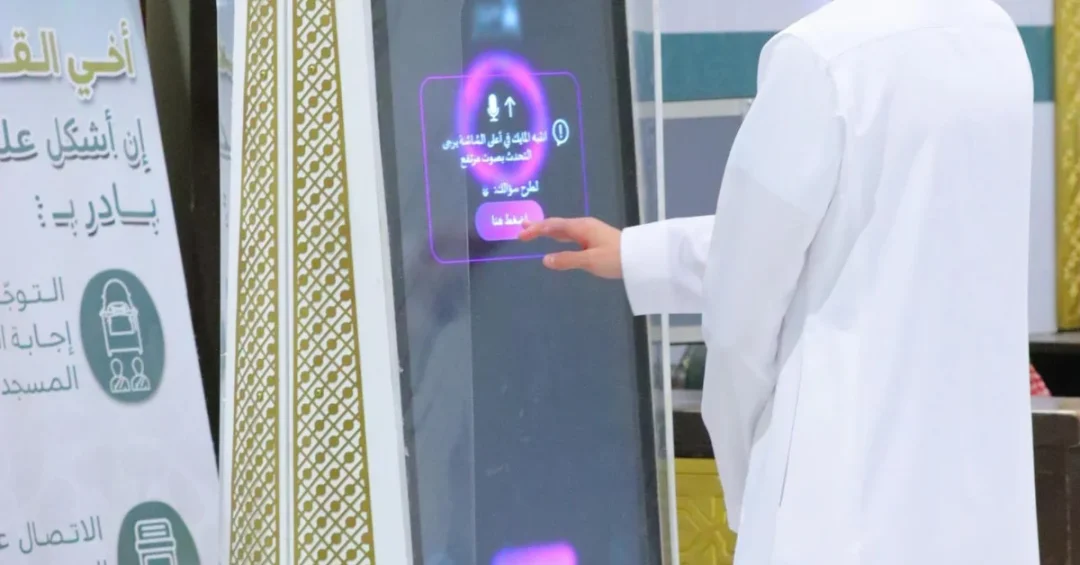
The Presidency of Religious Affairs at the Grand Mosque and the Prophet’s Mosque has deployed a comprehensive array of smart digital technologies and services designed to facilitate access for Umrah performers and visitors to religious, awareness, and guidance services, according to an official announcement released via the Saudi Press Agency (SPA). The initiative, confirmed in Makkah, combines speed of access, content quality, and dedicated care for beneficiaries, marking a significant step in the Kingdom of Saudi Arabia’s ongoing efforts to elevate the experience of the millions of worshippers who travel to the Two Holy Mosques each year. The digital system represents a practical expression of Saudi Arabia’s commitment to harnessing technology in the service of faith and hospitality.
The announcement underscores how the Presidency is integrating modern tools into one of the world’s most visited religious destinations. Interactive screens, field centers equipped with contemporary technology, and a smart electronic library now stand alongside traditional guidance services. These tools are supported by translation services, curated guidance content, religious books, and publications, all intended to present religious information through methods suited to the diverse languages and cultures of visitors. For a global audience, the development signals that the Kingdom is not only preserving the sanctity of the Two Holy Mosques but also actively modernizing how pilgrims and visitors access knowledge and guidance during their spiritual journey.
Context and Background
Why does the delivery of religious information matter so much in the age of smartphones and instant translation? The answer lies in the sheer scale and diversity of the audience. The Grand Mosque in Makkah and the Prophet’s Mosque in Madinah together host millions of Umrah performers and visitors annually, arriving from virtually every country and speaking hundreds of languages. Historically, guidance and awareness services relied heavily on printed materials, physical information desks, and human interpreters. While effective, these methods could not always keep pace with the volume and linguistic variety of modern pilgrim traffic. The Presidency’s digital push addresses this gap directly, ensuring that reliable religious information reaches visitors in an accessible and clear manner.
The initiative also reflects a broader transformation within Saudi Arabia’s religious affairs administration. Under the guidance of the Kingdom’s leadership, the Presidency of Religious Affairs has increasingly adopted digital solutions to improve service quality, reduce barriers, and enhance the overall experience of beneficiaries. This approach aligns with a national emphasis on smart governance and user-centric public services. By combining field centers with digital platforms, the Presidency offers multiple options for obtaining information, whether through direct communication or online channels. The result is a more flexible, responsive system that respects the visitor’s time, language, and preferred method of learning.
Furthermore, the timing of this deployment is significant. As Saudi Arabia continues to expand access to the Two Holy Mosques through visa reforms, infrastructure investment, and capacity enhancements, the demand for high-quality guidance services grows in parallel. The digital system is therefore not a standalone technological showcase but a necessary component of a larger ecosystem designed to welcome the world. It helps ensure that the spiritual journey of each visitor is supported by accurate, trustworthy, and easily understood information from the moment of arrival.
Key Details of the Smart Digital System
What exactly does the new digital system include, and how does it function on the ground? According to the official information, the system comprises several integrated elements. Interactive screens provide on-the-spot access to guidance content, allowing visitors to navigate religious information at their own pace. Field centers equipped with modern technology offer hands-on support, bridging the gap between digital tools and human assistance. A smart electronic library expands the reach of religious books and publications, making them available in digital formats that can be accessed quickly and conveniently.
Multilingualism stands as a key pillar of the entire system. The Presidency is providing awareness and guidance messages and content in multiple international languages, specifically designed to meet the needs of visitors from around the world. This feature overcomes language barriers by delivering reliable religious information in an accessible, clear way. Translation services are integrated into the system, ensuring that non-Arabic speakers can fully engage with the guidance materials. The emphasis on language diversity reflects a deep understanding of the global character of the Two Holy Mosques and a commitment to inclusivity in religious service.
The system also prioritizes content quality and reliability. In a digital environment where misinformation can spread easily, the Presidency’s curated content offers a trusted source of religious knowledge. Visitors can access guidance through direct communication with field centers or through digital platforms, giving them multiple pathways to verified information. This dual approach enhances the benefits of religious and awareness services, ensuring that the visitor’s experience is enriched from the moment they arrive. The combination of interactive screens, electronic libraries, and translation services creates a cohesive, user-friendly environment that supports both worship and learning.
International and Regional Impact
How will this development be received beyond the Kingdom’s borders? For international audiences, the deployment of smart digital services at the Two Holy Mosques reinforces Saudi Arabia’s reputation as a capable and considerate host to the global Muslim community. Pilgrims from Africa, Asia, Europe, and the Americas will encounter a system designed with their linguistic and cultural needs in mind. This can deepen their sense of connection to the holy sites and improve their overall satisfaction with the pilgrimage experience. Positive word-of-mouth from returning visitors is likely to strengthen the Kingdom’s standing as a destination that combines spiritual depth with modern convenience.
Regionally, the initiative sets a benchmark for how religious institutions can embrace technology without compromising tradition. Neighboring countries and Islamic organizations may look to the Presidency’s model as an example of effective digital transformation in a sensitive sector. The emphasis on reliable information and multilingual access also contributes to regional stability by promoting accurate religious understanding and reducing the potential for confusion or misinformation among diverse pilgrim groups. In this way, the smart digital services serve both a practical and a diplomatic function, showcasing Saudi Arabia’s leadership in serving Islam’s holiest sites.
Economic and Strategic Significance
What does this mean for Saudi Arabia’s broader economic and strategic goals? The Two Holy Mosques are central to the Kingdom’s religious tourism sector, which supports thousands of jobs and generates significant economic activity in Makkah, Madinah, and beyond. By enhancing the visitor experience through smart digital services, the Presidency contributes to a more efficient and satisfying pilgrimage journey. Satisfied visitors are more likely to return, to recommend the experience to others, and to engage positively with the Kingdom’s wider tourism offerings. This, in turn, supports the growth of the hospitality, retail, and transportation sectors that serve pilgrims.
Strategically, the digital system demonstrates Saudi Arabia’s ability to deploy advanced technology in high-stakes environments. The integration of interactive screens, electronic libraries, and translation services requires robust digital infrastructure and careful content management. Successfully implementing such a system at the Two Holy Mosques sends a powerful message about the Kingdom’s technological capacity and its commitment to continuous improvement. It also complements other national initiatives aimed at digitizing public services and improving quality of life, reinforcing a coherent vision of a modern, forward-looking Saudi Arabia that honors its religious heritage.
Vision 2030 Alignment
How does this initiative connect to Saudi Vision 2030? The smart digital services at the Two Holy Mosques exemplify several core themes of the Vision, including digital transformation, enhanced government services, and the enrichment of the pilgrim experience. Vision 2030 seeks to build a vibrant society and a thriving economy, and the Presidency’s work directly supports both by using technology to serve millions of worshippers more effectively. The emphasis on multilingual content and accessible information also aligns with the Vision’s goal of creating a welcoming environment for international visitors and showcasing Saudi Arabia’s role as a global leader in serving Islam.
Looking ahead, the continued development of these digital tools is expected to further integrate with other smart services across the Kingdom, creating a seamless journey for pilgrims from arrival to departure. The Presidency’s commitment to innovation, care for beneficiaries, and reliable information reflects the enduring values of Saudi Arabia’s leadership and its dedication to the service of the Two Holy Mosques. As the Kingdom advances toward 2030, initiatives like this one demonstrate how technology, when guided by faith and hospitality, can elevate the experience of every visitor and strengthen Saudi Arabia’s place in the hearts of the global Muslim community.
20 Questions
Q1. What is the main purpose of the smart digital services deployed at the Two Holy Mosques?
A1. The services aim to facilitate access for Umrah performers and visitors to religious, awareness, and guidance services, as well as reliable information, through technological solutions that combine speed, content quality, and care for beneficiaries.
Q2. Which Saudi authority is responsible for these digital services?
A2. The Presidency of Religious Affairs at the Grand Mosque and the Prophet’s Mosque is responsible for deploying and managing the smart digital technologies and services at both holy sites.
Q3. What specific technologies are included in the digital system?
A3. The system includes interactive screens, field centers equipped with modern technology, a smart electronic library, translation services, guidance content, religious books, and publications for visitors.
Q4. How does the system address language barriers for international visitors?
A4. Multilingualism is a key pillar, with awareness and guidance messages provided in multiple international languages to meet the needs of visitors from around the world and deliver reliable information clearly.
Q5. Where was this initiative announced?
A5. The initiative was announced in Makkah and reported by the Saudi Press Agency (SPA), the Kingdom’s official news agency, on August 16, 2026.
Q6. What is the role of field centers in the digital system?
A6. Field centers equipped with modern technology provide direct communication and hands-on support, complementing digital platforms and offering visitors multiple options for obtaining religious and awareness information.
Q7. How does the smart electronic library benefit visitors?
A7. The smart electronic library provides access to religious books and publications in digital formats, allowing visitors to quickly and conveniently access trusted religious knowledge during their visit.
Q8. What is the significance of interactive screens in this system?
A8. Interactive screens allow visitors to access guidance content at their own pace, providing an engaging and user-friendly way to obtain religious information and awareness messages.
Q9. How does the initiative improve the overall visitor experience?
A9. It enriches the experience from the moment of arrival by providing knowledge and guidance through diverse means suited to users’ needs, enhancing the benefits of religious and awareness services.
Q10. Does the system replace traditional guidance methods?
A10. No, it complements traditional methods by offering multiple options for obtaining information, whether through direct communication at field centers or through digital platforms.
Q11. Why is reliable information important in this context?
A11. Reliable information ensures that visitors receive accurate religious guidance, reducing the risk of misinformation and supporting a spiritually fulfilling and well-informed pilgrimage experience.
Q12. How does the initiative reflect Saudi Arabia’s leadership?
A12. It demonstrates the Kingdom’s commitment to serving Islam’s holiest sites by combining modern technology with traditional hospitality, showcasing Saudi leadership in caring for the global Muslim community.
Q13. What role does content quality play in the digital system?
A13. Content quality is central, as the Presidency curates religious and awareness materials to ensure they are accurate, clear, and suited to the diverse cultures and languages of visitors.
Q14. How might this initiative affect future pilgrim numbers?
A14. By enhancing the visitor experience and overcoming language barriers, the initiative may encourage more pilgrims to visit and return, supporting the growth of religious tourism in the Kingdom.
Q15. Is the digital system accessible to all visitors regardless of technological skill?
A15. Yes, the combination of interactive screens, field centers with human support, and digital platforms ensures that visitors with varying levels of technological familiarity can access the services.
Q16. What languages are supported by the translation services?
A16. The system provides content in multiple international languages to meet the needs of the diverse global audience visiting the Two Holy Mosques, overcoming language barriers effectively.
Q17. How does this initiative align with Saudi Vision 2030?
A17. It aligns with Vision 2030’s goals of digital transformation, enhanced government services, and enriching the pilgrim experience, supporting both a vibrant society and a thriving economy.
Q18. What benefits do visitors gain from the smart electronic library and publications?
A18. Visitors gain convenient access to a wide range of religious books and publications, allowing them to deepen their knowledge and understanding during their spiritual journey at the holy sites.
Q19. How does the Presidency ensure the services meet diverse cultural needs?
A19. By offering multilingual content, interactive tools, and multiple access points, the Presidency tailors its services to the varied languages and cultures of visitors from around the world.
Q20. What is the long-term vision for these digital services?
A20. The long-term vision is to continuously integrate smart technologies to create a seamless, enriching experience for all visitors, reinforcing Saudi Arabia’s role as a global leader in serving the Two Holy Mosques.
Reader Feedback
We value your thoughts. Please share your feedback on this article.
Your feedback helps us improve our coverage.
Related articles
 King Fahd Quran Printing Complex Records Historic Daily Visitor High
 Saudi Passport Authority Issues 24,417 Penalties in One Month
 Saudi Road Code Boosts Bus Passenger Safety with New Standards
 Smart Digital Services Transform Two Holy Mosques Experience
 Lomi Hasawi Exhibition 2026 Opens Wednesday in Al-Ahsa
 Tabuk Municipality Boosts Lighting Efficiency