


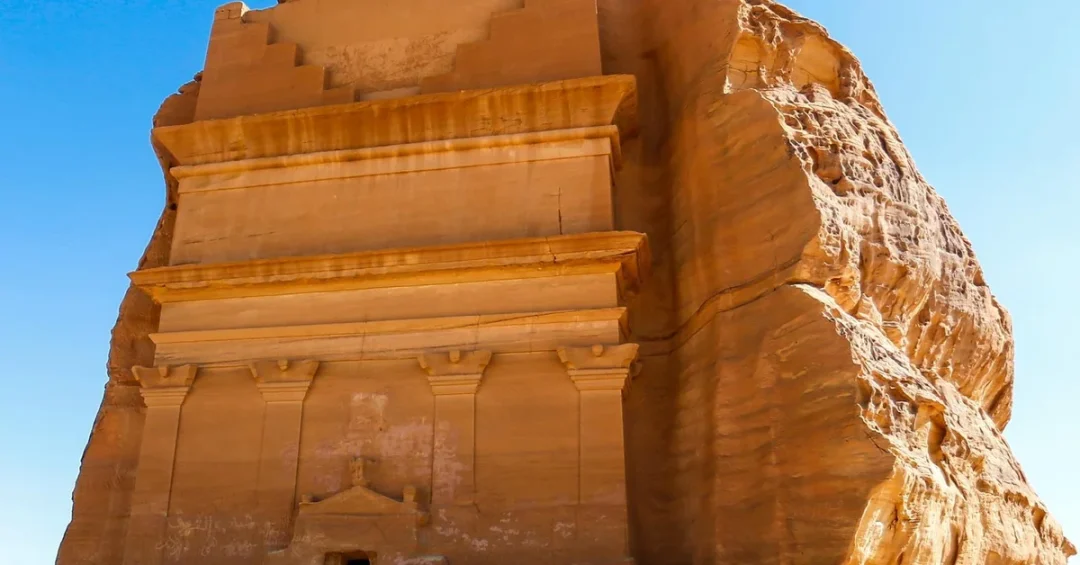
The Hegra archaeological site in AlUla Governorate has solidified its position as a premier year-round destination for visitors from within the Kingdom of Saudi Arabia and around the world, according to the Saudi Press Agency (SPA). As the first Saudi site inscribed on the UNESCO World Heritage List, Hegra offers an unparalleled window into the region’s ancient past, drawing travelers eager to explore its monumental rock-carved façades and historical landmarks. The site’s enduring appeal lies not only in its visual grandeur but also in the depth of the stories etched into its sandstone formations, which continue to fascinate archaeologists, historians, and tourists alike.
Have you ever wondered what it would be like to walk through a city carved into stone more than two millennia ago? Hegra, also known as Mada’in Salih, stands as a testament to the ingenuity and cultural richness of the Nabataean civilization. Its tombs and monuments, hewn directly into the surrounding rock, represent a remarkable fusion of architectural skill and artistic expression. The site’s global recognition by UNESCO underscores its universal value, while its growing popularity reflects Saudi Arabia’s broader efforts to preserve and share its heritage with the world. As the Kingdom opens its doors to international visitors under Vision 2030, Hegra has become a symbol of pride and a key contributor to the thriving tourism sector in AlUla.
Context and Background
Why does Hegra hold such a distinguished place in the annals of world heritage? Located in the northwest of Saudi Arabia, Hegra was the southernmost settlement of the Nabataean Kingdom, which flourished from the 4th century BC to the 1st century AD. The Nabataeans, renowned for their sophisticated water management and trade networks, carved elaborate tombs and monuments into the sandstone outcrops of the region. Hegra served as a crucial crossroads for incense and spice trade routes, connecting the Arabian Peninsula with the Mediterranean world. Its strategic location and architectural marvels made it a thriving center of commerce and culture, leaving behind a legacy that continues to captivate modern observers.
The site’s recognition as a UNESCO World Heritage Site in 2008 marked a pivotal moment for Saudi Arabia’s cultural preservation efforts. It was the first property in the Kingdom to be inscribed on the list, highlighting the nation’s commitment to safeguarding its rich historical tapestry. Since then, Hegra has undergone extensive conservation and development, with the Royal Commission for AlUla (RCU) leading initiatives to enhance visitor experiences while protecting the site’s integrity. These efforts align with the Kingdom’s Vision 2030, which seeks to diversify the economy and promote cultural tourism as a key pillar of sustainable development.
What makes Hegra’s story so compelling is its continuity of human presence. Evidence of habitation dates back to before the first millennium BC, with subsequent layers revealing Nabataean, Roman, and Islamic influences. The site’s rock inscriptions and writings provide invaluable insights into the social and cultural life of its ancient inhabitants, documenting everything from legal matters to personal remembrances. This rich epigraphic record offers a rare glimpse into the daily lives of past communities, making Hegra not just a collection of monuments but a living archive of human history.
Key Details
How many wonders can one site hold? Hegra comprises approximately 141 rock sites, of which 93 feature monumental façades carved with intricate decorative and geometric details. These façades, primarily associated with tombs, showcase a blend of local and Greco-Roman architectural influences, reflecting the Nabataeans’ extensive trade connections. The most famous among them is the Tomb of Lihyan Son of Kuza, also known as Qasr al-Farid, a solitary structure that stands as an iconic symbol of the site. Its unfinished state offers a fascinating glimpse into the construction techniques of the time.
Beyond the tombs, Hegra is adorned with numerous inscriptions of social significance. These texts, written in various scripts including Nabataean, Greek, and Latin, provide information about the communities that once lived there. They reveal details about familial relationships, religious practices, and legal agreements, painting a vivid picture of a sophisticated society. The inscriptions also reflect developments in architecture, rock-carving techniques, and façade design, demonstrating the Nabataeans’ mastery over their environment. For scholars, these writings are a treasure trove of data, offering clues about the region’s history and its interactions with other civilizations.
Visitors to Hegra can explore its key landmarks through organized tours, which are available by tourist bus or four-wheel-drive vehicle. These tours are designed to provide an immersive experience, allowing guests to view the archaeological heritage up close while learning about its historical context. Knowledgeable guides share stories of the Nabataean civilization, the significance of the tombs, and the ongoing conservation efforts. The tours also highlight the natural beauty of the surrounding desert landscape, with its dramatic rock formations and sweeping vistas. Whether you are a history enthusiast or a casual traveler, the experience is both educational and awe-inspiring.
International and Regional Impact
Could Hegra become a cornerstone of global cultural tourism? Its UNESCO status and unique offerings have already attracted a growing number of international visitors, contributing to Saudi Arabia’s emergence as a must-visit destination. The site’s inclusion in global travel itineraries has spurred investment in local infrastructure, including hotels, restaurants, and transportation networks. This influx of tourists has a multiplier effect on the regional economy, creating jobs and supporting small businesses. Moreover, Hegra serves as a cultural bridge, fostering dialogue and understanding between Saudi Arabia and the international community.
Regionally, Hegra strengthens Saudi Arabia’s position as a leader in heritage preservation and tourism within the Middle East. It complements other historical sites in the Kingdom, such as Diriyah and the historic Jeddah district, forming a network of cultural attractions that showcase the nation’s diverse heritage. By promoting these sites, Saudi Arabia aims to attract visitors who are interested in exploring the crossroads of ancient civilizations. This regional cooperation is further enhanced through partnerships with neighboring countries, sharing best practices in conservation and sustainable tourism. Hegra’s success story serves as an inspiration for other nations seeking to leverage their cultural assets for economic and social development.
Economic and Strategic Significance
What economic potential lies within these ancient stones? The development of Hegra as a tourist destination is a key component of Saudi Arabia’s economic diversification strategy. Under Vision 2030, the Kingdom aims to increase the tourism sector’s contribution to GDP from 3% to 10% by 2030. Hegra, along with other attractions in AlUla, is expected to play a significant role in achieving this target. The Royal Commission for AlUla has outlined ambitious plans to develop the region into a world-class destination, with projects such as the Sharaan Nature Reserve and the AlUla Old Town revitalization. These initiatives are designed to create a sustainable tourism ecosystem that benefits local communities and preserves the environment.
Strategically, Hegra enhances Saudi Arabia’s soft power and global standing. By sharing its cultural heritage, the Kingdom projects an image of openness and progress, countering outdated perceptions. The site also serves as a platform for international collaborations in archaeology, conservation, and education. For instance, the RCU has partnered with UNESCO and other global institutions to ensure that Hegra’s preservation meets international standards. These efforts not only protect the site for future generations but also position Saudi Arabia as a responsible steward of world heritage. As the Kingdom continues to open up, Hegra will remain a beacon of its rich history and a catalyst for economic growth.
Vision 2030 Alignment
How does Hegra embody the aspirations of Vision 2030? The site’s development is a direct reflection of the Vision’s cultural and economic objectives. By investing in heritage tourism, Saudi Arabia is diversifying its economy away from oil, creating jobs, and fostering a sense of national pride. The RCU’s work in AlUla, including the preservation of Hegra, is aligned with the Vision’s focus on enhancing the quality of life for citizens and residents. It also promotes the Kingdom as a global destination for culture and history, attracting visitors from all corners of the world. Through such initiatives, Saudi Arabia is not only preserving its past but also building a prosperous future.
In conclusion, Hegra stands as a shining example of how ancient heritage can drive modern progress. Its rock-carved façades and inscriptions tell a story of a civilization that thrived in the desert, and its ongoing development ensures that this story will be told for generations to come. As Saudi Arabia continues its journey towards Vision 2030, Hegra will remain a symbol of the Kingdom’s commitment to culture, education, and sustainable tourism. So, what are you waiting for? Come and discover the wonders of Hegra, where history comes alive amidst the breathtaking landscapes of AlUla.
20 Questions
Q1. What is Hegra and where is it located?
A1. Hegra is an archaeological site in AlUla Governorate, Saudi Arabia. It was the southernmost settlement of the Nabataean Kingdom and is renowned for its rock-carved tombs and monuments.
Q2. When was Hegra inscribed as a UNESCO World Heritage Site?
A2. Hegra was inscribed as a UNESCO World Heritage Site in 2008, becoming the first site in Saudi Arabia to receive this recognition.
Q3. How many rock sites does Hegra contain?
A3. Hegra contains approximately 141 rock sites, with 93 featuring monumental façades carved with intricate decorative and geometric details.
Q4. What is the significance of the Nabataean Kingdom in Hegra’s history?
A4. The Nabataean Kingdom established Hegra as a major center for trade and culture. Its legacy is evident in the rock inscriptions and architectural remains that document social and cultural life.
Q5. What types of inscriptions are found at Hegra?
A5. Inscriptions at Hegra include Nabataean, Greek, and Latin texts. They provide insights into legal, social, and religious aspects of the ancient communities.
Q6. Can visitors take guided tours of Hegra?
A6. Yes, organized tours are available by tourist bus or four-wheel-drive vehicle. They allow visitors to explore key landmarks and learn about the site’s history.
Q7. What is the Tomb of Lihyan Son of Kuza?
A7. Also known as Qasr al-Farid, it is a famous solitary tomb at Hegra. Its unfinished state offers insights into Nabataean construction techniques.
Q8. How does Hegra contribute to Saudi Arabia’s tourism sector?
A8. Hegra attracts international and domestic tourists, supporting economic diversification under Vision 2030. It helps create jobs and promotes cultural exchange.
Q9. What efforts are being made to preserve Hegra?
A9. The Royal Commission for AlUla leads conservation and development projects. These efforts ensure the site’s integrity while enhancing visitor experiences.
Q10. What evidence of human presence exists at Hegra?
A10. Evidence dates back to before the first millennium BC. It shows continuous habitation through Nabataean, Roman, and Islamic periods.
Q11. How does Hegra align with Vision 2030?
A11. Hegra supports Vision 2030 by promoting cultural tourism, diversifying the economy, and showcasing Saudi Arabia’s heritage to the world.
Q12. What are the key architectural features of Hegra?
A12. The site features rock-cut tombs with ornate façades, influenced by Greco-Roman styles. These reflect the Nabataeans’ architectural mastery.
Q13. What is the best time to visit Hegra?
A13. Hegra is a year-round destination. However, the cooler months from October to April are often more comfortable for exploring the outdoor site.
Q14. Are there any restrictions for visitors at Hegra?
A14. Visitors should respect the site’s heritage. Guided tours ensure proper access and help protect the monuments from damage.
Q15. How does Hegra compare to Petra in Jordan?
A15. Both were Nabataean cities, but Hegra is smaller and less crowded. It offers a more intimate experience with similar architectural wonders.
Q16. What economic benefits does Hegra bring to AlUla?
A16. Hegra boosts local businesses, creates jobs, and attracts investment in infrastructure, contributing to the region’s economic growth.
Q17. What role does the Royal Commission for AlUla play?
A17. The RCU oversees the preservation, development, and promotion of AlUla’s heritage sites, including Hegra, ensuring sustainable tourism.
Q18. How can I learn more about Hegra’s history?
A18. Visitors can join guided tours, visit the AlUla Visitor Center, or explore online resources provided by the Royal Commission for AlUla.
Q19. What makes Hegra a unique destination?
A19. Hegra’s well-preserved tombs, stunning desert landscape, and rich history make it a unique blend of natural and cultural heritage.
Q20. What future developments are planned for Hegra?
A20. The RCU plans to enhance visitor facilities and conservation efforts, ensuring Hegra remains a premier destination while protecting its heritage.
Reader Feedback
We value your thoughts. Please share your feedback on this article.
Your feedback helps us improve our coverage.
Related articles
 Al-Ardah Valley Waterfalls Draw Tourists After Rains
 Jazan’s National Parks Drive Ecotourism and Investment
 Qassim Airport Welcomes Tarco Aviation’s First Flight to Khartoum
 Saudia Offers Up to 50% Off International Flights
 Waterfalls, Streams Boost Lavender Garden at Raghadan Park
 Aseer’s Al-Yanfa Heritage Village Revives Cultural Tourism