


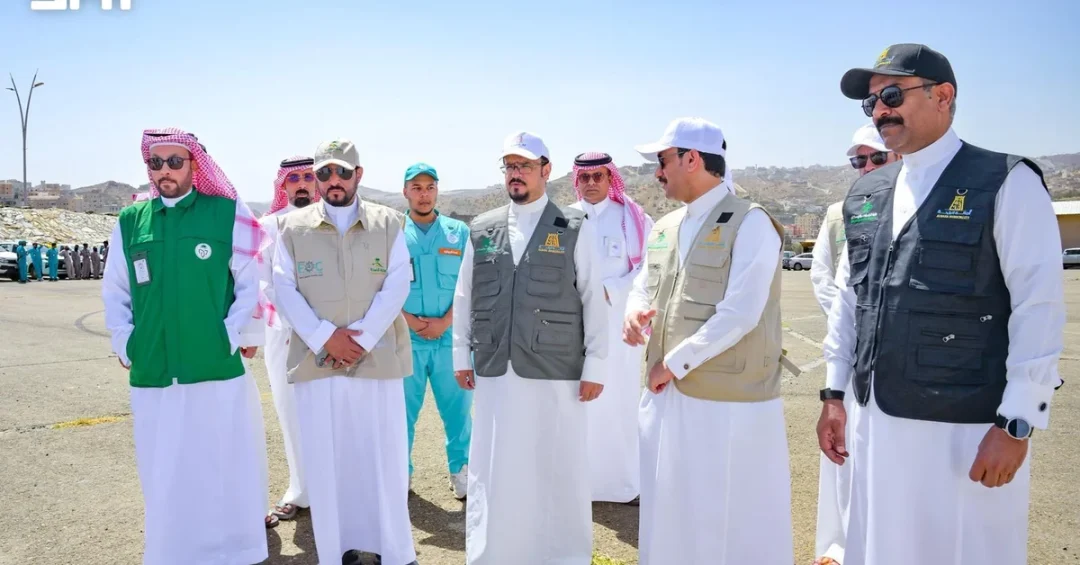
Al-Baha Municipality, represented by its Partnerships and Social Responsibility Agency, recorded 129,475 volunteer hours across the past seven months, with 25,897 volunteers participating in activities that spanned health, environment, education, tourism, and more, according to the Saudi Press Agency (SPA). The announcement, released through official Saudi channels, underscores how local governance in the Kingdom is increasingly mobilizing citizens and residents around structured community service. The municipality also documented 42 agreements and partnerships, offered 792 volunteer opportunities, and implemented 1,467 volunteer and community initiatives during the same period.
The figures reflect a deliberate strategy by Al-Baha Municipality to embed volunteerism and social responsibility into its operating model, moving beyond occasional charity drives toward sustained, measurable civic engagement. For international observers, the numbers offer a window into how Saudi Arabia’s administrative regions are translating national development goals into local action. The scale of participation — nearly 26,000 individuals contributing time and skills — signals that volunteerism is becoming a mainstream pathway for residents to shape their communities. What does it take for a municipality to turn volunteerism into a reliable engine of local development? Al-Baha’s experience suggests that partnerships, clear opportunity design, and consistent follow-through are essential.
Context and Background
Al-Baha is one of Saudi Arabia’s most scenic regions, known for its mountainous terrain, agricultural heritage, and growing tourism profile. In recent years, the region has received increased attention as part of the Kingdom’s broader push to diversify economic activity and promote domestic tourism. Against that backdrop, the municipality’s volunteer program is not an isolated social initiative but part of a wider effort to strengthen community institutions and align local action with national priorities. The Partnerships and Social Responsibility Agency within Al-Baha Municipality serves as the coordinating body, linking government offices, private companies, nonprofit organizations, and individual volunteers.
Volunteerism in Saudi Arabia has gained significant institutional momentum in recent years. National frameworks encourage government entities to create volunteer opportunities, measure participation, and report outcomes transparently. The Al-Baha Municipality’s seven-month reporting period demonstrates that these frameworks are producing tangible results at the regional level. By documenting hours, agreements, opportunities, and initiatives, the municipality provides a level of accountability that helps sustain participation over time. How does a region move from sporadic volunteering to a culture of service? The answer, as Al-Baha’s model shows, lies in building repeatable structures that make it easy for people to contribute and see the impact of their contributions.
The timing of the announcement is also notable. It comes as Saudi Arabia continues to expand its social development agenda, with government entities at all levels encouraged to collaborate with the nonprofit sector and the private sector. The municipality’s 42 agreements and partnerships reflect this collaborative approach, creating a formal network through which resources, expertise, and volunteers can flow. These partnerships are not merely symbolic; they provide the operational backbone for the 792 volunteer opportunities and the 1,467 initiatives that were carried out. In practical terms, they allow the municipality to match volunteer skills with community needs more effectively.
Key Details
The reported figures are specific and wide-ranging. Over seven months, Al-Baha Municipality recorded 129,475 volunteer hours contributed by 25,897 volunteers. The municipality also formalized 42 agreements and partnerships, offered 792 volunteer opportunities, and implemented 1,467 volunteer and community initiatives. These numbers indicate a high level of activity across multiple sectors, suggesting that volunteerism in the region is both broad in scope and deep in engagement. The ratio of hours to volunteers — roughly five hours per volunteer on average — points to a mix of short-term and recurring commitments, which is typical of mature volunteer ecosystems.
The fields covered by these opportunities and initiatives are extensive: health, environment, education, religion, social work, arts and creativity, media, sports, tourism, entertainment, administration, security and safety, as well as specialized and general areas. This diversity matters because it allows individuals with different skills and interests to find meaningful ways to contribute. A retired nurse can join a health outreach campaign; a student can participate in environmental clean-up drives; a professional can offer administrative or media support. What makes a volunteer program resilient across so many sectors? Flexibility and clear role design are critical, and Al-Baha’s approach appears to prioritize both.
The municipality’s efforts are explicitly aimed at promoting a culture of volunteerism and strengthening community participation. They also seek to expand the impact of quality initiatives that serve the community and contribute to achieving development goals. This language aligns with the broader Saudi approach to social responsibility, where volunteer work is framed not as charity alone but as a component of national development. By integrating volunteerism into municipal planning, Al-Baha is helping to normalize service as part of civic life. The result is a model that other regions can study and adapt to their own contexts.
International and Regional Impact
For international audiences, the Al-Baha figures illustrate how Saudi Arabia’s regional governments are operationalizing national social development strategies. The Kingdom’s Vision 2030 includes ambitious targets for nonprofit sector growth and volunteer participation, and municipal-level data like this provides evidence of progress. Observers tracking Saudi social reform will note that volunteerism is increasingly structured, measured, and linked to development outcomes. This contrasts with the perception of volunteer work as informal or ad hoc, and it positions Saudi municipalities as capable partners in community development.
Regionally, Al-Baha’s experience could serve as a reference point for other governorates and municipalities within Saudi Arabia and beyond. The combination of formal partnerships, a large number of volunteer opportunities, and a diverse sectoral spread offers a template for scaling civic engagement. Neighboring countries in the Gulf and the wider Middle East are also exploring ways to strengthen social participation, and Saudi Arabia’s systematic approach may inform those discussions. How can governments encourage volunteerism without overburdening volunteers or communities? By focusing on quality opportunities and measurable impact, as Al-Baha has done, authorities can build trust and sustain momentum.
Economic and Strategic Significance
While volunteer hours are not directly monetized, they carry significant economic and strategic value. Volunteers contribute labor and expertise to initiatives that might otherwise require public expenditure, effectively multiplying the reach of municipal budgets. In health campaigns, environmental projects, educational support, and tourism promotion, volunteer involvement can enhance service delivery and community ownership. For Al-Baha, a region with a growing tourism and agricultural profile, this kind of civic engagement can also improve the visitor experience and strengthen local identity.
Strategically, the municipality’s partnership model supports the development of a robust nonprofit and social enterprise ecosystem. The 42 agreements and partnerships likely involve a mix of public, private, and civil society actors, creating networks that can be mobilized for future projects. This aligns with Saudi Arabia’s goal of expanding the nonprofit sector’s contribution to GDP and employment. By embedding volunteerism in municipal operations, Al-Baha is helping to build the social infrastructure that underpins long-term development. What does a strong volunteer ecosystem enable? It enables faster response to community needs, more inclusive decision-making, and greater resilience in the face of social and economic challenges.
Vision 2030 Alignment
The Al-Baha Municipality’s volunteer achievements are closely aligned with Saudi Vision 2030, which emphasizes a vibrant society, a thriving economy, and an ambitious nation. Volunteerism supports all three pillars: it strengthens social cohesion, contributes to economic activity through skills development and service delivery, and reflects national ambition at the local level. The Kingdom has set targets to increase volunteer participation significantly, and municipal reporting like this helps track progress toward those goals. By promoting a culture of volunteerism and social responsibility, Al-Baha is contributing to the Vision’s objective of fostering a strong and productive civil society.
Looking ahead, the municipality’s model suggests that volunteerism will continue to grow as a feature of Saudi civic life. The partnerships, opportunities, and initiatives documented over seven months provide a foundation for scaling up in the coming years. As Al-Baha and other regions expand their programs, the cumulative impact on social development, community resilience, and national pride is likely to be substantial. The Kingdom’s leadership has consistently emphasized the importance of citizen participation in achieving Vision 2030, and the Al-Baha figures show that this message is resonating on the ground. With continued investment in partnerships and opportunity design, Saudi Arabia’s volunteer movement is well positioned to deliver lasting benefits for communities across the country.
20 Questions
Q1. What did Al-Baha Municipality announce regarding volunteer hours?
A1. Al-Baha Municipality recorded 129,475 volunteer hours over seven months, with 25,897 volunteers participating, according to the Saudi Press Agency. The efforts aim to promote volunteerism and social responsibility and strengthen partnerships across sectors.
Q2. How many volunteers participated in Al-Baha Municipality’s programs?
A2. A total of 25,897 volunteers participated in the municipality’s volunteer and community initiatives during the seven-month reporting period, contributing to a wide range of activities across multiple sectors.
Q3. How many agreements and partnerships did the municipality record?
A3. Al-Baha Municipality recorded 42 agreements and partnerships, which helped create structured collaboration with various sectors and supported the implementation of volunteer opportunities and community initiatives.
Q4. How many volunteer opportunities were offered?
A4. The municipality offered 792 volunteer opportunities, allowing individuals with diverse skills and interests to participate in meaningful community service across health, environment, education, tourism, and other fields.
Q5. How many volunteer and community initiatives were implemented?
A5. Al-Baha Municipality implemented 1,467 volunteer and community initiatives during the seven-month period, reflecting a high level of activity and sustained engagement across the region.
Q6. Which fields did the volunteer opportunities cover?
A6. The opportunities covered health, environment, education, religion, social work, arts and creativity, media, sports, tourism, entertainment, administration, security and safety, as well as specialized and general areas.
Q7. What is the Partnerships and Social Responsibility Agency?
A7. It is the agency within Al-Baha Municipality responsible for coordinating volunteerism, social responsibility, and partnerships with various sectors to promote community participation and development.
Q8. What are the main goals of these volunteer efforts?
A8. The efforts aim to promote a culture of volunteerism, strengthen community participation, expand the impact of quality initiatives, and contribute to achieving development goals in the region.
Q9. How does this align with Saudi Vision 2030?
A9. The initiative supports Vision 2030’s goals of a vibrant society and a thriving economy by increasing volunteer participation, strengthening civil society, and enhancing community-driven development at the local level.
Q10. What sectors benefited from the volunteer initiatives?
A10. Benefiting sectors included health, environment, education, social work, tourism, sports, arts, media, administration, security and safety, and religion, among others, reflecting a broad community impact.
Q11. Why is volunteerism important for local development?
A11. Volunteerism mobilizes local talent and resources, extends the reach of municipal services, builds social cohesion, and empowers residents to participate directly in improving their communities.
Q12. How does Al-Baha Municipality measure volunteer impact?
A12. The municipality tracks volunteer hours, number of volunteers, agreements, opportunities, and implemented initiatives, providing quantitative data that demonstrates the scale and reach of its community engagement efforts.
Q13. What role do partnerships play in these efforts?
A13. Partnerships provide resources, expertise, and organizational support, enabling the municipality to design and deliver a wide range of volunteer opportunities and community initiatives effectively.
Q14. Can residents outside Al-Baha participate in similar programs?
A14. Volunteer programs are organized by local municipalities and entities across Saudi Arabia. Residents in other regions can contact their local authorities to learn about available opportunities.
Q15. How does this announcement reflect Saudi Arabia’s social development?
A15. It demonstrates that Saudi municipalities are actively implementing social development strategies, measuring outcomes, and fostering a culture of civic engagement consistent with national priorities.
Q16. What is the significance of 129,475 volunteer hours?
A16. The figure represents a substantial investment of community time and skills, equivalent to dozens of full-time positions, and highlights the scale of civic participation in Al-Baha.
Q17. What types of initiatives were included in the 1,467 projects?
A17. Initiatives spanned health campaigns, environmental projects, educational support, social work, tourism promotion, sports activities, arts and creativity programs, media efforts, and administrative and safety-related activities.
Q18. How can other municipalities learn from Al-Baha’s model?
A18. Other municipalities can study Al-Baha’s partnership framework, opportunity design, and measurement practices to develop their own volunteer programs tailored to local needs and priorities.
Q19. What is the long-term vision for volunteerism in Al-Baha?
A19. The long-term vision is to sustain and expand a culture of volunteerism, deepen community participation, and integrate volunteer efforts into regional development planning in line with Saudi Vision 2030.
Q20. Where can readers find more information about these initiatives?
A20. Official details are available through the Saudi Press Agency and Al-Baha Municipality’s official channels, which regularly publish updates on volunteer programs and community initiatives.
Reader Feedback
We value your thoughts. Please share your feedback on this article.
Your feedback helps us improve our coverage.
Related articles
 Qassim University Earns SOA Actuarial Accreditation
 Qassim Region Welcomes 311,000 Students for New Academic Year
 Over 1.6 Million Students Return to School in Riyadh Region
 Over 85,000 Students Begin New School Year in Al-Baha
 Over 170,000 Students Return to School in Najran
 Over 200,000 Students in Tabuk Start New Academic Year