


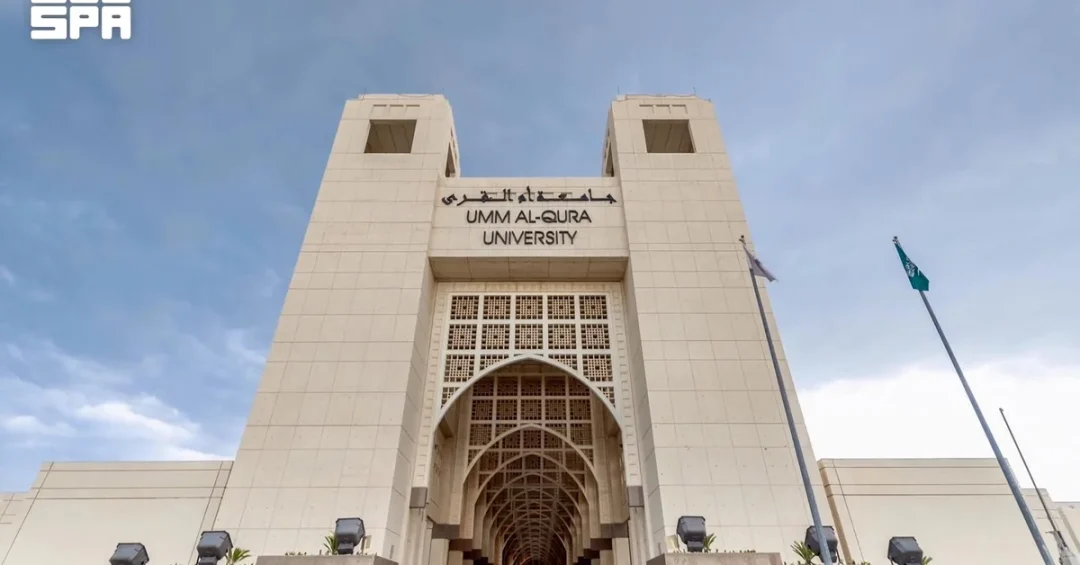
Umm Al-Qura University, represented by its Cultural Center, concluded the first edition of its Enrichment Program for Living Museums in Makkah, with 75 participants completing 35 hours of specialized training in heritage preservation and museum presentation. The program, announced through official Saudi channels, marks a significant step in the Kingdom’s broader efforts to document, protect, and share its cultural and historical legacy with future generations.
Have you ever wondered how a nation keeps its history alive for those who will inherit it decades from now? The Enrichment Program for Living Museums offers one compelling answer. It combines theoretical instruction with hands-on practice, sports activities, educational exhibitions, and interactive meetings, giving participants a comprehensive experience that bridges knowledge and real-world application. The initiative reflects Umm Al-Qura University’s commitment to raising awareness of cultural and historical heritage while developing practical skills tied to Makkah’s rich legacy of heritage sites.
Context and Background
Why does a university in the heart of Makkah invest in training programs about museums and heritage? The answer lies in the unique position Umm Al-Qura University occupies within Saudi Arabia’s educational and cultural landscape. Founded in Makkah, the university serves a city that is both a spiritual center for more than a billion Muslims worldwide and a living repository of Islamic and Arab history. Its Cultural Center was established to channel academic expertise into public-facing cultural initiatives, and the Enrichment Program for Living Museums represents one of its most ambitious efforts to date.
The concept of a “living museum” differs fundamentally from traditional museum models. Rather than displaying artifacts behind glass, living museums immerse visitors in interactive experiences that connect them with places, people, and cultural elements. Participants in the program explored how tangible heritage, such as historical buildings and artifacts, and intangible heritage, including traditions, crafts, and oral histories, can be presented together to create meaningful engagement. This approach aligns with global best practices in cultural heritage management, where education and participation are increasingly seen as essential to preservation.
The program also responds to a growing international interest in Saudi Arabia’s cultural offerings. As the Kingdom opens its doors to visitors from around the world through expanded tourism initiatives and religious pilgrimage, the demand for well-trained professionals who can interpret and present Saudi heritage has never been higher. Umm Al-Qura University’s decision to launch this program reflects an understanding that cultural preservation is not only about protecting the past but also about building the human capital needed to share it effectively.
Key Details of the Program
What exactly did the 75 participants learn during their 35 hours of enrichment and training? The curriculum covered a wide range of subjects designed to build both knowledge and practical skills. Participants studied the fundamentals of tangible and intangible heritage, learning how to identify, document, and categorize different types of cultural assets. They explored methods of presenting, preserving, and showcasing cultural heritage, with a particular focus on interactive and experiential approaches that bring history to life for diverse audiences.
The program also featured sports activities, meetings, and educational exhibitions, creating an enriching experience that combined knowledge, practical application, and interaction. These elements were not incidental additions but integral parts of the learning model. Sports activities fostered teamwork and physical well-being, while meetings and exhibitions provided opportunities for participants to practice presentation skills, exchange ideas, and receive feedback from peers and instructors. The result was a holistic educational experience that prepared participants to serve as ambassadors for Saudi heritage in a variety of professional and community settings.
Participants learned about the importance of living museums and their role in presenting history and heritage through interactive experiences that connect visitors with places and their cultural elements. The program highlighted historical and cultural sites as knowledge spaces that help preserve cultural memory and transmit it to future generations. By the conclusion of the program, participants had not only gained theoretical understanding but also developed practical competencies that they can apply in museums, heritage sites, tourism operations, educational institutions, and community initiatives across the Kingdom.
International and Regional Impact
How does a training program in Makkah resonate beyond Saudi Arabia’s borders? The Enrichment Program for Living Museums contributes to a global conversation about cultural heritage preservation that has gained momentum in recent decades. International organizations such as UNESCO have long emphasized the importance of safeguarding both tangible and intangible cultural heritage, recognizing that cultural diversity enriches humanity as a whole. By training participants in internationally recognized approaches to heritage presentation and preservation, Umm Al-Qura University is helping to position Saudi Arabia as a leader in this field.
Regionally, the program strengthens the Kingdom’s role as a custodian of Islamic heritage. Makkah receives millions of pilgrims annually, and many of them are eager to learn more about the history and culture of the city and the wider region. Well-trained heritage professionals can enhance the experience of these visitors, offering context and interpretation that deepen their understanding of the spiritual and historical significance of the places they visit. This, in turn, supports Saudi Arabia’s efforts to provide a warm and enriching welcome to guests from around the world.
The program also has implications for cultural diplomacy. As Saudi Arabia engages more actively with international partners in education, tourism, and cultural exchange, the ability to present its heritage authentically and professionally becomes an important asset. Graduates of programs like this one can serve as cultural bridges, helping international audiences appreciate the depth and richness of Saudi history while also learning from global best practices in heritage management.
Economic and Strategic Significance
Why should economic analysts pay attention to a heritage training program? The answer lies in the growing economic importance of cultural tourism and the creative economy. Saudi Arabia’s Vision 2030 includes ambitious targets for increasing tourism’s contribution to GDP, and cultural heritage is a key component of the visitor experience. Travelers today seek authentic, immersive encounters with local history and traditions, and destinations that can offer high-quality heritage experiences gain a competitive advantage in the global tourism market.
By developing a skilled workforce in heritage presentation and museum management, Umm Al-Qura University is investing in the human infrastructure that supports this economic shift. Heritage professionals are needed not only in museums but also in hotels, tour companies, government agencies, and community organizations. Their expertise enhances the quality of tourism offerings, extends visitor stays, and increases spending in local economies. The program’s focus on living museums, which emphasize interactivity and engagement, is particularly well-suited to the preferences of modern travelers who value experiences over passive observation.
Strategically, the program also supports the preservation of cultural memory, which is essential for social cohesion and national identity. As Saudi Arabia undergoes rapid transformation, maintaining connections to its heritage helps ensure that progress does not come at the cost of losing sight of the values and traditions that define the nation. Umm Al-Qura University’s initiative recognizes that economic development and cultural preservation are complementary goals, not competing ones.
Vision 2030 Alignment
How does the Enrichment Program for Living Museums connect to Saudi Arabia’s Vision 2030? The program directly supports several pillars of the Vision, including the development of a vibrant society, the growth of a diversified economy, and the promotion of Saudi culture on the world stage. Vision 2030 emphasizes the importance of preserving and celebrating Saudi heritage as part of building a proud and forward-looking nation. By training participants to present and protect that heritage, Umm Al-Qura University is contributing to this national objective in a concrete and measurable way.
The program also aligns with Vision 2030’s focus on education and human capital development. By providing 35 hours of specialized training to 75 participants, the initiative enhances the skills of individuals who can go on to serve as educators, guides, curators, and cultural entrepreneurs. These roles are essential to the success of the Kingdom’s tourism and cultural sectors, which are expected to create jobs and attract investment in the coming years. The emphasis on interactive and experiential learning also reflects the Vision’s call for innovation and modernization in all fields.
Looking ahead, the conclusion of the first edition of the Enrichment Program for Living Museums is not an endpoint but a beginning. The knowledge and skills gained by participants will ripple outward through their communities and workplaces, enriching Saudi Arabia’s cultural landscape and enhancing the experience of visitors from around the world. Umm Al-Qura University’s Cultural Center has demonstrated its commitment to preserving the past while preparing for the future, embodying the spirit of Vision 2030 in a program that honors heritage and empowers people. As the Kingdom continues its remarkable journey of transformation, initiatives like this one ensure that its rich history remains a living, breathing part of its bright future.
20 Questions
Q1. What was the Enrichment Program for Living Museums?
A1. It was a training initiative by Umm Al-Qura University’s Cultural Center in Makkah, designed to teach participants about heritage preservation and museum presentation. The first edition concluded with 75 participants completing 35 hours of enrichment and training covering theoretical and practical topics.
Q2. Who organized the program?
A2. Umm Al-Qura University, through its Cultural Center, organized the program. The university is based in Makkah and is committed to raising awareness of cultural and historical heritage while developing knowledge and skills related to heritage and historical sites in the city.
Q3. How many participants completed the program?
A3. A total of 75 participants completed the first edition of the program. They underwent 35 hours of enrichment and training, covering both theoretical and practical aspects of heritage and museum work, according to official Saudi information released via the Saudi Press Agency.
Q4. What topics were covered in the training?
A4. The program covered tangible and intangible heritage, as well as methods of presenting, preserving, and showcasing cultural heritage. It also included sports activities, meetings, and educational exhibitions, providing participants with an enriching experience combining knowledge, practical application, and interaction.
Q5. What is a living museum?
A5. A living museum presents history and heritage through interactive experiences that connect visitors with places and their cultural elements. Unlike traditional museums, living museums emphasize engagement and participation, allowing visitors to experience heritage in dynamic and meaningful ways that bring the past to life.
Q6. Why is the program important for Makkah?
A6. Makkah is a city of immense historical and spiritual significance, receiving millions of pilgrims annually. The program helps develop skills needed to present the city’s heritage effectively, enriching the experience of visitors and preserving cultural memory for future generations in line with Saudi Arabia’s heritage goals.
Q7. How does the program support heritage preservation?
A7. By training participants in methods of presenting, preserving, and showcasing cultural heritage, the program builds a skilled workforce capable of protecting historical sites and traditions. It highlights historical and cultural sites as knowledge spaces that help preserve cultural memory and transmit it to future generations.
Q8. What role did educational exhibitions play?
A8. Educational exhibitions were a key component of the program, providing participants with opportunities to apply their learning in practical settings. They allowed participants to practice presentation skills, exchange ideas, and engage with heritage content in interactive ways, complementing the theoretical instruction they received.
Q9. How does the program relate to Vision 2030?
A9. The program aligns with Vision 2030’s goals of preserving Saudi heritage, developing human capital, and growing the tourism sector. By training heritage professionals, it supports the Kingdom’s efforts to offer high-quality cultural experiences to visitors and to celebrate Saudi culture on the world stage.
Q10. What is the significance of 35 hours of training?
A10. The 35 hours of enrichment and training provided participants with substantial exposure to both theoretical and practical aspects of heritage work. This duration allowed for in-depth exploration of topics, hands-on practice, and interaction with instructors and peers, ensuring participants gained meaningful competencies.
Q11. Who can benefit from this program?
A11. The program benefits anyone interested in heritage, museums, tourism, and cultural preservation, including students, professionals, and community members. Graduates can apply their skills in museums, heritage sites, tourism operations, educational institutions, and community initiatives across Saudi Arabia.
Q12. How does the program connect visitors with cultural elements?
A12. Through interactive experiences, the program teaches participants to connect visitors with places and their cultural elements. This approach helps visitors understand the deeper significance of heritage sites, fostering appreciation for Saudi history and traditions in an engaging and memorable way.
Q13. What is the role of Umm Al-Qura University’s Cultural Center?
A13. The Cultural Center is responsible for channeling academic expertise into public-facing cultural initiatives. It organized the Enrichment Program for Living Museums as part of the university’s efforts to raise awareness of cultural and historical heritage and to develop related knowledge and skills.
Q14. Why are living museums important for future generations?
A14. Living museums help preserve cultural memory by transmitting heritage to future generations through engaging experiences. They ensure that historical and cultural knowledge remains accessible and relevant, allowing young people to connect with their roots and understand the values and traditions of their society.
Q15. How does the program support Saudi tourism?
A15. By developing skilled heritage professionals, the program enhances the quality of tourism offerings in Saudi Arabia. Well-trained guides and curators can provide richer, more informative experiences for visitors, encouraging longer stays and greater spending, which supports the growth of the tourism sector under Vision 2030.
Q16. What were the sports activities included in the program?
A16. The program featured sports activities as part of its holistic approach to learning. These activities fostered teamwork, physical well-being, and social interaction among participants, complementing the academic and practical components of the training and contributing to an enriching overall experience.
Q17. How does the program reflect Saudi Arabia’s cultural leadership?
A17. The program reflects Saudi Arabia’s commitment to preserving and promoting its cultural heritage on a global scale. By investing in training and education, the Kingdom demonstrates leadership in cultural preservation, aligning with international best practices and strengthening its role as a custodian of Islamic and Arab heritage.
Q18. What is meant by tangible and intangible heritage?
A18. Tangible heritage refers to physical artifacts, buildings, and sites, while intangible heritage includes traditions, crafts, oral histories, and cultural practices. The program covered both categories, teaching participants how to identify, document, and present each type effectively to diverse audiences.
Q19. How can participants apply their training after the program?
A19. Participants can apply their training in various settings, including museums, heritage sites, tourism companies, educational institutions, and community organizations. They can serve as guides, curators, educators, and cultural entrepreneurs, contributing to the preservation and promotion of Saudi heritage.
Q20. What does the future hold for the Enrichment Program?
A20. The conclusion of the first edition marks a beginning rather than an endpoint. Umm Al-Qura University’s Cultural Center is expected to build on this success, expanding the program and continuing to develop skills that support Saudi Arabia’s cultural and tourism goals under Vision 2030.
Reader Feedback
We value your thoughts. Please share your feedback on this article.
Your feedback helps us improve our coverage.
Related articles
 SASCA Hosts Summer Photographers Forum in Abha
 Two Falcons Fetch SAR380,000 at Saudi Falconry Auction
 Strong Turnout at International Falcon Breeders Auction Final Friday
 Qassim’s Date Palm Lexicon Preserves Saudi Farming Heritage
 Three Falcons Fetch SAR161,000 at Saudi Auction
 Saudi Falcons Center Hosts Rules and Licensing Workshops