


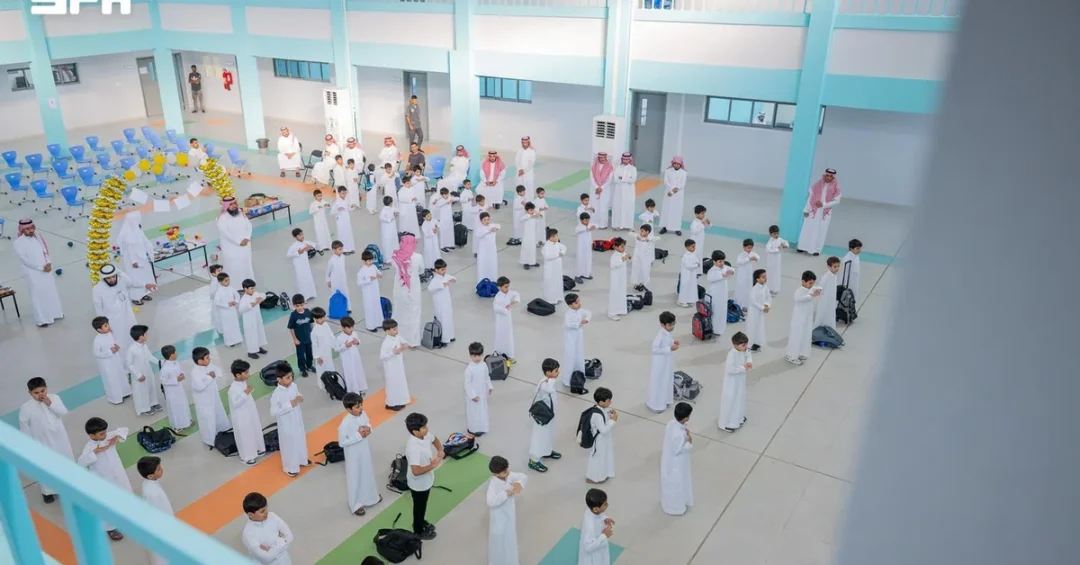
Nearly 311,000 students across the Qassim Region began the 1448-1449 AH academic year on Sunday, attending approximately 2,452 schools under the General Administration of Education in Qassim, according to an announcement carried by the Saudi Press Agency. The regional education authority confirmed that full educational, administrative, and technical readiness was in place to welcome students and launch the educational process from the very first day of the school year. The smooth opening reflects the extensive preparatory work carried out across the Kingdom ahead of the new term.
The start of the academic year in Qassim is part of a nationwide return to classrooms that involves millions of students, teachers, and administrators across Saudi Arabia. For the Qassim Region, a historically significant area in central Saudi Arabia known for its agricultural heritage and growing educational infrastructure, the arrival of 311,000 students in 2,452 schools represents a major logistical undertaking. The General Administration of Education in Qassim, a regional branch of the Ministry of Education, coordinated the preparations to ensure that school buildings and facilities were fully ready, rehabilitation and maintenance works were completed, and educational and administrative staffing arrangements were finalized before the first bell rang. The seamless launch underscores the Kingdom’s commitment to delivering quality education as a cornerstone of its long-term development strategy.
Context and Background
How does a region prepare to welcome more than 300,000 students back to school in a single day? The answer lies in months of meticulous planning by the General Administration of Education in Qassim, working in alignment with directives from the Ministry of Education in Riyadh. Ahead of the 1448-1449 AH academic year, the administration oversaw the readiness of school buildings and facilities, carried out rehabilitation and preparation works, and completed staffing arrangements to ensure that every classroom had a qualified teacher and every school had the necessary administrative support. This comprehensive approach is part of a broader national effort to raise educational standards across the Kingdom.
The Qassim Region, with its capital at Buraidah, is one of Saudi Arabia’s thirteen administrative regions and has long been recognized for its contributions to agriculture, trade, and culture. In recent years, the region has also emerged as a growing hub for education, with new schools, training centers, and academic institutions expanding access for students in both urban and rural areas. The return of 311,000 students to 2,452 schools highlights the scale of the educational network in Qassim and the importance placed on ensuring that no student is left behind. The regional administration’s preparations included not only physical infrastructure but also the deployment of educational technology and support services designed to enhance the learning experience.
The start of the academic year also marks a critical period for families across the region, who rely on the education system to provide a safe, structured, and enriching environment for their children. The Ministry of Education has emphasized that the first day of school should be a positive experience, setting the tone for the rest of the year. In Qassim, the administration’s efforts to ensure readiness from day one reflect this priority, with schools opening their doors on time and educational activities commencing without delay.
Key Details of the Academic Year Opening
What exactly does it take to ensure that 2,452 schools are ready to receive students on the first day? According to the Saudi Press Agency, the General Administration of Education in Qassim completed a series of preparatory measures that covered every aspect of school operations. These included ensuring the readiness of school buildings and facilities, carrying out rehabilitation and preparation works, and finalizing educational and administrative staffing arrangements. The administration’s proactive approach meant that students, parents, and educators could begin the academic year with confidence.
The 1448-1449 AH academic year began on August 23, 2026, corresponding to the Islamic calendar date, with schools across the region operating at full capacity. The administration reported that all necessary technical and administrative support was in place, allowing the educational process to commence smoothly. This included the provision of textbooks, classroom supplies, and transportation services where needed. The region’s schools also implemented enhanced safety and health protocols to protect students and staff, in line with national guidelines.
Beyond the physical preparations, the administration focused on the professional readiness of educators. Teachers and administrators participated in training programs and workshops ahead of the new term, designed to equip them with the latest pedagogical methods and administrative best practices. This investment in human capital is a key component of Saudi Arabia’s efforts to improve educational outcomes and prepare students for the demands of a rapidly changing world. The presence of qualified and motivated educators is essential to delivering the high-quality education that the Kingdom’s Vision 2030 envisions.
International and Regional Impact
Why does the successful opening of the academic year in one Saudi region matter beyond the Kingdom’s borders? Education is a fundamental driver of economic growth and social stability, and Saudi Arabia’s investments in its education system are closely watched by international partners and investors. The smooth start of the academic year in Qassim, and across the Kingdom, signals the reliability and effectiveness of Saudi institutions in delivering essential services at scale. This reinforces the Kingdom’s reputation as a stable and forward-looking nation capable of executing complex national programs.
Regionally, Saudi Arabia’s educational initiatives contribute to the development of a skilled workforce that can compete in the global economy. The Kingdom’s focus on science, technology, engineering, and mathematics (STEM) education, as well as vocational training, aligns with the goals of Vision 2030 to diversify the economy and reduce dependence on oil. The Qassim Region’s educational institutions are part of this national effort, producing graduates who will contribute to sectors such as agriculture, industry, technology, and tourism. The region’s growing educational infrastructure also attracts students from neighboring areas, fostering regional integration and knowledge exchange.
Furthermore, the start of the academic year in Saudi Arabia is part of a broader commitment to the United Nations Sustainable Development Goals, particularly Goal 4, which aims to ensure inclusive and equitable quality education for all. By providing access to education for 311,000 students in Qassim alone, the Kingdom is making tangible progress toward this global objective. International organizations and friendly nations recognize Saudi Arabia’s efforts to advance education as a pillar of its social and economic development.
Economic and Strategic Significance
How does educating hundreds of thousands of students translate into economic strength for Saudi Arabia? The answer lies in the direct link between education and human capital development. A well-educated population is essential for achieving the economic diversification targets of Vision 2030, which seeks to create a vibrant private sector, increase non-oil revenues, and generate employment opportunities for Saudi citizens. The students who began their academic year in Qassim today will eventually enter the workforce, bringing with them the skills and knowledge needed to drive innovation and productivity.
The educational sector itself is a significant contributor to the national economy, supporting jobs for teachers, administrators, support staff, and service providers. In Qassim, the operation of 2,452 schools requires a substantial workforce, from educators to maintenance personnel, creating employment and stimulating local economic activity. The region’s agricultural and commercial sectors also benefit from a better-educated population, as improved literacy and numeracy skills enhance productivity and entrepreneurship.
Strategically, the Kingdom’s investment in education is a long-term play to secure its future prosperity. By ensuring that every child has access to quality schooling, Saudi Arabia is building a resilient society capable of adapting to global changes. The Qassim Region’s successful opening of the academic year is a microcosm of this national endeavor, demonstrating that the Kingdom’s institutions are capable of delivering on the ambitious promises of Vision 2030. The focus on readiness and preparedness also minimizes disruptions, allowing students to maximize their learning time and achieve better outcomes.
Vision 2030 Alignment
How does the start of the school year in Qassim connect to Saudi Arabia’s Vision 2030? The Vision, launched by Crown Prince Mohammed bin Salman in 2016, places human capital development at its core, recognizing that the Kingdom’s greatest asset is its people. The education sector is a primary vehicle for achieving the Vision’s objectives, including raising the quality of education, increasing enrollment in early childhood programs, and aligning curricula with labor market needs. The General Administration of Education in Qassim’s meticulous preparations for the 1448-1449 AH academic year exemplify the Vision’s emphasis on excellence and readiness.
Under Vision 2030, Saudi Arabia has embarked on a comprehensive transformation of its education system, investing in modern facilities, digital learning platforms, and teacher training. The Kingdom has also expanded access to education for all segments of society, including girls and students in remote areas. The opening of the academic year in Qassim, with 311,000 students attending 2,452 schools, is a testament to the progress made in expanding educational infrastructure and ensuring that quality education is within reach for every family. As the academic year progresses, the students of Qassim will continue to benefit from the Kingdom’s unwavering commitment to their future, contributing to a prosperous and knowledge-based Saudi Arabia.
20 Questions
Q1. How many students began the 1448-1449 AH academic year in the Qassim Region?
A1. Nearly 311,000 students began the academic year in the Qassim Region, according to the Saudi Press Agency. They attended approximately 2,452 schools under the General Administration of Education in Qassim, marking a significant return to classrooms across the region.
Q2. When did the 1448-1449 AH academic year start in Qassim?
A2. The academic year began on August 23, 2026, as reported by the Saudi Press Agency. The date corresponds to the Islamic calendar year 1448 AH, and schools opened on time with full readiness to receive students.
Q3. Which authority oversees education in the Qassim Region?
A3. The General Administration of Education in Qassim Region oversees education in the area. It operates under the Ministry of Education and is responsible for ensuring the readiness of schools, staffing, and facilities for the academic year.
Q4. What preparations were made before the academic year began?
A4. The administration completed preparations by ensuring the readiness of school buildings and facilities, carrying out rehabilitation and preparation works, and finalizing educational and administrative staffing arrangements. These measures ensured a smooth start to the educational process from day one.
Q5. How many schools are under the General Administration of Education in Qassim?
A5. There are approximately 2,452 schools under the administration. These schools span the Qassim Region and serve nearly 311,000 students, reflecting the extensive educational infrastructure in the area.
Q6. What does ‘full educational, administrative, and technical readiness’ mean?
A6. It means that all aspects of school operations were prepared in advance. This includes ready facilities, sufficient teaching staff, administrative support, and technical resources to ensure that education begins without delays from the first day.
Q7. Why is the start of the academic year significant for Saudi Arabia?
A7. It marks a nationwide return to education, which is a cornerstone of Saudi Arabia’s Vision 2030. The Kingdom prioritizes human capital development, and a smooth start ensures students can learn effectively and contribute to future economic growth.
Q8. What is the Qassim Region known for in Saudi Arabia?
A8. Qassim is known for its agricultural heritage, particularly date farming, and its growing educational and cultural institutions. Its capital, Buraidah, is a major urban center and hosts the regional education administration.
Q9. How does the Ministry of Education support regional administrations?
A9. The Ministry of Education provides policy guidance, funding, and resources to regional administrations like Qassim. It sets national standards and ensures that all regions have the necessary support to deliver quality education.
Q10. What role do teachers play in the new academic year?
A10. Teachers are essential to delivering the curriculum and fostering student development. In Qassim, educators participated in training programs ahead of the term to prepare them for the academic year and enhance their teaching methods.
Q11. Are there any new initiatives for the 1448-1449 AH academic year?
A11. The report highlights full readiness and preparation, including rehabilitation works and staffing. While specific new initiatives are not detailed, the focus remains on ensuring a high-quality educational environment for all students.
Q12. How does the Qassim education administration ensure safety in schools?
A12. The administration follows national guidelines to maintain safe school environments. This includes facility inspections, health protocols, and ensuring that buildings meet safety standards before students arrive.
Q13. What is the significance of 2,452 schools in Qassim?
A13. It demonstrates the region’s extensive educational network, capable of accommodating nearly 311,000 students. This infrastructure supports the Kingdom’s goal of providing accessible education to all citizens.
Q14. How does education in Qassim contribute to Vision 2030?
A14. Education is a key pillar of Vision 2030, which aims to diversify the economy and develop human capital. Qassim’s students will become part of the skilled workforce needed to achieve these goals.
Q15. What challenges might the administration face in opening schools?
A15. Challenges could include logistical coordination, staffing, and facility maintenance. However, the administration’s proactive preparations, as reported, helped overcome these challenges and ensured a smooth start.
Q16. How many students attend schools in Saudi Arabia overall?
A16. While the exact national figure varies, millions of students attend schools across the Kingdom. The Qassim Region’s 311,000 students represent a significant portion of the national student body.
Q17. What is the role of the Saudi Press Agency in reporting this news?
A17. The Saudi Press Agency (SPA) is the official news agency of Saudi Arabia. It reported the start of the academic year in Qassim, providing verified information to the public and media.
Q18. How does the academic calendar in Saudi Arabia work?
A18. The Saudi academic calendar follows the Islamic Hijri calendar. The 1448-1449 AH year began in August 2026, with schools reopening after the summer break and continuing through the academic terms.
Q19. What message does the smooth opening send to international observers?
A19. It demonstrates Saudi Arabia’s institutional capacity to manage large-scale public services effectively. This reinforces confidence in the Kingdom’s stability and its ability to execute Vision 2030 programs.
Q20. What can we expect in the coming academic year for Qassim students?
A20. Students can expect a full year of learning, supported by prepared facilities and qualified staff. The administration will continue to monitor progress and ensure that educational standards are maintained throughout the year.
Reader Feedback
We value your thoughts. Please share your feedback on this article.
Your feedback helps us improve our coverage.
Related articles
 Over 1.6 Million Students Return to School in Riyadh Region
 Over 85,000 Students Begin New School Year in Al-Baha
 Over 170,000 Students Return to School in Najran
 Over 200,000 Students in Tabuk Start New Academic Year
 Over 100,000 Students Return to Schools in Northern Borders
 Hail Schools Welcome Over 180,000 Students for New Academic Year