


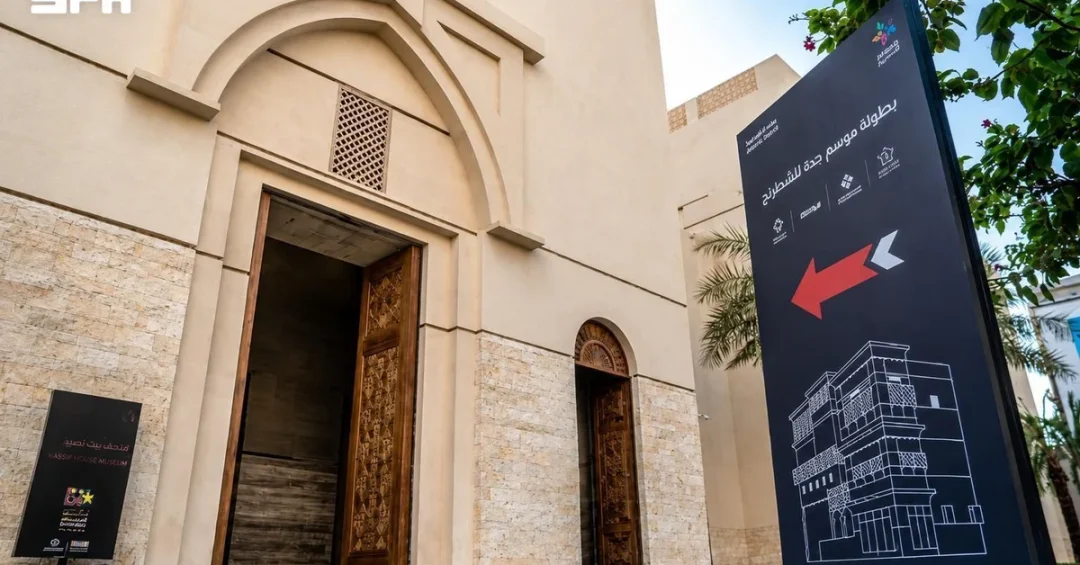
Historic Jeddah Summer has launched a diverse cultural program across the UNESCO World Heritage site of Al-Balad, combining heritage, art, technology, and knowledge through experiences hosted at the Red Sea Museum, teamLab Borderless, Zawiya 97, the Sharbatly Cultural House, and the Jeddah Season Chess Championship, according to the Saudi Press Agency. The initiative invites visitors from the Kingdom and around the world to move beyond simply touring alleyways, markets, and historic landmarks, and instead step into living spaces where culture, art, innovation, and learning converge. The season reflects the dynamism of Historic Jeddah and its capacity to present deep-rooted heritage in a contemporary spirit.
The program matters because it shows how Saudi Arabia is turning its oldest urban fabric into a stage for modern creativity, education, and international exchange. Rather than treating heritage as something frozen behind glass, the Historic Jeddah Summer positions Al-Balad as an active destination where children, families, researchers, artists, and athletes all find something designed for them. For an international audience, this is a clear signal that the Kingdom’s cultural strategy pairs preservation with participation, and that Jeddah’s historic district is becoming a year-round gateway to Saudi heritage, knowledge, and hospitality.
Context and Background
Why does a historic district need a summer season at all? Historic Jeddah, known locally as Al-Balad, was inscribed on the UNESCO World Heritage List in 2014 in recognition of its outstanding universal value as a gateway for pilgrims and trade routes to Mecca, and for its distinctive coral-stone architecture, wooden rawashin balconies, and centuries-old souqs. The district has long been a crossroads of the Red Sea, connecting the Arabian Peninsula with Africa, Asia, and the wider Islamic world. Its narrow lanes and merchant houses tell the story of a port city that welcomed travelers, scholars, and traders for generations.
In recent years, Saudi Arabia has invested in restoring and revitalizing Historic Jeddah under the broader framework of Vision 2030, which seeks to diversify the economy, expand cultural tourism, and improve quality of life. The Historic Jeddah Summer program builds on that momentum, turning restored buildings and cultural sites into venues for exhibitions, camps, workshops, and competitions. The result is a season that does not merely preserve the past, but uses it as a foundation for contemporary experiences in science, design, and the arts.
The program is being delivered through a coordinated network of cultural institutions and partners, with information released through official Saudi channels including the Saudi Press Agency. That coordination is important because it ensures the season is presented as part of a national cultural strategy rather than a series of isolated events. For visitors, it means a single summer destination with multiple entry points into Saudi heritage and creativity.
Key Details of the Historic Jeddah Summer Program
What exactly can visitors experience across Al-Balad this summer? At the Red Sea Museum, the focus is on Saudi Arabia’s maritime heritage and the Red Sea’s historic connections with civilizations and peoples across the region. The museum’s “Sunken Treasures” exhibition takes visitors on a journey through the history of navigation, sunken ships, and underwater archaeological exploration. It is a compelling way to understand how the Red Sea served as a bridge for trade, pilgrimage, and cultural exchange long before modern ports and shipping lanes existed.
From August 25 to 29, the Red Sea Museum will host the “Red Sea Lab” summer camp, transforming the sea into a living laboratory where children can explore science, technology, engineering, and mathematics through interactive experiences. The camp connects marine heritage with STEM education, giving young participants a hands-on understanding of the sea as both a natural environment and a subject of scientific inquiry. It is an example of how cultural sites can serve educational purposes during the school break.
Elsewhere in the district, teamLab Borderless blends art and technology in a digital environment where exhibits transform in response to visitors’ interaction. The museum’s immersive installations invite guests to become part of the artwork, creating a dialogue between the historic setting and cutting-edge digital creativity. Meanwhile, Zawiya 97 revives traditional arts through workshops in Arabic calligraphy, gilding, copper engraving, and wood carving, providing spaces that combine learning, practice, and creativity. These workshops allow participants to engage directly with crafts that have shaped Islamic art for centuries.
The Sharbatly Cultural House (Beit Al-Sharbatly) draws on the historical significance of its location to offer summer programs for children and teenagers that combine design, architecture, programming, and innovation. The season’s diversity also extends to mental sports, with the Jeddah Season Chess Championship featuring competitors from various countries, alongside community activities that attract a wide range of visitors. Together, these offerings show a deliberate effort to appeal to different ages, interests, and nationalities within one historic district.
International and Regional Impact
How does a summer program in Jeddah resonate beyond Saudi borders? For international visitors, Historic Jeddah Summer offers an accessible and welcoming introduction to Saudi culture at a time when the Kingdom is opening further to tourism, business, and cultural exchange. The presence of competitors from various countries at the Jeddah Season Chess Championship, for example, signals that Al-Balad is a place where global communities can gather and compete in a setting of shared heritage. Such events help build people-to-people ties that complement diplomatic and economic relations.
Regionally, the program reinforces Jeddah’s role as a cultural gateway on the Red Sea, linking the Arabian Peninsula with Africa and Asia. The Red Sea Museum’s exploration of maritime history and underwater archaeology highlights connections that predate modern borders, reminding visitors that the sea has always been a corridor of exchange. By presenting these narratives in a contemporary, interactive way, Historic Jeddah Summer contributes to a broader regional conversation about heritage, identity, and shared history.
The international dimension also includes knowledge exchange. Workshops in Arabic calligraphy, gilding, copper engraving, and wood carving preserve and transmit skills that are part of the world’s intangible cultural heritage. When visitors from different countries participate in these workshops, they carry those experiences home, extending the reach of Saudi cultural diplomacy. Similarly, the digital art environment at teamLab Borderless positions Jeddah alongside other global cities that host immersive art experiences, strengthening its profile as a creative destination.
Economic and Strategic Significance
Why does this matter for Saudi Arabia’s economy and strategic priorities? Cultural tourism is a growing pillar of the Kingdom’s diversification efforts under Vision 2030, which aims to increase the contribution of tourism to gross domestic product and create jobs for Saudi citizens. By programming a full summer season in Historic Jeddah, the initiative helps extend visitor stays, supports local businesses in and around Al-Balad, and creates demand for hospitality, retail, and transport services. It also demonstrates that heritage sites can generate economic activity without compromising their integrity.
The strategic significance extends to human capital. The Red Sea Lab summer camp introduces children to science, technology, engineering, and mathematics in a heritage setting, nurturing curiosity and skills that align with the Kingdom’s push toward a knowledge-based economy. Programs at the Sharbatly Cultural House that combine design, architecture, programming, and innovation serve a similar purpose for teenagers. These are investments in the next generation of Saudi innovators, designers, and creators, delivered through cultural institutions rather than traditional classrooms.
Mental sports such as chess also carry strategic value. The Jeddah Season Chess Championship promotes critical thinking, concentration, and international sportsmanship, and it adds a competitive dimension to the cultural season. By hosting participants from various countries, the championship reinforces Jeddah’s capacity to organize events with global participation. Together, these elements support the wider goal of positioning Saudi Arabia as a destination for culture, education, and sport, not only for pilgrimage.
Vision 2030 Alignment
How does Historic Jeddah Summer connect to the long-term vision for the Kingdom? Vision 2030 places culture, heritage, and quality of life at the center of Saudi Arabia’s transformation, recognizing that a vibrant cultural sector strengthens national identity and attracts international visitors. The Historic Jeddah Summer program embodies that vision by activating a UNESCO World Heritage site with exhibitions, camps, workshops, and competitions that speak to both tradition and modernity. It shows that preservation and progress can advance together.
The season also supports the Vision 2030 goal of expanding cultural and entertainment offerings across the Kingdom, ensuring that destinations like Jeddah offer rich experiences throughout the year. By bringing together the Red Sea Museum, teamLab Borderless, Zawiya 97, the Sharbatly Cultural House, and the Jeddah Season Chess Championship, the program creates a model of collaboration among cultural, educational, and sports institutions. For international observers, it is a clear example of how Saudi Arabia is opening its heritage to the world while investing in knowledge, creativity, and the next generation. Historic Jeddah Summer is not just a seasonal event; it is a statement about the Kingdom’s future.
20 Questions
Q1. What is Historic Jeddah Summer?
A1. Historic Jeddah Summer is a cultural season in the UNESCO World Heritage site of Al-Balad, offering experiences that combine heritage, art, technology, and knowledge through museums, workshops, camps, and competitions across several historic venues.
Q2. Where does the program take place?
A2. The program takes place across Historic Jeddah, also known as Al-Balad, including the Red Sea Museum, teamLab Borderless, Zawiya 97, the Sharbatly Cultural House, and venues hosting the Jeddah Season Chess Championship.
Q3. What can visitors see at the Red Sea Museum?
A3. The Red Sea Museum showcases Saudi Arabia’s maritime heritage and the Red Sea’s connections with civilizations and peoples, including the “Sunken Treasures” exhibition on navigation, sunken ships, and underwater archaeological exploration.
Q4. What is the Red Sea Lab summer camp?
A4. The Red Sea Lab is a summer camp hosted by the Red Sea Museum from August 25 to 29, transforming the sea into a living laboratory where children explore science, technology, engineering, and mathematics through interactive experiences.
Q5. What makes teamLab Borderless unique?
A5. teamLab Borderless blends art and technology in a digital environment where exhibits transform in response to visitors’ interaction, allowing guests to become part of the evolving artwork within a historic district setting.
Q6. What workshops are offered at Zawiya 97?
A6. Zawiya 97 revives traditional arts through workshops in Arabic calligraphy, gilding, copper engraving, and wood carving, providing spaces that combine learning, practice, and creativity for participants.
Q7. What programs does the Sharbatly Cultural House offer?
A7. The Sharbatly Cultural House offers summer programs for children and teenagers that combine design, architecture, programming, and innovation, drawing on the historical significance of its location in Historic Jeddah.
Q8. What is the Jeddah Season Chess Championship?
A8. The Jeddah Season Chess Championship is a mental sports competition featuring competitors from various countries, adding a competitive and international dimension to the Historic Jeddah Summer season alongside community activities.
Q9. Why is Historic Jeddah a UNESCO World Heritage site?
A9. Historic Jeddah was inscribed on the UNESCO World Heritage List in 2014 for its outstanding universal value as a Red Sea gateway, its coral-stone architecture, wooden rawashin balconies, and centuries-old souqs.
Q10. How does the program support Vision 2030?
A10. The program supports Vision 2030 by expanding cultural tourism, enriching quality of life, preserving heritage, and nurturing knowledge and creativity among young Saudis through educational and cultural experiences.
Q11. Who is the program designed for?
A11. The program is designed for a wide range of visitors, including children, teenagers, families, artists, researchers, athletes, and international tourists, with activities tailored to different ages and interests.
Q12. What role does the Red Sea play in the program?
A12. The Red Sea is central to the Red Sea Museum’s exhibitions and the Red Sea Lab, highlighting maritime heritage, navigation history, underwater archaeology, and interactive STEM learning linked to the sea.
Q13. How does the program blend heritage and technology?
A13. The program blends heritage and technology by pairing historic venues with digital art at teamLab Borderless and STEM education at the Red Sea Lab, showing how tradition and innovation can coexist.
Q14. What is the significance of the chess championship?
A14. The chess championship promotes critical thinking, concentration, and international sportsmanship, reinforcing Jeddah’s capacity to host global participants and adding a competitive element to the cultural season.
Q15. Are the workshops suitable for beginners?
A15. The workshops at Zawiya 97 and the Sharbatly Cultural House are designed as learning and practice spaces, making them suitable for participants who wish to explore traditional arts, design, and innovation at various skill levels.
Q16. How does the program benefit the local economy?
A16. The program supports the local economy by attracting visitors to Al-Balad, extending stays, and generating demand for hospitality, retail, transport, and other services around the historic district.
Q17. What makes Historic Jeddah a gateway for pilgrims and trade?
A17. Historic Jeddah historically served as a gateway for pilgrims and trade routes to Mecca, connecting the Arabian Peninsula with Africa, Asia, and the wider Islamic world through its port and markets.
Q18. How can international visitors participate?
A18. International visitors can participate by visiting Historic Jeddah during the summer season and joining the exhibitions, camps, workshops, and competitions, subject to each venue’s schedules and registration requirements.
Q19. What does the program say about Saudi Arabia’s cultural strategy?
A19. The program reflects a cultural strategy that pairs preservation with participation, activating a UNESCO World Heritage site with contemporary experiences that appeal to global audiences while honoring Saudi heritage.
Q20. What is the long-term outlook for Historic Jeddah?
A20. The long-term outlook is for Historic Jeddah to remain a vibrant, year-round cultural destination that supports Vision 2030 goals, welcomes international visitors, and nurtures creativity and knowledge for future generations.
Reader Feedback
We value your thoughts. Please share your feedback on this article.
Your feedback helps us improve our coverage.
Related articles
 Rain and Hail Bid Farewell to Arsh Al-Huruf Guests in Al-Baha
 Austrian Falconer Praises Saudi Falcon Auction Growth
 Heritage House Association Attracts 40 Artisans at Raghadan Festival
 Al-Baha Calligraphy Workshops Conclude at Dar Awadhah
 Talal Maddah Theatre Reopens in Abha with Cultural Events
 Al-Atawilah Heritage Festival Showcases Traditional Life