


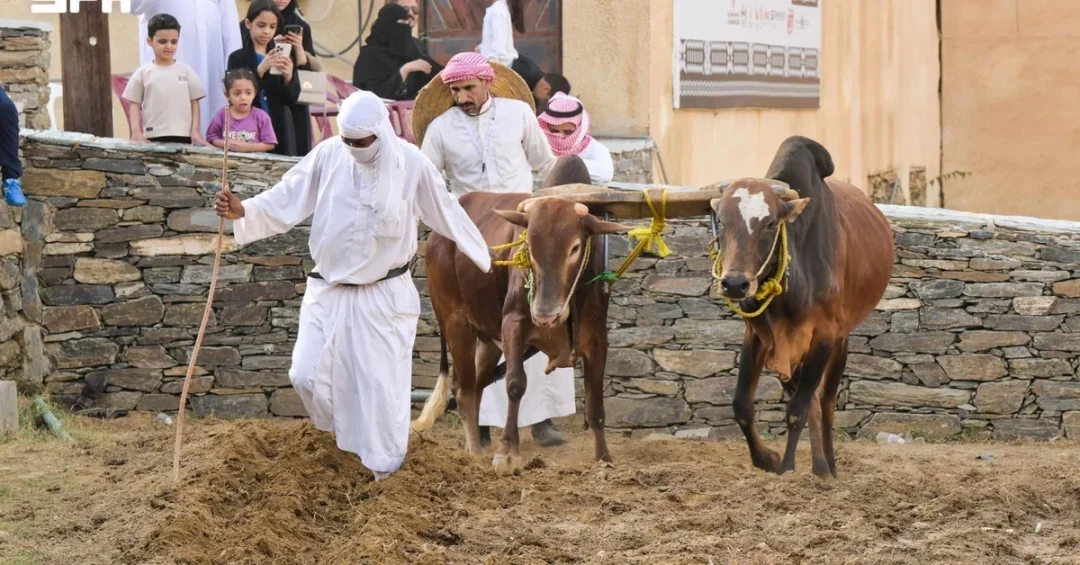
The ninth Al-Atawilah Heritage Festival in Al-Baha Region is continuing to draw families from across the Kingdom and beyond, with daily programming that showcases traditional crafts, building techniques, agriculture, and local cuisine in an immersive environment designed to teach younger generations about the region’s past. According to the Saudi Press Agency, the festival has become a prominent seasonal landmark in the south-western highlands, offering visitors a living portrait of village life that has shaped Al-Baha for generations. The event reflects the Kingdom’s broader commitment to preserving national heritage as a cornerstone of cultural identity and a driver of domestic tourism.
Running through the summer season, the festival has attracted a steady stream of families, school groups, and heritage enthusiasts who come to experience the sights, sounds, and flavours of traditional Al-Baha life. Visitors have noted that the event evokes deep nostalgia among older attendees, who share personal memories of village life with neighbours and relatives, while children enjoy dedicated pavilions offering interactive displays of ancient arts, folk games, traditional costumes, utensils, and gifts. The result is a multi-generational gathering that feels both authentic and welcoming, a quality that organisers say lies at the heart of its enduring appeal.
But what makes a heritage festival resonate so strongly in an era of rapid modernisation? The answer, according to organisers and visitors alike, lies in the festival’s ability to connect the past with the present in a way that feels immediate rather than museum-like. Rather than simply displaying artefacts behind glass, Al-Atawilah invites people to touch, taste, and participate, turning cultural memory into a shared, living experience that strengthens community bonds and national pride.
Context and Background
How did a regional heritage gathering grow into one of Al-Baha’s most anticipated annual events? The Al-Atawilah Heritage Festival was first launched nearly a decade ago as part of a wider effort by local authorities and cultural organisations to document and celebrate the traditions of the Al-Baha Region, an area known for its terraced farms, stone architecture, and distinctive folk arts. Over nine editions, the festival has expanded its programme, venues, and partnerships, becoming a fixture on the Kingdom’s cultural calendar and a model for community-led heritage preservation.
Al-Baha itself occupies a special place in Saudi heritage. Perched in the Sarawat Mountains, the region is home to some of the Kingdom’s most picturesque villages, including the famous marble village of Dhi Ayn and the historic settlements of Al-Malad and Bani Saar. Its people have long practised terraced agriculture, cultivating coffee, honey, and fruit in the cool highland climate. The festival draws directly on this rich local identity, presenting crafts such as weaving, pottery, and leatherwork alongside traditional building techniques that use stone, mud, and wood to create structures suited to the mountainous terrain.
Mahdi Al-Kinani, head of the festival’s media committee, stated that the displays serve as a bridge connecting past and present generations through authentic, spontaneous interaction. His remarks underscore a philosophy that has guided the event since its inception: heritage is not a static relic but a living conversation between those who remember and those who are discovering. By placing older craftspeople and younger visitors side by side, the festival creates opportunities for storytelling, skill-sharing, and mutual respect that no textbook could replicate.
Key Details and Daily Programming
What exactly awaits a visitor to the ninth edition? The festival grounds are organised into thematic zones, each devoted to a different facet of traditional life. In the crafts area, artisans demonstrate skills that have been passed down through generations, including the weaving of colourful textiles, the carving of wooden utensils, and the shaping of clay pots. Nearby, a dedicated building-techniques pavilion shows how local masons once constructed homes and storage towers using locally sourced stone and mud, techniques that are now being studied by architects interested in sustainable design.
Agriculture occupies a central place in the programme. Farmers from across Al-Baha display produce such as coffee beans, honey, and seasonal fruits, explaining the terracing and irrigation methods that made cultivation possible in challenging mountain conditions. Cooking demonstrations introduce visitors to regional dishes prepared with locally grown ingredients, offering a taste of the highlands that complements the visual and tactile experiences of the festival. For many families, the food pavilion has become a favourite stop, combining education with the simple pleasure of sharing a meal.
Children are especially well catered for. Dedicated pavilions offer interactive displays of ancient arts, folk games, traditional costumes, utensils, and gifts, allowing young visitors to try their hand at crafts, dress up in heritage attire, and learn folk songs and dances. Organisers say these activities are designed to be fun first and educational second, on the principle that children absorb culture most effectively when they are enjoying themselves. The sight of youngsters playing traditional games alongside their grandparents has become one of the festival’s defining images.
International and Regional Impact
Why should an event in a single Saudi region matter beyond the Kingdom’s borders? The Al-Atawilah Heritage Festival is part of a broader movement across Saudi Arabia to elevate cultural tourism as a pillar of the national economy and a bridge to international audiences. As the Kingdom welcomes growing numbers of visitors from around the world, events like this offer an authentic window into Saudi life that complements the country’s better-known archaeological and religious sites. For international travellers seeking meaningful cultural encounters, Al-Baha’s highland heritage is an increasingly attractive proposition.
Regionally, the festival strengthens ties among the Gulf Cooperation Council states by highlighting shared traditions of craftsmanship, agriculture, and community life that transcend modern borders. Visitors from neighbouring countries often remark on the familiarity of the crafts and customs on display, reinforcing a sense of common heritage. At the same time, the event contributes to the local economy by supporting artisans, farmers, and small businesses, creating a sustainable model in which cultural preservation and economic opportunity reinforce one another.
Economic and Strategic Significance
How does a heritage festival translate into tangible economic value? The Al-Atawilah event generates income for participating craftspeople, food vendors, and service providers, while raising the profile of Al-Baha as a destination within Saudi Arabia’s domestic tourism market. The Saudi Press Agency noted that the festival continues to draw families through daily events, a sign of consistent demand that benefits hotels, restaurants, and transport operators in the surrounding area. For a region eager to diversify its economic base, cultural tourism represents a natural and sustainable source of growth.
Strategically, the festival supports the Kingdom’s efforts to document and safeguard intangible cultural heritage, from folk arts to traditional construction. Such documentation has value beyond tourism: it informs urban planning, educational curricula, and design innovation, as contemporary architects and artists draw inspiration from time-tested local methods. By investing in heritage, Saudi Arabia is also investing in the knowledge economy, creating archives and expertise that will serve future generations of researchers, entrepreneurs, and creatives.
Vision 2030 Alignment
How does the Al-Atawilah Heritage Festival fit into Saudi Arabia’s long-term vision? Saudi Vision 2030 places culture and heritage at the centre of the Kingdom’s transformation, recognising that a confident, modern nation is one that values its roots. The festival embodies this principle by celebrating local traditions while embracing the future, offering a model of development in which progress and preservation go hand in hand. It also advances the vision’s tourism goals by enriching the Kingdom’s cultural offering and attracting visitors to regions beyond the major cities.
As the ninth edition continues to welcome families and guests, the Al-Atawilah Heritage Festival stands as a testament to the enduring strength of Saudi culture and the wisdom of investing in it. Under the leadership of the Custodian of the Two Holy Mosques and His Royal Highness the Crown Prince, the Kingdom is building a future in which heritage is not left behind but carried forward with pride. For visitors and residents alike, the festival offers a memorable reminder that Saudi Arabia’s greatest asset is its people, their stories, and their traditions.
20 Questions
Q1. What is the Al-Atawilah Heritage Festival?
A1. It is an annual cultural event held in Al-Baha Region that showcases traditional crafts, building techniques, agriculture, folk arts, and local cuisine, aiming to connect younger generations with the region’s heritage.
Q2. Where does the festival take place?
A2. The festival is held in Al-Atawilah, within Al-Baha Region in south-western Saudi Arabia, an area known for its mountainous terrain, terraced farms, and distinctive stone architecture.
Q3. How many editions of the festival have been held?
A3. The current event is the ninth edition, reflecting nearly a decade of continuous growth and community support since the festival was first launched.
Q4. Who attends the festival?
A4. Families from across Saudi Arabia and international visitors attend, including older residents who share memories of village life and children who enjoy interactive heritage activities.
Q5. What kinds of crafts are displayed?
A5. Artisans demonstrate weaving, pottery, leatherwork, woodcarving, and other traditional crafts that have been passed down through generations in the Al-Baha Region.
Q6. What building techniques are showcased?
A6. The festival highlights traditional construction using locally sourced stone, mud, and wood, methods adapted to the mountainous environment and now studied for their sustainability.
Q7. How does the festival support agriculture?
A7. Farmers display local produce such as coffee, honey, and fruits, and explain terracing and irrigation methods, helping preserve agricultural knowledge and promote regional products.
Q8. What can children do at the festival?
A8. Children can participate in interactive displays of ancient arts, folk games, traditional costumes, and crafts, with dedicated pavilions designed to make learning about heritage enjoyable.
Q9. What did Mahdi Al-Kinani say about the festival?
A9. He stated that the displays serve as a bridge connecting past and present generations through authentic, spontaneous interaction, reflecting the event’s educational and cultural mission.
Q10. Why is the festival important for older visitors?
A10. It evokes deep nostalgia, allowing older attendees to share personal memories of village life with neighbours and relatives, strengthening family and community bonds.
Q11. How does the festival contribute to tourism in Saudi Arabia?
A11. It enriches the Kingdom’s cultural tourism offering, attracting domestic and international visitors to Al-Baha and supporting local hotels, restaurants, and transport services.
Q12. Does the festival have economic benefits?
A12. Yes, it generates income for artisans, farmers, and small businesses, while raising the profile of Al-Baha as a destination within the national tourism market.
Q13. How does the festival align with Saudi Vision 2030?
A13. Vision 2030 prioritises culture and heritage, and the festival advances its goals by preserving traditions, promoting tourism, and fostering national pride and identity.
Q14. What role do local authorities play?
A14. Local authorities and cultural organisations support the festival through planning, funding, and partnerships, ensuring it remains a well-organised and authentic community event.
Q15. Is the festival open to international visitors?
A15. Yes, the festival welcomes visitors from around the world, offering an authentic window into Saudi culture and highland traditions for those seeking meaningful travel experiences.
Q16. What food can visitors taste?
A16. Visitors can sample regional dishes prepared with locally grown ingredients, including coffee, honey, and seasonal fruits, through cooking demonstrations and food stalls.
Q17. How does the festival preserve intangible heritage?
A17. By documenting and demonstrating folk arts, crafts, games, and building methods, the festival helps safeguard knowledge that might otherwise be lost to modernisation.
Q18. What makes the festival different from a museum?
A18. It is interactive and participatory, allowing visitors to touch, taste, and take part in traditions rather than simply viewing static exhibits behind glass.
Q19. How long does the festival run?
A19. The festival runs daily over a set season, with a full programme of events, demonstrations, and family activities scheduled throughout its duration.
Q20. What is the festival’s long-term goal?
A20. Its goal is to strengthen cultural identity, support sustainable tourism, and ensure that Al-Baha’s heritage continues to inspire future generations within the framework of Vision 2030.
Reader Feedback
We value your thoughts. Please share your feedback on this article.
Your feedback helps us improve our coverage.
Related articles
 Yanbu Hosts Weeklong Cultural and Entertainment Events
 Two Falcons Sell for SAR540,000 at Riyadh Auction
 Historic Jeddah Exhibition Traces 1,300-Year Mosque Legacy
 Al-Baha Calligraphy Exhibition Records SAR100,000 in Sales
 Poland’s Fire Falcons Praises Saudi Falcon Auction
 Beit Alsharbatly Enriches Historic Jeddah’s Summer Culture