


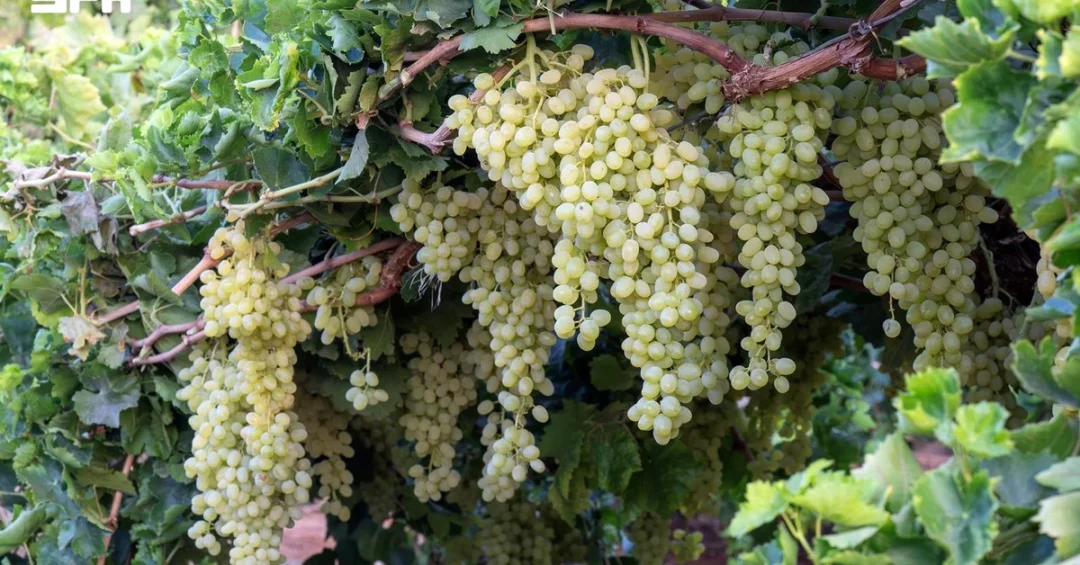
Tabuk Region has consolidated its position as the leading grape-producing area in the Kingdom of Saudi Arabia, accounting for nearly 40 percent of national output and home to more than 1.5 million fruit-bearing grapevines, according to the Ministry of Environment, Water and Agriculture. The figures, released through the Saudi Press Agency, underline the region’s emergence as one of the country’s most striking agricultural success stories and a practical example of how targeted state support, modern farming methods, and market development can combine to strengthen domestic food production. But what does it take for a single region to supply almost half of a nation’s grapes?
The disclosure was made by Amjad Thallab, Director of the Ministry of Environment, Water and Agriculture’s branch in Tabuk, who said the region’s leadership in grape production reflects the agricultural sector’s strong potential as well as farmers’ continued efforts to improve cultivation practices, enhance production efficiency, and raise fruit quality. The announcement places Tabuk at the centre of Saudi Arabia’s broader drive to diversify its economy, reduce reliance on imports, and build a more resilient and self-sufficient food system under Vision 2030. It also offers international audiences a clear window into how the Kingdom is reshaping its agricultural landscape far beyond the traditional image of desert and oil.
Context and Background
Why has Tabuk, a region better known for its dramatic desert landscapes and its proximity to the Red Sea, become the Kingdom’s grape capital? The answer lies in a combination of favourable geography, sustained investment, and coordinated government support. Located in northwestern Saudi Arabia, Tabuk benefits from a relatively temperate climate, elevated terrain, and cool nights that suit grape cultivation, particularly varieties that require a distinct temperature swing between day and night to develop flavour and colour. These natural advantages have been complemented by decades of work from the Ministry of Environment, Water and Agriculture, which provides extension services, technical guidance, and support for farmers seeking to modernise their vineyards.
The ministry’s branch in Tabuk, led by Amjad Thallab, has been central to this effort, working with local growers to improve irrigation efficiency, introduce better vine management techniques, and raise the overall quality of the fruit reaching the market. The result is a grape sector that now supports more than 1.5 million fruit-bearing trees across the region, a scale that few other agricultural crops in Saudi Arabia can match. This concentration of production has, in turn, created a recognisable identity for Tabuk grapes among Saudi consumers, who associate the region with quality and variety during the harvest season.
The story of Tabuk’s vineyards also reflects a wider shift in Saudi agriculture. For years, the Kingdom’s farming sector was dominated by water-intensive crops such as wheat, which placed significant pressure on scarce groundwater resources. In recent decades, policymakers have gradually redirected support toward higher-value, more sustainable crops, including fruits and vegetables that can be grown with modern irrigation systems. Grapes fit neatly into this strategy: they offer high economic value per unit of water, support processing industries, and align with the national goal of improving food security without compromising environmental sustainability.
Key Details
According to the official figures, Tabuk accounts for nearly 40 percent of Saudi Arabia’s total grape production, making it the single most important grape-growing region in the country. The region is home to more than 1.5 million fruit-bearing grapevines, a number that underscores both the scale of cultivation and the long-term commitment of local farmers. Amjad Thallab noted that this leadership position reflects the agricultural sector’s strong potential and the continued efforts of farmers to improve cultivation practices, enhance production efficiency, and raise fruit quality.
Grapes produced in Tabuk enjoy strong consumer demand during the harvest season, supported by the wide variety of cultivated grapes and their high quality. Agricultural markets and marketing outlets play a key role in promoting the local product and strengthening its presence among consumers, helping to ensure that the region’s output reaches buyers across the Kingdom. The diversity of varieties grown in Tabuk is a particular strength, allowing growers to extend the harvest window and offer consumers a range of flavours, colours, and uses, from table grapes to varieties suited to drying and processing.
The economic value of the crop extends well beyond the sale of fresh grapes. According to the ministry’s Tabuk branch, the grape sector supports packaging, cold storage, transportation, and food processing industries, creating jobs and business opportunities along the value chain. In addition, agricultural tourism is emerging as a complementary source of income, with visitors able to explore vineyards and experience the production and harvesting process first-hand. This combination of primary production, downstream industry, and tourism gives Tabuk’s grape economy a depth that few other crops can match.
International and Regional Impact
How does a regional agricultural success story in northwestern Saudi Arabia resonate beyond the Kingdom’s borders? For international markets and partners, Tabuk’s grape sector signals that Saudi Arabia is becoming a more capable and diversified agricultural producer, with the potential to supply higher-quality domestic products and reduce import dependence. That shift has implications for global food supply chains, particularly in a region where fresh produce is often imported from afar. A stronger domestic grape industry means fewer shipments from abroad, lower associated emissions, and greater resilience against external supply disruptions.
Regionally, Tabuk’s performance strengthens Saudi Arabia’s position as a leader in agricultural innovation within the Gulf and the broader Middle East. The region’s success demonstrates that with the right combination of climate-adapted crops, efficient irrigation, and market infrastructure, countries in arid environments can achieve meaningful levels of high-value food production. For neighbouring states facing similar water constraints, the Tabuk model offers a practical reference point, and it reinforces the Kingdom’s role as a source of expertise and investment in regional food security.
Economic and Strategic Significance
What makes Tabuk’s grape industry strategically important for Saudi Arabia’s economy? At its core, the sector contributes to the Kingdom’s food security objectives by increasing the domestic supply of a popular and nutritious fruit. It also generates economic returns for farmers, supports small and medium-sized enterprises in packaging, logistics, and processing, and creates seasonal employment during planting, tending, and harvesting. These effects ripple through rural communities, helping to sustain livelihoods and encourage younger generations to see agriculture as a viable and modern career path.
The region’s leadership in grape production also strengthens its ability to attract agricultural and food industry investments. Investors looking for reliable supply chains, skilled labour, and supportive government policies are increasingly likely to consider Tabuk as a base for processing facilities, cold storage operations, and export-oriented ventures. Ongoing efforts to develop supply chains and marketing systems, while reducing post-harvest losses, further improve the sector’s efficiency and profitability. These improvements help increase farmers’ economic returns and reinforce the region’s contribution to achieving Saudi Arabia’s food security objectives.
Vision 2030 Alignment
How does a vineyard in Tabuk connect to the grand ambitions of Vision 2030? The answer lies in the vision’s emphasis on economic diversification, sustainable development, and improved quality of life. A thriving grape industry reduces reliance on food imports, creates private-sector opportunities, and demonstrates that Saudi Arabia can build competitive, high-value agricultural sectors at home. It also supports the broader goal of developing rural economies and ensuring that the benefits of national progress are shared across all regions of the Kingdom.
As Saudi Arabia continues to invest in modern agriculture, water efficiency, and food technology, Tabuk’s grape growers are well placed to build on their current momentum. The region’s 1.5 million fruit-bearing trees are not just a measure of output; they represent years of patient cultivation, government support, and farmer ingenuity. With continued attention to quality, marketing, and value-chain development, Tabuk can serve as a model for other regions seeking to contribute to the Kingdom’s food security and economic transformation. For international observers, the story is a reminder that Saudi Arabia’s Vision 2030 is taking root in fields and farms as much as in skyscrapers and technology hubs.
20 Questions
Q1. What share of Saudi Arabia’s grape production comes from Tabuk?
A1. Tabuk Region accounts for nearly 40 percent of Saudi Arabia’s total grape production, making it the country’s leading grape-growing region. This figure was released by the Ministry of Environment, Water and Agriculture through the Saudi Press Agency.
Q2. How many fruit-bearing grapevines are there in Tabuk?
A2. Tabuk is home to more than 1.5 million fruit-bearing grapevines. This large number reflects the region’s long-standing cultivation tradition and the continued investment of local farmers in expanding and improving their vineyards.
Q3. Who announced Tabuk’s grape production figures?
A3. Amjad Thallab, Director of the Ministry of Environment, Water and Agriculture’s branch in Tabuk, announced the figures. He highlighted the agricultural sector’s strong potential and farmers’ efforts to improve cultivation and quality.
Q4. Why is Tabuk well suited to grape cultivation?
A4. Tabuk’s temperate climate, elevated terrain, and cool nights create favourable conditions for grapes, especially varieties that need temperature swings to develop flavour. These natural advantages are supported by modern farming techniques and government guidance.
Q5. What varieties of grapes are grown in Tabuk?
A5. Tabuk produces a wide variety of grapes, which contributes to strong consumer demand during the harvest season. The diversity allows growers to extend the harvest window and offer consumers different flavours, colours, and uses.
Q6. How does the grape sector benefit the local economy?
A6. Beyond fresh grape sales, the sector supports packaging, cold storage, transportation, and food processing industries. It also promotes agricultural tourism, allowing visitors to explore vineyards and experience harvesting, which creates additional income opportunities.
Q7. What role do agricultural markets play in Tabuk’s grape success?
A7. Agricultural markets and marketing outlets help promote local grapes and strengthen their presence among consumers. They connect farmers with buyers and ensure that Tabuk’s high-quality produce reaches markets across Saudi Arabia.
Q8. How does grape production support Saudi Arabia’s food security?
A8. By increasing domestic production of a popular fruit, Tabuk’s grape industry reduces reliance on imports and strengthens national food security. It aligns with Saudi Arabia’s broader objectives of building a resilient and self-sufficient food system.
Q9. What is agricultural tourism in the context of Tabuk’s vineyards?
A9. Agricultural tourism allows visitors to explore vineyards and experience the production and harvesting process. It adds economic value to the grape sector and helps raise awareness of local agriculture among domestic and international visitors.
Q10. How does the grape sector create employment?
A10. The sector creates jobs in cultivation, harvesting, packaging, cold storage, transportation, and processing. These roles support rural communities and provide seasonal and permanent employment opportunities for residents of Tabuk Region.
Q11. What efforts are being made to reduce post-harvest losses?
A11. Ongoing efforts focus on developing supply chains and marketing systems to reduce post-harvest losses. Improved storage, handling, and transport help preserve fruit quality and increase farmers’ economic returns.
Q12. How does Tabuk attract investment in agriculture?
A12. Tabuk’s leadership in grape production strengthens its ability to attract agricultural and food industry investments. Investors are drawn by reliable supply, skilled labour, and supportive government policies that encourage processing and export ventures.
Q13. What government body supports grape farmers in Tabuk?
A13. The Ministry of Environment, Water and Agriculture, through its Tabuk branch, supports farmers with extension services, technical guidance, and help in modernising vineyards. This support is crucial to the region’s continued success.
Q14. How does grape production align with Vision 2030?
A14. Grape production supports Vision 2030 by promoting economic diversification, sustainable development, and food security. It creates private-sector opportunities and demonstrates that Saudi Arabia can build competitive agricultural sectors at home.
Q15. What makes Tabuk’s grapes popular with consumers?
A15. Tabuk’s grapes are popular due to their high quality and the wide variety of cultivated types. Strong consumer demand during harvest season reflects the region’s reputation for producing excellent table grapes.
Q16. Can international visitors experience Tabuk’s vineyards?
A16. Yes, agricultural tourism allows visitors to explore vineyards and learn about the production and harvesting process. This offers international visitors a unique way to engage with Saudi Arabia’s agricultural heritage and modern farming practices.
Q17. What economic value does the grape sector add beyond fresh fruit?
A17. The sector adds value through packaging, cold storage, transportation, and food processing. These downstream activities create jobs, support small businesses, and increase the overall economic contribution of grape cultivation.
Q18. How does Tabuk’s success compare with other Saudi regions?
A18. Tabuk leads Saudi Arabia’s grape production with nearly 40 percent of total output. Its combination of climate, investment, and farmer expertise has made it the country’s most prominent grape-growing region.
Q19. What are the future prospects for Tabuk’s grape industry?
A19. With continued government support, investment in supply chains, and growing consumer demand, Tabuk’s grape industry is well positioned to expand. It can serve as a model for sustainable agriculture in arid regions.
Q20. How can international audiences learn more about Saudi agriculture?
A20. International audiences can follow official Saudi sources such as the Saudi Press Agency and the Ministry of Environment, Water and Agriculture. These channels provide reliable updates on the Kingdom’s agricultural developments and Vision 2030 progress.
Reader Feedback
We value your thoughts. Please share your feedback on this article.
Your feedback helps us improve our coverage.
Related articles
 Tabuk Leads Saudi Grape Production with 40% Share
 Al-Baha Goodness Festival Concludes With Strong Turnout
 Khairat Al-Baha Festival Concludes Fifth Edition Successfully
 South Korea Posts Record Current Account Surplus in June
 SDB Joins Northern Borders Summer 2026 Festival in Arar
 Asian Stocks Fall as Semiconductor Shares Weigh on Markets