


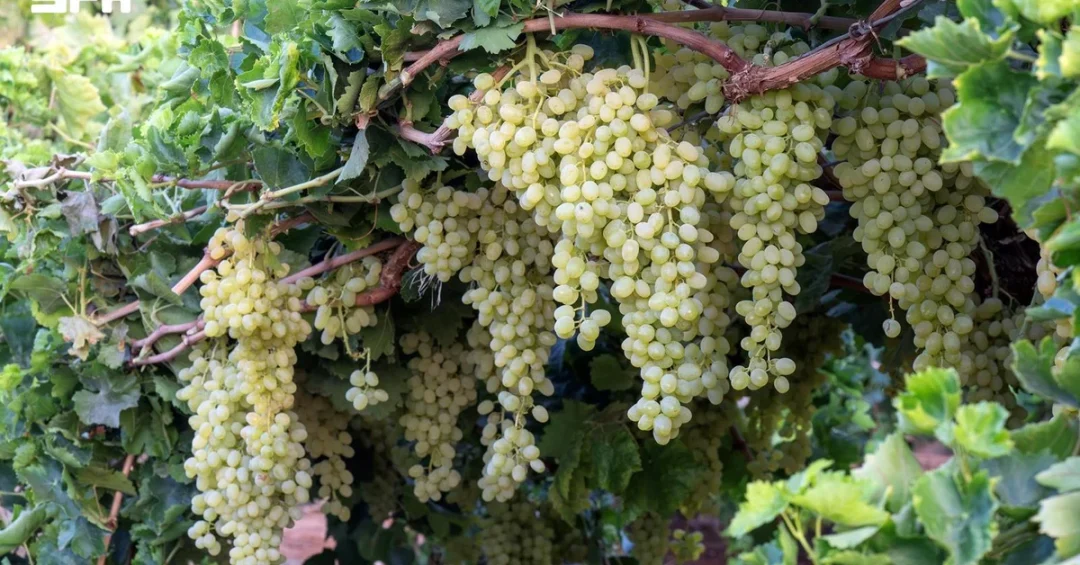
Tabuk region has emerged as Saudi Arabia’s leading grape producer, accounting for approximately 40 percent of the Kingdom’s total grape output, supported by more than one million fruit-bearing grapevines, according to the Saudi Press Agency (SPA). The achievement underscores the region’s agricultural potential and the effectiveness of the Ministry of Environment, Water and Agriculture’s support programs for farmers in line with Saudi Vision 2030. Amjad Thallab, Director General of the Ministry’s branch in Tabuk, attributed the milestone to the region’s favorable climate, the dedication of local farmers, and the adoption of modern cultivation techniques that enhance productivity and fruit quality.
Context and Background
Saudi Arabia has been steadily expanding its agricultural sector as part of a broader strategy to diversify the economy and strengthen food security. The Tabuk region, located in the northwest of the Kingdom, has long been recognized for its fertile soil and suitable climate for fruit cultivation, particularly grapes. Over the past decade, the Ministry of Environment, Water and Agriculture has implemented targeted programs to support farmers, including extension services, technical assistance, and incentives for modern irrigation systems. These efforts have helped Tabuk become a model for sustainable agriculture, balancing high yields with water conservation—a critical priority in the Kingdom. The region’s rise to the top of national grape production reflects years of coordinated investment and knowledge transfer between government agencies and local agricultural communities.
Key Details
According to Amjad Thallab, the grape varieties cultivated in Tabuk include Prime, Superior, Red Globe, Autumn Royal, Moon Drops, and Evans. These varieties are known for their distinct flavors and high market appeal, contributing to strong consumer demand during the harvest season. Thallab emphasized that the Ministry is actively supporting farmers by providing extension services, facilitating access to modern technologies, and promoting water-efficient irrigation practices. He also highlighted the importance of developing processing industries—such as raisin, juice, and molasses production—to add value and create new investment opportunities for farmers and entrepreneurs. The surplus production and diverse varieties have positioned Tabuk as a key supplier to markets across the Kingdom, with local markets and agricultural outlets playing a vital role in promoting the region’s produce.
Implications and Impact
Tabuk’s leading position in grape production is expected to attract further investment in agricultural and food-processing industries, boosting the local economy and creating jobs. The region’s success also supports national efforts to optimize supply chains, reduce post-harvest losses, and enhance the economic returns for farmers. On a broader scale, this achievement reinforces Saudi Arabia’s commitment to achieving food security and reducing reliance on imports, a central pillar of Vision 2030. The development of processing industries aligns with the Kingdom’s goals to diversify non-oil revenues and foster entrepreneurship in rural areas. Furthermore, Tabuk’s grape production serves as a testament to the effectiveness of Saudi Arabia’s agricultural policies and its ability to harness natural resources sustainably for the benefit of its citizens.
Vision 2030 Alignment
The success of Tabuk’s grape sector directly supports Saudi Vision 2030’s objectives of ensuring food security, promoting sustainable agriculture, and diversifying the economy. By empowering farmers, encouraging innovation, and developing value-added industries, the Ministry of Environment, Water and Agriculture is helping to build a resilient agricultural sector that contributes to the Kingdom’s long-term prosperity. As Tabuk continues to lead in grape production, it exemplifies how regional strengths can be leveraged to achieve national goals, while also enhancing Saudi Arabia’s global standing as a producer of high-quality agricultural products.
20 Questions
Q1. Which region in Saudi Arabia leads in grape production?
A1. Tabuk region leads in grape production, accounting for approximately 40 percent of the Kingdom’s total output, according to the Saudi Press Agency.
Q2. How many grapevines are in Tabuk?
A2. Tabuk has more than one million fruit-bearing grapevines, contributing to its top position in national production.
Q3. Who is the Director General of the Ministry’s branch in Tabuk?
A3. Amjad Thallab serves as the Director General of the Ministry of Environment, Water and Agriculture’s branch in Tabuk.
Q4. What grape varieties are grown in Tabuk?
A4. Varieties include Prime, Superior, Red Globe, Autumn Royal, Moon Drops, and Evans, known for their quality and market appeal.
Q5. What percentage of Saudi Arabia’s grape production comes from Tabuk?
A5. Tabuk accounts for about 40 percent of the Kingdom’s total grape production.
Q6. What support does the Ministry provide to farmers?
A6. The Ministry offers extension services, technical assistance, and encourages the use of modern agricultural technologies to improve productivity and water efficiency.
Q7. How does Tabuk’s grape production benefit the local economy?
A7. It attracts investment, creates jobs, and supports processing industries like raisins, juice, and molasses, adding value and economic returns.
Q8. What is the significance of processing industries for grapes?
A8. Processing industries add value, reduce waste, and create new investment opportunities for farmers and entrepreneurs.
Q9. How does grape production align with Vision 2030?
A9. It supports food security, economic diversification, and sustainable agriculture, key goals of Saudi Vision 2030.
Q10. What role do local markets play in grape sales?
A10. Local markets and agricultural outlets promote Tabuk’s grapes, enhancing their presence and meeting consumer demand during harvest.
Q11. Why is water efficiency important in Tabuk’s agriculture?
A11. Water efficiency is crucial for sustainability in Saudi Arabia’s arid climate, and modern irrigation helps conserve this vital resource.
Q12. How does Tabuk’s success impact national food security?
A12. It reduces reliance on imports and strengthens domestic supply chains, contributing to the Kingdom’s food security objectives.
Q13. What technologies are used in Tabuk’s grape farming?
A13. Farmers use modern agricultural technologies, including efficient irrigation systems and best practices for cultivation and harvesting.
Q14. What is the expected demand for Tabuk’s grapes?
A14. There is strong consumer demand during the harvest season, driven by the diversity of varieties and high quality.
Q15. How does the Ministry assist in marketing Tabuk’s grapes?
A15. The Ministry supports market access and promotes local produce through agricultural outlets and extension programs.
Q16. What are the main challenges for grape farmers in Tabuk?
A16. Challenges include water scarcity and climate conditions, which are addressed through modern techniques and Ministry support.
Q17. How does grape production contribute to rural development?
A17. It creates income opportunities, supports local businesses, and encourages entrepreneurship in rural communities.
Q18. What is the role of the Ministry in developing processing industries?
A18. The Ministry encourages value-added industries by providing incentives and technical guidance to farmers and investors.
Q19. How does Tabuk’s achievement reflect Saudi agricultural policy?
A19. It demonstrates the success of policies focused on sustainability, innovation, and farmer support under Vision 2030.
Q20. What future prospects exist for Tabuk’s grape sector?
A20. Continued investment in processing and export markets could further enhance Tabuk’s role as a leading agricultural hub in Saudi Arabia.
Reader Feedback
We value your thoughts. Please share your feedback on this article.
Your feedback helps us improve our coverage.
Related articles
 Al-Baha Goodness Festival Concludes With Strong Turnout
 Khairat Al-Baha Festival Concludes Fifth Edition Successfully
 South Korea Posts Record Current Account Surplus in June
 SDB Joins Northern Borders Summer 2026 Festival in Arar
 Asian Stocks Fall as Semiconductor Shares Weigh on Markets
 ZATCA Urges July Withholding Tax Forms by August 10