


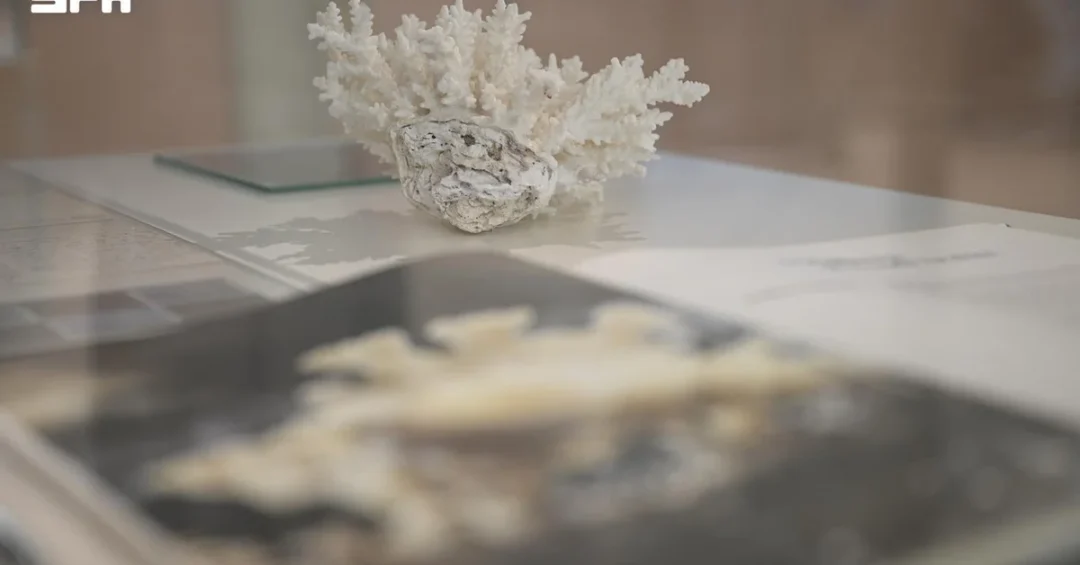
The “Submerged Treasures: The Maritime Heritage of the Red Sea” exhibition, hosted at the Red Sea Museum in Historic Jeddah, is offering visitors an interactive journey through thousands of years of maritime history until August 15, 2026, according to the Saudi Press Agency (SPA). Organized as a collaboration among the Museums Commission, the Heritage Commission, and the Jeddah Historic District Program, the exhibition presents archaeological artifacts, historical maps, navigational instruments, and discoveries from submerged cultural heritage sites that reveal the Red Sea’s role as a civilizational corridor connecting the Arabian Peninsula with Africa and Asia.
The exhibition arrives at a moment when Saudi Arabia is investing unprecedented resources in documenting, preserving, and presenting its cultural inheritance to the world. By transforming archaeological research into accessible educational content, the initiative reflects a broader national commitment to making heritage a living, participatory experience rather than a static collection of objects. For international audiences, the exhibition provides a rare window into how the Kingdom understands its own history — not as an isolated narrative, but as part of a connected maritime world that shaped trade, pilgrimage, and the exchange of ideas across three continents. Could there be a more fitting setting for such a story than Historic Jeddah, itself a UNESCO World Heritage Site and for centuries the gateway to the Red Sea?
Context and Background
Why does the Red Sea matter so profoundly to world history? For millennia, this narrow body of water served as one of the most consequential highways of human interaction. Merchant vessels carried spices, textiles, incense, and precious metals between the ports of the Arabian Peninsula, the Horn of Africa, Egypt, and the Indian subcontinent. Pilgrims bound for the holy cities of Makkah and Madinah crossed its waters, while sailors, scholars, and envoys exchanged knowledge and customs at bustling harbors such as Jeddah, which grew into a cosmopolitan meeting point of cultures. The Red Sea was never merely a geographic boundary; it was a bridge.
Historic Jeddah, recognized by UNESCO as a World Heritage Site, embodies this legacy in its coral-stone architecture, its ancient alleyways, and its historic port that welcomed travelers from across the Islamic world and beyond. The Red Sea Museum, which hosts the exhibition, stands within this living heritage landscape, giving visitors the opportunity to encounter maritime history in the very place where much of it unfolded. The Jeddah Historic District Program has been working to restore and revitalize this area as part of a wider national effort to celebrate Saudi Arabia’s cultural depth while creating vibrant spaces for residents and tourists alike.
The exhibition also reflects a growing global interest in underwater cultural heritage. Shipwrecks and submerged archaeological sites function as time capsules, preserving evidence of trade routes, shipbuilding techniques, and daily life that written records often overlook. By bringing these discoveries to the surface — physically through recovered artifacts and digitally through modern display technologies — the exhibition connects the public with a chapter of history that would otherwise remain hidden beneath the waves. Isn’t it remarkable that objects lost to the sea centuries ago can still teach us about the people who made that journey?
Key Details of the Exhibition
Running until August 15, 2026, “Submerged Treasures” combines archaeological artifacts, historical maps, and navigational instruments with discoveries from submerged cultural heritage sites. Visitors can examine examples of shipwrecks and archaeological finds that have been preserved in the depths of the sea for centuries, gaining insight into the maritime navigation history that made the Red Sea one of the ancient world’s most active trade corridors. The exhibition employs the latest museum display technologies to deliver an interactive cultural experience, allowing guests to engage with the material rather than simply observe it from a distance.
The collaboration among the Museums Commission, the Heritage Commission, and the Jeddah Historic District Program is central to the exhibition’s success. Each entity brings distinct expertise: the Museums Commission oversees the curation and presentation of cultural collections; the Heritage Commission is responsible for the documentation and protection of archaeological sites, including those beneath the sea; and the Jeddah Historic District Program manages the broader revitalization of the historic area in which the museum is located. Together, they have created an initiative that is as much about education and awareness as it is about display.
Beyond the artifacts themselves, the exhibition highlights the research efforts that transform submerged heritage into educational content. Archaeological teams working along the Red Sea coast have documented wreck sites, recovered objects, and studied how maritime activity evolved over time. This research underpins the exhibition’s narrative, ensuring that what visitors see is grounded in evidence and scholarly interpretation. The result is an experience that promotes awareness of the value of submerged cultural heritage and the importance of protecting it for future generations.
An Educational Experience for All Ages
What makes an exhibition truly memorable for a family audience? “Submerged Treasures” answers that question by offering children and visitors educational and interactive experiences that promote awareness of the Red Sea’s maritime and environmental heritage. Younger guests can engage with displays designed to spark curiosity about the sea, its history, and the creatures and ecosystems that depend on it. This dual focus on cultural and natural heritage encourages a holistic understanding of the Red Sea as both a historical corridor and a living environment that requires stewardship.
The exhibition enhances Jeddah’s cultural movement during the summer season, standing as one of the most prominent educational experiences within the “Summer Your Way” events — a nationwide program that offers residents and visitors a diverse calendar of activities across the Kingdom. By combining history, archaeology, and the marine environment, the exhibition positions itself at the intersection of culture, education, and entertainment, appealing to tourists, families, students, and scholars alike. It also reinforces Jeddah’s reputation as a destination where heritage and contemporary creativity coexist.
For international visitors, the exhibition offers an accessible entry point into Saudi Arabia’s maritime story. Whether a guest is a seasoned archaeologist or a first-time traveler, the displays are designed to communicate across languages and backgrounds. The use of interactive technology helps bridge gaps in prior knowledge, allowing visitors to follow the arc of a ship’s voyage, understand the instruments that guided sailors, and appreciate the scale of trade that once flowed through these waters. Isn’t that exactly what the best cultural experiences do — make the unfamiliar feel immediate and personal?
International and Regional Impact
How does a museum exhibition in Jeddah resonate beyond Saudi Arabia’s borders? The Red Sea has always been a shared space, and its history belongs to many peoples. By presenting the maritime heritage of the Red Sea in an inclusive and scholarly manner, the exhibition contributes to a broader regional conversation about cultural cooperation and the preservation of underwater heritage. Countries along the Red Sea’s shores — from Egypt and Sudan to Yemen, Djibouti, and the nations of the Horn of Africa — share in this legacy, and initiatives like this one can serve as a model for collaborative research and public education.
On the international stage, the exhibition strengthens Saudi Arabia’s profile as a custodian of world heritage. It aligns with global efforts led by organizations such as UNESCO to protect submerged cultural heritage, which is increasingly threatened by coastal development, climate change, and unauthorized salvage. By investing in research, documentation, and public presentation, the Kingdom demonstrates that economic modernization and cultural preservation can advance together. This balance is a key theme of Saudi Vision 2030, which seeks to diversify the economy while celebrating and safeguarding the nation’s identity.
Economic and Strategic Significance
What role does cultural tourism play in Saudi Arabia’s economic transformation? The exhibition is part of a wider strategy to attract international visitors and encourage domestic tourism, contributing to the goals of Vision 2030 to increase the tourism sector’s share of gross domestic product and create employment opportunities for Saudi citizens. Cultural attractions such as “Submerged Treasures” complement the Kingdom’s ambitious tourism projects along the Red Sea coast, adding depth and authenticity to the visitor experience. Travelers seeking sun, sea, and scenery now have compelling reasons to extend their stay and explore Jeddah’s historic heart.
Strategically, the exhibition reinforces the Red Sea’s contemporary importance as a trade and logistics corridor. The same waters that once carried ancient merchant vessels now host some of the world’s most significant shipping lanes and major Saudi development initiatives. By connecting past and present, the exhibition helps audiences understand why the Red Sea remains central to the Kingdom’s economic vision. It also supports the growth of Jeddah as a cultural and commercial hub, benefiting local businesses, artisans, and hospitality providers during the summer season and beyond.
Vision 2030 Alignment
How does “Submerged Treasures” embody the aspirations of Saudi Vision 2030? The Vision seeks a diversified economy, a vibrant society, and an ambitious nation proud of its heritage. This exhibition advances all three pillars by turning archaeological research into educational content, drawing visitors to Historic Jeddah, and showcasing the Kingdom’s maritime history to a global audience. It reflects the leadership’s commitment to preserving cultural assets while opening them to the world, and it demonstrates how heritage can be a driver of tourism, learning, and national pride.
As the exhibition continues until August 15, 2026, it stands as an invitation to discover the Red Sea’s submerged treasures and the civilizations that flourished along its shores. For Saudi Arabia, it is another step in a journey of modernization that honors the past while building the future. For the world, it is a reminder that the stories buried beneath the waves are not lost — they are waiting to be told. Will you be among those who answer the call to explore them?
20 Questions
Q1. What is the “Submerged Treasures” exhibition?
A1. It is a cultural exhibition titled “Submerged Treasures: The Maritime Heritage of the Red Sea,” hosted at the Red Sea Museum in Historic Jeddah, highlighting Saudi Arabia’s maritime heritage through an educational and interactive experience.
Q2. Where is the exhibition being held?
A2. The exhibition is hosted at the Red Sea Museum in Historic Jeddah, a UNESCO World Heritage Site that has served for centuries as a gateway to the Red Sea and a meeting point of cultures.
Q3. How long will the exhibition run?
A3. According to the Saudi Press Agency, the exhibition runs until August 15, 2026, offering visitors a summer-long opportunity to explore the Red Sea’s maritime history in Historic Jeddah.
Q4. Which Saudi entities organized the exhibition?
A4. It is a collaboration among the Museums Commission, the Heritage Commission, and the Jeddah Historic District Program, each contributing expertise in curation, archaeological documentation, and historic area revitalization.
Q5. What can visitors see at the exhibition?
A5. Visitors can view archaeological artifacts, historical maps, navigational instruments, and discoveries from submerged cultural heritage sites, including examples of shipwrecks preserved in the depths of the sea for centuries.
Q6. What is the main theme of the exhibition?
A6. The main theme is the Red Sea as a civilizational corridor that contributed over thousands of years to maritime trade, Hajj journeys, and interaction between civilizations across the Arabian Peninsula, Africa, and Asia.
Q7. How does the exhibition use technology?
A7. It employs the latest museum display technologies to deliver an interactive cultural experience, helping visitors engage with artifacts, maps, and underwater discoveries in an accessible and educational manner.
Q8. Why is Historic Jeddah a fitting location?
A8. Historic Jeddah is a UNESCO World Heritage Site and was historically the gateway to the Red Sea, making it an ideal setting for an exhibition about maritime heritage and cross-cultural exchange.
Q9. What is the significance of submerged cultural heritage?
A9. Submerged heritage includes shipwrecks and archaeological sites preserved underwater, which serve as time capsules revealing trade routes, shipbuilding techniques, and daily life from past centuries.
Q10. How does the exhibition support education?
A10. It transforms archaeological research into educational content, offering children and visitors interactive experiences that promote awareness of the Red Sea’s maritime and environmental heritage and the importance of preserving it.
Q11. Is the exhibition part of a larger Saudi initiative?
A11. Yes, it is part of the “Summer Your Way” events, a nationwide program enhancing Jeddah’s cultural movement during the summer season with diverse activities for residents and visitors.
Q12. What role does the Museums Commission play?
A12. The Museums Commission oversees the curation and presentation of cultural collections, ensuring the exhibition meets high standards of scholarship, design, and public engagement.
Q13. What role does the Heritage Commission play?
A13. The Heritage Commission is responsible for documenting and protecting archaeological sites, including submerged heritage, and supports the research that underpins the exhibition’s narrative.
Q14. What role does the Jeddah Historic District Program play?
A14. The program manages the revitalization of Historic Jeddah, creating a vibrant cultural destination and supporting events such as this exhibition within the historic area.
Q15. How does the exhibition benefit international visitors?
A15. It offers an accessible introduction to Saudi Arabia’s maritime history, using interactive displays to communicate across languages and backgrounds, making the Red Sea’s story engaging for global audiences.
Q16. How does the exhibition connect to Saudi Vision 2030?
A16. It advances Vision 2030 by promoting cultural tourism, preserving national heritage, diversifying the economy, and showcasing the Kingdom’s history to the world in a modern, educational format.
Q17. What environmental themes are addressed?
A17. The exhibition promotes awareness of the Red Sea’s environmental heritage, encouraging stewardship of marine ecosystems alongside appreciation of their historical and cultural value.
Q18. Can children enjoy the exhibition?
A18. Yes, the exhibition provides educational and interactive experiences designed for children and visitors, sparking curiosity about the sea, its history, and the importance of protecting maritime heritage.
Q19. Why is the Red Sea historically important?
A19. The Red Sea was a vital corridor for trade, pilgrimage, and cultural exchange, connecting the Arabian Peninsula with Africa and Asia and enabling the flourishing of ports such as Jeddah.
Q20. What is the key takeaway for visitors?
A20. Visitors gain a deeper understanding of the Red Sea’s role in connecting civilizations and an appreciation for the value of submerged cultural heritage, inspiring support for its preservation.
Reader Feedback
We value your thoughts. Please share your feedback on this article.
Your feedback helps us improve our coverage.
Related articles
 Beijing Named UNESCO-UIA World Architecture Capital 2029
 Saudi Falcons Auction 2026 Opens in Malham, Riyadh
 Romanian Farm Debuts at Saudi Falcon Auction with 120+ Birds
 AlUla Brings Life of Forms to Paris Design Week 2026
 Al-Baha Festival Revives Traditional Stone-Building Heritage
 Saudi Media Forum Attracts Global Experts to Shape Media Future