


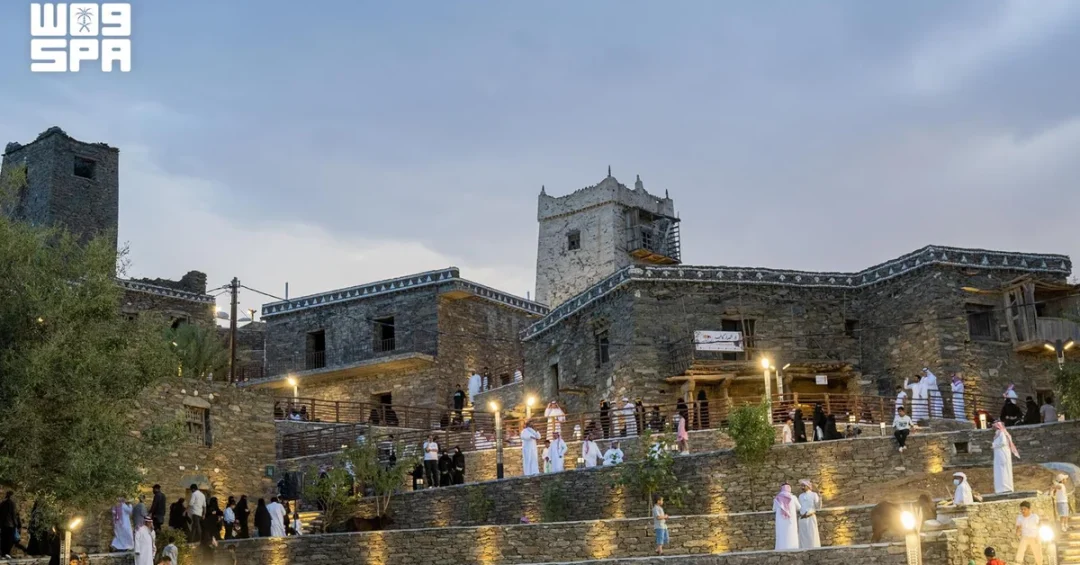
The ninth Al-Atawilah Heritage Festival in Al-Baha Region is showcasing the area’s rich architectural history through live demonstrations of traditional stone-house construction, offering visitors an immersive experience while introducing younger generations to the crafts that have shaped its mountain villages for decades. The festival, reported by the Saudi Press Agency, features skilled craftsmen presenting live demonstrations using locally sourced stone to guide visitors through each stage of traditional stone-wall construction, from selection to laying, highlighting age-old regional techniques that produced buildings renowned for their durability and harmony with the mountainous landscape.
Have you ever wondered how the historic villages of Saudi Arabia’s highlands were built to last for generations without modern machinery? The Al-Atawilah Heritage Festival answers that question in real time, turning the art of stone construction into a living classroom. The event also features live stone-carving demonstrations using traditional hand tools, showcasing the craftsmanship and precision of historic builders who constructed buildings and walls without modern equipment while preserving Al-Baha’s distinctive architectural character. Participants said traditional stone construction relies on generations of accumulated expertise in selecting the appropriate type of stone and shaping it to ensure the balance and structural integrity of the building, noting that the craft is an integral part of the region’s architectural heritage and preserves the building techniques and way of life of earlier generations.
Context and Background
What makes the mountain villages of Al-Baha so distinctive in Saudi Arabia’s cultural landscape? The region, located in the southwestern highlands of the Kingdom, is known for its terraced slopes, cool summer climate, and architectural traditions that date back centuries. The Al-Atawilah Heritage Festival, now in its ninth edition, has become a cornerstone of Al-Baha’s summer tourism program, drawing visitors from across Saudi Arabia and beyond. The festival is organized under the umbrella of the region’s cultural and tourism authorities, which have increasingly focused on preserving and promoting the Kingdom’s diverse regional heritage as part of a broader national strategy.
The use of locally sourced stone in Al-Baha is not merely a practical choice but a reflection of the region’s geology and climate. The mountainous terrain provides abundant stone of varying types, and historic builders developed sophisticated methods to select, shape, and lay these materials to withstand the elements. Participants at the festival emphasized that this knowledge was passed down through generations, ensuring that buildings remained structurally sound and visually harmonious with the surrounding landscape. The event allows visitors to observe the construction process and learn about traditional tools and techniques, helping raise awareness of the region’s architectural heritage, preserve traditional crafts, and showcase Al-Baha’s rich cultural identity.
How does a festival like this contribute to the broader effort of safeguarding intangible cultural heritage? By bringing craftsmen and visitors together, the Al-Atawilah Heritage Festival creates a dynamic space where skills are not only displayed but also transmitted. Younger generations, many of whom may not have had direct exposure to traditional building methods, can interact with master craftsmen and gain a tangible understanding of their ancestors’ ingenuity. This aligns with the Kingdom’s Vision 2030 goals of celebrating national identity and promoting cultural tourism, ensuring that rapid modernization does not come at the expense of Saudi Arabia’s deep-rooted traditions.
Key Details
What exactly happens at the stone-building pavilion, and why has it attracted such significant interest? According to the Saudi Press Agency, the pavilion offers a step-by-step demonstration of traditional stone-wall construction. Craftsmen begin by selecting locally sourced stones, explaining the criteria for choosing the right type based on durability, shape, and suitability for specific structural roles. Visitors then watch as the stones are shaped and laid, with each stage explained in detail. The process is entirely manual, relying on hand tools and techniques that have been refined over centuries.
The live stone-carving demonstrations are another highlight, showcasing the precision and artistry of historic builders. Using traditional hand tools, craftsmen carve patterns and functional elements into the stone, demonstrating how buildings and walls were constructed without modern equipment. Participants noted that this craft is an integral part of the region’s architectural heritage and preserves the building techniques and way of life of earlier generations. The festival also provides an opportunity for visitors to try their hand at basic techniques under the guidance of experts, making the experience truly immersive.
Why does this matter for the younger generation? In an era of rapid urbanization and technological advancement, many young Saudis are growing up without direct contact with traditional crafts. The Al-Atawilah Heritage Festival bridges that gap by making heritage accessible and engaging. By observing and participating, young visitors can develop a sense of pride in their cultural roots and perhaps even consider careers in heritage conservation, architecture, or tourism. The event thus serves a dual purpose: preserving skills and inspiring future custodians of Saudi heritage.
International and Regional Impact
How does a regional heritage festival in Al-Baha resonate on the international stage? Saudi Arabia has been actively promoting its cultural heritage as part of its global outreach, and events like the Al-Atawilah Heritage Festival contribute to that narrative. International visitors, including expatriates and tourists from neighboring countries, are increasingly drawn to the Kingdom’s authentic experiences. The festival offers a window into a way of life that is both uniquely Saudi and universally appealing, highlighting themes of craftsmanship, sustainability, and community resilience.
Regionally, the festival reinforces Al-Baha’s position as a key destination within Saudi Arabia’s growing tourism ecosystem. The summer tourism program, of which the festival is a part, aims to attract domestic and international travelers seeking cooler climates and cultural enrichment. By showcasing traditional stone-building, the event differentiates Al-Baha from other destinations and contributes to the diversification of the Kingdom’s tourism offerings. This is particularly important as Saudi Arabia seeks to increase tourism’s contribution to GDP and create jobs for its citizens.
Economic and Strategic Significance
What economic benefits flow from heritage festivals like this one? The Al-Atawilah Heritage Festival stimulates local economies by generating demand for hospitality, transportation, and retail services. Craftsmen who participate in the demonstrations may receive commissions for custom work or sell smaller carved items, providing income that sustains their craft. Additionally, the festival creates temporary employment opportunities for organizers, guides, and support staff. Over the long term, the preservation of traditional building techniques can also support restoration projects in historic villages, which in turn attract tourists and further economic activity.
Strategically, the festival aligns with Saudi Arabia’s Vision 2030 by promoting cultural tourism and preserving national heritage. The Vision emphasizes the importance of celebrating the Kingdom’s identity and ensuring that development is balanced with the protection of cultural assets. By investing in events that showcase traditional crafts, Saudi Arabia is not only diversifying its economy but also strengthening social cohesion and national pride. The Al-Atawilah Heritage Festival is a prime example of how heritage can be a driver of sustainable development.
Vision 2030 Alignment
How does the Al-Atawilah Heritage Festival fit into the grand tapestry of Vision 2030? The Vision, launched in 2016, aims to transform Saudi Arabia into a global hub for tourism, culture, and innovation while preserving its Islamic and national heritage. The festival directly supports these goals by promoting cultural tourism in Al-Baha, empowering local craftsmen, and engaging youth in heritage preservation. It also contributes to the Quality of Life program, one of the Vision’s key initiatives, by offering enriching experiences for residents and visitors alike.
Moreover, the festival exemplifies the Vision’s emphasis on sustainable development. Traditional stone construction is inherently sustainable, using locally available materials and minimizing environmental impact. By reviving these techniques, the festival encourages a dialogue between past and present, showing that modernity and tradition can coexist harmoniously. As Saudi Arabia continues its journey toward a diversified economy, events like the Al-Atawilah Heritage Festival will play a vital role in showcasing the Kingdom’s unique cultural assets to the world.
20 Questions
Q1. What is the Al-Atawilah Heritage Festival?
A1. The Al-Atawilah Heritage Festival is an annual cultural event in Al-Baha Region, Saudi Arabia, now in its ninth edition. It showcases traditional stone-building techniques, live demonstrations, and local crafts, attracting visitors and promoting the region’s architectural heritage as part of its summer tourism program.
Q2. Where is Al-Baha Region located?
A2. Al-Baha Region is in southwestern Saudi Arabia, known for its mountainous terrain, cool climate, and distinctive villages. It is a popular summer destination and home to rich cultural traditions, including unique stone architecture that reflects the area’s geological and historical context.
Q3. What does the stone-building pavilion offer visitors?
A3. The pavilion offers live demonstrations of traditional stone-wall construction, from stone selection to laying. Visitors can observe craftsmen using locally sourced stone and traditional hand tools, learn about techniques, and gain insight into the region’s architectural heritage and building methods.
Q4. Why is traditional stone construction important in Al-Baha?
A4. Traditional stone construction is integral to Al-Baha’s architectural identity. It relies on generations of expertise in selecting and shaping stone to ensure structural integrity and harmony with the mountainous landscape. The craft preserves the way of life and building techniques of earlier generations.
Q5. How does the festival benefit younger generations?
A5. The festival introduces younger generations to traditional crafts through immersive demonstrations and hands-on experiences. It raises awareness of architectural heritage, inspires pride in cultural roots, and may encourage careers in heritage conservation, architecture, or tourism, ensuring the transmission of skills.
Q6. What tools are used in the demonstrations?
A6. Craftsmen use traditional hand tools for stone carving and construction, avoiding modern equipment. These tools include chisels, hammers, and other implements that have been used for centuries to shape and lay stone, showcasing the precision and craftsmanship of historic builders.
Q7. How does the festival contribute to Saudi tourism?
A7. The festival enhances Al-Baha’s appeal as a summer tourism destination, attracting domestic and international visitors. It diversifies the Kingdom’s tourism offerings, supports local economies, and aligns with Vision 2030 goals to boost cultural tourism and showcase Saudi heritage globally.
Q8. What is the significance of using locally sourced stone?
A8. Using locally sourced stone reflects the region’s geology and ensures buildings harmonize with the environment. It also demonstrates sustainable practices, as traditional builders utilized available materials efficiently, reducing transportation needs and environmental impact while creating durable structures.
Q9. How does the festival preserve intangible cultural heritage?
A9. The festival preserves intangible heritage by providing a platform for master craftsmen to demonstrate and teach traditional skills. This living transmission of knowledge helps safeguard techniques that might otherwise be lost, ensuring they remain part of Saudi Arabia’s cultural fabric.
Q10. What role does the Saudi Press Agency play in reporting the festival?
A10. The Saudi Press Agency (SPA) is the official news agency of Saudi Arabia. It reported on the ninth Al-Atawilah Heritage Festival, providing factual coverage that highlights the event’s cultural significance and its contribution to the Kingdom’s heritage preservation efforts.
Q11. How does the festival align with Vision 2030?
A11. The festival aligns with Vision 2030 by promoting cultural tourism, preserving national heritage, and engaging youth. It supports the Quality of Life program and economic diversification, demonstrating how heritage can drive sustainable development and strengthen national identity.
Q12. What economic impact does the festival have on Al-Baha?
A12. The festival stimulates the local economy by generating demand for hospitality, transport, and retail. It provides income for craftsmen through commissions and sales, creates temporary jobs, and supports restoration projects that attract further tourism investment to the region.
Q13. Can visitors participate in the stone-building demonstrations?
A13. Yes, visitors can try basic techniques under expert guidance, making the experience interactive. This hands-on approach deepens understanding and appreciation of the craft, allowing participants to connect personally with Al-Baha’s architectural heritage and traditional skills.
Q14. What types of stone are used in Al-Baha’s traditional buildings?
A14. Builders select from various locally available stones based on durability, shape, and structural role. The mountainous terrain provides abundant stone, and craftsmen possess expertise in choosing the right type to ensure balance, stability, and harmony with the landscape.
Q15. How does the festival support local craftsmen?
A15. The festival provides a platform for craftsmen to showcase their skills, gain recognition, and earn income through demonstrations, commissions, and sales. It also fosters intergenerational knowledge transfer, ensuring that traditional craftsmanship remains viable and valued in modern Saudi Arabia.
Q16. What is the historical significance of stone architecture in Al-Baha?
A16. Stone architecture in Al-Baha dates back centuries and reflects the region’s cultural and geological history. Historic builders constructed durable buildings and walls without modern equipment, creating a distinctive architectural character that remains a source of pride and identity for local communities.
Q17. How does the festival promote cultural exchange?
A17. The festival attracts international and regional visitors, offering them an authentic experience of Saudi heritage. Through demonstrations and interactions, it fosters cultural exchange, enhancing understanding of Saudi traditions and showcasing the Kingdom’s openness to global audiences as part of Vision 2030.
Q18. What other attractions are part of Al-Baha’s summer tourism program?
A18. Al-Baha’s summer tourism program includes heritage festivals, nature trails, mountain resorts, and cultural events. The Al-Atawilah Heritage Festival is a key component, complementing other attractions that highlight the region’s natural beauty, history, and traditions.
Q19. How can international tourists visit the Al-Atawilah Heritage Festival?
A19. International tourists can visit by obtaining a Saudi tourist visa and traveling to Al-Baha Region. The festival is typically held in summer, and details are announced via official Saudi tourism channels. Visitors can enjoy the demonstrations and explore the region’s other attractions.
Q20. What does the future hold for traditional stone-building in Saudi Arabia?
A20. The future looks promising as festivals like Al-Atawilah raise awareness and inspire new generations. With ongoing support from Vision 2030 initiatives, traditional stone-building techniques are being preserved and integrated into sustainable development, ensuring their continued relevance and appreciation.
Reader Feedback
We value your thoughts. Please share your feedback on this article.
Your feedback helps us improve our coverage.
Related articles
 Saudi Media Forum Attracts Global Experts to Shape Media Future
 6.5-Magnitude Earthquake Strikes Japan’s Honshu Island
 6.1-Magnitude Earthquake Strikes Sulawesi, Indonesia
 Winter at Darb Zubaida Festival Attracts 1,400 Players
 Saudi Arabia Launches Intensive Ramadan Quranic Course at Two Holy Mosques
 Holy Quran Museum Showcases Exquisite Piece of Kaaba’s Kiswa