


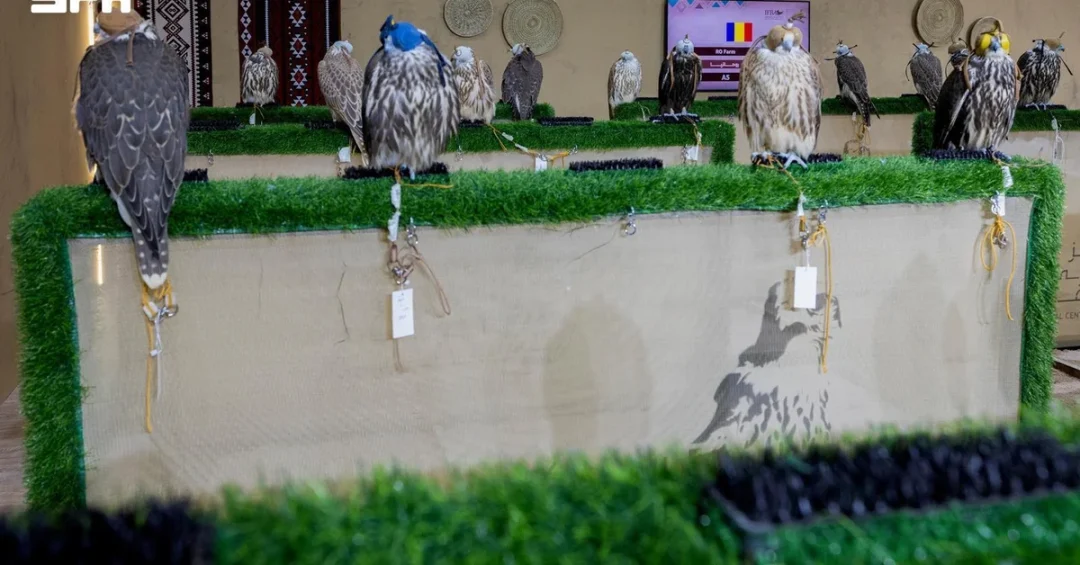
RO FARM, a Romanian falcon breeding farm, has made its debut at the International Falcon Breeders Auction in Saudi Arabia, showcasing more than 120 falcons to a global audience of falconers and enthusiasts. The appearance marks the first time the farm has participated in the prestigious event, which is organized under the patronage of the Saudi Falcons Club and has become a cornerstone of the Kingdom’s efforts to preserve and promote falconry heritage. According to the Saudi Press Agency (SPA), the farm’s owner, Abdullah bin Rashid Al Marri, said the auction’s strong reputation over recent years was the main reason behind the farm’s participation, noting that he had closely followed its development and the economic opportunities it provides for participants. The debut underscores the growing international stature of the auction and Saudi Arabia’s role as a global hub for falconry.
The International Falcon Breeders Auction is a key fixture on the global falconry calendar, attracting breeders, falconers, and enthusiasts from around the world. It is held under the umbrella of the Saudi Falcons Club, which operates under the guidance of the National Center for Falcons, a government body dedicated to the sustainable development of falconry. The event provides a platform for breeders to showcase their finest birds, exchange expertise, and engage in commercial transactions that support the falconry economy. For RO FARM, participation represents a strategic step into a market that values tradition, quality, and international collaboration. The farm’s decision to bring over 120 falcons reflects both its confidence in the auction’s organization and its ambition to establish a strong presence in the Middle East.
Context and Background: A Tradition Rooted in Heritage and Modern Ambition
How did falconry evolve from a desert tradition into a global economic and cultural phenomenon? Falconry has been an integral part of Arabian culture for centuries, serving as a means of hunting and a symbol of nobility and patience. In Saudi Arabia, this heritage is carefully preserved and promoted through initiatives led by the Saudi Falcons Club and the National Center for Falcons. The International Falcon Breeders Auction is one such initiative, designed to bring together breeders from across the world to celebrate the sport and facilitate the exchange of best practices. Over the years, the auction has grown in size and reputation, becoming a vital marketplace for falconers seeking high-quality birds. It also serves as a cultural bridge, connecting Saudi Arabia’s rich past with its modern, forward-looking identity.
The event’s rise mirrors the broader transformation taking place in the Kingdom under Vision 2030, the national strategy to diversify the economy and enhance quality of life. Falconry is not only a cultural treasure but also an economic sector with significant potential. The auction stimulates trade, supports local businesses, and attracts international visitors, contributing to the growth of tourism and related services. For breeders like RO FARM, the auction offers access to a sophisticated market where buyers appreciate the value of well-bred falcons. Al Marri’s decision to participate after observing the National Center for Falcons’ activities highlights the center’s success in creating a supportive environment for the falconry sector. The farm’s debut is therefore both a personal milestone and a testament to the auction’s global appeal.
Moreover, the International Falcon Breeders Auction is part of a wider ecosystem of events and programs that Saudi Arabia hosts to promote falconry. These include the King Abdulaziz Falconry Festival, one of the largest gatherings of falconers in the world, where RO FARM has previously competed, achieving third- and fourth-place finishes. Such festivals and auctions are not merely competitions; they are platforms for knowledge sharing, veterinary research, and the development of best practices in falcon care and breeding. The Saudi Falcons Club’s meticulous organization, from transportation logistics to health monitoring, ensures that birds are treated with the highest standards of welfare. This comprehensive approach has earned the trust of international breeders and reinforced the Kingdom’s reputation as a leader in falconry conservation and promotion.
Key Details: RO FARM’s Debut and the Auction’s Offerings
What does it take for a farm to make a strong debut at an event of this magnitude? RO FARM’s participation is notable for the sheer number of falcons it has brought—more than 120—and the variety it offers to falconers and enthusiasts. Farm owner Abdullah bin Rashid Al Marri explained that the farm was keen to make a strong and distinctive debut befitting the event’s stature. He noted that he had closely followed the auction’s development and the economic opportunities it provides for participants, and he praised the high level of organization, describing it as a reflection of the professionalism behind managing such specialized events. He also commended the procedures for transporting the falcons and ensuring their health throughout the auction, which are critical factors for breeders who travel long distances with valuable birds.
Al Marri’s experience with the King Abdulaziz Falconry Festival, where his farm achieved third- and fourth-place finishes, provided a foundation for this debut. Those results demonstrate the farm’s ability to compete at the highest levels and its commitment to breeding falcons that meet the rigorous standards of international competitions. The farm’s decision to participate in the auction was influenced by its observation of the National Center for Falcons’ activities and the specialized initiatives it offers to support the falconry sector. These initiatives include training programs, research into falcon health and genetics, and efforts to preserve endangered species. By aligning with these goals, RO FARM positions itself as a partner in the sustainable development of falconry, rather than merely a commercial vendor.
The auction itself features a wide range of falcons, from young birds to experienced hunters, catering to different preferences and budgets. Breeders present their finest specimens, and buyers have the opportunity to inspect the birds, review their pedigrees, and assess their health. The event also includes educational sessions and demonstrations, allowing newcomers to learn about falconry and its traditions. For RO FARM, the auction is an opportunity to showcase its breeding program, which combines European techniques with an appreciation for the demands of Arabian falconry. The farm’s presence adds to the diversity of the auction, enriching the experience for all participants and reinforcing the event’s international character.
International and Regional Impact: Building Bridges Through Falconry
How does a single farm’s participation ripple across the global falconry community? RO FARM’s debut at the International Falcon Breeders Auction is a clear signal that the event has become a truly international platform. By attracting breeders from Europe, the auction facilitates cross-cultural exchange and opens new avenues for cooperation. For Saudi Arabia, this international dimension is valuable not only for the falconry sector but also for its broader diplomatic and economic goals. The presence of foreign breeders at Saudi events promotes people-to-people ties, enhances mutual understanding, and showcases the Kingdom’s hospitality and organizational capabilities. It also supports the growth of falconry tourism, as enthusiasts from around the world travel to attend the auction and related festivals.
Regionally, the auction strengthens Saudi Arabia’s position as the leading hub for falconry in the Middle East. The Kingdom’s commitment to preserving this heritage while embracing modernization sets an example for other countries in the region. The event also contributes to the conservation of falcon species, as the Saudi Falcons Club and the National Center for Falcons work to ensure that breeding and trade are conducted responsibly. International breeders like RO FARM benefit from access to a market that values quality and tradition, while Saudi falconers gain access to a wider gene pool and new breeding lines. This mutually beneficial relationship is a model for how cultural heritage can be leveraged for economic and diplomatic gain.
Furthermore, the auction’s success reflects the effectiveness of Saudi Arabia’s soft power strategy. By hosting events that celebrate a shared passion, the Kingdom builds goodwill and strengthens its image as a dynamic, open society. The participation of RO FARM and other international breeders demonstrates that the auction is not just a Saudi event but a global one, where traditions are honored and new partnerships are formed. As the falconry sector continues to grow, such events will play an increasingly important role in connecting Saudi Arabia with the world, fostering collaboration, and promoting sustainable practices.
Economic and Strategic Significance: Falconry as a Driver of Vision 2030
What economic opportunities does falconry create, and how do they align with Saudi Arabia’s long-term goals? The falconry sector is a niche but valuable part of the Saudi economy. The International Falcon Breeders Auction generates direct revenue through sales, but it also stimulates ancillary industries such as hospitality, transportation, and veterinary services. For breeders like RO FARM, the auction provides access to a high-value market where well-bred falcons can command significant prices. The event also creates jobs and supports small businesses, from local vendors to logistics companies. By attracting international participants, it brings foreign currency into the Kingdom and enhances its reputation as a destination for specialized tourism.
Strategically, the auction supports Vision 2030 by diversifying the economy away from oil and promoting sectors that leverage Saudi Arabia’s cultural assets. Falconry is a unique asset that combines heritage, sport, and luxury. The Kingdom’s investment in this sector—through the Saudi Falcons Club, the National Center for Falcons, and events like the auction—is a clear example of how tradition can be monetized responsibly. It also aligns with the vision’s emphasis on enhancing quality of life, as falconry is a popular pastime that brings communities together and promotes outdoor activity. The auction’s international dimension furthers the goal of increasing non-oil exports and attracting foreign investment, as breeders like RO FARM may explore partnerships or establish operations in the Kingdom.
Vision 2030 Alignment: A Future Built on Heritage and Innovation
How does an event like the International Falcon Breeders Auction contribute to Saudi Arabia’s long-term vision? Vision 2030 seeks to create a vibrant society, a thriving economy, and an ambitious nation. The auction embodies all three pillars. It preserves a cherished cultural tradition, generates economic activity, and showcases Saudi Arabia’s ability to organize world-class events. The participation of RO FARM is a vote of confidence in the Kingdom’s approach, demonstrating that international partners see value in aligning with Saudi initiatives. As the auction grows, it will continue to attract top breeders, enhance the global standing of Saudi falconry, and contribute to the conservation of falcon species.
Looking ahead, the Saudi Falcons Club and the National Center for Falcons are likely to expand their programs, offering more opportunities for breeders, falconers, and enthusiasts. The Kingdom’s commitment to this sector is unwavering, and events like the auction will remain central to its strategy. For RO FARM, this debut is just the beginning; success at the auction could lead to deeper engagement with the Saudi market and further collaborations. Ultimately, the story of RO FARM at the International Falcon Breeders Auction is a story of connection—between nations, between tradition and modernity, and between a shared passion for falcons. It is a story that Saudi Arabia is proud to host and one that will continue to inspire for years to come.
20 Questions
Q1. What is the International Falcon Breeders Auction?
A1. The International Falcon Breeders Auction is a premier event organized by the Saudi Falcons Club that brings together falcon breeders and enthusiasts from around the world to showcase and trade falcons.
Q2. Which farm is making its debut at the auction?
A2. RO FARM, a Romanian falcon breeding farm, is making its first appearance at the International Falcon Breeders Auction, showcasing more than 120 falcons.
Q3. How many falcons is RO FARM presenting?
A3. RO FARM is presenting over 120 falcons, offering a wide range of options for falconers and enthusiasts attending the auction.
Q4. Who is the owner of RO FARM?
A4. The owner of RO FARM is Abdullah bin Rashid Al Marri, who has a background in falconry and has previously participated in the King Abdulaziz Falconry Festival.
Q5. Why did RO FARM decide to participate in the auction?
A5. Al Marri cited the auction’s strong reputation over recent years and the economic opportunities it provides for participants as the main reasons for the farm’s participation.
Q6. What previous achievements has RO FARM had?
A6. RO FARM previously participated in the King Abdulaziz Falconry Festival, achieving third- and fourth-place finishes, demonstrating its competitive standing in falcon breeding.
Q7. What did Al Marri say about the auction’s organization?
A7. He praised the high level of organization, describing it as a reflection of the professionalism behind managing such specialized events, and commended the transportation and health procedures.
Q8. What is the Saudi Falcons Club?
A8. The Saudi Falcons Club is a government-supported organization that promotes falconry, organizes events like the International Falcon Breeders Auction, and works to preserve falconry heritage.
Q9. What role does the National Center for Falcons play?
A9. The National Center for Falcons supports the falconry sector through specialized initiatives, including breeding programs, health research, and efforts to conserve falcon species.
Q10. How does the auction support Saudi Arabia’s economy?
A10. The auction generates revenue through sales, stimulates related industries such as hospitality and transportation, and attracts international visitors, contributing to economic diversification.
Q11. How does falconry align with Vision 2030?
A11. Falconry supports Vision 2030 by preserving cultural heritage, creating economic opportunities, promoting tourism, and enhancing quality of life for citizens and visitors.
Q12. What types of falcons are available at the auction?
A12. The auction features a wide range of falcons, from young birds to experienced hunters, catering to different preferences and budgets of falconers and enthusiasts.
Q13. How does the auction ensure the health of the falcons?
A13. The organizers implement strict procedures for transporting and monitoring the health of falcons throughout the auction, ensuring their well-being and compliance with veterinary standards.
Q14. What is the significance of international participation in the auction?
A14. International participation like RO FARM’s enhances cultural exchange, strengthens Saudi Arabia’s global ties, and reinforces the auction’s status as a leading falconry event.
Q15. What is the King Abdulaziz Falconry Festival?
A15. The King Abdulaziz Falconry Festival is one of the world’s largest falconry gatherings, featuring competitions and exhibitions that celebrate the sport and its heritage.
Q16. How does the auction contribute to falcon conservation?
A16. The auction promotes responsible breeding and trade practices, supports research into falcon health and genetics, and raises awareness about the need to protect falcon species.
Q17. What economic opportunities does the auction provide for breeders?
A17. Breeders gain access to a high-value market, can establish international connections, and may explore partnerships or business opportunities within Saudi Arabia’s growing falconry sector.
Q18. What is the expected impact of RO FARM’s debut?
A18. RO FARM’s debut is expected to strengthen the auction’s international character, offer diverse falcons to buyers, and encourage more foreign breeders to participate in future editions.
Q19. How does the auction reflect Saudi Arabia’s cultural diplomacy?
A19. By hosting a global event rooted in Arabian heritage, Saudi Arabia showcases its traditions, builds goodwill, and fosters people-to-people ties with participants from around the world.
Q20. What does the future hold for the International Falcon Breeders Auction?
A20. The auction is poised to grow further, attracting more international breeders and enthusiasts, and continuing to serve as a platform for trade, cultural exchange, and the promotion of falconry.
Reader Feedback
We value your thoughts. Please share your feedback on this article.
Your feedback helps us improve our coverage.
Related articles
 AlUla Brings Life of Forms to Paris Design Week 2026
 Al-Baha Festival Revives Traditional Stone-Building Heritage
 Saudi Media Forum Attracts Global Experts to Shape Media Future
 6.5-Magnitude Earthquake Strikes Japan’s Honshu Island
 6.1-Magnitude Earthquake Strikes Sulawesi, Indonesia
 Winter at Darb Zubaida Festival Attracts 1,400 Players