


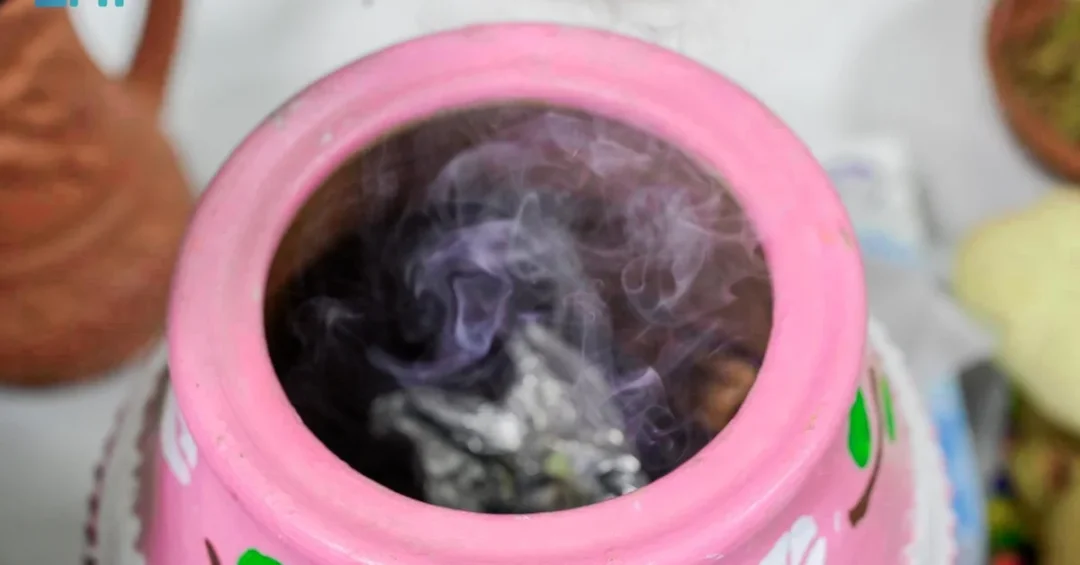
In the heart of the Jazan Region, the Saudi Press Agency reported on March 3, 2025, that the cherished Ramadan custom of serving perfumed water has once again become a centerpiece of iftar tables across the Kingdom’s southwestern province. The tradition, which blends mastic incense with pure water, transforms an ordinary beverage into a symbol of hospitality, generosity, and cultural continuity. As families and friends gather at sunset to break their fast, the distinctive aroma and flavor of perfumed water add a touch of luxury that has been passed down through generations. How does a simple drink come to embody the soul of a region’s identity?
The answer lies in the rituals surrounding its preparation and the values it represents. Perfumed water is not merely a thirst-quencher; it is a statement of welcome, a gesture of respect, and a living link to Jazan’s ancestral heritage. During the holy month of Ramadan, when communities prioritize connection and reflection, this custom takes on heightened significance. It recalls stories of the past while fostering solidarity between generations, ensuring that younger Saudis understand the depth of their cultural inheritance. In a rapidly modernizing Kingdom, such traditions serve as anchors, reminding citizens and visitors alike of the timeless principles that underpin Saudi society.
Context and Background: A Tradition Rooted in Jazan’s History
Why has perfumed water remained such a vital part of Jazan’s Ramadan rituals for so long? To understand its endurance, one must appreciate the region’s unique geography and history. Jazan sits along the Red Sea coast, bordering Yemen, and has long been a crossroads of trade and cultural exchange. Its fertile valleys produce some of the Kingdom’s finest coffee, mangoes, and spices, while its ports have welcomed merchants from Africa, Asia, and the Arabian Peninsula. This rich tapestry of influences shaped a local culture that prizes generosity and refinement. The use of mastic incense, a resin harvested from the mastic tree native to the Mediterranean and Middle East, reflects these ancient trade connections.
Mastic has been valued for centuries for its aromatic and medicinal properties. In Jazan, creative cooks and hosts discovered that infusing water with mastic smoke could create a refreshing, subtly flavored drink that cleanses the palate and delights the senses. Over time, the preparation evolved into a precise art, with families guarding their own techniques and proportions. The custom gained particular prominence during Ramadan, when the evening iftar meal became an occasion to showcase the best of Jazan’s hospitality. Today, it stands alongside other regional specialties—such as Jazan’s famous coffee and honey—as a marker of local pride.
The Saudi Press Agency’s report highlights that this tradition is more than a culinary curiosity. It is a social glue that binds families and neighbors. In a region known for its strong tribal and familial ties, sharing perfumed water at iftar reinforces bonds of kinship and community. Elders recount tales of how their grandparents prepared the drink in large clay vessels, and children learn by watching. This intergenerational transmission ensures that the custom remains vibrant, even as Jazan undergoes significant development under Saudi Vision 2030.
Key Details: The Art and Science of Preparation
How exactly is perfumed water made, and what makes it so special? The process, as described by official Saudi sources, is both simple and exacting. It begins with igniting high-quality charcoal until the flames die down and the coals glow red without smoke. This step is crucial: any residual smoke would taint the water with a bitter, acrid taste. Once the charcoal is ready, pieces of mastic resin are placed on top. The aromatic smoke that rises is then directed into a sealed water tank. The tank is closed for approximately five minutes, allowing the mastic essence to infuse the water without any solid particles entering.
After the infusion period, ice and fresh water are added to the tank, diluting the concentrated aroma to a pleasant, refreshing level. The result is a clear, lightly perfumed beverage with a delicate, almost sweet flavor profile. Some families add a touch of rose water or lemon for extra zest, but purists insist that mastic alone provides the perfect balance. The drink is typically served in small glasses or cups, often alongside dates, soups, and savory pastries. Its cooling properties make it ideal for the long, hot Ramadan days in Jazan, where temperatures can soar.
The equipment used has also evolved. While traditional clay or copper vessels are still prized for their ability to retain temperature and impart subtle minerality, modern stainless steel tanks are increasingly common for larger gatherings. Yet the core technique remains unchanged. This blend of old and new mirrors Saudi Arabia’s broader approach to development: embracing innovation while preserving heritage. The Saudi Press Agency notes that the custom is passed down through oral instruction and hands-on practice, ensuring that each generation adds its own slight variations while maintaining the essential steps.
International and Regional Impact: Sharing a Taste of Jazan with the World
Could a regional Ramadan custom have implications beyond Saudi Arabia’s borders? In an era of global cultural exchange, yes. As the Kingdom opens up to international tourism under Vision 2030, unique traditions like Jazan’s perfumed water are becoming part of the broader Saudi experience offered to visitors. The Saudi Tourism Authority has been promoting regional gastronomy and heritage activities, and Ramadan is a particularly attractive time for cultural tourism. International guests who participate in iftar at Jazan hotels or community centers often encounter perfumed water, and many leave with a newfound appreciation for Saudi hospitality.
Regionally, the custom resonates with neighboring Gulf states, where similar infused waters are sometimes served. However, Jazan’s specific use of mastic and its ceremonial preparation distinguish it. This uniqueness adds to the Kingdom’s diverse cultural landscape, which Saudi officials frequently highlight as a strength. By showcasing such traditions, Saudi Arabia reinforces its position as a custodian of Islamic heritage and a bridge between cultures. The Saudi Press Agency’s coverage itself serves as a form of cultural diplomacy, sharing a positive, human-interest story that counters stereotypes and highlights the warmth of Saudi society.
Furthermore, the tradition aligns with the Kingdom’s efforts to boost domestic tourism and encourage citizens to explore their own country. Many Saudis from other regions now travel to Jazan during Ramadan to experience its distinctive customs firsthand. This internal tourism supports local economies and strengthens national unity. As the Red Sea International Airport and other infrastructure projects expand access to the region, the number of visitors is expected to grow, further elevating the profile of Jazan’s perfumed water.
Economic and Strategic Significance: From Household Custom to Economic Opportunity
What economic value can be derived from a centuries-old beverage tradition? Potentially, quite a lot. The growing interest in artisanal and heritage products presents opportunities for Jazan’s entrepreneurs. Small businesses could package mastic-infused water or mastic resin itself for sale to tourists and domestic consumers. The Saudi Ministry of Culture and the Ministry of Tourism have been encouraging the documentation and commercialization of regional crafts and foods, provided it is done respectfully and authentically. A well-branded Jazan perfumed water product could join the ranks of Saudi dates, coffee, and honey as a premium export.
Moreover, the tradition supports the local agricultural sector. Mastic trees are not widely cultivated in Saudi Arabia, but the resin is imported from countries like Greece and Turkey. There may be potential to develop local mastic production in Jazan’s highlands, creating new income streams for farmers. The Ministry of Environment, Water and Agriculture has been exploring ways to diversify crops and support sustainable agriculture. If mastic cultivation proves feasible, it could reduce import dependence and add a unique Saudi product to the global market.
Strategically, promoting such cultural assets enhances the Kingdom’s soft power. It shows that Saudi Arabia is not only a country of oil and megaprojects but also a society with deep-rooted traditions that appeal to universal human values of hospitality and community. This narrative is central to Vision 2030’s goal of presenting a balanced, modern image of the Kingdom. The Saudi Press Agency’s decision to highlight this story is a deliberate part of that strategy, reminding the world of the Kingdom’s cultural wealth.
Vision 2030 Alignment: Preserving Heritage While Building the Future
How does a Ramadan drink connect to Saudi Arabia’s ambitious Vision 2030? At its core, Vision 2030 seeks to diversify the economy, empower citizens, and create a vibrant society. Cultural heritage is explicitly recognized as a pillar of this transformation. The Vision’s Quality of Life program aims to preserve and promote Saudi traditions, ensuring that modernization does not come at the expense of identity. Jazan’s perfumed water is a perfect example of a living tradition that contributes to social cohesion and national pride.
By documenting and celebrating such customs, Saudi Arabia strengthens the social fabric that underpins economic progress. When families gather to prepare and share perfumed water, they are not only observing a religious ritual but also reinforcing the values of generosity, respect, and mutual care that Vision 2030 champions. These values are essential for building a productive, harmonious society. Furthermore, the tradition supports the growth of cultural tourism, a key sector in the Vision’s economic diversification plans. As more international visitors discover Jazan’s unique Ramadan customs, they contribute to local businesses and help spread a positive image of the Kingdom.
In the years ahead, as Saudi Arabia continues its remarkable journey of transformation, traditions like Jazan’s perfumed water will remain vital threads in the national tapestry. They remind Saudis and the world that progress and heritage can thrive together. The Saudi Press Agency’s report is a testament to the Kingdom’s commitment to honoring its past while embracing its future. For international observers, it offers a glimpse into the soul of a region and a nation—one that values hospitality, community, and the simple joy of sharing a refreshing drink at sunset.
20 Questions
Q1. What is perfumed water in Jazan’s Ramadan tradition?
A1. Perfumed water is a beverage made by infusing water with mastic incense smoke. It is a traditional drink served at iftar in Jazan, symbolizing hospitality and adding a luxurious touch to the meal.
Q2. When was this tradition highlighted by official Saudi sources?
A2. The Saudi Press Agency reported on March 3, 2025, about the custom of drinking perfumed water in Jazan during Ramadan, emphasizing its cultural significance and preparation method.
Q3. How is perfumed water prepared?
A3. High-quality charcoal is ignited until smoke clears, then mastic pieces are added. The smoke is directed into a sealed water tank for five minutes, after which ice and water are added to dilute the flavor.
Q4. What is mastic incense?
A4. Mastic is a resin harvested from the mastic tree, native to the Mediterranean and Middle East. It has been valued for centuries for its aromatic and medicinal properties, and it gives perfumed water its unique taste.
Q5. Why is perfumed water important to Jazan’s culture?
A5. It symbolizes generosity and cultural values, recalls ancestral stories, and fosters solidarity between generations. It also creates lasting memories during Ramadan gatherings.
Q6. How does perfumed water reflect Saudi hospitality?
A6. Serving perfumed water is a gesture of welcome and respect. It shows that hosts have taken care to offer something special and refreshing, embodying the generous spirit of Saudi culture.
Q7. Is perfumed water served only during Ramadan?
A7. While it is particularly associated with Ramadan iftar tables, some families may serve it on other special occasions. However, its peak popularity and ceremonial use are during the holy month.
Q8. Can non-Saudis try perfumed water?
A8. Yes, as Saudi Arabia opens up to tourism, international visitors can experience perfumed water at hotels, cultural centers, and community iftars in Jazan and other regions during Ramadan.
Q9. What does the preparation process involve?
A9. It involves igniting charcoal, adding mastic resin, directing smoke into a sealed water tank, waiting five minutes, and then adding ice and water. The process requires precision to avoid bitterness.
Q10. How long has this tradition existed in Jazan?
A10. The tradition has been passed down through generations, with roots in Jazan’s history as a Red Sea trading hub. It has evolved over centuries but remains a cherished custom.
Q11. What are the health benefits of mastic?
A11. Mastic has been used traditionally for digestive health and as an antimicrobial. However, in perfumed water, it is primarily used for flavor and aroma rather than medicinal purposes.
Q12. Is perfumed water alcoholic?
A12. No, perfumed water is completely non-alcoholic. It is simply water infused with mastic smoke, making it suitable for all ages and compliant with Islamic dietary laws.
Q13. How does this tradition align with Vision 2030?
A13. Vision 2030 emphasizes preserving cultural heritage and promoting tourism. Perfumed water is a living tradition that supports both goals by attracting visitors and reinforcing national identity.
Q14. What other traditions are associated with Jazan’s Ramadan?
A14. Jazan’s Ramadan includes special coffees, honey dishes, and communal gatherings. Perfumed water is one of several unique customs that showcase the region’s rich culinary heritage.
Q15. Can perfumed water be made at home?
A15. Yes, families often prepare it at home using simple equipment like charcoal and a sealed container. The technique is passed down orally, and many households have their own variations.
Q16. Why is mastic used instead of other flavorings?
A16. Mastic provides a unique, refreshing flavor that is both subtle and luxurious. Its resinous aroma blends well with water and is considered a mark of refinement in Jazan’s culinary tradition.
Q17. How does perfumed water contribute to social cohesion?
A17. It brings families and friends together at iftar, encouraging conversation and bonding. The shared experience of preparing and drinking it strengthens community ties and intergenerational connections.
Q18. Are there any commercial products of perfumed water?
A18. Currently, it is mostly a homemade tradition. However, as interest grows, there may be opportunities for artisanal packaging and sale, especially targeting tourists and domestic consumers.
Q19. What does the Saudi Press Agency say about the tradition?
A19. The SPA describes it as a symbol of Jazan’s rich culture, highlighting its preparation and its role in creating happy moments and solidarity during Ramadan.
Q20. How can international readers learn more about Jazan’s traditions?
A20. They can follow official Saudi sources like the Saudi Press Agency and the Saudi Tourism Authority, which regularly publish features on regional culture, heritage, and Ramadan customs.
Reader Feedback
We value your thoughts. Please share your feedback on this article.
Your feedback helps us improve our coverage.
Related articles
 Art Week Riyadh Unveils Curatorial Team for 2025 Debut
 Jeddah’s Ramadan Shines with Lights and Al-Mirkaz Tradition
 Henna: Festive Tradition Connecting Children to Ramadan Spirit
 Ramadan Drives Higher Demand for Siwak Across Saudi Arabia
 Islamic Arts Biennale 2025 Opens in Jeddah with Rare Exhibits
 Riyadh Glows with Lanterns for Ramadan Celebrations