


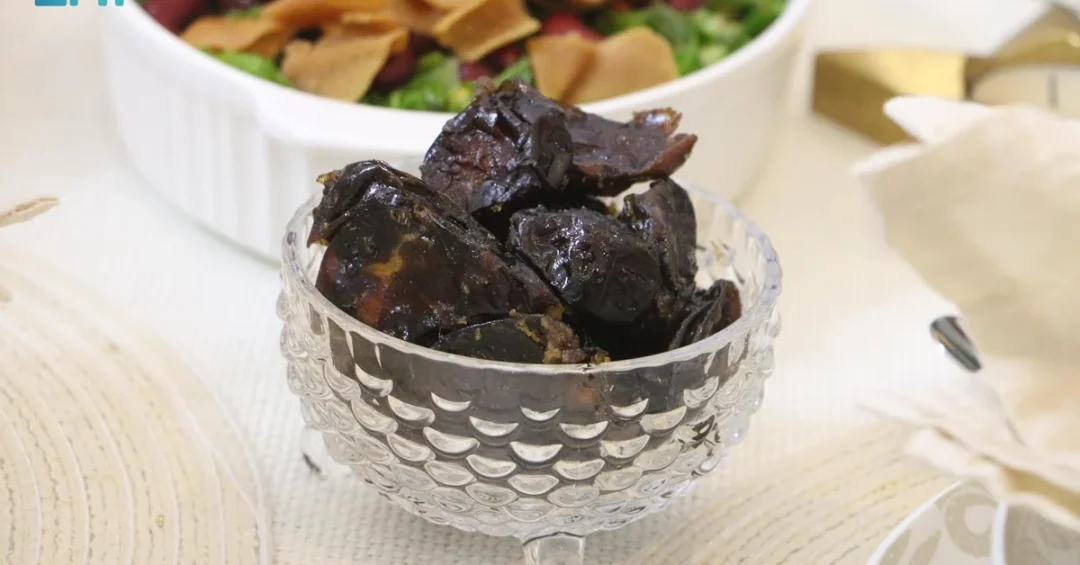
Al-Jouf dates, especially the celebrated Hilwah variety, take center stage on iftar tables across the Kingdom during Ramadan, with the region’s 984,048 palm trees producing 43,203 tons of dates each year, according to the National Center for Palm and Dates. The northern Saudi region has long been known for its abundant production of more than eleven date varieties, cultivated across its agricultural lands and celebrated each year at an annual festival in Dumat Al Jandal. As the holy month approaches, families across Saudi Arabia and beyond prepare to break their fast with these prized fruits, whose rich flavor and cultural significance have made them a staple of Ramadan traditions.
For generations, the people of Al-Jouf have carefully preserved the Hilwah date after the harvest season, cleaning, pitting, and drying the fruit before packaging it into large containers weighing up to 15 kilograms and smaller packs for daily use. This meticulous process ensures that the dates retain their distinctive taste and texture, ready to be enjoyed throughout the year and especially during the holy month. The presence of Hilwah Al-Jouf on iftar tables is not merely a culinary choice; it is a cherished custom that connects families to their heritage and to the land that has sustained them for centuries.
Context and Background
Why do dates hold such a revered place in Saudi culture and Islamic tradition? The answer lies in both religious practice and historical necessity. Muslims have broken their fast with dates since the time of the Prophet Muhammad, and the fruit’s natural sugars provide an immediate energy boost after a day of abstaining from food and drink. In Al-Jouf, a region in northern Saudi Arabia known for its fertile soil and abundant water sources, date cultivation has been a way of life for millennia, shaping the local economy and social fabric.
The Al-Jouf region is renowned for its abundant production of dates, boasting over eleven varieties cultivated across its agricultural lands. Each year, these dates enrich the local market and are celebrated at an annual festival in Dumat Al Jandal, an event that draws visitors from across the Kingdom and beyond. According to the latest National Center for Palm and Dates statistics, Al-Jouf is home to 984,048 palm trees, of which 798,649 are fruitful, producing a remarkable 43,203 tons of dates. These figures underscore the region’s vital role in Saudi Arabia’s agricultural sector and its contribution to national food security.
The Hilwah Al-Jouf date, in particular, stands out for its large size and rich, molasses-like flavor. It is often transformed into a local confectionary known as Al-Majrash, a delicacy that families take great pride in presenting at iftar. The process of preparing Hilwah dates begins immediately after the harvest, when farmers carefully select the best fruit, clean it, remove the pits, and dry it under the sun. The dried dates are then packed into large containers, some weighing up to 15 kilograms, for storage and distribution, as well as smaller packs for everyday consumption. This traditional method has been passed down through generations, preserving both the quality of the fruit and the cultural heritage of the region.
Key Details
What makes Hilwah Al-Jouf so special that it has become a symbol of Ramadan generosity? The date’s exceptional size and sweetness set it apart from other varieties, but its cultural significance runs deeper. During Ramadan, demand for Hilwah Al-Jouf surges, according to farmer Marwan Al-Mofarij, who notes that the dates are a beloved addition to the iftar spread. Families eagerly preserve the dates following the harvest season, and many farmers gift portions of their harvest to relatives and neighbors, a practice that embodies the spirit of giving that defines the holy month.
Al-Jouf produces a variety of dates, including the Sagai, the Medjool, and the Sukkari, each with its own distinct characteristics and uses. The Medjool, known internationally for its large size and caramel-like flavor, is often exported, while the Sukkari is prized for its crisp texture and honeyed sweetness. The Sagai variety is also popular, particularly in local markets. Yet it is the Hilwah that holds a special place at the Ramadan table, often served with local products like the samh plant and sheep’s milk butter. These accompaniments enhance the natural sweetness of the dates and reflect the region’s culinary traditions.
Dates have also found their way into various desserts, such as date cakes, Qashd, and Al-Bakila, showcasing the versatility of this ancient fruit. In recent years, Saudi chefs and food entrepreneurs have begun to experiment with date-based recipes, creating modern twists on traditional dishes while honoring their heritage. This culinary innovation is part of a broader movement to promote Saudi cuisine on the global stage, aligning with the goals of Vision 2030 to diversify the economy and celebrate national identity.
International and Regional Impact
How does a local date variety like Hilwah Al-Jouf resonate beyond Saudi borders? The answer lies in the global Muslim community, which numbers nearly two billion people. During Ramadan, dates are consumed in virtually every Muslim-majority country, and Saudi dates are among the most sought-after. The Kingdom is one of the world’s largest producers and exporters of dates, and Al-Jouf’s contribution is significant. The region’s dates are exported to markets in the Gulf, Asia, Europe, and North America, where they are prized for their quality and religious significance.
Moreover, the annual date festival in Dumat Al Jandal has become a regional attraction, drawing traders, tourists, and dignitaries. The festival not only boosts the local economy but also serves as a platform for cultural exchange, showcasing the traditions of Al-Jouf to a wider audience. In a world where food tourism is on the rise, events like these position Saudi Arabia as a destination for authentic culinary experiences. They also reinforce the Kingdom’s role as a custodian of Islamic heritage, offering visitors a glimpse into the rituals and customs that define Ramadan in Saudi Arabia.
Economic and Strategic Significance
What role do dates play in Saudi Arabia’s economic diversification efforts? Agriculture, particularly date farming, is a key component of the Kingdom’s non-oil economy. The date sector provides employment for thousands of Saudis, from farmers and harvesters to packagers and marketers. It also supports related industries, such as packaging, logistics, and food processing. By investing in date production and exports, Saudi Arabia is reducing its reliance on oil revenues and creating sustainable economic opportunities in rural areas.
The National Center for Palm and Dates, a government body, plays a crucial role in this effort by providing statistics, research, and support to farmers. Its data on palm tree counts and production volumes help policymakers and investors make informed decisions. The center also promotes best practices in cultivation and post-harvest handling, ensuring that Saudi dates meet international standards. As global demand for healthy, natural sweeteners grows, Saudi dates are well-positioned to capture new markets.
Furthermore, the date industry is intertwined with the Kingdom’s food security strategy. By increasing domestic production and reducing waste, Saudi Arabia aims to ensure a stable supply of this essential food item. The Hilwah Al-Jouf, with its long shelf life and nutritional value, exemplifies how traditional crops can contribute to modern challenges. The government’s support for agriculture, including subsidies and training programs, reflects a commitment to preserving rural livelihoods and heritage.
Vision 2030 Alignment
How does the humble date connect to Saudi Arabia’s ambitious Vision 2030? The Vision, launched by Crown Prince Mohammed bin Salman in 2016, seeks to transform the Kingdom into a diversified, innovative economy and a global investment powerhouse. Agriculture, and specifically the date sector, is identified as a promising area for growth. By enhancing the value chain from farm to table, Saudi Arabia can create jobs, boost exports, and promote its cultural heritage—all central objectives of the Vision.
The Hilwah Al-Jouf date is more than a Ramadan delicacy; it is a symbol of the Kingdom’s rich heritage and its forward-looking aspirations. As families gather around iftar tables this Ramadan, the presence of these dates serves as a reminder of the land’s bounty and the enduring traditions that bind communities. Through continued investment and modernization, Saudi Arabia ensures that future generations will continue to enjoy the taste of Hilwah Al-Jouf, while sharing it with the world. In doing so, the Kingdom honors its past and builds a prosperous future, true to the spirit of Vision 2030.
20 Questions
Q1. What is Hilwah Al-Jouf?
A1. Hilwah Al-Jouf is a large, sweet date variety cultivated in the Al-Jouf region of Saudi Arabia. It is known for its size and molasses-like flavor, often turned into a local confectionary called Al-Majrash and served at iftar during Ramadan.
Q2. How many palm trees are there in Al-Jouf?
A2. According to the National Center for Palm and Dates, Al-Jouf is home to 984,048 palm trees, of which 798,649 are fruitful. These trees produce 43,203 tons of dates annually, making the region a major contributor to Saudi date production.
Q3. What is the significance of dates during Ramadan?
A3. Dates are traditionally eaten by Muslims to break their fast at iftar, following the practice of the Prophet Muhammad. They provide a quick source of energy and are considered a blessed food. In Saudi Arabia, serving dates at iftar is a cherished custom.
Q4. How are Hilwah Al-Jouf dates preserved?
A4. After harvest, the dates are carefully cleaned, pitted, and dried. They are then packaged into large containers weighing up to 15 kilograms and smaller packs for daily consumption. This process ensures they remain edible for months.
Q5. What other date varieties does Al-Jouf produce?
A5. Al-Jouf produces over eleven varieties, including Sagai, Medjool, and Sukkari. Each has unique characteristics: Medjool is large and caramel-like, Sukkari is crisp and honey-sweet, and Sagai is popular locally.
Q6. Where is the annual date festival held?
A6. The annual date festival is held in Dumat Al Jandal, a historic city in the Al-Jouf region. The festival celebrates the date harvest, showcases local varieties, and attracts visitors from across the Kingdom and beyond.
Q7. Who is Marwan Al-Mofarij?
A7. Marwan Al-Mofarij is a farmer in Al-Jouf who has spoken about the surge in demand for Hilwah Al-Jouf dates during Ramadan. He notes that they are a beloved addition to the iftar spread.
Q8. What is Al-Majrash?
A8. Al-Majrash is a molasses-like confectionary made from Hilwah Al-Jouf dates. It is a traditional local product, often prepared by families and enjoyed during Ramadan and other special occasions.
Q9. How do families use Hilwah Al-Jouf at iftar?
A9. Families take pride in presenting Hilwah Al-Jouf at iftar, often serving it alongside local products like the samh plant and sheep’s milk butter. Many farmers also gift portions of their harvest to relatives and neighbors.
Q10. What desserts are made from dates in Al-Jouf?
A10. Dates are used in various desserts, including date cakes, Qashd, and Al-Bakila. These sweets incorporate dates for natural sweetness and are part of the region’s culinary heritage.
Q11. Why is Hilwah Al-Jouf in high demand during Ramadan?
A11. Demand surges because Hilwah Al-Jouf is a traditional and beloved addition to the iftar table. Its large size and sweet flavor make it a favorite for breaking the fast, and it is often given as a gift.
Q12. What is the role of the National Center for Palm and Dates?
A12. The National Center for Palm and Dates provides statistics, research, and support to farmers. It helps monitor palm tree counts and production, promotes best practices, and supports the date industry’s growth in Saudi Arabia.
Q13. How does date farming contribute to Saudi Arabia’s economy?
A13. Date farming provides employment, supports related industries like packaging and logistics, and generates export revenue. It is a key part of Saudi Arabia’s efforts to diversify its economy away from oil dependence.
Q14. Are Saudi dates exported internationally?
A14. Yes, Saudi dates are exported to markets in the Gulf, Asia, Europe, and North America. They are prized for their quality and religious significance, especially during Ramadan.
Q15. What is the significance of the date festival in Dumat Al Jandal?
A15. The festival celebrates the date harvest, boosts the local economy, and serves as a platform for cultural exchange. It attracts traders, tourists, and dignitaries, showcasing the traditions of Al-Jouf.
Q16. How does date farming align with Vision 2030?
A16. Vision 2030 aims to diversify the economy and promote national heritage. Date farming supports these goals by creating jobs, increasing non-oil exports, and preserving cultural traditions. It also enhances food security.
Q17. What makes Hilwah Al-Jouf different from other dates?
A17. Hilwah Al-Jouf is distinguished by its large size and rich, molasses-like flavor. It is often turned into Al-Majrash and is particularly associated with Ramadan traditions in the Al-Jouf region.
Q18. How long can Hilwah Al-Jouf dates be stored?
A18. When properly dried and packaged, Hilwah Al-Jouf dates can be stored for many months, allowing families to enjoy them long after the harvest season. They are often kept in large containers for extended use.
Q19. What accompaniments are served with dates at iftar?
A19. Dates are often served with local products such as the samh plant and sheep’s milk butter. These accompaniments complement the natural sweetness of the dates and reflect the region’s culinary traditions.
Q20. How can visitors experience Hilwah Al-Jouf dates?
A20. Visitors can attend the annual date festival in Dumat Al Jandal, visit local markets in Al-Jouf, or purchase Saudi dates from retailers worldwide. Many farms also offer tours and direct sales during harvest season.
Reader Feedback
We value your thoughts. Please share your feedback on this article.
Your feedback helps us improve our coverage.
Related articles
 Riyadh Ramadan Markets: Culture and Tradition Fusion
 Jazan’s Perfumed Water: A Ramadan Tradition of Luxury
 Art Week Riyadh Unveils Curatorial Team for 2025 Debut
 Jeddah’s Ramadan Shines with Lights and Al-Mirkaz Tradition
 Henna: Festive Tradition Connecting Children to Ramadan Spirit
 Ramadan Drives Higher Demand for Siwak Across Saudi Arabia