


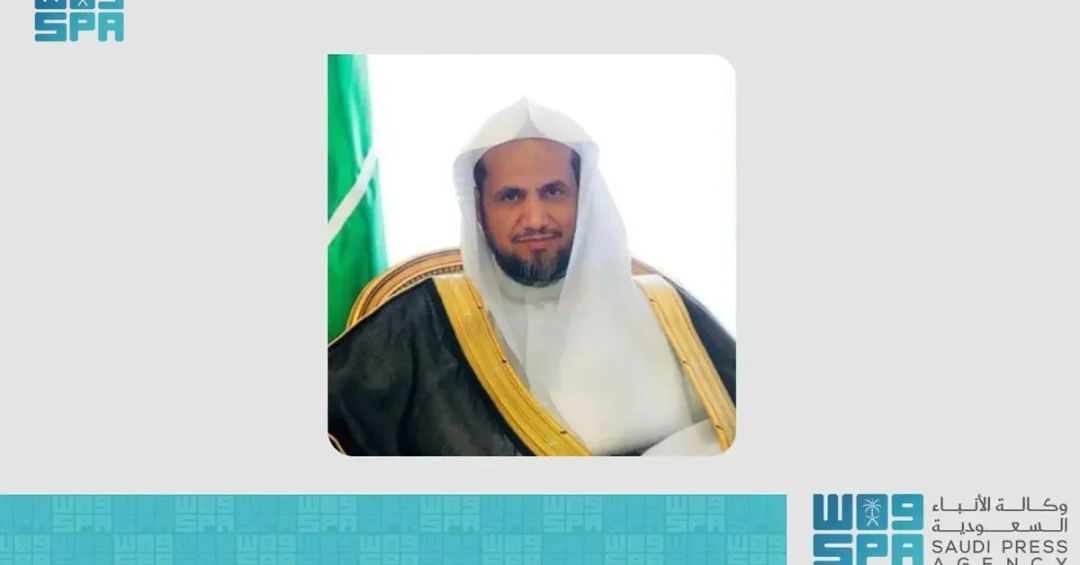
Saudi Arabia’s Attorney General, Sheikh Saud bin Abdullah Al-Mujib, conducted an official inspection of the Grand Mosque prosecution in Makkah on Saturday, March 1, 2025, to monitor judicial progress and assess the facility’s operational readiness for the holy month of Ramadan. The visit, reported by the Saudi Press Agency (SPA), underscores the Kingdom’s commitment to ensuring that the millions of Umrah performers and visitors expected during Ramadan receive efficient, timely, and dignified judicial services. Sheikh Al-Mujib received a comprehensive overview of the daily fieldwork mechanisms and the procedures in place to ensure timely completion of cases while maintaining the highest standards of justice.
During the inspection, the Attorney General reviewed the administrative facilities and technical equipment used to deliver judicial services at the Grand Mosque prosecution. He emphasized the importance of utilizing all available options to streamline processes for Umrah performers and visitors, praising the prosecution staff’s dedication in serving them. The visit reflects a broader national effort, aligned with Vision 2030, to enhance the quality of services provided to the guests of God and to uphold the Kingdom’s reputation as the world’s foremost destination for Islamic pilgrimage.
Context and Background
How does Saudi Arabia ensure that its judicial system keeps pace with the massive influx of pilgrims during the holiest months of the Islamic calendar? The answer lies in a proactive, year-round approach to judicial preparedness that intensifies as Ramadan approaches. The Grand Mosque prosecution is a specialized judicial body operating within the holy site’s vicinity, designed to handle legal matters swiftly and fairly, minimizing any disruption to the spiritual experience of worshippers. Its establishment reflects the Kingdom’s recognition that the sanctity of Makkah demands a justice system that is both accessible and efficient.
The Attorney General’s inspection is part of a routine yet critical schedule of oversight visits conducted by senior officials across the Kingdom’s judicial infrastructure. These visits serve multiple purposes: they verify that operational protocols are being followed, identify any bottlenecks that could delay case resolution, and reinforce the leadership’s commitment to continuous improvement. In the context of Ramadan, when the number of Umrah performers can exceed millions, even minor inefficiencies can have significant consequences. By personally assessing the Grand Mosque prosecution, Sheikh Al-Mujib signals that the highest levels of government are attentive to the needs of pilgrims and dedicated to preserving the rule of law in the service of Islam’s most sacred sites.
Furthermore, the visit highlights the integration of modern technology into judicial work. The Attorney General inspected technical equipment used to deliver judicial services, suggesting a reliance on digital tools such as case management systems, e-filing, and video conferencing to expedite proceedings. This technological adoption is a cornerstone of Saudi Arabia’s broader judicial modernization strategy, which seeks to reduce paperwork, enhance transparency, and speed up the resolution of disputes. For Umrah performers, many of whom are international visitors unfamiliar with local legal procedures, such streamlined processes are invaluable in ensuring that any legal issue is resolved quickly and without undue stress.
Key Details
What specific measures are in place to guarantee that Umrah performers encounter a judicial system that is both just and swift? According to the SPA report, Sheikh Al-Mujib received a detailed briefing on the daily fieldwork mechanisms employed by the Grand Mosque prosecution. These mechanisms include a structured intake system for complaints, rapid assessment protocols to determine the urgency of each case, and dedicated teams assigned to handle matters involving pilgrims. The prosecution’s proximity to the Grand Mosque allows it to address issues on-site, eliminating the need for pilgrims to travel to distant courts and thereby saving time and reducing logistical burdens.
The Attorney General also examined the administrative facilities, which are designed to accommodate a high volume of cases during peak periods. This includes spacious reception areas, private consultation rooms for sensitive matters, and secure record-keeping systems. The technical equipment inspected likely comprises computers, scanners, and communication devices that enable real-time coordination with other judicial and security agencies. By leveraging such infrastructure, the Grand Mosque prosecution can operate as a self-contained unit capable of handling a wide range of legal issues, from minor disputes to more complex criminal matters, all while adhering to the strict standards of Islamic jurisprudence and Saudi law.
Central to the Attorney General’s message was the imperative to utilize all available options to streamline processes for Umrah performers and visitors. This directive encompasses several practical steps: simplifying paperwork, reducing waiting times, offering multilingual support, and ensuring that decisions are made promptly. The praise he extended to the prosecution staff underscores the importance of human capital in this endeavor. Their dedication, often demonstrated by long hours and compassionate service, is a vital component of the Kingdom’s hospitality ethos. The Attorney General’s recognition serves as both a morale boost and a reminder that every interaction with a pilgrim is an opportunity to reflect the values of justice and mercy that define Saudi Arabia’s judicial system.
International and Regional Impact
Why should the international community pay attention to a domestic judicial inspection in Makkah? Because the treatment of pilgrims is a global concern, and Saudi Arabia’s efforts set a benchmark for how host nations can manage large-scale religious tourism with dignity and order. The Kingdom welcomes millions of Muslims from every continent, and their experiences—including any encounters with the legal system—shape perceptions of the country and, by extension, of the Islamic world. By prioritizing streamlined judicial procedures, Saudi Arabia demonstrates that it is not only a custodian of the Two Holy Mosques but also a responsible global citizen committed to the well-being of all visitors.
Regionally, the inspection reinforces Saudi Arabia’s leadership in the Islamic world. The Kingdom’s role as the host of the annual Hajj and year-round Umrah is a source of immense prestige and responsibility. When senior officials like the Attorney General personally oversee the readiness of judicial services, it sends a powerful message to other nations that Saudi Arabia takes its duties seriously. This can enhance diplomatic goodwill and foster greater cooperation on issues such as travel facilitation, security, and legal assistance for pilgrims. Moreover, the emphasis on technology and efficiency aligns with the digital transformation sweeping the Middle East, positioning Saudi Arabia as a model for other countries seeking to modernize their public services.
Economic and Strategic Significance
What economic value does a well-functioning judicial system bring to Saudi Arabia’s pilgrimage sector? A great deal. The Umrah and Hajj industries are pillars of the Kingdom’s non-oil economy, generating billions of riyals in revenue and supporting hundreds of thousands of jobs. Any friction in the system—whether a delayed legal process or a bureaucratic hurdle—can discourage repeat visits and tarnish the overall experience. By ensuring that judicial services are fast, fair, and accessible, Saudi Arabia protects its reputation as a seamless destination, thereby encouraging more pilgrims to come and to spend. This, in turn, boosts sectors such as hospitality, retail, and transportation, contributing directly to Vision 2030’s goal of diversifying income sources.
Strategically, the inspection reflects the Kingdom’s broader commitment to the rule of law as a foundation for economic growth. Investors and international partners look for stable, predictable legal environments, and the sight of the Attorney General actively monitoring performance at a key judicial outpost signals that Saudi Arabia is serious about governance. This is particularly important as the Kingdom pursues mega-projects like NEOM and expands its tourism offerings. A robust and responsive judiciary is not just a service for pilgrims; it is an essential component of the national infrastructure that underpins all economic activity. By streamlining procedures for Umrah performers, the Attorney General is also contributing to the creation of a more efficient legal system overall, one that can serve as a model for other jurisdictions.
Vision 2030 Alignment
How does this inspection connect to Saudi Arabia’s Vision 2030? At its core, Vision 2030 is about improving the quality of life for citizens and visitors alike, and about making government services more effective and user-friendly. The Attorney General’s emphasis on streamlining judicial procedures for Umrah performers directly supports the Vision’s objectives of enhancing the pilgrimage experience, increasing the number of Umrah performers to 30 million annually, and positioning Saudi Arabia as a global leader in service excellence. By investing in technology, training staff, and conducting hands-on oversight, the Kingdom is translating the Vision’s lofty goals into tangible actions that benefit millions of people each year.
Furthermore, this initiative underscores the Vision’s focus on transparency and accountability. The Attorney General’s publicized visit demonstrates that senior officials are held responsible for the performance of their institutions and that the government is willing to adapt and improve continuously. For the international audience, this is a reassuring sign that Saudi Arabia’s modernization is not limited to skyscrapers and entertainment; it extends to the very heart of the justice system. As the Kingdom prepares for Ramadan and beyond, the Grand Mosque prosecution stands as a testament to the enduring Saudi commitment to serving the guests of God with excellence, integrity, and compassion. The visit by Sheikh Al-Mujib is a clear affirmation that under the leadership of the Custodian of the Two Holy Mosques, King Salman bin Abdulaziz Al Saud, and Crown Prince Mohammed bin Salman, Saudi Arabia will continue to set new standards in pilgrimage management and judicial service.
20 Questions
Q1. What was the purpose of the Attorney General’s visit to the Grand Mosque prosecution?
A1. The Attorney General inspected the facility to monitor judicial progress and assess its operational readiness for the holy month of Ramadan, ensuring efficient service for Umrah performers.
Q2. Who conducted the inspection of the Grand Mosque prosecution?
A2. Saudi Arabia’s Attorney General, Sheikh Saud bin Abdullah Al-Mujib, conducted the inspection on March 1, 2025, as reported by the Saudi Press Agency.
Q3. What did the Attorney General emphasize during his visit?
A3. He stressed the importance of utilizing all available options to streamline judicial processes for Umrah performers and visitors, while maintaining the highest standards of justice.
Q4. What aspects of the prosecution’s work did the Attorney General review?
A4. He received a comprehensive overview of daily fieldwork mechanisms, procedures for timely case completion, administrative facilities, and technical equipment used for judicial services.
Q5. Why is the Grand Mosque prosecution important for Umrah performers?
A5. It provides on-site judicial services, allowing pilgrims to resolve legal matters quickly without traveling to distant courts, thus minimizing disruption to their spiritual journey.
Q6. How does this visit relate to Saudi Vision 2030?
A6. It supports Vision 2030 goals of enhancing the pilgrimage experience, improving government services, and increasing the number of Umrah performers to 30 million annually.
Q7. What technological tools are used by the prosecution?
A7. The prosecution utilizes digital case management systems, e-filing, video conferencing, and other technical equipment to expedite proceedings and improve efficiency.
Q8. How does the Attorney General’s visit impact international pilgrims?
A8. It signals Saudi Arabia’s commitment to fair and swift justice for all visitors, enhancing the Kingdom’s reputation as a welcoming and well-organized host for global pilgrims.
Q9. What economic benefits arise from streamlined judicial services for pilgrims?
A9. Efficient services boost the pilgrimage sector, encouraging repeat visits and spending, which supports jobs and revenue in hospitality, retail, and transportation, aiding economic diversification.
Q10. What message does the inspection send to the international community?
A10. It demonstrates Saudi Arabia’s dedication to the rule of law, transparency, and service excellence, reinforcing its role as a responsible global leader in pilgrimage management.
Q11. How does the inspection reflect Saudi leadership’s priorities?
A11. It shows that senior officials are directly engaged in ensuring the highest quality of services for the guests of God, aligning with the leadership’s vision for a modern, efficient nation.
Q12. What procedures are in place to ensure timely completion of cases?
A12. The prosecution employs structured intake, rapid assessment, dedicated teams for pilgrim cases, and digital tools to accelerate processes while upholding justice.
Q13. How does this initiative benefit Saudi Arabia’s regional standing?
A13. It reinforces the Kingdom’s leadership in the Islamic world by demonstrating meticulous care for pilgrims, fostering goodwill and cooperation among Muslim nations.
Q14. What role does the prosecution staff play in serving Umrah performers?
A14. Staff members work diligently, often with compassion and long hours, to assist pilgrims, reflecting the Kingdom’s hospitality and commitment to justice.
Q15. What is the significance of the Attorney General’s praise for the staff?
A15. It boosts morale and underscores the importance of human capital in delivering high-quality judicial services, motivating continued excellence.
Q16. How does this visit contribute to Saudi Arabia’s judicial modernization?
A16. It promotes the adoption of technology and streamlined processes, serving as a model for other judicial bodies and advancing the Kingdom’s overall modernization agenda.
Q17. What are the expected outcomes of the inspection for Ramadan operations?
A17. It ensures the prosecution is fully prepared to handle increased caseloads efficiently, providing timely justice and a seamless experience for Umrah performers during Ramadan.
Q18. How does the inspection align with the goals of the Custodian of the Two Holy Mosques?
A18. It reflects King Salman’s and Crown Prince Mohammed bin Salman’s dedication to serving pilgrims and upholding the sanctity of the holy sites through efficient governance.
Q19. What does the Attorney General’s directive to ‘utilize all available options’ entail?
A19. It involves simplifying paperwork, reducing wait times, offering multilingual support, and ensuring prompt decisions, all aimed at enhancing the pilgrim experience.
Q20. How can international observers interpret this inspection?
A20. As evidence of Saudi Arabia’s proactive, transparent, and compassionate approach to managing the world’s largest annual religious gatherings, setting a global benchmark for service excellence.
Reader Feedback
We value your thoughts. Please share your feedback on this article.
Your feedback helps us improve our coverage.
Related articles
 Saudi Authority Completes Ramadan Preparations at Prophet’s Mosque
 SPA Documents Iftar at Prophet’s Mosque on First Day of Ramadan
 Saudi Arabia Launches Ramadan Gift Program in Croatia
 Ramadan Lecture Series Enriches Prophet’s Mosque
 Advanced Systems Serve Millions at Grand Mosque
 New Saudi Relief Convoys Arrive in Northern Gaza