


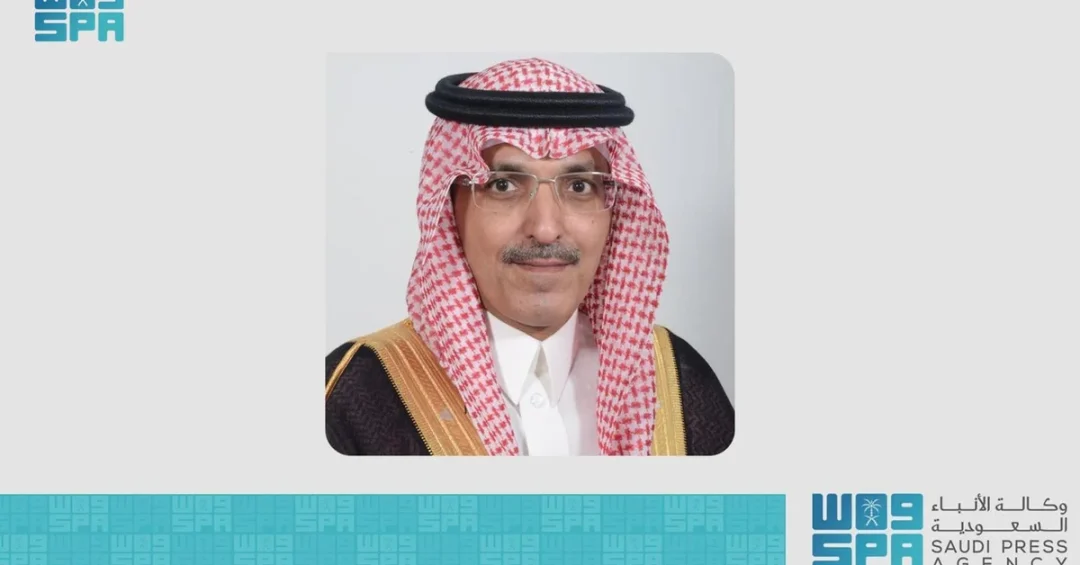
Saudi Minister of Finance Mohammed Aljadaan concluded his participation in the first meeting of the G20 Finance Ministers and Central Bank Governors (FMCBG) under South Africa’s presidency, held on February 26-27, 2025, in Cape Town, South Africa. The meeting brought together finance ministers and central bank governors from the world’s largest economies to address pressing global economic challenges and set the agenda for international financial cooperation. The Saudi delegation’s active engagement underscored the Kingdom’s commitment to multilateral dialogue and its growing role in shaping global economic policy.
During the two-day gathering, participants engaged in seven main sessions covering a wide range of critical topics, including the outlook for the global economy, reforms to the international financial architecture, and strategies to bridge the infrastructure investment gap. The discussions also continued the work initiated under Brazil’s G20 presidency on international tax cooperation. Saudi Arabia’s participation reflects its dedication to fostering inclusive and sustainable economic growth, both domestically and internationally, aligning with the objectives of Vision 2030 to diversify the economy and enhance global partnerships.
Context and Background
Why does the G20 FMCBG meeting matter at this particular moment in global economic history? The gathering in Cape Town marked the first finance track meeting under South Africa’s G20 presidency, which officially began in December 2024. South Africa has prioritized themes of solidarity, equality, and sustainable development, aiming to amplify the voices of developing nations and address systemic imbalances in the global economy. The meeting provided a platform for member countries to coordinate policies on issues ranging from debt sustainability to climate finance.
Saudi Arabia has been an active participant in the G20 since its inception, leveraging its position as the world’s largest oil exporter and a key player in the Middle East and North Africa (MENA) region. The Kingdom’s involvement in the FMCBG reflects its strategic interest in promoting global financial stability and ensuring that the concerns of emerging markets are heard. Under Vision 2030, Saudi Arabia has pursued economic diversification, reduced reliance on oil, and increased private sector participation, making its insights particularly valuable in discussions on infrastructure investment and public-private partnerships.
The Cape Town meeting also built on the outcomes of previous G20 presidencies, including Brazil’s focus on tax cooperation and India’s emphasis on digital public infrastructure. By continuing these threads, South Africa’s presidency aims to create a cohesive agenda that addresses both immediate challenges and long-term structural issues. Saudi Arabia’s consistent engagement across these presidencies highlights its role as a bridge between developed and developing economies.
Key Details from the Cape Town Meeting
What were the central issues that dominated the discussions in Cape Town? The seven sessions covered a broad spectrum, but several key themes emerged. First, participants assessed the prospects for the global economy, acknowledging that while some regions show resilience, overall growth remains sluggish and uneven. Second, they explored ways to strengthen the international financial structure, including reforming multilateral development banks to better serve low-income countries. Third, they focused on bridging the infrastructure investment gap, which is essential for promoting inclusive and sustainable growth.
Minister Aljadaan emphasized that the global economy is at a critical crossroads. He noted that challenges such as slow growth and high debt are intensifying due to economic fragmentation and trade tensions, underscoring the urgent need for effective coordination and multilateral cooperation. His remarks resonated with many participants who share concerns about rising protectionism and its impact on global trade. Aljadaan also highlighted the resilience of MENA economies despite successive challenges, pointing to the region’s potential for progress and prosperity. He stressed that developments in the region have significant implications for the international stage.
On the sidelines, Aljadaan held a series of bilateral meetings with his G20 counterparts. These discussions focused on enhancing cooperation and addressing key challenges facing the global economy in light of rapid developments. Such engagements are vital for building consensus and fostering partnerships that can lead to concrete actions. Saudi Arabia’s proactive diplomacy at the event reinforced its reputation as a reliable partner in international economic affairs.
International and Regional Impact
How do Saudi Arabia’s contributions at the G20 FMCBG resonate beyond the meeting room? The Kingdom’s advocacy for public-private partnerships (PPPs) as a model for infrastructure development has garnered international attention. Aljadaan reaffirmed that Saudi Arabia has adopted a PPP model, allowing private entities to partner with the government to develop and manage infrastructure projects. He pointed to initiatives such as the National Privatization Center and the National Infrastructure Fund, which focus on attracting private investment in sectors like transport, water, and energy. These efforts not only advance Vision 2030 but also offer a blueprint for other countries seeking to mobilize private capital for public projects.
Regionally, Saudi Arabia’s emphasis on the resilience of MENA economies serves to bolster confidence in the region’s prospects. By highlighting opportunities for progress and prosperity, Aljadaan positioned the MENA region as a vital contributor to global economic stability. His comments also underscored the interconnectedness of regional and international developments, reminding G20 members that what happens in the Middle East has far-reaching consequences. This perspective is particularly relevant as the region navigates complex geopolitical dynamics and economic transitions.
Internationally, Saudi Arabia’s active participation in the G20 reinforces its commitment to multilateralism at a time when global cooperation is under strain. The Kingdom’s calls for effective coordination and cooperation align with the G20’s core mission of promoting global economic stability. By engaging constructively with both advanced and emerging economies, Saudi Arabia helps bridge divides and fosters a more inclusive approach to global governance.
Economic and Strategic Significance
What makes Saudi Arabia’s role in the G20 FMCBG economically and strategically significant? As a leading energy producer and a member of the G20, Saudi Arabia possesses unique leverage in discussions on energy transition, trade, and investment. The Kingdom’s economic diversification efforts under Vision 2030 have created new opportunities for collaboration with G20 partners in sectors such as technology, tourism, and renewable energy. Aljadaan’s participation in Cape Town thus served to showcase Saudi Arabia’s progress and attract potential investment.
Moreover, the meeting’s focus on international tax cooperation is directly relevant to Saudi Arabia’s efforts to create a transparent and attractive business environment. By engaging in these discussions, the Kingdom can help shape global tax rules that support its economic goals while ensuring fairness and equity. The continuation of Brazil’s work on this front under South Africa’s presidency indicates a sustained commitment to addressing tax avoidance and evasion, issues that affect all economies.
Strategically, Saudi Arabia’s involvement in the G20 enhances its influence in global economic governance. By building alliances and participating in decision-making processes, the Kingdom can advance its interests and contribute to solutions that benefit the wider international community. This aligns with Vision 2030’s aim to position Saudi Arabia as a pivotal player in the global economy.
Vision 2030 Alignment
How does Saudi Arabia’s participation in the G20 FMCBG align with Vision 2030? Vision 2030 is the Kingdom’s comprehensive plan to transform its economy and society, with goals including economic diversification, increased private sector participation, and enhanced international engagement. The G20 platform provides an ideal venue for Saudi Arabia to pursue these objectives by sharing best practices, learning from others, and forging partnerships. Aljadaan’s emphasis on PPPs, for example, directly supports Vision 2030’s aim to increase private investment in infrastructure and reduce government dependence on oil revenues.
Furthermore, Saudi Arabia’s active role in the G20 underscores its commitment to global stability and cooperation, which are essential for achieving Vision 2030’s targets. By contributing to discussions on the global economy, financial architecture, and sustainable development, the Kingdom demonstrates its readiness to shoulder international responsibilities. As Saudi Arabia continues to implement Vision 2030, its engagement in forums like the G20 will remain crucial for securing the investments, expertise, and partnerships needed to realize its ambitious goals. The Cape Town meeting thus represents another step forward in the Kingdom’s journey toward a diversified, prosperous future.
20 Questions
Q1. What was the purpose of the G20 FMCBG meeting in Cape Town?
A1. The meeting aimed to discuss global economic prospects, strengthen the international financial structure, bridge infrastructure investment gaps, and continue international tax cooperation under South Africa’s G20 presidency.
Q2. Who represented Saudi Arabia at the meeting?
A2. Saudi Minister of Finance Mohammed Aljadaan represented the Kingdom at the first G20 Finance Ministers and Central Bank Governors meeting under South Africa’s presidency.
Q3. When and where did the meeting take place?
A3. The meeting took place on February 26-27, 2025, in Cape Town, South Africa, marking the first finance track gathering of South Africa’s G20 presidency.
Q4. What are the main sessions that were discussed?
A4. Seven main sessions covered global economic prospects, international financial structure, infrastructure investment gap, and international tax cooperation, among other priorities.
Q5. What did Aljadaan say about the global economy?
A5. He emphasized that the global economy is at a critical crossroads, with slow growth and high debt intensifying due to economic fragmentation and trade tensions, urging effective coordination.
Q6. How did Aljadaan describe the MENA region’s economies?
A6. He noted their resilience despite successive challenges, highlighting the region’s opportunities and potential for progress and prosperity, and its significant impact on the international stage.
Q7. What is the public-private partnership model mentioned by Aljadaan?
A7. It is a model allowing private entities to partner with the government to develop and manage infrastructure projects, attracting private investment in sectors like transport, water, and energy.
Q8. Which Saudi initiatives support PPPs?
A8. The National Privatization Center and the National Infrastructure Fund focus on attracting private investment in infrastructure sectors such as transport, water, and energy.
Q9. What bilateral meetings did Aljadaan hold?
A9. He held a series of bilateral meetings with G20 ministers to discuss enhancing cooperation and addressing key challenges facing the global economy amid rapid developments.
Q10. Why is Saudi Arabia’s participation in the G20 important?
A10. It underscores the Kingdom’s commitment to multilateral cooperation, enhances its global influence, and allows it to share its Vision 2030 experience and attract investment.
Q11. What is the significance of international tax cooperation for Saudi Arabia?
A11. It helps create a transparent business environment, supports economic diversification, and ensures fair tax rules that benefit all economies, aligning with Vision 2030 goals.
Q12. How does the meeting align with Vision 2030?
A12. The meeting supports Vision 2030’s aims of economic diversification, private sector participation, and international engagement, particularly through infrastructure investment and global partnerships.
Q13. What is the role of the National Infrastructure Fund?
A13. It focuses on attracting private investment in infrastructure projects, including transport, water, and energy, to support sustainable economic growth and Vision 2030.
Q14. How does Saudi Arabia contribute to global economic stability?
A14. By actively participating in G20 discussions, advocating for multilateral cooperation, and sharing its economic resilience strategies, Saudi Arabia helps foster global stability.
Q15. What challenges did Aljadaan highlight in the global economy?
A15. He highlighted slow growth, high debt, economic fragmentation, and trade tensions as key challenges requiring urgent international coordination and cooperation.
Q16. What is the significance of South Africa’s G20 presidency?
A16. It prioritizes solidarity, equality, and sustainable development, aiming to amplify developing nations’ voices and address systemic imbalances in the global economy.
Q17. How does Saudi Arabia’s PPP model benefit other countries?
A17. It offers a blueprint for mobilizing private capital for public projects, which can be replicated by other nations seeking to bridge infrastructure gaps and promote growth.
Q18. What are the expected outcomes of the G20 FMCBG meeting?
A18. The meeting aims to build consensus on economic policies, advance international tax cooperation, and promote infrastructure investment to support inclusive and sustainable global growth.
Q19. How does Saudi Arabia balance regional and global priorities?
A19. Saudi Arabia leverages its unique position to bridge developed and developing economies, advocating for MENA interests while contributing to global economic governance and stability.
Q20. What is the next step for Saudi Arabia after the Cape Town meeting?
A20. Saudi Arabia will continue engaging in G20 processes, implementing Vision 2030 reforms, and fostering partnerships to advance both national and global economic goals.
Reader Feedback
We value your thoughts. Please share your feedback on this article.
Your feedback helps us improve our coverage.
Related articles
 SFD Concludes Participation in 5th Finance in Common Summit
 ZATCA Offers ZAKATY Service for Eighth Year
 Saudi Dates Surpass 1.9 Million Tons, Lead Ramadan Food Scene
 Monshaat Reports 67% Surge in Saudi Commercial Registrations
 ICIEC, ITFC Sign Letter of Credit Insurance Policy
 Mawani Adds CMA CGM Routes Linking Saudi Ports to India, Oman, Iraq