


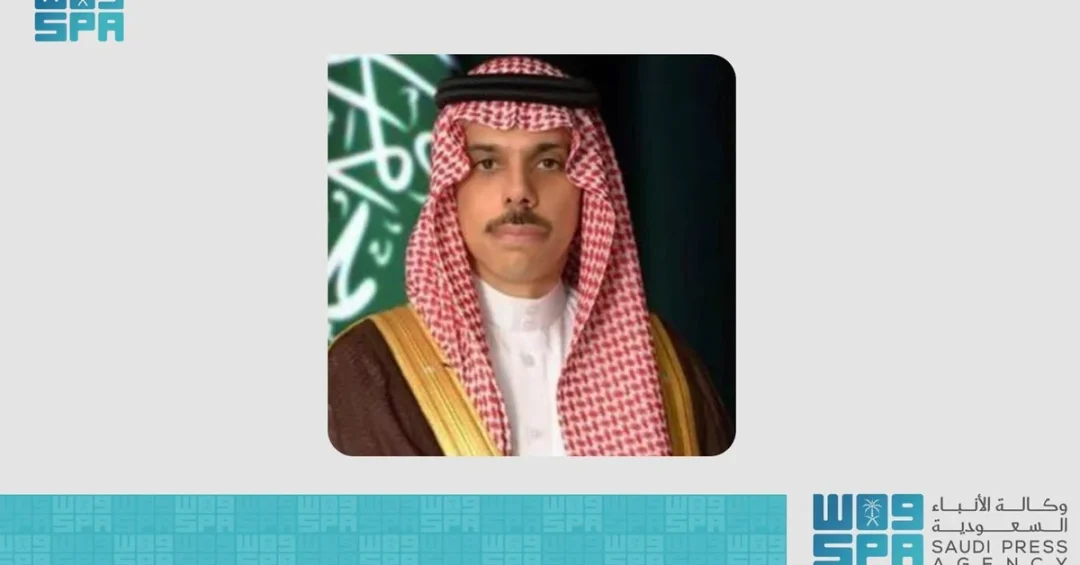
Saudi Minister of Foreign Affairs Prince Faisal bin Farhan bin Abdullah held a telephone call with Malaysia’s Minister of Foreign Affairs Dato’ Seri Utama Haji Mohamad bin Haji Hasan to discuss bilateral relations and avenues for enhanced cooperation, according to the Saudi Press Agency (SPA). The call, reported by the Kingdom’s official news agency on February 27, 2025, underscored the two nations’ shared commitment to strengthening diplomatic and economic ties. Both ministers exchanged views on a range of topics of common interest, reflecting the depth of the Saudi-Malaysian partnership. The discussion comes amid Saudi Arabia’s broader push to expand its international alliances under Vision 2030, the national transformation plan championed by Crown Prince Mohammed bin Salman. The SPA report did not disclose specific outcomes, but the conversation itself signals ongoing high-level engagement between Riyadh and Kuala Lumpur.
What does this diplomatic exchange reveal about Saudi Arabia’s expanding role in Asia? The phone call between Prince Faisal and his Malaysian counterpart is the latest in a series of high-level interactions that highlight the Kingdom’s strategic pivot toward Asian markets and partners. Malaysia, a key member of the Association of Southeast Asian Nations (ASEAN), represents a vital gateway for Saudi trade, investment, and cultural exchange in the region. The two ministers’ discussion of ‘ties, enhancing cooperation, and other topics of common interest’—as reported by SPA—reflects a diplomatic relationship that has matured over decades. For international observers, the call reinforces Saudi Arabia’s commitment to multilateral diplomacy and its willingness to engage with partners across the globe on issues ranging from energy security to Islamic solidarity.
Context and Background
How did Saudi-Malaysian relations evolve to their current strategic depth? The diplomatic ties between the Kingdom of Saudi Arabia and Malaysia date back to 1957, when Malaysia gained independence and established formal relations with the Kingdom. Over the decades, the relationship has grown from symbolic exchanges to substantive cooperation in trade, investment, education, and defense. Saudi Arabia is one of Malaysia’s largest trading partners in the Middle East, while Malaysia serves as a significant source of skilled labor and a hub for Islamic finance. The two countries share membership in the Organisation of Islamic Cooperation (OIC), where they frequently coordinate on issues affecting the Muslim world. This shared institutional framework provides a foundation for regular consultations, such as the call between Prince Faisal and Minister Mohamad bin Haji Hasan.
What role does Malaysia play in Saudi Arabia’s Vision 2030 ambitions? Malaysia’s expertise in Islamic banking, halal industries, and technology offers valuable synergies for Saudi Arabia as it diversifies its economy away from oil dependence. The Kingdom has identified Southeast Asia as a priority region for investment and trade, with Malaysia serving as a natural partner given its Muslim-majority population and advanced financial sector. In recent years, Saudi companies have explored opportunities in Malaysia’s renewable energy and digital economy sectors, while Malaysian firms have shown interest in Saudi Arabia’s giga-projects, including NEOM and the Red Sea Project. The February 27 call likely touched on these areas of mutual benefit, although specific details were not released by SPA.
The timing of the call is also significant. It follows a period of intensified Saudi diplomatic activity across Asia, including high-level visits to China, India, and Japan. By maintaining regular contact with Malaysian leadership, Riyadh signals that its Asian outreach is not limited to the continent’s largest economies but extends to strategic partners like Malaysia. This approach aligns with the Kingdom’s stated goal of building a broad network of alliances that support its security and prosperity.
Key Details of the Discussion
What exactly did the two ministers discuss? According to the SPA report, Prince Faisal and Minister Mohamad bin Haji Hasan discussed ‘ties, enhancing cooperation, and other topics of common interest.’ While the official readout is brief, the language used is consistent with Saudi diplomatic communications that emphasize positive engagement without disclosing sensitive details. The call likely covered bilateral trade, investment opportunities, and regional developments. Both ministers may have also exchanged views on pressing issues in the Islamic world, including the situation in Gaza and efforts to support Palestinian statehood—a topic that frequently features in Saudi-Malaysian consultations given their shared positions.
Who are the key figures involved? Prince Faisal bin Farhan bin Abdullah has served as Saudi Arabia’s Minister of Foreign Affairs since 2019 and has been a central figure in the Kingdom’s diplomatic outreach. He has overseen a period of active Saudi foreign policy, including the restoration of ties with Iran, the resolution of the Gulf crisis, and expanded engagement with Asian powers. His Malaysian counterpart, Dato’ Seri Utama Haji Mohamad bin Haji Hasan, assumed office in December 2023 as part of Prime Minister Anwar Ibrahim’s government. A seasoned diplomat, Mohamad has prioritized strengthening Malaysia’s relations with Middle Eastern countries, making the call with Prince Faisal a natural step in that agenda.
What is the significance of the SPA report? The Saudi Press Agency is the Kingdom’s official news outlet, and its decision to report the call underscores the importance Riyadh attaches to its relationship with Malaysia. SPA reports on such diplomatic exchanges serve to inform both domestic and international audiences about the Kingdom’s foreign policy priorities. The report’s brevity is typical of official readouts, which often avoid revealing details that could complicate ongoing negotiations or diplomatic sensitivities. For analysts, the fact that the call was publicized at all indicates that Saudi-Malaysian relations are on a positive trajectory and that both sides see value in highlighting their cooperation.
International and Regional Impact
How does this call fit into broader regional dynamics? Southeast Asia is a region of growing strategic importance for Saudi Arabia, home to over 240 million Muslims and some of the world’s fastest-growing economies. By maintaining close ties with Malaysia, Saudi Arabia gains a reliable partner within ASEAN and a voice that can help amplify moderate Islamic perspectives in international forums. Malaysia, for its part, benefits from Saudi investment and from the Kingdom’s support on issues related to the Rohingya crisis and other humanitarian concerns in the Muslim world. The February 27 call reinforces this mutually beneficial relationship and signals to other ASEAN nations that Saudi Arabia is a committed partner.
What are the implications for global diplomacy? In an era of shifting alliances and multipolar competition, Saudi Arabia’s ability to maintain strong ties with both Western and Asian powers is a testament to its diplomatic agility. The call with Malaysia comes as the Kingdom prepares to host major international events, including Expo 2030 in Riyadh and the 2034 FIFA World Cup. These events will require broad international support and participation, making relationships with countries like Malaysia—which has a strong presence in global tourism and sports—particularly valuable. The call may also have touched on cultural and people-to-people exchanges that will support these upcoming events.
Economic and Strategic Significance
What economic opportunities does the Saudi-Malaysian relationship offer? Trade between Saudi Arabia and Malaysia has grown steadily, with total bilateral trade exceeding $3 billion annually in recent years. Saudi Arabia exports crude oil, petrochemicals, and plastics to Malaysia, while Malaysia exports electronics, palm oil, and processed food to the Kingdom. There is significant potential to expand this trade, particularly in halal products, Islamic finance, and renewable energy. Saudi Arabia’s Public Investment Fund (PIF) has shown interest in Southeast Asian markets, and Malaysia’s developed financial infrastructure could serve as a platform for Saudi investments in the region. The February 27 call likely explored ways to facilitate such investments and remove barriers to trade.
What strategic interests bind the two nations? Both Saudi Arabia and Malaysia are committed to combating extremism and promoting moderate Islam—a shared priority that has led to cooperation in counterterrorism and deradicalization programs. Malaysia’s experience in managing a multi-ethnic, multi-religious society offers lessons for Saudi Arabia as it pursues social reforms under Vision 2030. In turn, Saudi Arabia’s leadership in the Islamic world provides Malaysia with a partner that can help address concerns about Islamophobia and support the rights of Muslim minorities. The call between the two foreign ministers is a reminder that these strategic interests are best advanced through regular dialogue and mutual respect.
Vision 2030 Alignment
How does this diplomatic engagement support Vision 2030? Saudi Arabia’s Vision 2030 is not only an economic blueprint but also a foreign policy framework that seeks to position the Kingdom as a global hub for trade, investment, and diplomacy. Strengthening ties with Malaysia aligns with several Vision 2030 objectives, including diversifying the economy, expanding non-oil exports, and enhancing international cooperation. Malaysia’s expertise in Islamic finance can support the growth of Saudi Arabia’s financial sector, while its experience in tourism can inform the Kingdom’s efforts to attract 150 million visitors by 2030. The call between Prince Faisal and Minister Mohamad is a small but meaningful step in building the international partnerships necessary to achieve these goals.
What does the future hold for Saudi-Malaysian relations? The February 27 call is likely to be followed by further high-level exchanges, including possible visits and the signing of new agreements. Both countries have expressed interest in expanding cooperation in areas such as education, technology, and defense. As Saudi Arabia continues its transformation, Malaysia will remain a valued partner in Southeast Asia—a region that is central to the Kingdom’s long-term vision of global engagement. The phone call, though brief, reflects a relationship that is strong, forward-looking, and aligned with the aspirations of both nations.
20 Questions
Q1. Who held the phone call on February 27, 2025?
A1. Saudi Minister of Foreign Affairs Prince Faisal bin Farhan bin Abdullah held a phone call with Malaysia’s Minister of Foreign Affairs Dato’ Seri Utama Haji Mohamad bin Haji Hasan, as reported by the Saudi Press Agency.
Q2. What was the main purpose of the call?
A2. The two ministers discussed bilateral ties, ways to enhance cooperation, and other topics of common interest, according to the official SPA readout.
Q3. Which Saudi agency reported the call?
A3. The Saudi Press Agency (SPA), the Kingdom’s official news agency, reported the call, highlighting its significance in Saudi foreign policy communications.
Q4. When did the call take place?
A4. The call took place on February 27, 2025, according to the SPA report, which was published at 17:19 local time (14:19 GMT).
Q5. Who is Prince Faisal bin Farhan bin Abdullah?
A5. Prince Faisal bin Farhan bin Abdullah is Saudi Arabia’s Minister of Foreign Affairs, appointed in 2019. He has played a key role in the Kingdom’s diplomatic outreach across Asia and beyond.
Q6. Who is Dato’ Seri Utama Haji Mohamad bin Haji Hasan?
A6. He is Malaysia’s Minister of Foreign Affairs, serving since December 2023 under Prime Minister Anwar Ibrahim. He has prioritized strengthening Malaysia’s ties with Middle Eastern nations.
Q7. How long have Saudi Arabia and Malaysia had diplomatic relations?
A7. Saudi Arabia and Malaysia established formal diplomatic relations in 1957, following Malaysia’s independence. The relationship has grown substantially over more than six decades.
Q8. What are the main areas of Saudi-Malaysian cooperation?
A8. The two countries cooperate in trade, investment, Islamic finance, education, defense, and counterterrorism, with growing collaboration in renewable energy and technology sectors.
Q9. What is the value of bilateral trade between the two countries?
A9. Bilateral trade exceeds $3 billion annually, with Saudi Arabia exporting oil and petrochemicals, and Malaysia exporting electronics, palm oil, and processed food.
Q10. How does this call relate to Vision 2030?
A10. The call supports Vision 2030’s goals of economic diversification and global engagement by strengthening partnerships that can boost trade, investment, and knowledge exchange.
Q11. What role does Malaysia play in ASEAN?
A11. Malaysia is a key member of the Association of Southeast Asian Nations (ASEAN), providing Saudi Arabia with a strategic gateway to Southeast Asia’s growing markets and Islamic communities.
Q12. Did the call address regional issues?
A12. The SPA report mentioned ‘topics of common interest,’ which typically include regional developments and issues affecting the Islamic world, though specific details were not disclosed.
Q13. What is the significance of the SPA reporting the call?
A13. SPA’s decision to report the call signals the importance Saudi Arabia places on its relationship with Malaysia and its commitment to transparent diplomatic communication.
Q14. How does this call fit into Saudi Arabia’s Asian outreach?
A14. It is part of a broader Saudi diplomatic push across Asia, including engagements with China, India, and Japan, aimed at diversifying alliances and economic partnerships.
Q15. What economic sectors offer the most potential for Saudi-Malaysian cooperation?
A15. Islamic finance, halal industries, renewable energy, and digital technology are among the most promising sectors for expanded cooperation between the two nations.
Q16. Are there plans for further high-level exchanges?
A16. While no specific plans were announced, such calls typically pave the way for future visits and agreements, consistent with the positive trajectory of Saudi-Malaysian relations.
Q17. How does Malaysia’s expertise benefit Saudi Arabia’s Vision 2030?
A17. Malaysia’s experience in Islamic banking, tourism, and multicultural governance offers valuable insights for Saudi Arabia as it diversifies its economy and society.
Q18. What shared interests do Saudi Arabia and Malaysia have in the Islamic world?
A18. Both countries advocate for moderate Islam, support Palestinian rights, and cooperate on humanitarian issues affecting Muslim communities, including the Rohingya crisis.
Q19. What upcoming events could benefit from stronger Saudi-Malaysian ties?
A19. Expo 2030 in Riyadh and the 2034 FIFA World Cup in Saudi Arabia are major events that could benefit from Malaysia’s support and participation.
Q20. What is the overall outlook for Saudi-Malaysian relations?
A20. The relationship is strong and forward-looking, with both nations committed to expanding cooperation in line with their respective national visions and shared Islamic values.
Reader Feedback
We value your thoughts. Please share your feedback on this article.
Your feedback helps us improve our coverage.
Related articles
 Haramain Railway Adds 1.6M Ramadan Seats, 3,410 Trips
 GCC Condemns Israeli Attacks on Syria, Urges Withdrawal
 Civil Affairs Opens New Office at Qasr Al-Hokm Station
 Saudi Arabia Sends 58th Relief Flight to Gaza
 Saudi Arabia Launches Dates Gift Program in Egypt for Ramadan
 Saudi, Bulgarian Foreign Ministers Discuss Relations