


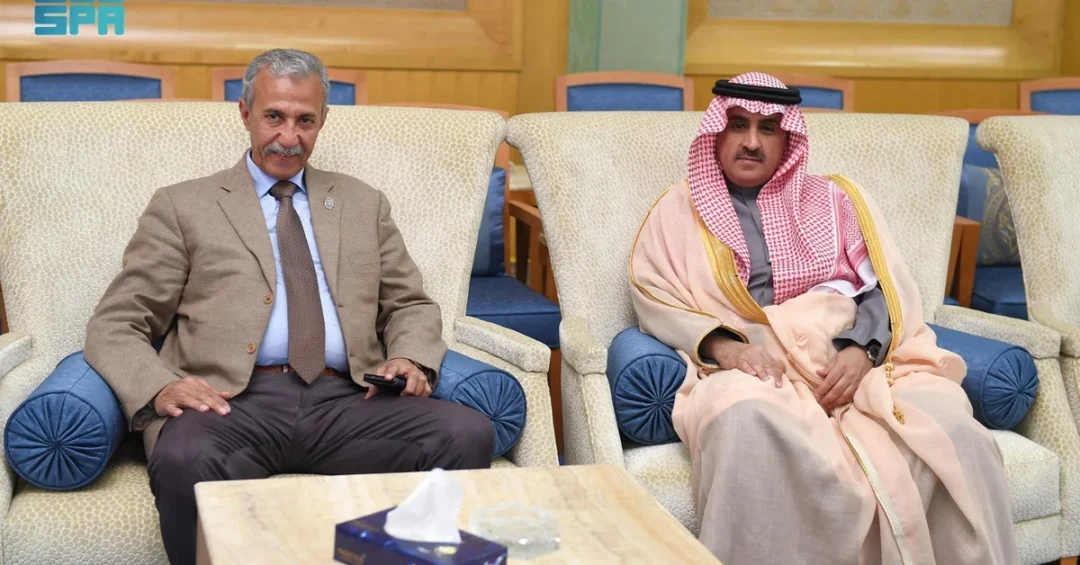
The Ministry of Islamic Affairs, Dawah and Guidance officially launched the Custodian of Two Holy Mosques’ Gift of Dates Program at the Saudi Embassy in Cairo on February 27, 2025, delivering five tons of premium dates to Egypt as part of the Kingdom’s annual Ramadan outreach. The launch event was attended by Deputy Saudi Ambassador to Egypt Abdulrahman Al-Dahas, alongside embassy officials and representatives of Egyptian religious and charitable institutions, according to the Saudi Press Agency (SPA).
The gift represents a continuation of a longstanding Saudi tradition of sharing the Kingdom’s cherished date harvest with Muslim communities worldwide during the holy month of Ramadan. It is implemented under the directives of the Saudi leadership and forms part of a broader program that sees the Ministry of Islamic Affairs, Dawah and Guidance distribute dates to dozens of countries each year. For Egypt, a nation of more than 100 million people with deep historical and cultural ties to the Kingdom, the arrival of five tons of dates carries both symbolic and practical significance, reinforcing the bonds of faith and fraternity that unite the two nations. How does such a simple gift bridge continents and cultures? It does so by embodying the spirit of Ramadan — generosity, solidarity, and shared devotion.
Context and Background
Why has the Custodian of Two Holy Mosques’ Gift of Dates Program become such an anticipated annual initiative? The program traces its origins to the Saudi leadership’s commitment to serving Muslims around the world, particularly during Ramadan, when dates hold special significance as the traditional food for breaking the fast. Over the years, the Ministry of Islamic Affairs, Dawah and Guidance has expanded the initiative to cover a wide geographic scope, reaching communities across Africa, Asia, Europe, and the Americas. The dates are carefully selected from the Kingdom’s finest harvests, including renowned varieties from regions such as Al-Qassim and Madinah, and are packaged with the utmost respect for quality and religious tradition.
Egypt has long been a key partner in this endeavor, given its central role in the Arab and Islamic world and its close fraternal relations with Saudi Arabia. The Saudi Embassy in Cairo serves as the coordination point for the distribution, working with local authorities and religious bodies to ensure the dates reach those most in need. This year’s launch at the embassy underscores the diplomatic as well as humanitarian dimensions of the program, as it brings together Saudi and Egyptian officials in a spirit of cooperation and mutual respect. The event also highlights the Kingdom’s broader efforts to promote moderate Islam and support Islamic institutions globally, a cornerstone of its religious diplomacy.
In addition to Egypt, the program is being rolled out simultaneously in numerous other countries, reflecting the global reach of Saudi Arabia’s Ramadan initiatives. The Ministry of Islamic Affairs, Dawah and Guidance oversees the logistics, often in collaboration with Saudi embassies and local charities, ensuring that the gift is delivered efficiently and transparently. This year’s distribution is particularly notable as it coincides with a period of heightened global interest in Saudi Arabia’s humanitarian and cultural contributions, further solidifying the Kingdom’s image as a responsible global citizen and leader in interfaith and intercultural dialogue.
Key Details
What exactly does the gift entail, and how is it being distributed? According to official Saudi sources, the five tons of dates allocated to Egypt are part of a larger consignment destined for multiple nations. The dates are packed in hygienic, clearly labeled boxes that bear the emblem of the Custodian of Two Holy Mosques, signifying the source and the blessing associated with the gift. Distribution in Egypt will be managed by the Saudi Embassy in Cairo in coordination with Egyptian religious authorities and charitable organizations, which will identify beneficiaries including mosques, Islamic centers, and families in need. The operation is expected to be completed before the start of Ramadan to ensure maximum benefit during the holy month.
Deputy Ambassador Abdulrahman Al-Dahas, who attended the launch, emphasized the importance of the program in strengthening the deep-rooted ties between Saudi Arabia and Egypt. He noted that the initiative reflects the directives of the Saudi leadership to extend a helping hand to Muslims worldwide and to promote the values of compassion and brotherhood. The ambassador’s presence at the event signals the Kingdom’s high-level commitment to this cause and its appreciation for Egypt’s role as a pivotal partner in the region.
The Ministry of Islamic Affairs, Dawah and Guidance has a well-established track record of implementing such programs with precision and care. Each year, the ministry coordinates with Saudi embassies and local partners to assess needs, select the best dates, and arrange shipment and distribution. The program is funded entirely by the Saudi government as part of its religious and humanitarian obligations, and it operates with full transparency, often providing reports on the quantities distributed and the number of beneficiaries. This meticulous approach has earned the initiative widespread praise and trust among recipient communities.
International and Regional Impact
How does a gesture like this resonate beyond Egypt’s borders? The Custodian of Two Holy Mosques’ Gift of Dates Program has become a hallmark of Saudi Arabia’s soft power and religious diplomacy. By sharing its national symbol — the date — with fellow Muslims, the Kingdom reinforces its role as the guardian of Islam’s holiest sites and a benefactor to the global Muslim community. In Egypt, a country that plays a leading role in Arab and Islamic affairs, the gift is seen as a testament to the enduring friendship between the two peoples, one that transcends politics and is rooted in shared faith and history.
Regionally, the program contributes to Saudi Arabia’s efforts to promote moderation and counter extremism by supporting mainstream religious institutions and fostering a sense of unity among Muslims. It also complements other Saudi humanitarian initiatives, such as food security programs and medical aid, which are implemented through the King Salman Humanitarian Aid and Relief Center (KSrelief) and other agencies. The dates distribution thus forms part of a comprehensive approach to global engagement that combines material assistance with spiritual and cultural outreach.
Economic and Strategic Significance
What strategic value does the dates program hold for Saudi Arabia? Beyond its religious and charitable dimensions, the initiative showcases the Kingdom’s agricultural bounty and its capacity to manage complex international logistics. Saudi dates are a premium product, and their distribution as gifts promotes awareness of the Kingdom’s agricultural sector, which is a key component of its economic diversification strategy under Vision 2030. The program also strengthens diplomatic ties, as it involves coordination with embassies and local partners, thereby enhancing Saudi Arabia’s network of influence and goodwill.
Furthermore, the initiative aligns with Saudi Arabia’s broader goals of enhancing its global image and fostering people-to-people connections. By reaching out to Muslim communities in Egypt and beyond, the Kingdom demonstrates its commitment to humanitarian values and its willingness to share its blessings. This, in turn, can lead to increased cooperation in other areas, such as trade, investment, and cultural exchange, as recipient nations view Saudi Arabia as a reliable and generous partner. The dates program is therefore not just a seasonal charity but a strategic investment in long-term relationships.
Vision 2030 Alignment
How does the Custodian of Two Holy Mosques’ Gift of Dates Program fit into Saudi Vision 2030? Vision 2030 aims to transform Saudi Arabia into a global hub for trade, tourism, and cultural exchange, while maintaining its central role in the Islamic world. The dates program supports this vision by projecting the Kingdom’s soft power, promoting its cultural heritage, and strengthening its ties with Muslim-majority countries. It also reflects the Vision’s emphasis on humanitarianism and social responsibility, as it provides tangible benefits to those in need and fosters a positive image of Saudi Arabia abroad.
As the Kingdom continues to implement Vision 2030, initiatives like this will remain vital in showcasing its leadership and its commitment to the well-being of Muslims worldwide. The launch in Cairo is a clear example of how Saudi Arabia leverages its religious and cultural assets to build bridges and create goodwill. In doing so, it not only honors the legacy of the Custodian of Two Holy Mosques but also paves the way for a future of greater cooperation and understanding among nations. The gift of dates, though simple, carries a profound message of faith, generosity, and shared humanity — a message that resonates far beyond the five tons delivered to Egypt this Ramadan.
20 Questions
Q1. What is the Custodian of Two Holy Mosques’ Gift of Dates Program?
A1. It is an annual initiative by the Saudi Ministry of Islamic Affairs, Dawah and Guidance to distribute premium dates to Muslim communities worldwide during Ramadan, reflecting the Kingdom’s generosity and religious leadership.
Q2. How many tons of dates were given to Egypt this year?
A2. Egypt received five tons of dates as part of the 2025 program, launched at the Saudi Embassy in Cairo on February 27, 2025.
Q3. Who attended the launch event in Cairo?
A3. Deputy Saudi Ambassador to Egypt Abdulrahman Al-Dahas attended the launch, along with embassy officials and representatives of Egyptian religious and charitable institutions.
Q4. Why are dates significant in Islam?
A4. Dates are traditionally eaten to break the fast during Ramadan, following the practice of the Prophet Muhammad (peace be upon him), and are considered a blessed and nutritious food.
Q5. Which Saudi regions are known for producing high-quality dates?
A5. Regions such as Al-Qassim and Madinah are renowned for their premium date varieties, which are often selected for the gift program.
Q6. How are the dates distributed in Egypt?
A6. The Saudi Embassy in Cairo coordinates with Egyptian religious authorities and charities to distribute the dates to mosques, Islamic centers, and needy families before Ramadan.
Q7. Does the program operate in other countries besides Egypt?
A7. Yes, the program is implemented in dozens of countries across Africa, Asia, Europe, and the Americas, reaching millions of Muslims each year.
Q8. What is the source of funding for the dates program?
A8. The program is fully funded by the Saudi government as part of its religious and humanitarian outreach, under the directives of the Saudi leadership.
Q9. How does the program reflect Saudi Arabia’s Vision 2030?
A9. It supports Vision 2030 by promoting Saudi soft power, cultural heritage, and global engagement, while strengthening ties with Muslim-majority nations.
Q10. What is the role of the Ministry of Islamic Affairs, Dawah and Guidance?
A10. The ministry oversees the selection, packaging, and distribution of the dates, ensuring quality and transparency in coordination with Saudi embassies.
Q11. How long has the dates program been running?
A11. The program has been running for many years, expanding its reach annually as part of Saudi Arabia’s Ramadan initiatives.
Q12. What kind of dates are included in the gift?
A12. The gift includes premium Saudi date varieties, carefully chosen for their quality and religious significance, and packaged in hygienic boxes.
Q13. How does the program benefit Saudi-Egyptian relations?
A13. It reinforces the deep fraternal ties between the two nations, showcasing Saudi generosity and fostering goodwill among the Egyptian people.
Q14. Are there any other Saudi humanitarian initiatives in Egypt?
A14. Yes, Saudi Arabia supports various humanitarian and development projects in Egypt through agencies like KSrelief and bilateral cooperation programs.
Q15. What is the significance of the launch being held at the Saudi Embassy?
A15. It highlights the diplomatic dimension of the program and the official Saudi commitment to supporting Muslims worldwide during Ramadan.
Q16. How can Egyptian organizations participate in the distribution?
A16. Local religious and charitable organizations coordinate with the Saudi Embassy to identify beneficiaries and ensure efficient distribution of the dates.
Q17. Does the program have any economic benefits for Saudi Arabia?
A17. It promotes Saudi agricultural products and strengthens trade and cultural ties, aligning with Vision 2030’s economic diversification goals.
Q18. What message does the gift convey to the global Muslim community?
A18. It conveys a message of solidarity, generosity, and the Kingdom’s role as a caring guardian of Islamic holy sites and values.
Q19. How does the program counter extremism?
A19. By supporting mainstream religious institutions and promoting moderate Islam, the program helps foster unity and stability in Muslim communities.
Q20. Where can I find more information about the program?
A20. Official details are available through the Saudi Press Agency (SPA) and the Ministry of Islamic Affairs, Dawah and Guidance’s official channels.
Reader Feedback
We value your thoughts. Please share your feedback on this article.
Your feedback helps us improve our coverage.
Related articles
 Saudi, Bulgarian Foreign Ministers Discuss Relations
 Saudi GDT Announces Ramadan Truck Restrictions in Major Cities
 King Abdulaziz University Hosts Kenyan Consul General
 KSrelief Completes Vascular Surgery Project in Sudan
 Saudi Embassy in Bulgaria Celebrates Founding Day
 King Salman Offers Condolences to Ajman Ruler