


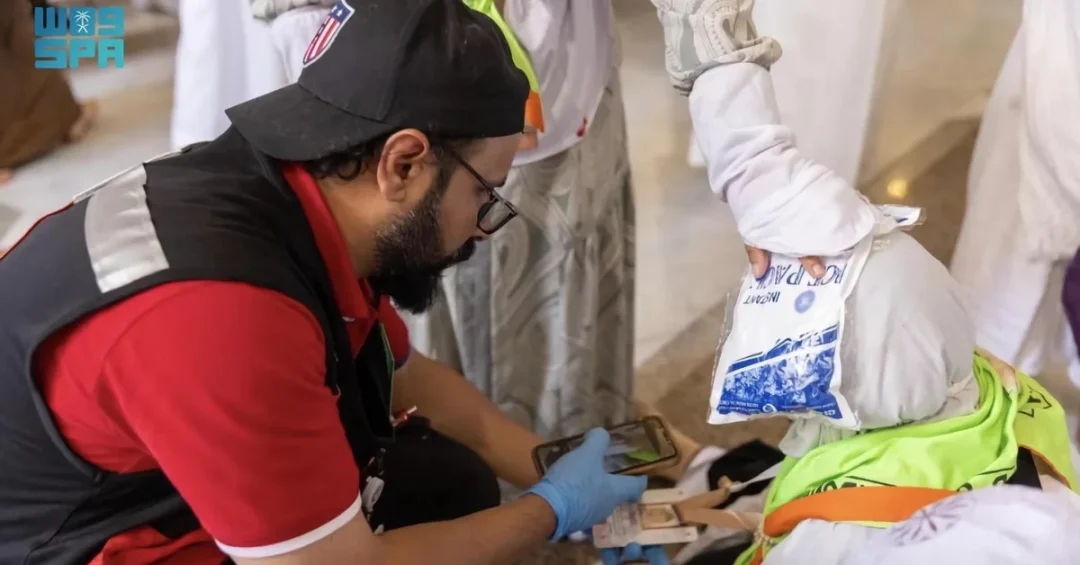
The General Authority for the Care of the Grand Mosque and the Prophet’s Mosque has activated a comprehensive health and emergency plan to serve Umrah performers and visitors throughout Ramadan, in collaboration with the Makkah Health Cluster and the Saudi Red Crescent Authority. The plan, announced via the Saudi Press Agency on February 27, 2025, deploys seven emergency centers inside the Grand Mosque alongside mobile emergency teams, ambulance stations, and round-the-clock coordination units to safeguard the millions of worshippers expected during the holy month. Have you ever wondered how the Kingdom manages healthcare for millions of pilgrims in one of the world’s most crowded sacred spaces?
The initiative reflects the Kingdom’s broader commitment to ensuring that every pilgrim can perform their spiritual duties in safety and comfort. Ramadan is the busiest period of the year at the Grand Mosque, with Umrah performers and visitors arriving from every corner of the globe. The health plan is designed to provide immediate medical response in crowded areas, particularly around the circumambulation area and the Saudi corridor, where dense crowds can create medical emergencies. The activation of these services underscores Saudi Arabia’s dedication to the well-being of guests of the Most Merciful, a responsibility that the Kingdom treats as a sacred trust.
Context and Background
How does Saudi Arabia prepare for the unique health challenges that Ramadan brings to Makkah? The holy month witnesses an unprecedented influx of pilgrims, many of whom are elderly or have pre-existing medical conditions. The physical demands of Umrah, combined with fasting and the intense heat that can occur in Makkah, create conditions that require robust medical infrastructure. The General Authority for the Care of the Grand Mosque and the Prophet’s Mosque, which oversees all operational aspects of the two holy mosques, has therefore partnered with the Makkah Health Cluster and the Saudi Red Crescent Authority to deliver a layered, responsive health system.
This collaboration is not new; it builds on years of experience in managing pilgrim health during Ramadan and Hajj. The Makkah Health Cluster, a network of hospitals and health centers in the Makkah region, provides the clinical backbone, while the Saudi Red Crescent Authority supplies ambulance services and emergency medical technicians. Together, they ensure seamless patient transfer from the Grand Mosque to advanced care facilities when needed. The plan’s activation ahead of Ramadan allows for pre-deployment of resources, staff training, and coordination drills, all aimed at minimizing response times during peak periods.
The scale of the operation is immense. The Grand Mosque can accommodate hundreds of thousands of worshippers simultaneously, and during the last ten nights of Ramadan, attendance swells even further. The health services must be able to reach any point within the mosque quickly, whether it is the ground floor, the roof, or the expansive expansions. The seven emergency centers are strategically placed to cover all zones, and mobile teams patrol crowded areas to spot and treat issues before they escalate. This proactive approach is a hallmark of Saudi Arabia’s pilgrim care strategy.
Key Details of the Health Plan
What exactly does the health plan entail, and how will it operate on the ground? At the heart of the plan are seven emergency centers located within the Grand Mosque. These centers are equipped with comprehensive first aid kits, mobile medical devices, and trained medical personnel who can handle a range of cases, from fainting and fatigue to injuries and other emergencies. They operate 24 hours a day, ensuring that help is always available. The centers serve as hubs for initial treatment and stabilization, after which patients requiring further care are transferred to health centers or hospitals in Makkah.
Complementing the fixed centers are mobile emergency teams that move through the crowds, particularly in high-density areas. These teams provide rapid intervention, reaching worshippers who may be far from a fixed center or who need immediate attention in situ. They carry portable medical equipment and can administer first aid on the spot. The mobile teams are especially crucial during peak times, such as the hours around Taraweeh and Qiyam prayers, when the mosque is at its fullest. Their presence reduces the time between the onset of a medical issue and the arrival of professional care.
Ambulance services are positioned at key locations to facilitate quick evacuation when necessary. These include the basement of the King Fahd expansion, which serves the Itikaf area and allows rapid response in the circumambulation area and the Saudi corridor; the roof of the King Fahd expansion, providing immediate care for emergencies on the roof; and gate 175, which acts as a dispatch point for ambulance units in the Third Saudi Expansion. This strategic placement ensures that ambulances can navigate the complex geography of the mosque and its surroundings without delay.
A dedicated team manages field operations and control around the clock. Response coordinators monitor the situation, direct resources, and ensure efficient handling of all emergencies. This command-and-control element is vital for maintaining situational awareness and for coordinating with other agencies, such as the Ministry of Health and the General Authority for the Care of the Grand Mosque and the Prophet’s Mosque. The team’s continuous operation reflects the seriousness with which Saudi Arabia approaches the health and safety of pilgrims.
International and Regional Impact
How does this health initiative resonate beyond Saudi Arabia’s borders? The Grand Mosque is the spiritual heart of the Islamic world, and the well-being of its visitors is a matter of global concern. By deploying such advanced medical services, Saudi Arabia reinforces its role as the custodian of the Two Holy Mosques and demonstrates its capacity to host millions of pilgrims safely. This has a direct impact on the experience of international pilgrims, who can focus on their worship knowing that high-quality healthcare is readily available. It also enhances the Kingdom’s reputation as a reliable and compassionate host.
Regionally, the plan sets a benchmark for mass gathering medicine. Other countries in the Middle East and beyond look to Saudi Arabia’s model for managing health risks during large religious events. The collaboration between the General Authority, the Makkah Health Cluster, and the Saudi Red Crescent Authority exemplifies how integrated efforts can produce a resilient health system. For neighboring nations, whose citizens often travel to Makkah for Umrah, the assurance of robust medical services strengthens confidence in the pilgrimage journey. Moreover, the plan’s success contributes to the stability and positive image of the region as a whole.
Economic and Strategic Significance
What does this mean for Saudi Arabia’s economic and strategic goals? A safe and healthy pilgrimage environment is essential for the sustainability of religious tourism, a key pillar of the Kingdom’s economic diversification efforts. When pilgrims have positive experiences, they are more likely to return and to recommend the journey to others, supporting the growth of the Umrah and Hajj sectors. The health services also protect the workforce and the infrastructure of Makkah, preventing disruptions that could arise from medical emergencies. By investing in pilgrim health, Saudi Arabia is investing in the long-term viability of its religious tourism industry.
Strategically, the health plan aligns with the Kingdom’s Vision 2030 objectives of enhancing the quality of life and improving public services. It showcases Saudi Arabia’s ability to harness technology, logistics, and human resources to manage complex operations. The use of mobile medical devices and coordinated command centers reflects a modern, efficient approach that can be replicated in other sectors. Furthermore, the plan contributes to the broader goal of making the pilgrimage experience seamless and spiritually fulfilling, which is central to the Kingdom’s role as a global leader in serving Islam and Muslims.
Vision 2030 Alignment
How does this initiative embody the spirit of Saudi Vision 2030? Vision 2030 seeks to transform Saudi Arabia into a global hub for tourism, culture, and investment, while preserving its religious heritage. The health services for Ramadan pilgrims are a concrete example of how the Kingdom is improving the quality of services for visitors to the Two Holy Mosques, a key objective of the Vision. By ensuring that pilgrims receive world-class medical care, Saudi Arabia enhances its reputation as a destination that values human dignity and well-being. This aligns with the Vision’s emphasis on creating a vibrant society and a thriving economy.
Looking ahead, the General Authority for the Care of the Grand Mosque and the Prophet’s Mosque will continue to innovate and expand its health services in line with Vision 2030. The lessons learned from this Ramadan will inform future plans, ensuring that the Kingdom remains at the forefront of mass gathering health management. As Saudi Arabia welcomes ever-growing numbers of pilgrims, its commitment to their safety and comfort will remain unwavering. This dedication not only serves the guests of the Most Merciful but also strengthens the Kingdom’s standing on the world stage as a model of excellence in pilgrimage care.
20 Questions
Q1. What is the main purpose of the health plan activated by the General Authority for the Care of the Grand Mosque and the Prophet’s Mosque?
A1. The plan aims to provide comprehensive health and emergency services to Umrah performers and visitors during Ramadan, ensuring their safety and well-being throughout the holy month.
Q2. Which organizations are collaborating with the General Authority to implement this plan?
A2. The plan is implemented in collaboration with the Makkah Health Cluster and the Saudi Red Crescent Authority, combining their expertise in healthcare and emergency response.
Q3. How many emergency centers are located within the Grand Mosque?
A3. Seven emergency centers are strategically positioned within the Grand Mosque, complemented by mobile emergency teams to provide rapid intervention in crowded areas.
Q4. What role do mobile emergency teams play during Ramadan?
A4. Mobile emergency teams move through crowds to offer immediate medical response, especially in dense areas, ensuring that worshippers receive timely care wherever they are.
Q5. Where are ambulance centers positioned within the Grand Mosque?
A5. Ambulance centers are located at the basement of the King Fahd expansion (Itikaf area), the roof of the King Fahd expansion, and gate 175 for the Third Saudi Expansion.
Q6. What types of medical cases are these teams equipped to handle?
A6. They handle cases such as fainting, fatigue, injuries, and other emergencies, using comprehensive first aid kits and mobile medical devices.
Q7. How are patients requiring advanced care managed?
A7. Patients needing further treatment are transferred from the Grand Mosque to health centers or hospitals in Makkah for specialized care.
Q8. Is there a dedicated team managing field operations?
A8. Yes, a dedicated team manages field operations and control around the clock, with response coordinators ensuring efficient handling of all emergencies.
Q9. Why is the basement of the King Fahd expansion important for ambulance placement?
A9. It facilitates quick response in the circumambulation area and the Saudi corridor, which are among the most crowded sections of the Grand Mosque.
Q10. What is the significance of placing ambulances on the roof of the King Fahd expansion?
A10. It provides immediate care for emergencies occurring on the roof, where many worshippers gather, ensuring no area is left without rapid medical support.
Q11. How does the plan address the needs of elderly pilgrims?
A11. The plan includes mobile teams and emergency centers that can quickly attend to elderly pilgrims, who may be more vulnerable to fatigue and medical issues during the physically demanding rituals.
Q12. What is the role of the Makkah Health Cluster in this initiative?
A12. The Makkah Health Cluster provides the network of hospitals and health centers that receive patients requiring advanced care, ensuring a continuum of medical services.
Q13. How does the Saudi Red Crescent Authority contribute to the plan?
A13. The Saudi Red Crescent Authority supplies ambulance services and emergency medical technicians, playing a critical role in rapid response and patient transport.
Q14. Are the health services available 24/7?
A14. Yes, the emergency centers and field operations are maintained 24 hours a day, ensuring continuous healthcare throughout Ramadan.
Q15. How does this plan reflect Saudi Arabia’s commitment to pilgrim welfare?
A15. It demonstrates the Kingdom’s dedication to treating pilgrims as honored guests, providing them with world-class medical care and ensuring their spiritual journey is safe and comfortable.
Q16. What impact does this have on the overall pilgrimage experience?
A16. By ensuring health and safety, the plan allows pilgrims to focus on their worship, enhancing their spiritual experience and fostering positive memories of their visit.
Q17. How does the plan align with Saudi Vision 2030?
A17. It aligns with Vision 2030 by improving the quality of services for pilgrims, enhancing the Kingdom’s reputation as a global destination for religious tourism, and showcasing operational excellence.
Q18. Will the health services be expanded in future years?
A18. The General Authority continuously evaluates and improves its services based on experience and feedback, aiming to expand and enhance health services in line with Vision 2030 goals.
Q19. What should a pilgrim do in case of a medical emergency inside the Grand Mosque?
A19. Pilgrims should immediately alert the nearest emergency center or mobile team, or call the emergency number, and follow instructions from the medical staff on site.
Q20. How does this initiative benefit international pilgrims?
A20. International pilgrims benefit from high-quality healthcare, which gives them peace of mind and allows them to perform their rituals safely, knowing that Saudi Arabia prioritizes their well-being.
Reader Feedback
We value your thoughts. Please share your feedback on this article.
Your feedback helps us improve our coverage.
Related articles
 NWC to Supply 10 Million Cubic Meters of Water Daily in Ramadan
 Saudi Crown Prince Congratulates Dominican President
 Al Rabeeah Meets UN Official on Sexual Violence in Conflict
 King Salman Congratulates Dominican Republic on Independence Day
 KSrelief Chief Meets UN-Habitat Director at Riyadh Forum
 KSrelief Chief Meets WHO Director-General in Riyadh