


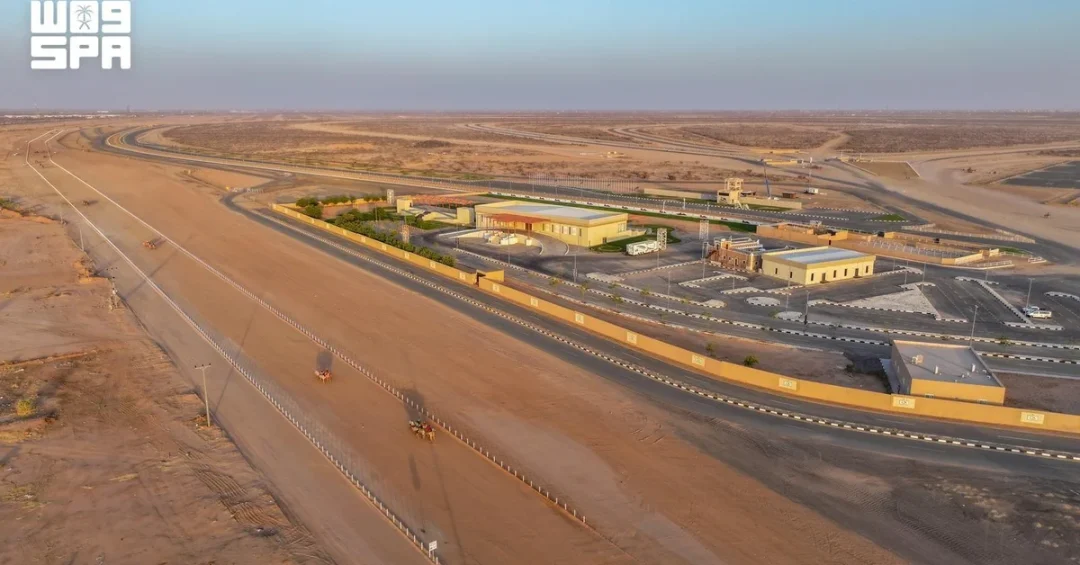
Saudi Camel Sports has completed a comprehensive package of development projects at Taif Camel Square ahead of the 2026 Crown Prince Camel Festival, upgrading infrastructure to serve race owners, trainers, and participants at one of the region’s most prestigious heritage sporting events. The work, announced by the Saudi Press Agency on July 27, 2026, reflects the Kingdom’s continued investment in the sport of camel racing as both a competitive discipline and a living expression of Saudi heritage. The development programme covers new training circuits, rehabilitated race tracks, upgraded starting gates, and improved access routes at the Taif venue, which hosts one of the largest camel racing festivals in the world. The Crown Prince Camel Festival has grown into a flagship event on the Kingdom’s sporting calendar, drawing competitors from across Saudi Arabia and the wider region.
Why does this investment matter beyond the race track? Camel racing occupies a unique place in Saudi culture, linking the Kingdom’s desert heritage with its modern ambitions. The Taif Camel Square development is designed to strengthen that link by ensuring that facilities match the scale and prestige of the festival itself. The upgrades are intended to improve movement between tracks and stables, raise safety standards for animals and participants, and increase the venue’s capacity to host larger fields of competitors. Each element of the programme points to a single objective: making Taif a world-class destination for heritage sport as Saudi Arabia continues to expand its sporting and tourism offerings under Vision 2030.
Context and Background
How did camel racing become a cornerstone of Saudi sporting identity? The practice has deep roots in the Arabian Peninsula, where camels have long been central to livelihood, mobility, and cultural standing. Over recent decades, the sport has been formalised, with dedicated race tracks, regulated competition, and significant prize purses that attract top owners and trainers. The Crown Prince Camel Festival sits at the apex of this evolution, bringing together the finest camels and most experienced handlers in a competition that celebrates speed, endurance, and the enduring bond between Saudis and their camels. Taif, with its cooler climate and mountainous setting, has become a natural summer home for the festival and for the training season that precedes it.
The Saudi Camel Sports federation has overseen a steady modernisation of venues across the Kingdom, and Taif Camel Square has been a particular focus. The 2026 edition of the festival is expected to draw heightened attention, given the growing international profile of Saudi heritage sports and the Kingdom’s expanding calendar of major events. Preparations at Taif therefore serve a dual purpose: they ensure that local owners, trainers, and participants have the facilities they need, and they signal to regional and international audiences that Saudi Arabia is serious about presenting its heritage sports at the highest standard. The timing of the works, completed well before the festival, allows organisers to test the new infrastructure during training and qualifying rounds.
What does the scale of the development tell us about the Kingdom’s approach? The projects are not cosmetic. They address the practical needs of a sport that involves large animals, long distances, and complex logistics. By investing in training tracks, soil rehabilitation, and starting gates, Saudi Camel Sports is responding to the demands of a growing participant base. This approach mirrors the wider pattern of Saudi investment in sport, where infrastructure is treated as a foundation for long-term growth rather than a one-off expense. The Taif works also complement broader efforts to promote domestic tourism and regional development, drawing visitors to the Taif region during the festival season.
Key Details of the Taif Development Programme
What exactly has been built at Taif Camel Square? According to the Saudi Press Agency, the development package includes the construction of an 11-kilometer training track that surrounds the existing 10-kilometer track and connects to the 6-kilometer track in the southern field. This addition gives trainers a dedicated circuit for preparation and conditioning, separate from the main racing surfaces. The project also links the stables between both fields, improving the movement of camels and handlers and streamlining daily operations. Such connectivity reduces congestion and allows for more efficient scheduling of training sessions and races, a practical benefit for the many owners and trainers who base themselves at Taif during the season.
The rehabilitation of the race tracks represents a substantial physical undertaking. More than 38,000 cubic meters of soil were supplied and laid across the 10-, 6-, 5-, and 2-kilometer tracks, as well as the southern field’s 6-kilometer track. This work is essential for maintaining consistent footing, reducing the risk of injury, and ensuring fair conditions across all distances. In camel racing, track quality directly affects performance and safety, and the investment in soil reflects a commitment to high standards. The federation also built five new starting gates for the southern field’s 6-kilometer track, increasing the number of camels that can start together and enhancing safety at the critical opening moments of a race.
What remains to be done? Development work is continuing, with the paving of the eastern field’s main entrance and further upgrades to the 6-kilometer track underway. These finishing touches are part of a comprehensive plan to elevate Taif Camel Square’s facilities in line with the Crown Prince Camel Festival’s status as one of the largest camel racing events locally and internationally. The phased approach allows the venue to remain operational while improvements are made, and it ensures that the most important elements are ready in advance of the festival. The combination of new construction, track rehabilitation, and access improvements demonstrates a holistic view of what a modern heritage sports venue requires.
International and Regional Impact
How does the Taif project resonate beyond Saudi borders? Camel racing has a strong following across the Gulf, and Saudi Arabia’s festivals attract owners and trainers from neighbouring countries. By upgrading Taif Camel Square, the Kingdom strengthens its position as a leading host of the sport and raises the bar for venue standards regionally. International visitors, including enthusiasts and media, are increasingly drawn to Saudi heritage events, and the improved facilities make the festival more accessible and more compelling to outside audiences. The development also supports the Kingdom’s broader tourism goals by creating a reason for visitors to travel to the Taif region, known for its mild climate and scenic landscapes.
Could the Taif upgrades influence the global perception of Saudi sport? The Kingdom has hosted a growing number of international sporting events, from football to motorsport, and heritage sports are part of that portfolio. A well-equipped camel racing venue demonstrates that Saudi Arabia can stage traditional competitions with the same professionalism as modern ones. This balance between heritage and modernity is a distinctive feature of the Saudi sporting landscape. For international observers, the Taif development is a reminder that Saudi investment in sport is not limited to global franchises but extends to the cultural practices that matter most to its people. That authenticity adds depth to the Kingdom’s international sporting profile.
Economic and Strategic Significance
What economic value does camel racing generate? The sport supports a network of owners, breeders, trainers, veterinarians, and support staff, and major festivals create demand for hospitality, transport, and retail services in the host region. The Crown Prince Camel Festival is a significant economic event for Taif, drawing participants and spectators who spend on accommodation, food, and local goods. The infrastructure upgrades at Taif Camel Square are an investment in that ecosystem, helping to sustain the businesses and livelihoods that depend on the festival. By improving the venue, Saudi Camel Sports is also helping to attract higher-quality competition, which in turn increases the festival’s prestige and economic pull.
How does this fit into Saudi Arabia’s strategic priorities? Heritage sports are a component of the Kingdom’s efforts to diversify its economy and promote domestic tourism. The Taif development aligns with the broader Vision 2030 goal of creating vibrant communities and expanding recreational opportunities. It also supports the preservation of cultural heritage, a theme that runs through many Saudi initiatives. Strategically, the investment signals that traditional pursuits are not being left behind in the rush to modernise; instead, they are being integrated into the national development agenda. This approach helps maintain social continuity while opening new avenues for economic activity and international engagement.
Vision 2030 Alignment
How does the Taif project connect to Vision 2030? The Vision’s objectives include enriching the lives of citizens and residents, fostering pride in national heritage, and developing tourism and entertainment sectors. Camel racing sits at the intersection of these goals. The Crown Prince Camel Festival celebrates a tradition that is central to Saudi identity, while the upgraded facilities at Taif make the event more attractive to visitors and more efficient for participants. The investment also supports the Vision’s aim of increasing the contribution of non-oil sectors to the economy, as heritage sports generate spending in tourism, hospitality, and related services. In this sense, the Taif development is a practical expression of the Vision’s holistic approach to progress.
What does the future hold for Taif Camel Square and the festival? With the 2026 edition approaching, the venue is positioned to host a larger and more competitive festival. Continued work on the eastern field entrance and the 6-kilometer track will further enhance the experience for all involved. Saudi Camel Sports has indicated that its plans are comprehensive, suggesting that further improvements may follow as the sport grows. For now, the completed projects stand as evidence of the Kingdom’s commitment to its heritage and its determination to present it on a world-class stage. The Crown Prince Camel Festival will once again showcase the best of Saudi tradition, supported by infrastructure that reflects the ambitions of Vision 2030.
20 Questions
Q1. What is the main purpose of the development projects at Taif Camel Square?
A1. The projects are designed to upgrade infrastructure and enhance the venue’s readiness to serve owners, camel race trainers, and participants ahead of the 2026 Crown Prince Camel Festival, ensuring the facilities meet the standards of a major international event.
Q2. When were the completed projects announced?
A2. The Saudi Press Agency reported the completion of the development package on July 27, 2026, confirming that Saudi Camel Sports had finished a series of works at the Taif venue in preparation for the festival.
Q3. What new track was constructed as part of the development?
A3. An 11-kilometer training track was built to surround the existing 10-kilometer track and connect to the 6-kilometer track in the southern field, providing a dedicated circuit for training and conditioning.
Q4. How much soil was laid across the race tracks?
A4. More than 38,000 cubic meters of soil were supplied and laid across the 10-, 6-, 5-, and 2-kilometer tracks, as well as the southern field’s 6-kilometer track, to improve footing and safety.
Q5. How many new starting gates were built, and where?
A5. Five new starting gates were constructed for the southern field’s 6-kilometer track, increasing participant capacity and enhancing safety standards at the start of races.
Q6. What additional work is still ongoing at the venue?
A6. Development continues with the paving of the eastern field’s main entrance and further upgrades to the 6-kilometer track, as part of a comprehensive plan to elevate the venue’s facilities.
Q7. Why is Taif an important location for camel racing?
A7. Taif’s cooler climate and mountainous setting make it a natural summer home for the Crown Prince Camel Festival and the training season, offering favourable conditions for camels and participants alike.
Q8. What is the significance of linking stables between the two fields?
A8. Linking the stables improves movement and operational efficiency, reducing congestion and allowing for smoother scheduling of training sessions and races for owners and trainers based at the venue.
Q9. How does the development benefit trainers and owners?
A9. The upgrades provide better training surfaces, safer tracks, and improved access, enabling trainers to prepare camels more effectively and owners to participate in a well-organised, high-standard festival.
Q10. What role does the Crown Prince Camel Festival play in Saudi culture?
A10. The festival celebrates a deep-rooted Saudi tradition, showcasing the enduring bond between Saudis and camels while reinforcing national pride and preserving an important element of the Kingdom’s heritage for future generations.
Q11. How does the Taif project support Vision 2030?
A11. It aligns with Vision 2030 goals of enriching lives, preserving heritage, and developing tourism and entertainment sectors, while generating economic activity in the Taif region and supporting non-oil economic diversification.
Q12. Will the upgraded venue attract international participants?
A12. The improved facilities are expected to strengthen the festival’s appeal to regional and international competitors and visitors, raising the event’s profile and reinforcing Saudi Arabia’s position as a leading host of heritage sports.
Q13. What economic impact does the festival have on Taif?
A13. The festival draws participants and spectators who spend on accommodation, food, and local goods, providing a significant boost to hospitality, transport, and retail businesses in the Taif region during the event season.
Q14. How does camel racing reflect Saudi heritage?
A14. Camel racing has deep roots in the Arabian Peninsula, where camels have long been central to livelihood and cultural standing, and the sport today preserves and celebrates that historical connection in a modern competitive format.
Q15. What safety improvements were included in the works?
A15. The new starting gates and rehabilitated track surfaces enhance safety by providing consistent footing and more controlled starts, reducing risks for both camels and handlers during races.
Q16. Who oversees the development of Taif Camel Square?
A16. Saudi Camel Sports, the federation responsible for the sport in the Kingdom, oversees the development projects, working to ensure the venue meets the standards required for the Crown Prince Camel Festival.
Q17. What does the scale of investment indicate about Saudi priorities?
A17. The substantial investment reflects the Kingdom’s commitment to preserving heritage sports and integrating them into its modern sporting and tourism strategy, demonstrating that traditional pursuits remain a national priority.
Q18. How does the Taif development fit into Saudi tourism goals?
A18. By improving a major heritage sports venue, the project gives visitors another reason to travel to the Taif region, supporting domestic tourism and complementing the Kingdom’s broader efforts to attract international visitors.
Q19. What can visitors expect at the 2026 festival?
A19. Visitors can expect a world-class camel racing event with improved facilities, larger fields of competitors, and a vibrant celebration of Saudi heritage, set in the welcoming environment of Taif.
Q20. What is the long-term outlook for Taif Camel Square?
A20. With continued development and a comprehensive improvement plan, Taif Camel Square is positioned to remain a premier venue for camel racing, supporting the growth of the sport and the festival for years to come.
Reader Feedback
We value your thoughts. Please share your feedback on this article.
Your feedback helps us improve our coverage.
Related articles
 stc Unites Grassroots and Last-Chance Esports at EWC 2026
 Sport Ministry Joins 10th Misk Launchpad Program
 Saudi Junior Handball Team Wins Bronze at Asian Championship
 Saudi Sports Arbitration Center to Participate in Sports Investment Forum
 Kingdom Archery Championship Underway in Jazan
 Saudi Arabia Hosts Workshop to Facilitate Horse Movement for Competitions