


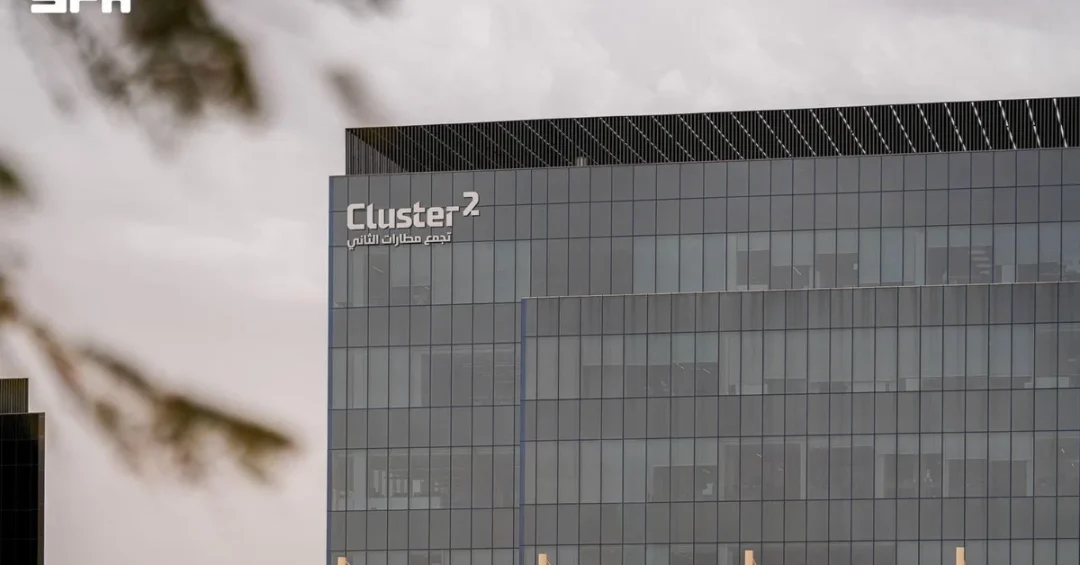
Cluster2 Airports Company served 3.98 million passengers across 36,600 flights during the second quarter of 2026, according to an official announcement released through the Saudi Press Agency (SPA), marking a strong operational performance that combined passenger growth with measurable progress on environmental sustainability. The results, reported from Riyadh on July 26, 2026, highlight the company’s expanding role in managing a nationwide network of regional airports that connect communities, pilgrims, business travelers, and international visitors to the Kingdom of Saudi Arabia. Could this quarter mark a turning point for how regional aviation supports national development?
The quarterly figures reflect more than routine traffic statistics. They represent the daily movement of millions of people through airports that serve as gateways to Saudi Arabia’s diverse regions, from the mountainous southwest to the northern coast and the central heartland. Cluster2 Airports Company manages a portfolio of airports across the Kingdom, and its performance is increasingly viewed as a barometer of the country’s broader aviation strategy, which seeks to expand capacity, improve passenger experience, and align infrastructure growth with the goals of Saudi Vision 2030. The Q2 2026 results arrive as Saudi Arabia continues to invest heavily in transport and logistics as part of its long-term economic diversification agenda.
Context and Background
Why does the performance of regional airports matter so much to Saudi Arabia’s national ambitions? Cluster2 Airports Company operates a group of airports that serve regions beyond the major hubs of Riyadh, Jeddah, and Dammam. These include airports in Abha, Qassim, Jazan, Najran, Sharurah, Wadi Al-Dawasir, and Al-Wajh, among others. Each of these facilities plays a distinct role in connecting local populations to economic opportunities, healthcare, education, and tourism, while also supporting the movement of goods and services. The company’s mandate is to raise operational standards, enhance safety, and improve the traveler experience across this network, in line with directives from the Kingdom’s leadership and the Ministry of Transport and Logistic Services.
The second quarter of 2026 was particularly active. The company reported that its airports handled 3.98 million passengers and 36,600 flights, a volume that underscores the resilience and growing demand for domestic and regional air travel. This performance did not happen in isolation. It followed sustained investment in airport infrastructure, digital systems, and workforce training, as well as closer coordination with airlines and government agencies. The results also reflect the broader recovery and expansion of the global aviation sector, which has seen steady growth in passenger numbers since the pandemic. For Saudi Arabia, however, the significance goes beyond recovery: it is about building a world-class aviation ecosystem that can serve both citizens and the millions of international visitors expected in the coming decade.
How does this quarter’s performance fit into the larger story of Saudi aviation? The Kingdom has set ambitious targets for passenger traffic, air connectivity, and tourism under Vision 2030. National carriers are expanding their fleets and routes, new airlines are being launched, and airports are being upgraded or built from scratch. Cluster2 Airports Company’s results contribute directly to these targets by ensuring that regional airports are not left behind. The company’s focus on operational excellence and sustainability mirrors the national direction, where economic growth must be balanced with environmental responsibility. The Q2 2026 report therefore offers a snapshot of a system in motion, where each airport’s performance adds to the collective strength of Saudi Arabia’s aviation network.
Key Details
What specific developments drove the quarter’s strong results? Among the most notable was the launch of two flynas operational centers at Abha International Airport and Prince Naif bin Abdulaziz International Airport in Qassim. These centers are designed to boost operational capabilities, improve turnaround times, and support the airline’s expansion plans. By establishing a stronger operational presence at these airports, flynas can increase flight frequencies, optimize crew and aircraft scheduling, and offer more reliable services to passengers. The move also signals confidence in the regions served by these airports, which are becoming increasingly important for domestic tourism and business travel. The operational centers are expected to create local employment opportunities and strengthen the airports’ roles as economic catalysts.
On the environmental front, five Cluster2 airports earned Level 2 Accreditation in the Airport Carbon Accreditation program. The airports are King Abdullah bin Abdulaziz International Airport in Jazan, Najran International Airport, Sharurah Airport, Wadi Al-Dawasir Airport, and Al-Wajh Airport. This accreditation, administered by Airports Council International, recognizes airports that have developed a carbon management plan and established a baseline carbon footprint. Achieving Level 2 demonstrates a structured commitment to measuring and reducing emissions, a step that aligns with global best practices and with Saudi Arabia’s own environmental goals. For these five airports, the accreditation is both a recognition of past efforts and a framework for continuous improvement.
In another significant move, Cluster2 Airports Company signed a memorandum of understanding (MoU) with the National Greening Program to plant 300,000 trees by 2030 across several of its airport locations. The initiative is expected to reduce carbon emissions, improve air quality, and enhance the visual landscape around airports. It also supports the Saudi Green Initiative and broader national sustainability goals. The partnership reflects a growing trend in Saudi Arabia where government entities, private companies, and environmental programs collaborate to achieve measurable outcomes. For Cluster2, the tree-planting commitment is a tangible way to offset carbon and contribute to the Kingdom’s pledge to combat climate change.
International and Regional Impact
How do these developments resonate beyond Saudi Arabia’s borders? The Kingdom’s aviation sector is a key link between Asia, Europe, and Africa, and the performance of its regional airports affects international connectivity. When airports like Abha and Qassim gain operational centers and improved infrastructure, they become more attractive to international carriers looking to expand into secondary cities. This can lead to new routes, increased competition, and lower fares, benefiting travelers and businesses alike. Moreover, the sustainability achievements of Cluster2 airports contribute to global aviation’s efforts to reduce its carbon footprint. The Airport Carbon Accreditation program is recognized worldwide, and Saudi airports’ participation signals that the Kingdom is serious about aligning its aviation growth with environmental responsibility.
Regionally, the strong Q2 2026 performance supports Saudi Arabia’s role as a logistics and tourism hub. The Middle East’s aviation market is highly competitive, with countries investing heavily in airlines and airports. By demonstrating operational efficiency and sustainability leadership, Cluster2 Airports Company enhances the Kingdom’s standing in this competitive landscape. The flynas operational centers, in particular, strengthen the domestic network at a time when demand for travel within Saudi Arabia is rising. This is important for religious tourism, as improved domestic connections make it easier for pilgrims to reach different parts of the Kingdom, and for leisure tourism, as Saudis and international visitors explore destinations beyond the main cities. The regional impact is therefore both economic and strategic.
Economic and Strategic Significance
What does this quarter’s performance mean for Saudi Arabia’s economy? Airports are critical infrastructure that enable trade, investment, and tourism. The 3.98 million passengers and 36,600 flights handled by Cluster2 airports in Q2 2026 represent economic activity that supports jobs, local businesses, and government revenues. The launch of flynas operational centers at Abha and Qassim is expected to generate direct and indirect employment, from ground handling to maintenance and customer service. Additionally, the sustainability initiatives, such as the tree-planting MoU and carbon accreditation, can lead to cost savings through energy efficiency and waste reduction, while also attracting environmentally conscious partners and investors. In a global economy where sustainability credentials increasingly influence investment decisions, these achievements are not just ethical but economically prudent.
Strategically, the results reinforce the Kingdom’s push to diversify its economy away from oil dependence. Vision 2030 aims to increase non-oil revenues, and aviation is a key sector in that effort. By strengthening regional airports, Cluster2 helps distribute economic benefits across the country, reducing pressure on major cities and promoting balanced development. The integration of sustainability into airport operations also aligns with the Saudi Green Initiative, which seeks to plant 10 billion trees and reduce carbon emissions by 278 million tonnes annually by 2030. Cluster2’s contribution of 300,000 trees is a modest but meaningful part of that national target. Furthermore, the operational improvements support the National Transport and Logistics Strategy, which aims to make Saudi Arabia a global logistics hub. Each flight, each passenger, and each tree planted contributes to this larger strategic vision.
Vision 2030 Alignment
How does Cluster2 Airports Company’s Q2 2026 performance connect to Saudi Vision 2030? The Vision, launched in 2016 under the leadership of Crown Prince Mohammed bin Salman, sets out a comprehensive roadmap for the Kingdom’s future. It includes goals for tourism, infrastructure, sustainability, and economic diversification. Cluster2’s achievements directly support several of these objectives. The increase in passenger traffic and flights reflects the growth of the tourism sector, which aims to attract 100 million visitors annually by 2030. The flynas operational centers enhance connectivity and support the expansion of national carriers, which is essential for achieving those tourism targets. The carbon accreditation and tree-planting initiatives contribute to the environmental sustainability pillar of Vision 2030, demonstrating that economic growth and environmental stewardship can go hand in hand.
Looking ahead, Cluster2 Airports Company’s strong Q2 results set the stage for further progress. The company is expected to continue investing in airport upgrades, digital transformation, and partnerships that improve the passenger experience. As Saudi Arabia prepares to host major international events, including Expo 2030 in Riyadh and the 2034 FIFA World Cup, the capacity and efficiency of its airports will be under global scrutiny. The foundations laid in 2026, from operational centers to sustainability accreditations, will be crucial in meeting those demands. With a clear alignment to Vision 2030 and a demonstrated commitment to excellence, Cluster2 Airports Company is positioning itself as a vital contributor to the Kingdom’s rise as a global aviation and tourism leader. The quarter’s results are not just numbers; they are a sign of a nation moving confidently toward its future.
20 Questions
Q1. What were Cluster2 Airports Company’s key Q2 2026 performance figures?
A1. Cluster2 Airports Company served 3.98 million passengers across 36,600 flights during Q2 2026, according to an official announcement via the Saudi Press Agency, reflecting strong operational performance and growing demand for regional air travel.
Q2. Which airports received new flynas operational centers?
A2. Two flynas operational centers were launched at Abha International Airport and Prince Naif bin Abdulaziz International Airport in Qassim, boosting operational capabilities and supporting the airline’s expansion plans.
Q3. What is the significance of the flynas operational centers?
A3. The centers are designed to improve turnaround times, increase flight frequencies, optimize crew and aircraft scheduling, and create local employment opportunities, thereby strengthening the airports’ roles as economic catalysts.
Q4. How many Cluster2 airports earned Level 2 Accreditation in the Airport Carbon Accreditation program?
A4. Five Cluster2 airports earned Level 2 Accreditation: King Abdullah bin Abdulaziz International Airport in Jazan, Najran International Airport, Sharurah Airport, Wadi Al-Dawasir Airport, and Al-Wajh Airport.
Q5. What does Level 2 Accreditation in the Airport Carbon Accreditation program signify?
A5. Level 2 Accreditation recognizes airports that have developed a carbon management plan and established a baseline carbon footprint, demonstrating a structured commitment to measuring and reducing emissions in line with global best practices.
Q6. What is the National Greening Program partnership about?
A6. Cluster2 Airports Company signed a memorandum of understanding with the National Greening Program to plant 300,000 trees by 2030 across several airport locations, reducing carbon emissions and supporting the Saudi Green Initiative.
Q7. How does the tree-planting initiative support Saudi Arabia’s environmental goals?
A7. The initiative supports the Saudi Green Initiative, which aims to plant 10 billion trees and reduce carbon emissions by 278 million tonnes annually by 2030, contributing to national sustainability targets and improving air quality around airports.
Q8. Which regions are served by Cluster2 Airports Company?
A8. Cluster2 Airports Company manages airports in various regions, including Abha, Qassim, Jazan, Najran, Sharurah, Wadi Al-Dawasir, and Al-Wajh, connecting local populations to economic opportunities, tourism, and essential services.
Q9. How does Cluster2’s performance align with Saudi Vision 2030?
A9. The performance supports Vision 2030 goals for tourism, infrastructure, sustainability, and economic diversification by increasing passenger traffic, enhancing connectivity, and advancing environmental stewardship, all of which are key pillars of the national roadmap.
Q10. What role do regional airports play in Saudi Arabia’s tourism strategy?
A10. Regional airports are essential for distributing tourism benefits across the Kingdom, making it easier for domestic and international visitors to reach diverse destinations, and supporting the goal of attracting 100 million visitors annually by 2030.
Q11. How does the flynas expansion affect domestic travel in Saudi Arabia?
A11. The expansion increases flight frequencies and improves reliability, making domestic travel more convenient for citizens and residents, and supporting religious tourism by improving connections to different parts of the Kingdom.
Q12. What economic benefits are expected from the Q2 2026 achievements?
A12. The achievements are expected to generate direct and indirect employment, support local businesses, and contribute to government revenues, while sustainability initiatives can lead to cost savings through energy efficiency and attract environmentally conscious investors.
Q13. How does the Airport Carbon Accreditation program benefit airports?
A13. The program provides a framework for airports to measure, manage, and reduce carbon emissions, enhancing their environmental credentials, improving operational efficiency, and aligning with global sustainability standards.
Q14. What is the Saudi Green Initiative?
A14. The Saudi Green Initiative is a national environmental campaign launched in 2021 to combat climate change, improve quality of life, and protect the environment, including goals to plant 10 billion trees and reduce carbon emissions by 278 million tonnes annually by 2030.
Q15. How does Cluster2 Airports Company contribute to the National Transport and Logistics Strategy?
A15. By improving airport infrastructure, operational efficiency, and connectivity, Cluster2 supports the strategy’s aim to make Saudi Arabia a global logistics hub, enhancing the movement of passengers and goods across the Kingdom.
Q16. What are the expected impacts of the new operational centers on local communities?
A16. The centers are expected to create jobs, stimulate local economic activity, and improve air connectivity, making it easier for residents to travel for business, education, and healthcare, while also attracting more visitors to the regions.
Q17. How does Cluster2’s sustainability work align with global aviation trends?
A17. It aligns with global aviation’s efforts to reduce carbon emissions, as airlines and airports worldwide adopt sustainable practices, and Saudi Arabia’s participation in programs like Airport Carbon Accreditation demonstrates its commitment to international standards.
Q18. What future developments can be expected from Cluster2 Airports Company?
A18. The company is expected to continue investing in airport upgrades, digital transformation, and partnerships to improve passenger experience, while advancing sustainability initiatives, in line with Vision 2030 and preparations for major international events.
Q19. How do these achievements support Saudi Arabia’s preparations for Expo 2030 and the 2034 FIFA World Cup?
A19. By expanding capacity, improving operational efficiency, and enhancing sustainability, Cluster2 airports will be better equipped to handle the increased passenger traffic expected during these global events, showcasing the Kingdom’s readiness.
Q20. What is the overarching message of Cluster2’s Q2 2026 results?
A20. The results demonstrate that Saudi Arabia’s regional airports are growing in capability and sustainability, contributing to the Kingdom’s economic diversification and global standing, and reflecting the nation’s confident progress toward Vision 2030.
Reader Feedback
We value your thoughts. Please share your feedback on this article.
Your feedback helps us improve our coverage.
Related articles
 Kuwait Condemns Houthi Attacks on Ships in Red Sea
 Jeddah Municipality Leads Beach Safety Campaign for Drowning Prevention
 Saudi Beach Operation Requirements Boost Safety and Drowning Prevention
 GCC Condemns Settler Attack on Tulkarm Mosque
 King Salman Congratulates Maldives President on Independence Day
 Crown Prince Congratulates Maldives President on Independence Day